Wyoming Permits for a Dirt Bike
Navigating the world of off-road vehicle permits can often feel like trying to ride a tricky trail blindfolded, especially when it comes to specific machines like dirt bikes in a state with unique rules. Many riders assume that if their dirt bike has an out-of-state registration, they're good to go, only to find themselves surprised by a local warden. This guide aims to clear up all that dust and lay out exactly what you need to know about getting and using a Wyoming ORV permit for your dirt bike, ensuring your adventures on the trails are nothing but smooth riding.
Understanding What Wyoming Considers a Dirt Bike for Permitting
When you think "dirt bike," a pretty clear image probably comes to mind: two wheels, knobby tires, an engine built for power, and a design meant for tearing up trails, not pavement. But when it comes to official state regulations, sometimes the lines can get a little blurry, especially with the rise of new types of machines. For Wyoming's purposes, your dirt bike falls squarely under the Off-Road Recreational Vehicle (ORV) umbrella, and that has specific implications for its use and the permits it requires.
Defining Your Dirt Bike: ORV vs. Other Categories
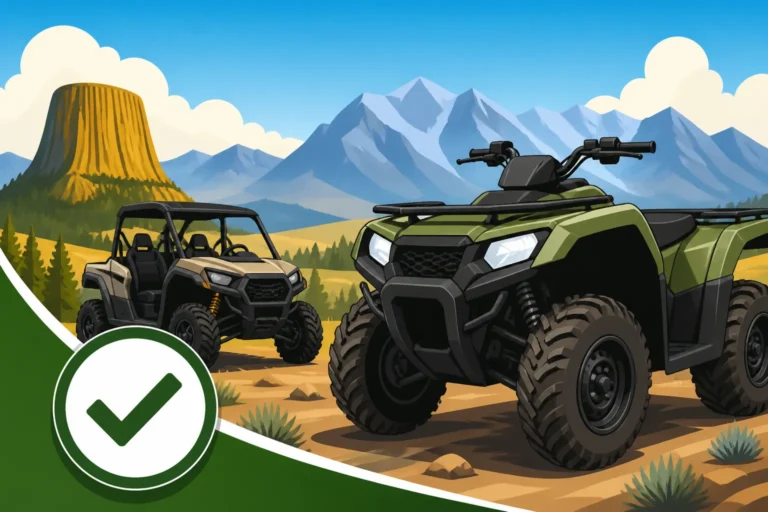
At its heart, a dirt bike is generally seen as an ORV in Wyoming. This classification covers a broad range of machines, including ATVs, side-by-sides, and indeed, dirt bikes, as long as they are primarily designed for off-highway use. They're built for unpaved terrain, have certain weight and dimension characteristics, and aren't typically manufactured to be street-legal straight off the showroom floor. This is a crucial distinction because the ORV permit is specifically for these off-road machines. It's not a registration that makes your bike road-legal; it's permission to ride on designated off-road trails and routes.
The state's definition tends to focus on the intent and design of the vehicle. If it's got a seat that you straddle, two wheels, and is clearly built for dirt, mud, and rocks, it’s going to be an ORV. This clarity helps streamline the permitting process, as most dirt bike owners won't have to ponder which category their beloved machine falls into. The focus is simply on getting that essential decal affixed correctly so you can hit the dirt.
When a Dirt Bike Might Cross Into MPV Territory
While most dirt bikes are classic ORVs, it's worth a brief mention of the Multipurpose Vehicle (MPV) category, though it's much less common for a traditional dirt bike to qualify. An MPV in Wyoming is a specific class of ORV that can be legally registered and plated for road use, provided it meets stringent criteria. These criteria typically include things like a minimum weight (usually 300 pounds), a maximum weight (around 3,000 pounds), and a seat height of at least 24 inches from the ground. While some larger, heavier "adventure" or dual-sport bikes might technically fit some of these, traditional dirt bikes almost never do.
If you ever find yourself considering converting a specialized dirt bike for street use in Wyoming, you'd need to go through the comprehensive MPV titling and plating process, which is far more involved than simply getting an ORV decal. You'd be adding headlights, taillights, mirrors, and more, effectively transforming it from a pure dirt machine into something designed for both worlds. For the vast majority of dirt bike enthusiasts, however, their ride will remain a pure ORV, requiring only the ORV permit for trail access. It’s always good to understand these distinctions, just in case you someday acquire a unique machine. [Wyoming's MPV Definition in W.S. 31-1-101] can offer more insight if you're curious about these specific vehicle classes.
Permit Requirements for Youth Dirt Bikes
Parents of younger riders often wonder if the same rules apply to their child's dirt bike. The short answer is yes: if a youth dirt bike is going to be ridden on public lands in Wyoming that require an ORV permit, it needs one, just like an adult-sized machine. The permit isn't based on the rider's age or the size of the machine, but on the machine's classification as an ORV. Whether it's a small 50cc or a larger 85cc, if it's hitting those designated trails, that permit decal needs to be visible.
This ensures that all machines contributing to trail wear and tear, regardless of who is riding them, are also contributing to the fund that helps maintain and expand those trails. There aren't special "youth permits" or exemptions for smaller bikes; it's a universal requirement for all off-road vehicles. So, before you load up the trailer for a family outing, make sure every bike, big or small, has its current Wyoming permit. [Wyoming ORV Permit for a Youth Machine] provides more details on this specific topic for parents.
Why Your Dirt Bike Needs a Wyoming ORV Permit
It can be frustrating to think you've got everything covered, only to roll into a state like Wyoming and discover your perfectly valid out-of-state registration means absolutely nothing for accessing their trails. Wyoming's system is unique, and understanding why they require their own permit helps immensely in accepting the process and avoiding an unwelcome fine. It's not just a hoop to jump through; it's a system designed to fund the very trails you want to ride.
The No-Reciprocity Rule: Your Out-of-State Sticker Doesn't Count
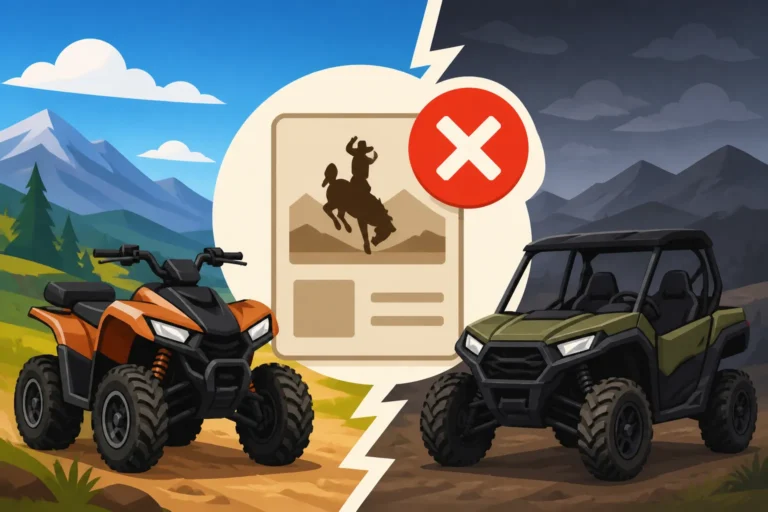
This is perhaps the biggest point of confusion and frustration for visitors and new residents alike. Wyoming explicitly does not recognize ORV registrations or permits from any other state. Period. If you're coming from Colorado, Utah, Idaho, or anywhere else with your dirt bike, and you plan to ride on any of Wyoming's designated public trails or lands that require a permit, you must purchase a Wyoming ORV permit. Your home state's sticker might be valid there, but here in Wyoming, it's just a sticker.
This lack of reciprocity is a foundational element of Wyoming's ORV program. It ensures that every machine benefiting from the state's trail system is contributing directly to its upkeep and expansion. While it might seem like an extra step, it ensures equity among all riders. A quick stop at an authorized vendor or a visit to the state's online portal will get you the necessary decal before your tires even touch the dirt. [No Reciprocity in Wyoming, Stated Plainly] dives deeper into why this rule is so steadfast.
Where Your Permit Money Goes: Funding the Trails You Love
So, where does your permit fee actually go? It's not just disappearing into a black hole. A significant portion of the money collected from these permits is funneled directly back into the Wyoming State Trails Program. This program is responsible for developing, maintaining, and managing the vast network of motorized recreation trails across the state, including those incredible routes perfect for dirt bikes.
Think about it: that permit fee helps fund things like trail signage, bridge repairs, erosion control, trailhead facilities (like restrooms!), and even the wages of the folks who physically go out and work on these trails. It also helps secure grants for new trail development and keeps existing access points open. When you pay for that permit, you're directly investing in the future of off-road riding in Wyoming. It's a user-pay, user-benefit system that truly works to enhance your riding experience. [Where Wyoming ORV Permit Money Goes] details the allocation of these funds.
The Consequences of Riding Without a Permit
Ignoring the permit requirement isn't just a minor oversight; it can lead to a direct encounter with law enforcement and a costly citation. Wardens, Forest Service rangers, and BLM officers routinely patrol popular riding areas, and one of the first things they check for is a valid, properly displayed Wyoming ORV permit decal. Riding without one, or with an expired one, is a clear violation of state law.
The fines for riding without a permit can vary but are generally substantial enough to make the cost of a permit seem negligible by comparison. Beyond the financial penalty, you also risk having your riding day cut short. Officers have the authority to ticket you and instruct you to cease riding until you obtain the proper permit. It's a hassle nobody wants, especially when you've traveled a long way to enjoy Wyoming's stunning backcountry. A little proactive planning can save you a lot of headache and money. [Wyoming Fines for Riding Without a Permit] outlines the specific penalties you might face.
How to Get Your Wyoming ORV Permit for a Dirt Bike
Alright, you're convinced – you need that Wyoming ORV permit for your dirt bike. The good news is that the process is fairly straightforward, designed to be accessible to both residents and out-of-state visitors. You have a few convenient options for purchasing, and gathering the necessary information beforehand will make it even smoother.
Where to Purchase Your Dirt Bike Permit
Wyoming offers several avenues for purchasing your ORV permit, allowing you to choose the method that best suits your travel plans and location.
- Online: For many, the easiest way to get your permit is online through the Wyoming State Parks, Historic Sites & Trails website. This allows you to purchase it from the comfort of your home before you even pack the trailer. You'll typically receive a temporary proof of purchase immediately, and the physical decal will be mailed to you. Just be sure to allow enough time for shipping, especially if you're planning a trip soon. [Buying a Wyoming Permit Online] explains this process in detail.
- In-Person at Authorized Vendors: Across Wyoming, numerous authorized selling agents stock and sell ORV permits. These often include powersports dealerships, some outdoor recreation stores, county treasurer offices, and even certain convenience stores or gas stations near popular riding areas. These agents are often a great resource, as they can answer quick questions and you walk out with your decal in hand. [Where Wyoming Sells ORV Permits] lists common types of selling locations.
- Forest Service or BLM Offices: Many federal land management offices, particularly those in or near national forests or BLM lands, are also authorized to sell permits. If you're heading straight to a specific recreation area, checking if the local ranger station sells permits can be a convenient option. Just remember that their operating hours might be more limited than a retail store.
What You'll Need to Provide When Buying a Permit
The process of buying a permit is intentionally simple, requiring minimal documentation. You won't need to show proof of insurance or vehicle title for an ORV permit. What you will typically need is:
- Vehicle Information: This usually includes the make, model, year, and most importantly, the Vehicle Identification Number (VIN) of your dirt bike. Have this ready before you start the online process or head to a vendor. The VIN is unique to your machine and is how the state associates the permit with your specific bike.
- Your Personal Information: You'll need to provide your name, address, phone number, and sometimes an email address. This is for record-keeping and for mailing your decal if purchased online.
- Payment: Permits are typically paid for by credit card online or cash/card in person.
It's a good idea to have a clear understanding of your vehicle's details and your personal information ready, perhaps even a pen and paper if you're at a counter, to ensure a quick and accurate transaction.
The Calendar Year Permit: Important Expiration Details
One of the most crucial things to understand about the Wyoming ORV permit is its validity period: it's a calendar-year permit. This means that all permits, regardless of when they are purchased, expire on December 31st of the year for which they are issued. So, whether you buy your permit in January or in August, it will still expire at the end of December.
This system can sometimes catch riders off guard, especially if they purchase a permit late in the season. However, it also means that permits for the next year often go on sale in the fall, allowing riders to get ahead and have their new decal ready for the upcoming season. Always check the current year printed on your decal to ensure it's valid for your planned ride. Don't get caught out on January 1st with a decal from the previous year! [Wyoming's Calendar-Year Permit] has more on this consistent expiration date.
| Permit Feature | Details for Wyoming ORV Permit (Dirt Bike) |
|---|---|
| Validity Period | Calendar Year (Expires December 31st, regardless of purchase date) |
| Cost | One flat rate for all ORVs, residents and non-residents alike. |
| Required For | Riding on designated public ORV trails/areas in Wyoming. |
| Out-of-State Reciprocity | None. A Wyoming permit is always required. |
| Information Needed | VIN, Make, Model, Year of machine; Your personal contact info. |
| Where to Buy | Online (State website), Authorized Vendors (dealers, stores), Public Land Offices. |
| Display | Decal must be visibly affixed to the machine. |
| Benefits | Funds trail maintenance, signage, and facilities. |
What to Do Once You Have Your Dirt Bike Permit
Getting your Wyoming ORV permit is a significant step, but your job isn't quite done. Properly applying the decal and understanding other critical regulations for dirt bikes on the trails are essential for a safe and legal ride. Don't let a misplaced sticker or a loud exhaust cut your adventure short!
Proper Decal Placement on Your Dirt Bike
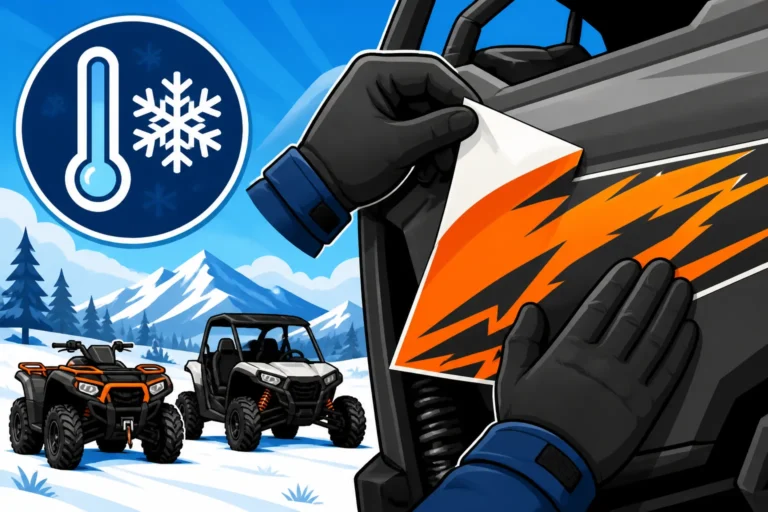
Once you receive your shiny new Wyoming ORV permit decal, it's vital to place it correctly on your dirt bike. The decal needs to be easily visible and affixed in a durable location. For dirt bikes, common and acceptable placements include:
- On the front fork: Often on the upper part of one of the fork tubes, facing forward or to the side.
- On the front fender: A clean, flat area on the front fender where it won't be easily obscured by mud or riding gear.
- On a side plate: Some riders opt for a clear, flat section on a side number plate or fairing.
The key is visibility. A warden needs to be able to spot it quickly without having to hunt for it. Make sure the surface is clean and dry before applying the decal for the best adhesion. Avoid placing it on areas that flex excessively or that are frequently scraped or damaged, as a lost or unreadable decal is as good as no decal at all. [Sticking a Decal Where It Shows] offers helpful tips for application.
Maintaining Your Permit and Dealing with Loss or Damage
Decals can take a beating on the trail. Sun, mud, pressure washing, or even a branch can damage or remove your permit. It’s important to understand what to do if this happens. If your decal becomes unreadable, peels off, or is otherwise lost, you'll need to obtain a replacement. The process for getting a replacement decal is typically simpler than purchasing a new one, often involving a small administrative fee. You'll usually contact the agency where you initially bought the permit or visit the state's ORV program website for instructions.
Always keep a record of your permit number. Some riders even keep a picture of their permit on their phone or a copy of their purchase receipt in a waterproof bag in their riding pack. While a picture won't replace a physical decal, it might help in a pinch to prove you did purchase one while you await a replacement.
Spark Arresters and Sound Limits: Keeping Trails Open
Dirt bikes, by their very nature, can be loud, and their engines produce hot exhaust. This makes spark arresters and adherence to sound limits particularly important for dirt bike riders in Wyoming. A spark arrester is a mandatory piece of equipment on any ORV (including dirt bikes) operating on public lands in Wyoming. It's designed to prevent hot carbon particles from escaping the exhaust and potentially starting wildfires. Make sure your exhaust system is equipped with a Forest Service-approved spark arrester that is in good working order.
Beyond spark arresters, sound limits are also a serious concern. Excessive noise can be a major cause of trail closures and friction with other trail users and nearby residents. Wyoming generally follows federal guidelines regarding sound levels for ORVs. While you might not carry a decibel meter with you, ensuring your exhaust system is stock or a compliant aftermarket unit and properly maintained can prevent issues. Modifying your exhaust to be louder than legal limits not only risks a citation but also contributes to a negative perception of off-road riding, potentially leading to restricted access. Always be respectful of noise, especially near residential areas, campgrounds, or wildlife. [Wyoming Spark Arrester and Sound Rules] provides more specific details.
Common Questions and Unique Situations for Dirt Bike Riders
Even with a permit in hand and the rules understood, specific scenarios can pop up that leave riders scratching their heads. Whether you're borrowing a machine, riding on private land, or exploring newer electric models, there are nuances to consider.
Riding a Borrowed Dirt Bike: Whose Permit Counts?
This is a common question, especially among groups of friends who might share machines. If you're borrowing a friend's dirt bike for a day of riding in Wyoming, the permit needs to be on the machine, not necessarily on the rider who purchased it. So, if your buddy's dirt bike already has a current Wyoming ORV decal properly affixed, you're good to go. The permit travels with the machine.
However, if your friend's bike doesn't have a current Wyoming permit, then you (or your friend) will need to purchase one before you hit the trails. There's no exception for borrowed machines; every ORV on designated public land needs its own valid permit. It's a good idea to confirm the machine's permit status before you even load it up. A simple check can save a lot of trouble. If you need a temporary form or agreement for borrowing a valuable asset, services like LawDepot can provide customizable templates to ensure both parties are protected. [Riding a Friend's Quad for a Day] offers additional context.
Permit Requirements for Ranch and Private Land Machines
Many dirt bikes in Wyoming see extensive use on private property, especially on ranches for work or recreation. If your dirt bike never leaves private land and is only used on property you own or have explicit permission to ride on, then it generally does not need a Wyoming ORV permit. The permit requirement applies specifically to riding on designated public lands and trails administered by the state or federal agencies.
However, if that ranch bike occasionally gets loaded up and taken to a nearby national forest trail or a BLM-managed riding area, then yes, it absolutely needs a permit for those public land excursions. The distinction is about where the machine is being operated. If you're riding a two-track across a private ranch to get to a public trail, you'll want to ensure your permit is valid the moment you cross onto public access land. This is a vital point for many rural residents. [Does a Ranch-Only Quad Need a Wyoming Permit?] gives further clarification.
Electric Dirt Bikes and the Permit System
With advancements in technology, electric dirt bikes are becoming more prevalent, offering a quieter and often lower-maintenance alternative to their gasoline-powered counterparts. The good news is that for permitting purposes in Wyoming, electric dirt bikes are generally treated the same as traditional dirt bikes. If an electric dirt bike meets the general definition of an Off-Road Recreational Vehicle – designed for off-highway use, two wheels, intended for trails – then it will require a Wyoming ORV permit to operate on designated public lands.
The state's focus is on the type of vehicle and its intended use, not its power source. So, don't assume that because your bike is electric and silent, it's exempt from the permit requirement. It's still an ORV, and it still benefits from the trails program. Ensure you affix that decal just like you would on a gas-powered machine. As with any machine transaction, if you're buying or selling an electric dirt bike, a clear bill of sale can be generated through resources like LawDepot to ensure proper documentation.
Disclaimer
This article is for general informational purposes only and does not constitute professional advice. Laws, prices and regulations vary by location and change over time. Consult a qualified professional for guidance on your specific situation.