Permits for an Outfitter’s Machines
Running an outfitting business in Wyoming means dealing with a lot of moving parts, and one of the trickiest can be making sure every single machine in your fleet is properly permitted for the trails. It's not just about one or two personal ATVs; you've got multiple side-by-sides, quads, and perhaps even dirt bikes, all needing their own special stamp of approval to operate legally. This guide will walk you through the ins and outs of securing the necessary permits for your commercial fleet, helping you stay compliant and keep your operations running smoothly.
Why Your Outfitting Fleet Needs Wyoming ORV Permits
As an outfitter, you're not just a recreational rider; you're a business operating on public lands, often with paying clients. This means your responsibilities extend beyond personal enjoyment to include legal compliance, client safety, and the sustainability of the very trails you use. Failing to permit your machines can lead to significant headaches, from fines to operational shutdowns, which no business owner wants to face, especially in the middle of a busy season.
The Legal Imperative for Commercial Operations
Let's be clear: in Wyoming, every off-road vehicle (ORV) that travels on designated public lands – whether it's a national forest trail, a BLM route, or a state park path – needs a current Wyoming ORV permit. This isn't just a suggestion; it's the law. For an outfitter, this means every single machine you own and operate, or even those you rent out to clients, must display a valid decal. It doesn't matter if your clients are from out of state and have permits from Montana or Colorado; those don't count here. Wyoming has a strict "no reciprocity" policy, meaning that no other state's registration is honored. This applies equally to residents and non-residents, and it absolutely applies to commercial fleets. Think about it: a warden checking your group on a remote trail isn't going to distinguish between your personal machine and one of your rental units. They're looking for that Wyoming decal on every single ORV. This is precisely why [Does Wyoming Honor a Montana Registration?] or [Does Wyoming Honor a Colorado Permit?] often comes up as a point of confusion for out-of-state operators.
Picture this scenario: you're leading a group of excited clients deep into the Bighorn Mountains on a spectacular autumn morning. You've got five side-by-sides, and everyone is having a blast. Suddenly, you round a bend and there's a Forest Service officer. They're doing a routine check. If even one of your machines, especially a rental unit, doesn't have its current Wyoming ORV permit decal properly affixed, your entire operation could be in jeopardy. You could be facing fines for each unpermitted machine, and depending on the officer's discretion and the severity, your ride might even be cut short. It's a risk simply not worth taking when your business reputation and income are on the line.
Protecting Your Business and Reputation
Beyond the direct legal penalties, operating a commercial outfitting business with unpermitted machines can severely damage your reputation. Word travels fast, especially in close-knit communities and online review platforms. A negative incident related to non-compliance can deter future clients and create a ripple effect that impacts your bookings for seasons to come. Clients put their trust in you to provide a safe, legal, and enjoyable experience. When you cut corners on something as fundamental as permits, you're signaling a disregard for rules and potentially for their safety and the integrity of the land.
Consider the potential fallout: a client, after a less-than-ideal encounter with law enforcement due to an unpermitted machine, might leave a scathing review online, highlighting your lack of professionalism. Future customers researching your outfitting service will see this and might choose a competitor who demonstrates a commitment to compliance. It can also create an uncomfortable and potentially unsafe environment for your employees. Your guides need to feel confident that they are operating legally and won't be put in a difficult position due to your oversight. A strong commitment to proper permitting, on the other hand, reinforces your professionalism and dedication to responsible recreation, which can be a significant selling point for your business.
Contributing to Trail Maintenance and Sustainability
Every dollar from a Wyoming ORV permit goes directly back into the state's ORV program. This money is crucial for funding trail maintenance, signage, mapping, and even enforcement that keeps the trails safe and enjoyable for everyone, including your clients. By purchasing permits for your entire fleet, you're not just complying with the law; you're actively investing in the infrastructure that supports your business. This is why [Where Wyoming ORV Permit Money Goes] is such an important topic.
Imagine a heavily used trail that forms a key part of your outfitting routes. Without adequate funding from permit sales, that trail could fall into disrepair, becoming eroded, overgrown, or even dangerous. This directly impacts the quality of the experience you can offer your clients. When you ensure all your machines are permitted, you're contributing to a sustainable cycle: you use the trails, you help fund their upkeep, and in return, you have well-maintained, accessible routes for your commercial operations. This commitment can also be a point of pride and a positive message to share with your environmentally conscious clients.
Navigating the Wyoming Permit Process for Multiple Machines
Managing permits for a fleet of machines can feel like a daunting task, especially when you have numerous units to account for. However, the process itself is straightforward once you understand the core principles. The key is to be organized and proactive, ensuring no machine slips through the cracks. For an outfitter, this often means setting up a system to track each machine's permit status and renewal dates.
Understanding the "One Decal Per Machine" Rule
The fundamental rule in Wyoming is simple: each individual ORV requires its own annual permit decal. There's no group rate, no bulk discount, and no "fleet permit" that covers multiple machines under a single sticker. Each quad, side-by-side, or dirt bike in your outfitting business needs its own unique decal affixed to it. This applies whether it's a rental machine, a guide's machine, or a support vehicle used strictly on public lands. Even if you have [Two Decals in One Household] for personal use, the same rule applies to your business—one per vehicle.
So, if your outfitting business runs a fleet of ten side-by-sides and five ATVs, you will need to purchase fifteen separate permits. Each permit is valid for the calendar year, expiring on December 31st, regardless of when it was purchased. This means that if you buy a permit in July, it still expires on December 31st of that same year. Understanding [How Long a Wyoming ORV Permit Lasts] and [When a Wyoming ORV Permit Expires] is crucial for effective fleet management. Many outfitters proactively purchase their permits late in the preceding year or early in the new year to ensure full compliance from day one of the season.
Where to Purchase Permits for a Fleet
Conveniently, Wyoming offers several ways to purchase ORV permits, making it relatively easy to acquire them for an entire fleet. You're not limited to just one option, which can be a lifesaver when you're busy running your business.
Here's a breakdown of your options:
| Purchase Method | Convenience for Fleet Management | Key Considerations |
|---|---|---|
| Online (State Website) | High. Can process multiple permits in one transaction. | Decals mailed, so allow time for delivery (typically 7-10 business days). |
| Authorized Vendors | High. Many powersports dealers, convenience stores, and outfitters are selling agents. | Instant decal in hand. Often located near riding areas. |
| County Treasurer's Office | Moderate. Good for local pickups, but may involve waiting in line. | Can purchase multiple. Less convenient for remote businesses. |
| Forest Service/BLM Offices | Moderate. Good if you're already at an agency office for other permits/information. | Not all offices sell them, so call ahead. Instant decal. |
For a large fleet, ordering online through the official Wyoming State Parks, Historic Sites and Trails website is often the most streamlined approach. You can usually enter the details for multiple machines and pay in a single transaction. However, remember that decals are mailed, so you'll need to plan ahead and allow ample time for shipping. This is especially true if you're gearing up for an early season start.
Alternatively, visiting an authorized vendor, such as a local powersports dealer or even some grocery stores and outfitters, can be a great option if you need the decals immediately. Many of these agents are located in towns near popular riding areas, making it convenient to pick up permits on your way to a trailhead. You can often find a list of these agents on the Wyoming State Parks website. Some outfitters even become selling agents themselves, which can streamline the process for their own fleet and even offer a service to their clients. This leads us to [Where Wyoming Sells ORV Permits].
Streamlining Paperwork and Record Keeping
When you're managing a fleet, the paperwork can quickly pile up. Beyond the permits themselves, you'll have rental agreements, liability waivers, maintenance logs, and perhaps bills of sale for machines you buy or sell. Keeping all of this organized is essential for operational efficiency and legal protection.
For example, when you acquire a new side-by-side for your fleet, you'll need a clear bill of sale. Tools and templates from services like LawDepot can be incredibly helpful here. While LawDepot doesn't issue the state ORV permits, it provides customizable legal documents that can standardize your internal processes. You can use their templates to create consistent rental agreements for clients, liability waivers that protect your business, or even employee agreements for your guides. Having professional, legally sound documents in place for every transaction and every client interaction is crucial for an outfitting business. This can save you countless hours of drafting and ensure that you're always operating with proper documentation, should any legal questions arise. This type of organization is critical, especially for [Wyoming Permits for a Rental Fleet].
Maintaining a detailed spreadsheet or digital database for your fleet is also a best practice. This record should include:
- Machine VIN/Serial Number
- Make and Model
- Year of Manufacture
- Wyoming ORV Permit Decal Number
- Permit Purchase Date
- Permit Expiration Date (always December 31st)
- Date Decal Affixed
- Maintenance Schedule and Records
This system allows you to quickly see which machines need new permits, track maintenance, and easily retrieve information if a law enforcement officer or client has questions. It helps you stay ahead of the curve and avoids the last-minute scramble to get permits when you should be focusing on your clients.
Best Practices for Outfitters and Their Crews
Getting the permits is just the first step. Ensuring your entire team adheres to best practices for decal placement, client education, and compliance is equally vital for a successful and trouble-free outfitting operation. Your guides are the frontline representatives of your business, and their knowledge and diligence can prevent many potential issues.
Ensuring Decal Placement and Visibility
Once you have those shiny new decals in hand, proper placement is key. A permit decal isn't doing its job if it's hidden or falls off. Wyoming law specifies that the decal must be "prominently displayed on the left side of the machine, forward of the seat." This typically means on the left front fender or fork, or on the left side of the dashboard for a side-by-side. The goal is for the decal to be easily visible for any enforcement officer conducting a check. For more specifics, check out [Where the Wyoming Decal Goes on a Machine].
Here are some tips for optimal decal placement:
- Clean Surface: Always apply the decal to a clean, dry, and smooth surface. Wipe away any dust, mud, or grease.
- Smooth Application: Apply slowly, pressing out any air bubbles to ensure full adhesion. A decal that's peeling at the edges is more likely to fall off.
- Durability: Consider placing a clear protective sticker or wrap over the decal, especially on machines that see heavy use or are frequently washed. This can help prevent fading or damage from the elements, ensuring the decal remains readable throughout the year. For advice on replacing damaged decals, look into [Replacing a Lost Wyoming Decal].
- Consistency: Train your staff to apply decals consistently across the entire fleet. This makes it easier for everyone to quickly verify compliance.
It's a small detail, but a properly affixed and visible decal can prevent an unnecessary stop by law enforcement, saving you and your clients valuable riding time and potential frustration.
Educating Guides and Clients on Permit Requirements
Your guides are the backbone of your outfitting business. They interact directly with clients and are often the first point of contact with any trail authorities. It's imperative that they are fully informed about Wyoming's ORV permit requirements and all other relevant regulations. They should be able to confidently answer client questions and articulate why these permits are necessary.
Regular briefings for your guides should cover:
- The requirement for a Wyoming ORV permit on every machine.
- The fact that out-of-state permits are not valid.
- Proper decal placement and what to do if a decal is lost or damaged.
- The importance of carrying a copy of the permit receipt (electronically or physically) as backup, especially if the decal is new or pending delivery.
- All other local riding rules, such as speed limits, designated routes, and environmental protections. [Wyoming Rules for a Commercial Guide] is a good resource for your staff.
Furthermore, you should proactively educate your clients before and during their trip. Include information about the permits in your booking confirmations, on your website, and in pre-ride briefings. Explain that the permit helps fund the trails they'll be enjoying. This not only sets expectations but also reinforces your business's commitment to responsible recreation. A simple, well-designed handout or a brief verbal explanation before hitting the trail can go a long way in ensuring a smooth and enjoyable experience for everyone.
Handling Inspections and Maintaining Compliance
When operating commercially, you can expect to encounter law enforcement or land management officials on the trails. These interactions are typically routine and are designed to ensure public safety and resource protection. Being prepared for an inspection can make the experience quick and seamless.
Your guides and clients should know to:
- Be courteous and cooperative: Always pull over safely and follow instructions from officers.
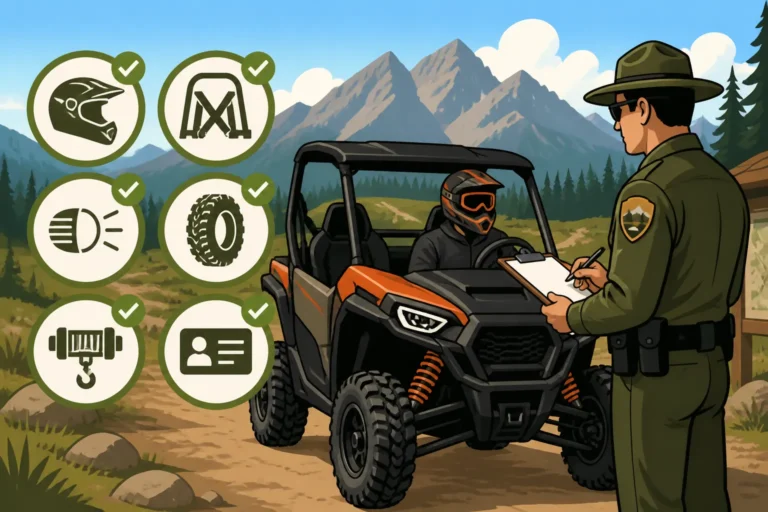
- Have documents ready: In addition to the ORV permit decal, drivers should have their valid driver's license (if operating an MPV on enrolled roads) and proof of insurance readily available. Your outfitting business should have its commercial operating permits in order as well.
- Know the machine's permit status: Guides should be able to quickly confirm that each machine in the group has its valid Wyoming ORV permit.
In the event of an issue, such as a missing decal or an expired permit, your guides should know the appropriate protocol. This might involve contacting your home base for assistance, knowing who to report to, and understanding the potential consequences. For example, [What a Wyoming Citation for an Expired Decal Costs] can be significant. By maintaining a meticulous record of all your machines and their permits, and by training your staff thoroughly, you can drastically reduce the likelihood of issues during inspections and ensure your outfitting business continues to thrive on Wyoming's incredible trails.
Disclaimer
This article is for general informational purposes only and does not constitute professional advice. Laws, prices and regulations vary by location and change over time. Consult a qualified professional for guidance on your specific situation.