Wyoming Permits for a Youth Machine
You’ve just bought your son or daughter their very first quad or dirt bike, perhaps a shiny new mini-UTV, and visions of family trail rides fill your head. But then the nagging question pops up: does this smaller, youth-specific machine really need a Wyoming ORV permit, just like the big rigs? It’s a common and completely valid confusion that many parents face, wondering if the same rules apply to a 90cc ATV as they do to a 1000cc side-by-side. This guide will walk you through everything you need to know about getting a Wyoming ORV permit for a youth machine, ensuring your little adventurer is ready for the Cowboy State's fantastic riding opportunities, all while staying on the right side of the law.
Why Even Youth Machines Need a Wyoming ORV Permit
It can feel a bit unfair, can't it? You've invested in a smaller, safer machine for your child, perhaps thinking it might fall into some special category, only to discover it needs the same permit as a massive utility vehicle. This sentiment is totally understandable, but understanding the rationale behind Wyoming's permit system can help make it less frustrating.
Understanding Wyoming's Universal Permit Rule
Wyoming takes a very straightforward approach to its off-road vehicle permitting: if it's an off-road vehicle and it's going to be ridden on designated public trails or areas, it needs a permit. There are no size exemptions, no horsepower waivers, and no special "kids' machine" loopholes. This can be a bit of a head-scratcher for parents who think a small 90cc quad, clearly designed for a younger rider, might be exempt. However, the law is pretty clear on this point, treating all off-road recreational vehicles equally when it comes to access to the public trail system.
The core reason behind this universal rule is funding. Every single dollar collected from a [Wyoming's Annual ORV Permit] goes directly back into the Wyoming Trails Program. This program is vital for maintaining, signing, and even expanding the very trails your kids will enjoy. When you purchase that permit, you're not just buying a sticker; you're directly contributing to the quality and longevity of the trail infrastructure across the state, from the Bighorns to the Snowy Range. Without these funds, the trails would quickly fall into disrepair, making for a less safe and enjoyable experience for everyone.
Imagine packing up the family, driving hours to a scenic riding spot, and getting all set up, only to have a warden politely inform you that your child's machine isn't permitted. It's a disheartening scenario that's easily avoidable. Wardens and land managers are out there to ensure compliance and support the trails program, and they do check for valid decals. A missing decal can not only ruin a day of riding but also lead to a citation, which is an expense and a headache no one wants.
No Special Exemptions for Smaller Vehicles
It's natural to assume that a pint-sized 50cc ATV, designed for the youngest of riders, might be treated differently than a full-sized machine. However, Wyoming law broadly defines what constitutes an off-road recreational vehicle, and these smaller machines absolutely fall under that umbrella. There simply isn't a specific carve-out or exemption for "youth-sized" or "mini" quads. The focus is on the type of vehicle and where it will be ridden, not its dimensions or target age group.
This means that whether you're loading up a massive 4×4 side-by-side or a small, single-cylinder dirt bike, the requirement for a Wyoming ORV permit remains exactly the same. The state aims for consistency in how it manages and funds its extensive network of trails, ensuring that all users contribute to the upkeep of the resource they are enjoying. This consistent approach simplifies enforcement and helps ensure stable funding for trail maintenance.
Furthermore, there isn't a "youth discount" or a tiered pricing structure based on engine size or machine type. When it comes to the permit fee, it’s [One Flat Permit Price, Whatever You Ride]. This makes the process straightforward, even if it might feel a little counterintuitive to pay the same amount for a small children's machine as for a powerful adult model. The uniform fee ensures that the trails program receives a predictable level of support from all ORV users.
Defining a Youth Machine for Permit Purposes
While the permit requirement is universal, it's still helpful to understand how youth machines fit into Wyoming's legal framework. It’s less about the specific age of the rider and more about the classification of the vehicle itself.
What Wyoming Considers an Off-Road Recreational Vehicle
Wyoming's statutes generally cast a wide net when defining off-road recreational vehicles, encompassing anything primarily designed for off-highway use. For youth machines, this typically includes smaller displacement ATVs (quads), mini dirt bikes, and even compact, youth-oriented side-by-sides. The key here isn't the rider's age, but rather the machine's intended purpose and design. If it's built to leave the paved roads and tackle dirt trails, open fields, or mountain passes, it's considered an ORV.
This broad definition helps avoid ambiguity. For instance, that small, electric quad you might have purchased for your elementary-aged child? If your plan is to take it out on any designated public lands – a BLM two-track, a Forest Service trail, or a state park OHV area – it will absolutely need a permit. It doesn't matter if it's electric or gas-powered, or how small its footprint might be. The defining characteristic for permit purposes is its ability and intent to operate off-highway on public property.
The classification is fairly straightforward: if the manufacturer markets it as an off-road vehicle, and it looks like an off-road vehicle, it’s going to be treated as one under Wyoming law for permitting. This clarity helps recreational riders understand their obligations, though it does mean parents need to be diligent about obtaining permits for all the family's machines that will see public trail use.
Age and Engine Size – Not Permit Factors
It’s crucial to distinguish between factors that influence who can ride a machine (like age) and where they can ride it (like designated trails), versus factors that determine whether the machine itself needs a permit. While age restrictions and engine size recommendations are absolutely vital for rider safety and legal operation on certain trails, they do not play a role in whether the machine requires a Wyoming ORV permit. The permit is solely about the vehicle's legal access to the public trail system.
Many manufacturers prominently label their products as "youth ATV" or "kids' dirt bike," often providing recommended age ranges and engine size limits (e.g., 90cc for ages 12+, 50cc for ages 6+). These guidelines are incredibly important for matching a child to an appropriate and safe machine, ensuring they have the strength, coordination, and maturity to handle it. However, from the state's perspective for permitting, these classifications are secondary to the fact that it is an off-road recreational vehicle.
Therefore, when you're thinking about permits, try to separate these ideas. Your focus for permitting should simply be: "Is this machine, regardless of its size or who will ride it, going to be used on public land in Wyoming?" If the answer is yes, then a permit is required. Don't let manufacturer age recommendations or engine size confuse the permit issue; the two requirements operate on different planes.
How to Secure a Wyoming Permit for Your Child's Machine
The good news is that getting a permit for a youth machine is just as simple and straightforward as getting one for an adult-sized vehicle. There are no special forms or different hoops to jump through. The process is designed to be accessible, allowing you to get your family on the trails quickly and legally.
The Simple Steps to Getting a Decal
Securing a Wyoming ORV permit for your child's machine follows the exact same process you'd use for any other off-road vehicle. You'll need some basic identifying information about the vehicle, most importantly its Vehicle Identification Number (VIN), along with its make and model. This ensures that the permit is correctly registered to that specific machine and can be easily verified by trail personnel.
Convenience is key, and Wyoming offers several ways to purchase a permit. Many parents find that [Buying a Wyoming Permit Online] is the easiest and most time-efficient method. You can fill out the necessary information, pay the fee, and have the decal mailed directly to your home. This is perfect for those busy family schedules, allowing you to take care of the paperwork without an extra trip out of the house. Just remember to allow a bit of time for mailing, especially if you have a specific trip planned.
Alternatively, if you prefer an in-person transaction or need a decal immediately, you have plenty of options across the state. Powersports dealerships often sell permits, as do county clerk offices and many Forest Service or BLM ranger stations. These [Where Wyoming Sells ORV Permits] locations are typically well-distributed, making it easy to find a vendor whether you're in a city or closer to a popular trail system. It's often the quickest way to get a decal in hand if you’re already out and about running errands.
What You'll Need and When to Buy
The process for obtaining the permit is generally quick and straightforward, but being prepared makes it even smoother. You'll definitely need the machine's Vehicle Identification Number (VIN), which is usually stamped on the frame in an easily accessible location. It's also a good idea to have some form of proof of ownership, like a bill of sale or a previous registration, especially if you're dealing with a used machine or there's any uncertainty about the VIN. Having these details ready will help ensure a seamless transaction, whether online or in person.
It's important to remember that all [Wyoming's Calendar-Year Permit] decals expire on December 31st, regardless of when you purchase them during the year. This means that if you buy a permit in, say, September or October, it will still expire at the end of December. Savvy riders often purchase their permits early in the year, or even in December for the upcoming year, to ensure they get a full season of use. Planning ahead prevents those last-minute rushes and potential permit-less rides.
If you’re purchasing a used youth machine, whether from a friend, a private seller, or a consignment lot, make sure you get a proper bill of sale. Even for smaller, less expensive quads, having clear documentation of the transaction is crucial. While Wyoming doesn't issue titles for most ORVs, a well-documented bill of sale protects you as the buyer and can be very helpful for permit registration, proving ownership, or even resale down the road. Services like LawDepot can provide excellent, legally sound templates if you're unsure how to draft one yourself, ensuring all the necessary details are covered.
Decal Placement and Visibility on Youth Machines
Once you have that shiny new permit decal in hand, the next step is to affix it to your child's machine. This isn't just about sticking it on any convenient surface; proper placement ensures that the permit is visible, compliant with state regulations, and durable enough to withstand the rigors of off-road riding.
Where the Decal Needs to Go
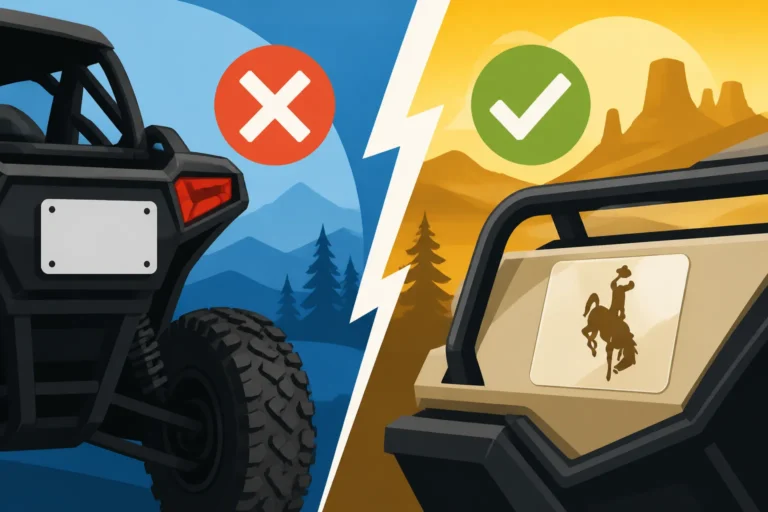
The rules for placing the Wyoming ORV permit decal are quite specific to ensure easy identification by law enforcement and trail personnel. The decal must be affixed to the left-front fork of the machine. For vehicles without traditional forks, such as many youth ATVs and side-by-sides, it needs to be placed in a readily visible location on the left-front of the vehicle. This means somewhere prominent, where it won't be easily obscured by handlebars, fenders, or other accessories.
The primary goal is for the decal to be easily spotted at a glance, without requiring a warden or trail manager to approach the machine too closely or ask your child to stop and point it out. Visibility is key. For a typical youth ATV, a flat, smooth area on the left-front fender or a prominent part of the side panel is usually a good choice. For a youth side-by-side, the front hood, a clean area near the driver's side headlight, or a visible spot on the driver's side front quarter panel are often ideal.
Before you apply the decal, make sure the surface is clean, dry, and free of any dirt, dust, or grease. This preparation is critical for [Sticking a Decal Where It Shows] and ensuring it adheres properly. A well-applied decal is less likely to peel, fade, or get lost during rough rides, saving you the hassle of needing a replacement. Take your time to pick a spot that meets the requirements and offers good longevity.
Ensuring Durability and Legibility
Youth machines, especially those ridden by energetic and adventurous kids, can endure a fair amount of abuse. Mud, dirt, dust, direct sunlight, and even accidental bumps or scrapes are all part of the fun. Unfortunately, these elements can also take a toll on your permit decal, causing it to peel, crack, or fade over time. To give your decal the best chance of survival, apply it to a very clean, dry, and smooth surface. After placement, firmly press down on the decal, perhaps with a squeegee or the edge of a credit card, to remove any air bubbles and ensure maximum adhesion.
It’s a good practice to periodically check the decal throughout the riding season. If it starts to become illegible, curled, or goes missing entirely, you’ll need to secure a replacement. Riding with an unreadable or missing decal is, in the eyes of the law, the same as riding without one, and it could lead to an unexpected citation from a trail warden. The cost of a replacement decal is minimal compared to the inconvenience and expense of a fine, so it’s worth being proactive.
As a backup plan, it’s always wise to keep a digital photo of your permit receipt on your phone, or a physical copy in a waterproof bag tucked away somewhere on the machine (if safe and accessible). While the physical decal is the required proof, having a receipt handy can sometimes help explain your situation to an officer, especially if you’re in the process of waiting for a replacement decal to arrive in the mail. It's a small step that can save a lot of potential headaches on the trail.
Important Riding Rules for Young Riders in Wyoming
Beyond just the permit for the machine, there are critical rules and guidelines regarding who can ride and how they must be supervised on Wyoming’s public lands. These regulations are in place specifically for the safety of young riders and to ensure an enjoyable experience for all trail users.
Age and Supervision Requirements on Public Lands
When it comes to putting a young rider on a machine on public lands in Wyoming, age and supervision are paramount. These aren't just polite suggestions; they are enforceable laws designed to protect children. Generally, riders under the age of 16 are required to be supervised by an adult when operating an ORV on designated public trails. This adult must be present and capable of providing guidance and intervention if needed.
It's also important to note that specific trail systems or land management agencies (like the Forest Service or BLM) might have additional, even stricter, rules or minimum age requirements for certain trails. Always, and I mean always, check the regulations for the particular riding area you plan to visit before you head out. Understanding [Wyoming Supervision Rules for Young Riders] is non-negotiable for a safe and legal family outing.
Furthermore, there can be varying [Wyoming Minimum Age to Ride Public Land] requirements, especially on more challenging or high-traffic trails. While a child might be perfectly capable of operating a small machine on private property under close supervision, public lands often have specific age gates to mitigate risks. It’s always best to consult the local rules and maps for Forest Service, BLM, or Wyoming State Parks lands before you load up the trailer, ensuring your child meets all the criteria for the chosen riding spot.
Safety Gear and Designated Routes
Regardless of a rider's age, safety gear is not optional; it's absolutely essential. In Wyoming, a key piece of legislation states that all riders under 18 years old are legally required to wear a helmet when operating an ORV. This is not merely a recommendation; it is a law designed to protect young lives. Even for adults, a properly fitting, DOT-approved helmet is always the smartest choice, drastically reducing the risk of serious head injury in the event of an accident. The [Wyoming Helmet Law for ATV Riders] is there for a reason, and adherence to it ensures compliance and safety.
Beyond just helmets, encourage all riders, especially children who are still honing their skills, to wear appropriate attire. This includes long pants, long-sleeved shirts, eye protection (goggles or a face shield), gloves, and sturdy over-the-ankle boots. These items provide crucial protection against scrapes, impacts, and debris, turning a potential injury into a minor inconvenience. Investing in good quality protective gear is just as important as maintaining the machine itself.
Finally, responsible riding also means teaching your kids the critical importance of staying on [Wyoming Rules for Riding a Designated Route]. Riding off-trail, especially in sensitive areas, can cause significant damage to fragile ecosystems, disturb wildlife habitats, and lead to erosion. Beyond the environmental impact, riding off-route is often illegal and can result in hefty fines. Instilling this respect for the land from a young age is a vital part of responsible off-road recreation, helping to preserve these beautiful areas for all users, including your own children, for many years to come.
Here’s a quick overview of some key rules regarding young riders in Wyoming:
| Rider Age | Public Land Riding Rules | Helmet Requirement | Driver's License/Endorsement | ORV Permit for Machine |
|---|---|---|---|---|
| Under 8 | Generally not permitted on designated trails; check local rules for specific areas. | Yes (if riding) | No | Yes |
| 8-15 | Must be supervised by an adult on designated trails. Specific areas may have additional rules. | Yes | No (on trails) | Yes |
| 16-17 | Can ride unsupervised on designated trails. | Yes | No (on trails) | Yes |
| 18+ | Can ride unsupervised on designated trails. | Recommended | No (on trails) | Yes |
You've got this! While it might seem like a bit of paperwork, getting your child's machine properly permitted is a crucial step towards countless hours of safe and legal fun on Wyoming's incredible trails. By understanding these rules and ensuring all your family's machines are compliant, you’re not only protecting your investment and avoiding fines, but also contributing directly to the maintenance and future of the very trails you cherish. So grab those permits, gear up, and get ready to create some unforgettable memories exploring the vast and beautiful landscape of the Cowboy State with your young riders!
Disclaimer
This article is for general informational purposes only and does not constitute professional advice. Laws, prices and regulations vary by location and change over time. Consult a qualified professional for guidance on your specific situation.