Which Machines Wyoming Counts as Off-Road Vehicles
It can be incredibly confusing trying to figure out if your beloved machine truly counts as an "Off-Road Vehicle" in the eyes of Wyoming law. Many riders assume they know, only to find themselves scratching their heads when faced with permit requirements or trail rules. This guide is here to untangle the specifics, helping you clearly understand which machines Wyoming officially classifies as ORVs and why that distinction is so critical for your riding adventures.
Decoding Wyoming's Off-Road Vehicle Definition
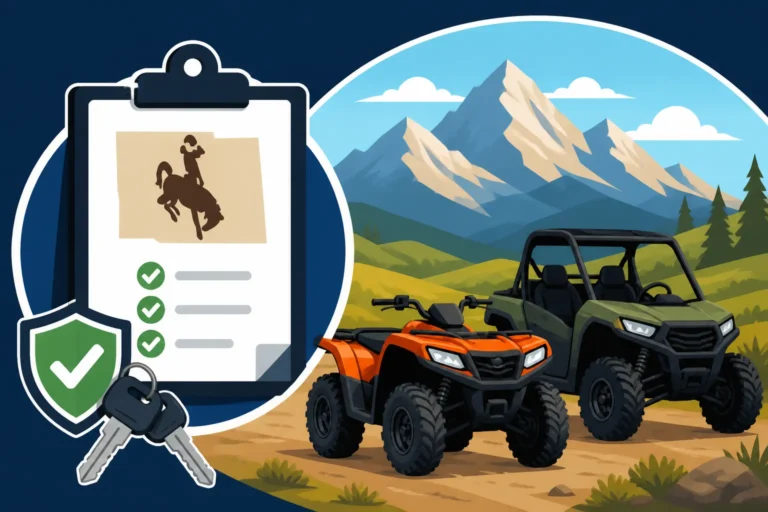
Wyoming's definition of an Off-Road Recreational Vehicle (ORV) is pretty comprehensive, designed to encompass a wide array of machines that aren't meant for traditional highway travel but are definitely used for recreation and access across the state's vast landscapes. It's not just about what it looks like; it's about its design, primary purpose, and where it's intended to be operated. Understanding this fundamental definition is your first step to legal and enjoyable riding in the Cowboy State.
The Broad Strokes: What the Law Says
At its heart, Wyoming law defines an off-road recreational vehicle as any motor vehicle that's designed to travel over unimproved terrain and that has been designated by the state's parks and cultural resources department as an ORV. This broad designation means that it covers far more than just your classic four-wheeled ATV. The key here is "unimproved terrain" – think dirt trails, rocky paths, sand dunes, and open country, not paved roads or highways. These machines are built with suspensions, tire types, and ground clearances specifically engineered for rugged environments.
Essentially, if it's got an engine, wheels or tracks, and is primarily meant for tearing up the backcountry for fun or access, chances are Wyoming sees it as an ORV. This applies whether you’re exploring the Bighorn Mountains, traversing the vast expanses of BLM land, or heading out for a weekend at the Killpecker Sand Dunes. The state has an interest in managing and maintaining these areas, and that starts with knowing what kinds of machines are using them. This is precisely why [Wyoming ORV Permits Explained] become a mandatory part of the equation for almost every off-highway machine you encounter.
The Not-Quite-a-Car Clause: Why It Matters
One of the biggest areas of confusion comes from machines that might look a bit like a car or truck, but fundamentally aren't. Many modern UTVs, with their steering wheels, bucket seats, and sometimes even enclosed cabs, can easily be mistaken for something more akin to a street-legal vehicle. However, the "not-quite-a-car" clause in Wyoming's ORV definition means that unless a machine has been specifically modified and registered as a Multipurpose Vehicle (MPV), it's still considered an ORV. This means it lacks the factory-standard safety and lighting equipment required for general street use, like turn signals, specific mirrors, and DOT-approved tires.
This distinction is crucial because it governs everything from where you can ride to what kind of permit you need. People often mistakenly believe that because their side-by-side has some road-like features, it can be driven on public roads without further ado. This is a common pitfall that can lead to unexpected fines. Wyoming differentiates between a machine designed for pure off-road recreation and one that has undergone the rigorous process to become street-legal as an MPV. Without that specific MPV registration, your capable off-roader remains an ORV, and you’ll need the appropriate ORV permit for public land use.
Common ORV Types and Their Wyoming Status
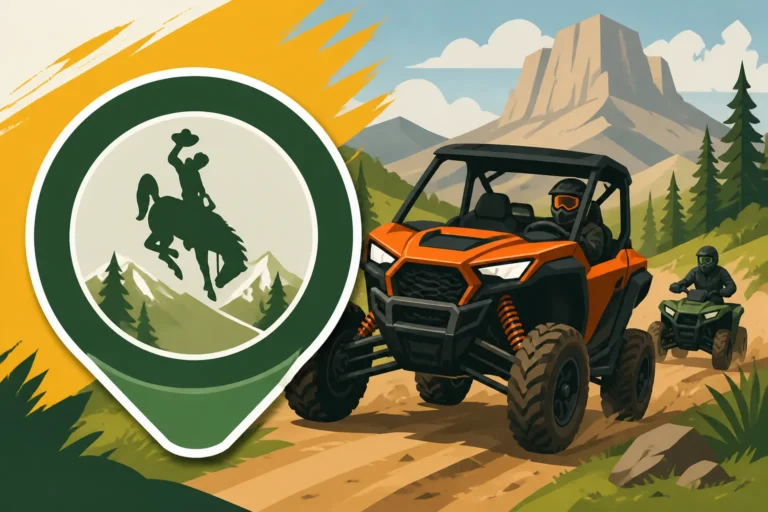
When you hit the trails in Wyoming, you'll see a huge variety of off-road machines. While they all offer different riding experiences, many of them share the common classification of being an Off-Road Recreational Vehicle (ORV) in the state's eyes. It's helpful to understand which types of machines are almost universally considered ORVs, as this will directly impact your permit and registration needs.
All-Terrain Vehicles (ATVs) – The Classic Quads
The ATV, or quad as it's often called, is perhaps the quintessential off-road vehicle. These machines are typically designed for a single rider, featuring a straddle seat, handlebar steering, and generally four low-pressure tires. From utility ATVs used for ranch work to high-performance sport quads built for speed and agility on the dunes, they all fall squarely under Wyoming's ORV definition when used for recreation. There's no distinction in the ORV permit system between a 90cc youth quad and a powerful utility machine; they all require the same permit when ridden on designated public lands.
Riders from other states often expect that smaller or less powerful ATVs might be exempt, especially for younger riders, but Wyoming's rules are clear. If it's an ATV, and it's being ridden on state-enrolled trails or public lands, it needs an ORV permit. This also extends to those buying a first machine for a child. When you’re looking at that shiny new youth quad, remember that a permit is part of the package before you even leave the driveway for the local trails. [Wyoming Permits for a Youth Machine] covers this in more detail.
Utility Terrain Vehicles (UTVs) – Side-by-Sides and More
UTVs, more commonly known as side-by-sides, have exploded in popularity for their versatility, passenger capacity, and often more comfortable, car-like amenities. These machines typically feature a steering wheel, bucket seats (often for two or more passengers seated side-by-side), and a cargo bed. Despite their larger size and often more enclosed appearance, UTVs are firmly categorized as ORVs in Wyoming. Just like ATVs, if a UTV is designed for off-highway travel and recreational use, it requires an ORV permit for public land.
The confusion here often arises because many UTVs are capable of being converted into Multipurpose Vehicles (MPVs), which can be street legal. However, fresh off the dealer lot or without those specific modifications and separate registration, your side-by-side is an ORV. Whether you’re hauling gear for a hunting trip, exploring scenic byways with family, or tackling technical trails, your UTV will need that distinctive Wyoming ORV decal. Many riders appreciate the capability of a UTV for longer excursions, and understanding its classification helps ensure those trips are legal and hassle-free. [Wyoming Permits for a Side-by-Side] offers further insights into the specific requirements for these popular machines.
Dirt Bikes and Off-Road Motorcycles
It might seem obvious, but sometimes riders forget that two-wheeled machines designed for off-road use are also unequivocally considered Off-Road Recreational Vehicles in Wyoming. Dirt bikes, enduro bikes, and other off-road motorcycles that are not street-legal (meaning they don't have plates, turn signals, mirrors, etc., for highway use) fall under the ORV umbrella. Just like their four-wheeled counterparts, these machines are built for unimproved terrain and require an ORV permit to access Wyoming's vast network of designated trails and riding areas.
Whether you're hitting the single-track trails in the Shoshone National Forest or exploring fire roads in the Medicine Bow, your dirt bike needs the proper Wyoming ORV permit. The state makes no distinction between an off-road motorcycle and an ATV or UTV when it comes to the ORV permit requirement. It’s all about protecting and funding the trail system for everyone. So, before you load up your trusty two-wheeler for an epic ride, make sure that ORV permit is secured and properly displayed. [Wyoming ORV Permit for a Dirt Bike] provides specific guidance for these machines.
The Gray Areas and Exclusions: What Isn't an ORV?
While Wyoming's ORV definition is broad, it doesn't cover absolutely every motorized machine you might encounter off the pavement. There are specific categories of vehicles that, despite often being used in off-road environments, are treated differently under state law. Understanding these distinctions is just as important as knowing what is an ORV, as it will determine whether you need an ORV permit or a different kind of registration altogether.
Snowmobiles and Their Special Status
Snowmobiles are arguably the quintessential off-road recreational vehicle during Wyoming's long winters, but they have their own distinct classification and permitting system. Despite operating exclusively on unimproved, often snow-covered, terrain, snowmobiles are not considered ORVs under the same definition that applies to ATVs and UTVs. Instead, they fall under specific snowmobile laws and require a separate Wyoming snowmobile registration decal. You cannot use an ORV permit to ride a snowmobile, and vice-versa.
This distinction is important because the fees collected from snowmobile registrations go into a dedicated fund for snowmobile trail grooming and maintenance, separate from the ORV trails program. So, if you're planning on hitting the epic powder of the Continental Divide or exploring the vast backcountry near Togwotee Pass, you'll need to ensure your machine is properly registered as a snowmobile, not an ORV. It's a common point of confusion for riders who enjoy both summer and winter motorized recreation. [Wyoming ORV Permit for a Snow Machine] is a useful resource for understanding the nuances here.
Multipurpose Vehicles (MPVs) – The Road-Legal Crossover
This is perhaps the most significant "gray area" and one that riders often misunderstand. A Multipurpose Vehicle (MPV) in Wyoming is a specific class of vehicle that allows certain ORVs, typically side-by-sides, to become street-legal and travel on designated public roads. However, for a machine to be classified as an MPV, it must meet very strict criteria, including minimum and maximum weight limits, specific seat height requirements, and the addition of mandated road-legal equipment like turn signals, headlights, taillights, mirrors, and a horn.
Once a machine successfully meets the MPV criteria, is inspected, titled, and plated by the county, it transitions from being solely an ORV to an MPV. This means it's no longer just relying on an ORV permit; it's now a titled and registered road vehicle, albeit with restrictions on where it can operate. This is the path to [Street Legal ATVs in Wyoming: The Short Answer] – they become MPVs, not just ORVs with an extra sticker. If you own a UTV and dream of riding it from your campsite directly into town for supplies, understanding the MPV classification is absolutely paramount. [Wyoming's Multipurpose Vehicle Class] and [Titling a Multipurpose Vehicle in Wyoming] delve into the detailed process for achieving this status. Unlike a pure ORV, an MPV will need [Wyoming MPV Plate Requirements] along with a title from your county clerk.
Farm, Ranch, and Construction Equipment
Wyoming recognizes that many machines, like utility UTVs, small tractors, or even modified ATVs, are primarily used for agricultural, ranching, construction, or industrial purposes on private land. Generally, if a machine is solely used for these non-recreational purposes on private property, it may not require an ORV permit. The state's intent with the ORV permit is to fund the maintenance and management of public recreational trails.
However, the moment that same ranch UTV or utility ATV is taken off the private property and used for recreational riding on designated public lands – even if it's just for a joyride after the chores are done – it then falls under the ORV definition and requires a permit. This can be a point of contention for ranchers or landowners who view their machines purely as tools, but the rules are clear regarding public land access. If you have a ranch machine that occasionally sees public trail use, it's wise to get that ORV permit. [Does a Ranch-Only Quad Need a Wyoming Permit?] explores this specific scenario in depth, providing clarity for those working and playing in the Cowboy State.
Why This Definition Matters: Permits, Titles, and Trails
Understanding whether your machine is classified as an Off-Road Vehicle (ORV) in Wyoming isn't just about semantics; it has direct, tangible impacts on how, where, and when you can ride. This classification governs everything from the permits you're required to purchase to the type of ownership documentation you'll possess, and even dictates where your wheels can legally tread. Ignoring these distinctions can lead to fines, confusion, and a less enjoyable riding experience.
The Crucial Role of the ORV Permit
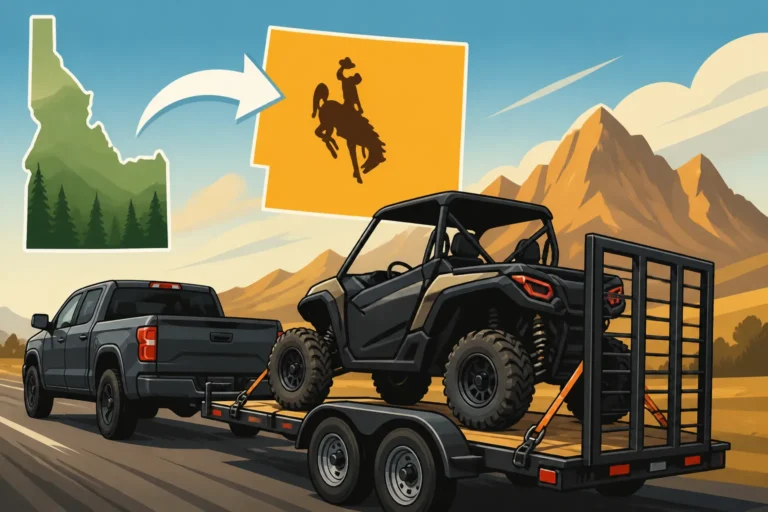
Once your machine is recognized as an ORV in Wyoming, the most immediate consequence is the requirement for an annual ORV permit. This permit, displayed prominently as a decal on your machine, is your ticket to legally access the state's vast network of designated public trails, routes, and open riding areas, whether they're on Forest Service, BLM, or State Parks land. The frustration for many out-of-state riders often stems from Wyoming's lack of reciprocity; a permit from Montana, Colorado, or Utah simply doesn't cut it here.
Wyoming's stance is that every machine, resident or nonresident, using its public ORV system must contribute to its upkeep. This means if you're visiting from out of state with your trusty quad, you'll still need to purchase a Wyoming ORV permit before you hit the dirt. [Wyoming ORV Permit for Nonresidents] explains this in detail, helping visitors understand why [Why Wyoming Honors No Other State's Registration] is a firm rule. The money generated from these permits is absolutely crucial. It's allocated directly back into the [Where Wyoming ORV Permit Money Goes], funding everything from trail maintenance and signage to staging area development and educational programs, ensuring the trails remain open and enjoyable for all riders.
Titling and Ownership: What an ORV Needs (and Doesn't)
Another significant difference tied to the ORV definition is how ownership is documented. In many states, all motorized vehicles, regardless of whether they're street legal or not, require a title. However, in Wyoming, most purely off-road recreational vehicles – your typical ATVs and UTVs – do not require a state-issued title. This often catches new buyers, especially those moving from other states, by surprise and can cause confusion during private sales. [Why No Title for an Off-Road Machine in Wyoming] explains the rationale behind this.
This lack of a formal title for many ORVs means that other documents become paramount for proving ownership. A clear and comprehensive bill of sale is critical for any private transaction involving an ORV. It acts as your primary proof of purchase and can be essential for resolving any future ownership disputes. For this purpose, using a reliable template is highly advisable. Companies like LawDepot offer templates for a [A Wyoming Bill of Sale for an ATV] that can help you document your purchase accurately. While an ORV permit confirms your right to ride on public land, a solid bill of sale confirms you legitimately own the machine itself. The exception, of course, is if your machine has been converted and registered as an MPV, in which case it will receive a Wyoming title and plates.
Riding Areas and Restrictions
Finally, the ORV classification directly influences where you are permitted to ride. Wyoming maintains an extensive system of designated ORV trails and routes, and generally, ORVs are restricted to these areas. This is part of the state's effort to manage natural resources, minimize environmental impact, and reduce conflicts with other land users. Knowing your machine is an ORV means you understand that you need to stick to these marked routes.
This is particularly relevant when considering the size and type of your machine. For instance, some narrow trails might have width restrictions that larger side-by-sides cannot legally access, even though they are clearly ORVs. Understanding the ORV definition primes you to seek out [Wyoming's Enrolled Roads and Trails] and consult up-to-date travel management maps from the Forest Service or BLM. These maps will clearly mark which roads and trails are open to ORV use and any specific restrictions that apply. Staying informed about your machine's classification and the rules that come with it ensures you're a responsible rider, helping to preserve access for everyone.
| Feature / Vehicle Type | Off-Road Vehicle (ORV) | Multipurpose Vehicle (MPV) | Snowmobile |
|---|---|---|---|
| Primary Use | Off-highway recreation | Limited road use, then off-highway | Winter snow recreation |
| Wyoming Permit/Reg. | ORV Permit Decal (Annual) | MPV Title & Plates (Annual) | Snowmobile Decal (Annual) |
| Street Legal? | No | Yes, with restrictions | No |
| Titling Required? | No (Bill of Sale is key) | Yes | No (Bill of Sale is key) |
| Common Examples | ATVs, UTVs (standard), Dirt Bikes | Modified UTVs (meeting specific criteria) | All Snowmobiles |
| Key Equipment | Spark arrestor, muffler | Full road-legal equipment (lights, horn, mirrors, etc.) | Specific lighting, often no spark arrestor |
| Trail Access | Designated ORV trails/roads | Designated ORV trails/roads & enrolled public roads | Designated Snowmobile trails/areas |
| Reciprocity | No (Wyoming permit always required) | Varies by state for road use | No (Wyoming permit always required) |
Conclusion
Navigating the world of Wyoming's off-road vehicle classifications might seem a little daunting at first, but understanding whether your machine truly counts as an Off-Road Vehicle (ORV) is foundational for every rider. It's the key that unlocks legal access to the state's incredible landscapes, ensuring you have the right permits, the proper documentation, and a clear understanding of where you can and cannot ride. Taking the time to grasp these definitions not only protects you from potential fines but also contributes to the responsible enjoyment and preservation of Wyoming's cherished outdoor recreation opportunities. Always consult the latest official Wyoming State Parks, Trails and Cultural Resources Department guidance to keep your information current and your adventures worry-free.
Disclaimer
This article is for general informational purposes only and does not constitute professional advice. Laws, prices and regulations vary by location and change over time. Consult a qualified professional for guidance on your specific situation.