What a Warden Checks at a Trailhead
It's a familiar scenario for many of us who love hitting the trails in Wyoming: you're having a fantastic ride, enjoying the wide-open spaces and the thrill of your machine, when suddenly, up ahead, you spot a uniformed figure. A warden. Your stomach might do a little flip-flop, even if you know you're doing everything right. What exactly are they looking for? What should you have ready? This guide is designed to demystify those trailhead encounters, walking you through everything a warden might check to ensure you're riding safely, legally, and responsibly on Wyoming's incredible network of off-road trails.
The Basics: Why Wardens Are Out There and What They're Looking For
When you see a warden, whether it's a Forest Service ranger, a BLM officer, a Wyoming Game and Fish warden, or a local sheriff's deputy, remember they're not usually out to spoil your fun. Their primary goal is to ensure the safety of all recreationists, protect our precious natural resources, and uphold the laws that keep our trails open for everyone. They're often passionate outdoorspeople themselves, and their presence is about maintaining order and preventing issues before they start.
Who Are These Wardens, Anyway?
You might encounter a few different types of law enforcement or authorized personnel on Wyoming's trails. Each agency has its specific jurisdiction, but they all share common ground when it comes to ORV compliance. For instance, a Forest Service Law Enforcement Officer primarily patrols National Forests, enforcing federal regulations as well as state laws through cooperative agreements. Similarly, a BLM Ranger covers Bureau of Land Management lands, which make up a huge portion of Wyoming's rideable territory.
Then you have Wyoming Game and Fish wardens, who focus on wildlife and habitat protection but are also authorized to enforce ORV laws, especially in areas frequented by hunters or near sensitive ecosystems. Finally, local county sheriffs and state park rangers might also be out on the trails, ensuring public safety and compliance within their respective areas. While their uniforms might differ, their questions about your machine's registration and your riding behavior will be largely consistent.
The Core Mission: Safety, Compliance, and Resource Protection
At its heart, a warden's mission boils down to three key areas. First, safety. This means checking for proper safety gear, ensuring machines are operated responsibly, and sometimes looking for signs of impaired riding. They want to prevent accidents and keep everyone on the trail safe. Second, compliance with state and federal regulations. This is where your permits, registrations, and adherence to designated routes come into play. They're making sure you've done your part to legally access and enjoy the public lands.
Finally, resource protection is paramount. Our trails, wildlife, and natural landscapes are fragile. Wardens work to prevent environmental damage from off-trail riding, littering, or other irresponsible actions. They ensure that future generations can enjoy the same breathtaking scenery and thrilling rides that we do today. Understanding these core objectives can help you approach any interaction with a warden with confidence, knowing that you're both working toward the same goal of preserving our outdoor heritage.
Your Machine's Paperwork: Decals, Licenses, and More
This is often the first thing a warden will want to see. Just like driving a car on the road, operating an ORV on public land in Wyoming comes with certain documentation requirements. Having everything in order makes the interaction quick and painless, allowing you to get back to your ride.
The All-Important Wyoming ORV Permit Decal
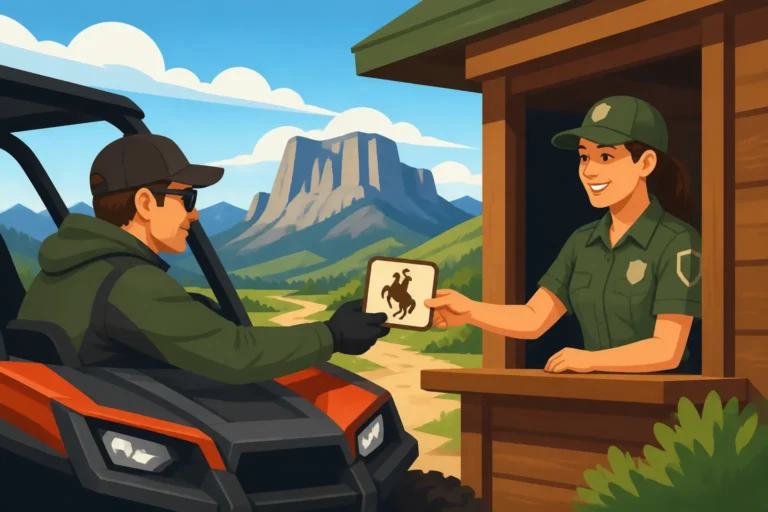
Without a doubt, the single most common item a warden will check for is your current Wyoming ORV Permit decal. This small sticker is your ticket to ride on Wyoming's designated trails and public lands. It’s a calendar-year permit, meaning it expires on December 31st, regardless of when you purchased it. If you're out riding on January 1st, you'll need a fresh one! The warden will look for this decal to be properly affixed to your machine, usually on the left-rear fender or another clearly visible spot as outlined in the regulations.
Wyoming does not honor out-of-state ORV registrations, which can sometimes catch visitors off guard. Even if you have a valid permit from Montana, Colorado, or Utah, you'll still need a Wyoming decal to ride here. This uniform requirement ensures that all trail users contribute to the maintenance and development of Wyoming's extensive trail system. You can purchase these decals at various locations, including many powersports dealers, county treasurer offices, and even online through the Wyoming State Parks, Historic Sites & Trails website. [Where Wyoming Sells ORV Permits] is a good resource if you're not sure where to find one. The warden's job is to make sure that investment in our trails is supported by everyone who uses them.
Proof of Ownership and Other Key Documents
While the ORV permit decal is crucial, a warden might also ask for proof of ownership for your machine, especially if something seems amiss or if they're investigating a potential issue like a stolen vehicle. For most ATVs and UTVs in Wyoming, there isn't a traditional title like you'd get for a car. This can sometimes confuse people, but it's important to understand the system. Generally, proof of ownership might include a bill of sale, a previous registration from another state (even if it's not valid for riding, it proves ownership), or even a dealer invoice.
If you've bought a used machine, having a clear, signed bill of sale is incredibly important. You can find generic bill of sale templates through services like LawDepot, which can help ensure all the necessary details are captured, protecting both buyer and seller. While a warden might not ask to see your LawDepot-generated document specifically, having clear, organized paperwork at hand demonstrates responsible ownership and can quickly clear up any questions about who owns the machine. It’s always a good idea to keep a copy of these documents, perhaps a laminated version or a clear photo on your phone, along with your driver's license, in a waterproof bag on your machine. This way, if questions arise, you're prepared.
Driver's License and Age Requirements
Just like driving a car, operating an ORV on public land in Wyoming requires some level of licensing or supervision, depending on your age. For anyone driving an ORV on designated public trails, a valid driver's license (or a learner's permit with proper supervision) is typically required. Wardens will check this to ensure you're legally authorized to operate a motorized vehicle.
For younger riders, the rules can be a bit more nuanced. In Wyoming, riders under the age of 16 must be supervised by an adult at least 18 years old when operating an ORV on public land. There are also specific rules about the age at which a child can operate certain types of machines. A warden might inquire about a young rider's age and their supervisory adult to ensure compliance with these safety regulations. It’s all about making sure that riders, especially our youth, are operating machines safely and with appropriate guidance. Having a copy of your license and being aware of the age rules for any passengers or younger riders in your group will ensure a smooth interaction. For more details, you might check [Wyoming Minimum Age to Ride Public Land].
Machine Requirements: Safety Gear and Trail Etiquette
Beyond paperwork, wardens are also keenly interested in the condition of your machine and how you're using it. This covers everything from the safety equipment you have (or don't have) to the modifications you might have made to your exhaust.
Essential Safety Equipment for Riders and Machines
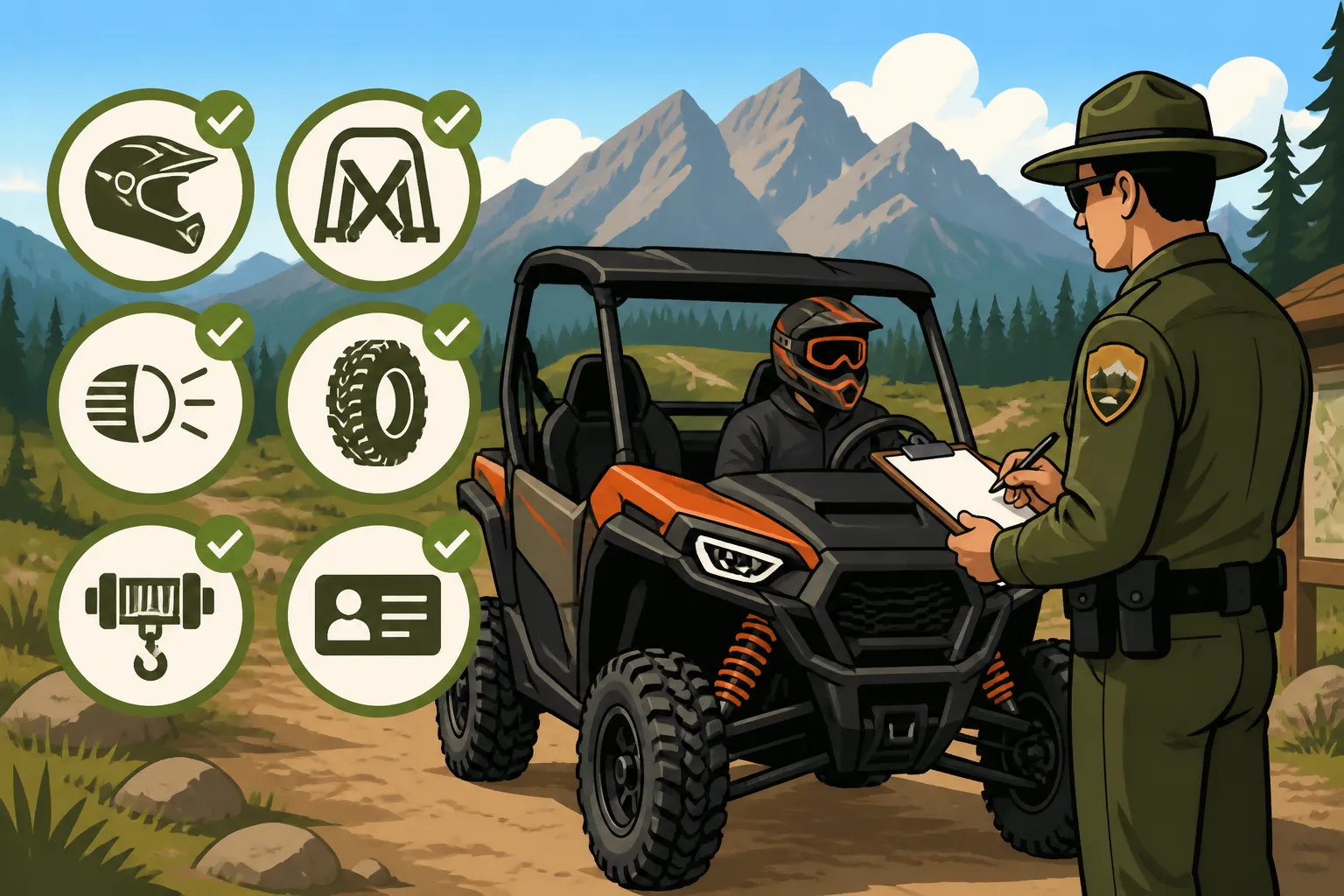
When a warden stops you, they're not just checking your documents; they're also doing a quick visual inspection of your machine and your gear. For riders, while Wyoming doesn't have a universal helmet law for all ATV/UTV use, it's highly recommended, and often required for riders under a certain age (e.g., under 18 on a road-legal MPV). However, many riding areas or specific trails might have their own helmet recommendations or rules. Eye protection, sturdy boots, long pants, and gloves are always smart choices, demonstrating a commitment to safety that wardens appreciate.
For the machine itself, essential items often include working headlights and taillights, a functioning brake system, and a spark arrester. Spark arresters are critical for preventing wildfires, especially in dry Wyoming conditions, and their presence and functionality will definitely be checked. A well-maintained machine shows respect for the trails and other users. Consider it a quick safety check, both for you and for the environment.
Sound Limits and Spark Arresters
Wyoming takes noise pollution and fire prevention seriously, especially on its public lands. Wardens will often pay attention to how loud your machine is. Excessive noise can disturb wildlife, other recreationists, and nearby residents. While specific decibel limits can vary, the general rule is to keep your machine's exhaust system stock or fitted with an aftermarket system that meets sound regulations. If your machine is roaring across the landscape, it’s going to draw attention, and not the good kind.
Even more critical is the spark arrester. This is a device fitted to the exhaust system that prevents hot carbon particles from escaping and potentially starting a fire. Every ORV operated on public lands in Wyoming must be equipped with a U.S. Forest Service approved spark arrester that is in good working order. A warden will often visually inspect this or ask if your machine has one. Riding without a functioning spark arrester is not only illegal but incredibly irresponsible and can lead to hefty fines, as well as being the cause of devastating wildfires. This is one check you absolutely do not want to fail. For more information on this vital piece of equipment, look up [Spark Arresters on Wyoming Trails].
Staying on Designated Routes and Respecting the Land
Perhaps one of the most significant things a warden observes, even before they stop you, is your riding behavior. Are you staying on marked, designated trails? Or are you cutting new tracks through meadows, riding up creek beds, or venturing into areas clearly marked as closed? Wyoming’s public lands operate under a "Travel Management Rule," which means you are generally only allowed to ride on routes that are specifically signed and designated open for your type of vehicle.
Wardens are vigilant about off-trail riding, as it causes irreparable damage to fragile ecosystems, disturbs wildlife, and can lead to soil erosion. A quick way to get yourself into trouble is to ignore "No Trespassing" signs or venture into wilderness areas or critical wildlife habitats. Familiarize yourself with the local Motor Vehicle Use Maps (MVUMs) for Forest Service and BLM lands; these maps clearly show which routes are open to ORVs. Respecting these boundaries is not just about avoiding a ticket; it's about being a responsible land steward and ensuring these beautiful areas remain open for future use. [Wyoming Rules for Riding a Designated Route] provides further insights.
Common Mistakes That Lead to a Chat with a Warden (And How to Avoid Them)
While most interactions with wardens are friendly and brief, certain oversights can quickly turn a casual stop into a citation. Knowing what these common pitfalls are can help you avoid them entirely.
Riding Without the Current Decal
This is by far the most frequent reason riders get stopped and ticketed. Forgetting to renew your [Wyoming's Annual ORV Permit] or assuming an expired permit from last year will suffice is a common, yet easily avoidable, mistake. The warden will typically check for the current year's decal, which is distinct in color and design each year. If you're riding with [Riding With Last Year's Decal], you're operating illegally.
The penalties for riding without a current Wyoming ORV permit can range from a warning to a substantial fine, depending on the officer's discretion and the circumstances. It's a simple fix: make sure you have your new decal before you head out, especially after the new year begins. Keep a clear photo of your permit purchase receipt on your phone or a physical copy in your wallet until your physical decal arrives, just in case you're stopped shortly after purchasing it. This demonstrates good faith and might save you a headache.
Deviating From Marked Trails
As mentioned earlier, riding off designated trails is a major no-no in Wyoming and is something wardens are trained to spot. This isn't just about protecting the environment; it's also about preventing conflicts with landowners (especially on section lines or near private property) and ensuring rider safety by keeping you on routes deemed safe and appropriate for ORVs. Wardens will be on the lookout for fresh tracks leading away from established routes, or machines in areas known to be closed or sensitive.
The consequences of riding off-trail can be severe, including significant fines and potential charges for resource damage. It's not worth the risk. Always consult the appropriate MVUMs or local signage, and when in doubt, stick to clearly marked routes. If you come across a gate, especially on private property or a grazing lease, always assume it's there for a reason and respect it. If you open it to pass through (and have permission to be there), make sure to close it behind you. LawDepot can assist landowners with drawing up clear access agreements if you're ever dealing with crossing private land, making sure everyone is on the same page.
Alcohol and Impaired Riding
Just like driving a car, operating an ORV under the influence of alcohol or drugs is illegal and extremely dangerous. Wardens are always vigilant for signs of impaired riding, which can include erratic driving, slurred speech, or the smell of alcohol. Riding while impaired not only puts your own life at risk but also endangers passengers, other trail users, and even wildlife. Wyoming has strict DUI laws that apply to ORV operators, and wardens will not hesitate to enforce them.
If a warden suspects you are impaired, they will conduct a sobriety check, just as a police officer would on the road. The penalties for an ORV DUI can be just as severe as a vehicle DUI, including heavy fines, loss of driving privileges, and even jail time. The vast majority of ORV riders are responsible, but it's crucial to remember that the same rules of safe and sober operation apply on the trail as they do on the highway. Enjoy your ride, but do so responsibly and without impairment.
Summary of Common Warden Checks
Here's a quick reference table outlining the most common items a warden might check at a Wyoming trailhead:
| Item Checked | What the Warden Looks For | Rider's Responsibility |
|---|---|---|
| Wyoming ORV Permit Decal | Current year's decal, properly affixed and visible. | Purchase and display a valid Wyoming ORV Permit before riding on public lands. |
| Driver's License/ID | Valid driver's license for operators (or proper supervision for minors). | Carry your current driver's license. Be aware of age restrictions for young riders and supervision requirements. |
| Proof of Ownership | Bill of sale, previous registration, or dealer invoice. | Keep copies of ownership documents (e.g., a LawDepot-generated bill of sale) in a waterproof bag. |
| Spark Arrester | USFS-approved, functional spark arrester on the exhaust. | Ensure your machine has a functioning, approved spark arrester. Regular maintenance is key. |
| Muffler/Sound | Machine operating within reasonable noise limits, no excessive modifications. | Keep your exhaust system stock or use an aftermarket system that meets sound regulations. Avoid tampering with mufflers. |
| Safety Equipment | Basic safety gear (e.g., helmet, eye protection) and working lights/brakes. | Wear appropriate safety gear. Ensure headlights, taillights, and brakes are in good working order. |
| Riding Behavior | Staying on designated trails, respecting closures, no signs of impairment. | Consult MVUMs, obey all signage, and never ride off-trail or in closed areas. Never operate an ORV under the influence of alcohol or drugs. |
Always remember that these wardens are working to keep the trails safe and enjoyable for everyone. A friendly, cooperative attitude goes a long way. Having your paperwork in order, your machine in good shape, and a commitment to responsible riding makes any encounter a brief, positive one, leaving you more time to enjoy Wyoming's breathtaking backcountry.
Disclaimer
This article is for general informational purposes only and does not constitute professional advice. Laws, prices and regulations vary by location and change over time. Consult a qualified professional for guidance on your specific situation.