Buying a Decal at a Ranger Station
It can be incredibly frustrating to plan an exciting off-road adventure in Wyoming, only to realize you haven't sorted out the necessary permits. You don't want to get all the way to a trailhead and find yourself without the required decal, risking a fine or having to turn back. This guide is here to walk you through the straightforward process of purchasing your Wyoming ORV decal directly from a ranger station, ensuring you're fully prepared for your outdoor escapades.
The Convenience of a Ranger Station Permit
When you're out exploring the vast landscapes of Wyoming, hitting up a local ranger station to secure your ORV permit often just makes sense. These stations are typically located closer to the action, sometimes even right on the edge of the public lands you plan to ride. It’s a practical, on-the-ground solution that can save you a lot of hassle compared to trying to figure things out last minute.
Why a Ranger Station?
Think about it: who better to get your riding permit from than the very people who manage and protect the trails you're eager to explore? Ranger stations, often part of the U.S. Forest Service or Bureau of Land Management (BLM), are not just places to buy permits; they're hubs of local knowledge. The staff there are intimately familiar with the specific regulations, trail conditions, and any temporary closures that might impact your ride. This direct connection means you're getting the most current and accurate information available, sometimes even a heads-up about a recent mudslide or a particularly scenic bypass.
Another huge benefit is accessibility. While you can certainly buy permits online or from other vendors, a ranger station often fits perfectly into your travel plans if you're already passing through a gateway town to a national forest or BLM land. It's often more personal than an online transaction and offers immediate gratification—you walk in, get your decal, and you're ready to hit the dirt. Plus, your purchase directly supports the local management of these incredible public lands, which is a nice feeling.
What to Expect When You Arrive
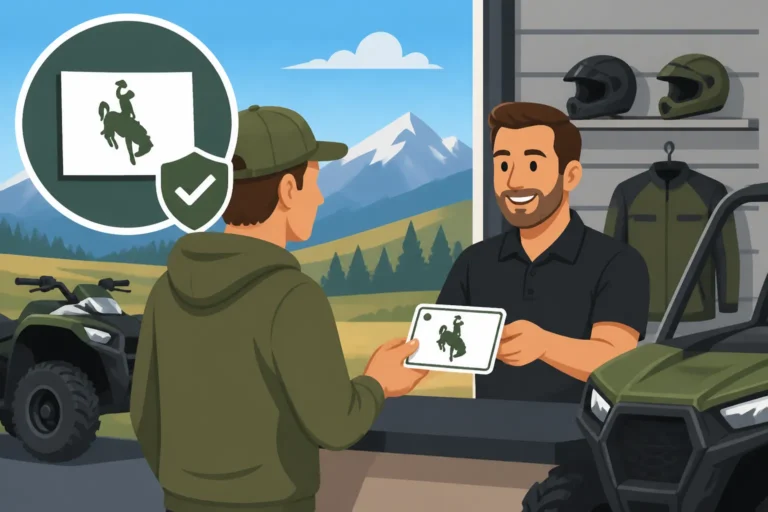
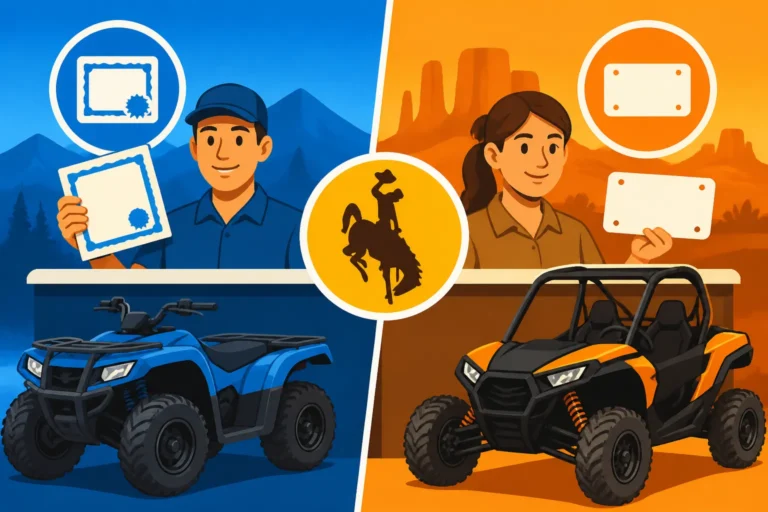
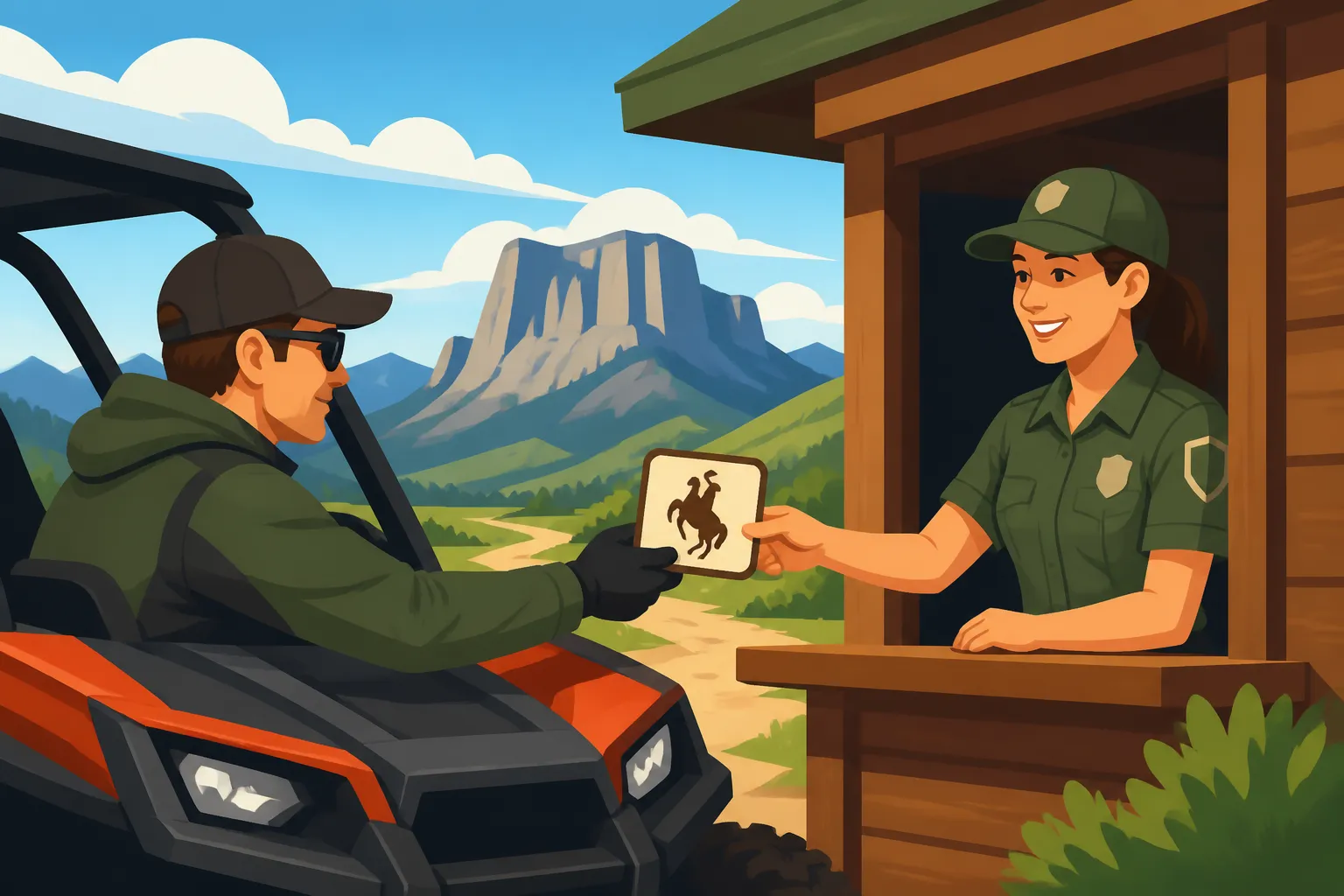
Walking into a ranger station to get your decal is generally a very smooth process. You’ll usually be greeted by friendly staff who are well-versed in ORV regulations. You'll simply let them know you're there to purchase a Wyoming ORV decal. They'll likely hand you a simple form to fill out, asking for basic information about your off-road vehicle, such as the make, model, year, and vehicle identification number (VIN). This isn't a complex registration process like titling a vehicle; it's more about identifying the machine that will display the decal.
Once your form is complete, you'll pay the required fee. Remember, [Wyoming ORV Permit Cost] is a flat rate for everyone, whether you're a Wyoming resident or [Wyoming ORV Permit for Nonresidents]. After payment, they’ll issue you the physical decal right there on the spot. It’s quick, efficient, and usually takes just a few minutes, allowing you to get back on the road and head to your riding destination without delay. It’s also a good opportunity to ask any last-minute questions you might have about the local area.
Essential Information for Your Visit
To make your trip to the ranger station as efficient as possible, it's a good idea to arrive prepared. Having the right documents and knowing a few key details about the permit itself can save you time and prevent any unnecessary hiccups.
What You'll Need to Bring
Before you head out, gather a few items to ensure a seamless transaction. First and foremost, you'll need details about your off-road vehicle. While you usually don't need to bring the machine itself to the ranger station, having its VIN, make, model, and year written down or readily available (perhaps from your insurance card or title document) is crucial. Some folks even keep a copy of their bill of sale or other ownership records handy, just in case, though it's rarely required specifically for the decal purchase. If you've just bought a machine, services like LawDepot can assist you in creating a comprehensive bill of sale, ensuring all your ownership documents are in order for future needs.
Next, you’ll need a valid form of identification, typically a driver's license or state ID. This is standard procedure for most official transactions. Finally, be ready to pay the permit fee. Ranger stations usually accept cash, checks, and often credit or debit cards, but it’s always smart to have a couple of options available, especially if you’re heading to a more remote location where connectivity might be spotty. It’s always best to check their accepted payment methods if you’re concerned, though most modern stations are equipped for various payment types.
Understanding the Wyoming ORV Permit
The Wyoming ORV permit isn't just a sticker; it's your ticket to legal riding on designated public lands across the state. It's important to understand a few key things about it. First, it’s a [Wyoming's Calendar-Year Permit], meaning it's valid from January 1st through December 31st, regardless of when you purchase it. So, if you buy it in July, it still expires on December 31st of that same year. This makes it straightforward, but also means planning your purchase relative to the riding season. [How Long a Wyoming ORV Permit Lasts] is always until the end of the calendar year.
Secondly, this decal is required for nearly all off-road vehicles—ATVs, UTVs, dirt bikes, and even some snow machines—when operating on designated routes and trails within Wyoming's public lands. It shows you've contributed to the [Wyoming State Parks, Historic Sites and Trails] system, specifically the trails program. The funds generated from these permits go directly into maintaining and improving the very trails you ride, covering things like signage, trail repair, and even new trail development. When you get your permit, you're directly supporting these efforts, ensuring a better experience for all riders.
Beyond the Purchase: Ranger Station Resources
A ranger station is more than just a place to buy your decal. It's a valuable resource for planning your adventure and ensuring you're a responsible rider. Don't rush out the door after getting your sticker; take a moment to engage with the staff and utilize the information available.
Trail Information and Maps
One of the greatest advantages of visiting a ranger station is access to up-to-the-minute trail information. The staff can provide you with detailed [Wyoming Trail Maps and MVUMs] (Motor Vehicle Use Maps) that clearly delineate which roads and trails are open to ORV use, what types of vehicles are permitted, and any restrictions. These maps are invaluable; they often show seasonal closures, difficulty ratings, and points of interest that you might miss otherwise. They can help you plan your route, identify potential staging areas, and even suggest alternative trails if your initial plan is impacted by conditions.
Beyond the printed maps, the local rangers often have firsthand knowledge of current trail conditions. Is there a particularly muddy section after recent rains? Has a bridge been washed out? Are there any areas with high wildlife activity to be aware of? They can provide insights that no online map can offer, making your ride safer and more enjoyable. They can also point you toward specific trails that might be perfect for your group's skill level, whether you're looking for an easy scenic cruise or a challenging technical climb.
Rules and Regulations
Wyoming has specific rules governing ORV use on public lands, and understanding them is crucial for a safe and legal ride. Ranger station staff can clarify these regulations for you. This includes everything from general riding etiquette, like yielding to hikers and horses, to specific equipment requirements, such as ensuring your machine has an approved [Wyoming Spark Arrester and Sound Rules]. They can explain speed limits in certain areas, rules about dispersed camping near trails, and how to properly store food in bear country if you're venturing into those areas.
They can also inform you about any area-specific rules, such as closures for wildlife migration or fire restrictions during dry seasons. Knowing these rules beforehand helps you avoid unintentional violations and ensures you're a respectful user of public lands. They might even have brochures or handouts detailing these rules, which you can keep with you on your ride. Remember, being informed is your best defense against inadvertently breaking a rule and facing potential fines or, worse, damaging the natural environment.
Common Questions and Troubleshooting
Even with the best preparation, questions and minor issues can arise. Knowing how to handle them or where to find answers can save you stress and keep your adventure on track.
What if I Forget Something?
It happens to the best of us. You get to the ranger station, eager for your decal, and realize you left your vehicle’s VIN at home or forgot your wallet. Don't panic! Most ranger station staff are understanding and willing to help you find a solution. If it's a piece of information like a VIN, you might be able to call a family member or look it up on your phone if you have a digital copy of your insurance or registration. If payment is an issue, they might have an ATM nearby or be able to direct you to the closest bank.
However, prevention is always better. Before you leave for the ranger station, make a quick checklist:
- Vehicle details (VIN, make, model, year)
- ID
- Payment method(s)
If you're buying a used machine and need to ensure all your paperwork is in order before even thinking about a permit, resources like LawDepot can help you formalize documents such as a bill of sale, which could be useful later on even if not strictly needed for the permit itself. It's all about having your ducks in a row for any official transaction related to your machine.
Decal Placement and Care
Once you have your decal in hand, the next step is to apply it correctly to your ORV. [Sticking a Decal Where It Shows] is important for compliance. Wyoming law generally requires the decal to be affixed to the left-front fender or fork of your off-road vehicle, or in a similar prominent, visible location on the left front of a side-by-side or other larger ORV. The key is that it must be clearly visible to law enforcement or land managers. They need to be able to see it without having to hunt for it.
Before applying, ensure the surface is clean, dry, and free of dirt or grease. This will help the decal adhere properly and prevent it from peeling off prematurely due to weather or vibrations. Once applied, try to avoid scraping it or exposing it to harsh chemicals, as this can damage the decal and make it unreadable. If your decal does become damaged or lost, it's possible to apply for a [Replacing a Lost Wyoming Decal], which the ranger station can also help you with. Properly caring for your decal ensures you remain compliant for the entire [Wyoming's Annual ORV Permit] period, allowing you to enjoy Wyoming's beautiful trails hassle-free.
Disclaimer
This article is for general informational purposes only and does not constitute professional advice. Laws, prices and regulations vary by location and change over time. Consult a qualified professional for guidance on your specific situation.