Wyoming State Parks, Historic Sites and Trails
It's incredibly frustrating to pack up your off-road machine, drive all the way to a beautiful Wyoming trailhead, and then find out you can't ride because you missed a crucial piece of paperwork. Navigating the rules for ATVs and UTVs in our state can feel like trying to read a map with half the details smudged, especially when you're dreaming of hitting those scenic trails in our state parks, historic sites, and vast public lands. This guide aims to clear up the confusion, explaining exactly what you need to know about permits and paperwork to ensure your adventures on Wyoming's spectacular trails are smooth and worry-free.
Understanding Wyoming's Off-Road Vehicle Permit System
Wyoming is a paradise for off-road enthusiasts, offering a diverse landscape that begs to be explored by ATV or UTV. But before you even think about airing down your tires at a scenic trailhead within one of our cherished state parks or along a historic route, there's a fundamental requirement you absolutely cannot overlook: the Wyoming ORV permit. This isn't just a bureaucratic hoop; it's the foundation of how our state manages and maintains the incredible network of trails we all love to ride.
Why Every Machine Needs a Permit in Wyoming
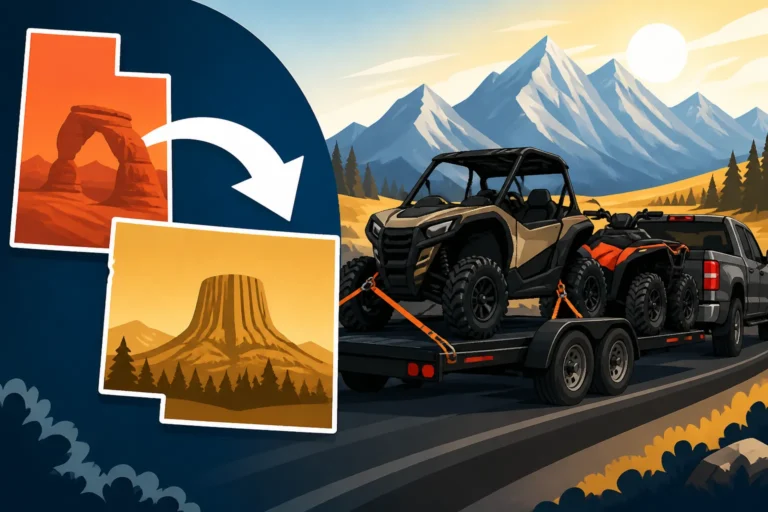
One of the biggest surprises for out-of-state riders, and even some new residents, is that Wyoming doesn't honor off-road vehicle registrations or permits from other states. I've heard countless stories from folks who show up with their machine stickered up from Colorado or Utah, only to be turned away or, worse, issued a citation. It feels unfair when you've already paid your dues somewhere else, but Wyoming has a very clear stance on this. Every single off-road machine operating on designated public lands within the state, whether you're a resident or just visiting for the weekend, needs a current Wyoming ORV permit. It’s not a slight against other states; it's simply how Wyoming ensures the funding and management of its own extensive trail system. There's truly [No Reciprocity in Wyoming, Stated Plainly], so don't get caught off guard.
This "no reciprocity" rule can be a real headache if you're traveling through or coming for a short visit, but it's essential to understand the reasoning behind it. Wyoming's system is designed to directly fund the trails program within the state. If we accepted permits from elsewhere, that funding wouldn't be localized, and our trails would suffer. It’s about ensuring that the money generated from permit sales stays right here, directly supporting the places we ride.
The Calendar-Year Permit and Its Duration
Unlike some states where permits might run for a full 12 months from the date of purchase, Wyoming keeps things simple with a calendar-year permit. This means that [Wyoming's Calendar-Year Permit] is valid from January 1st through December 31st of the year it was issued, regardless of when you actually buy it. So, if you purchase your permit in July, it still expires on December 31st of that same year. This can feel a bit odd, especially if you're buying late in the season, but it's consistent and easy to remember.
Knowing this expiration date is crucial for planning your rides, especially at the end of the year or beginning of the next. You don't want to get caught riding in January with a permit that expired just a few days prior. Many riders will actually pick up their next year's permit in the late fall, as they often become available then, to be fully ready for those first rides of the new year. It saves you the stress and avoids potential [Wyoming Fines for Riding Without a Permit].
Where Your Permit Money Goes
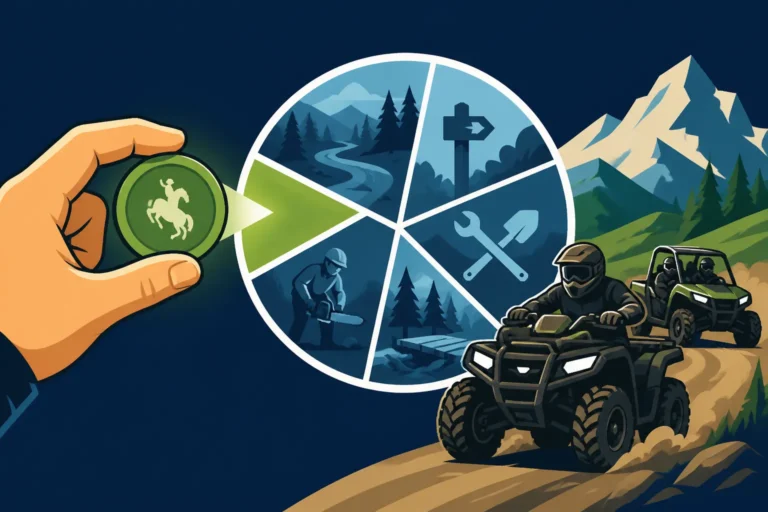
Have you ever wondered what actually happens to the money you spend on that annual ORV permit? It’s a fair question, and the answer is pretty reassuring for trail enthusiasts. A significant portion of the funds collected from the sale of each [Wyoming's Annual ORV Permit] goes directly into the Wyoming State Trails Program. This program is the lifeblood of our off-road infrastructure, supporting everything from trail maintenance and mapping to facility improvements in various riding areas, including our state parks and historic sites.
The program works diligently to ensure that the trails remain safe, accessible, and enjoyable for everyone. This includes clearing downed trees, repairing erosion, placing signage, and even developing new routes. When you see a well-maintained trail or a new interpretive sign at a historic site accessible by ORV, you can bet that your permit dollars played a role in making that happen. It's a direct investment in the very experiences we seek when we hit the dirt.
Accessing Wyoming State Parks and Historic Sites with Your ORV
Wyoming's State Parks and Historic Sites offer some truly unique riding experiences, blending natural beauty with historical significance. However, these areas often have more specific rules than vast expanses of BLM land, and it's absolutely vital to understand them to protect these special places and ensure you don't run afoul of regulations. Simply having your ORV permit isn't always enough; you need to know where you can ride.
Designated Routes Versus Open Riding
The first and most important rule in virtually all Wyoming State Parks and Historic Sites, as well as on most other public lands, is that riding is restricted to designated routes only. This means you cannot just venture off-trail wherever you please. The concept of "open riding" areas is incredibly rare, with the exception of specific places like the Killpecker Sand Dunes, which has clear boundaries for open play. Everywhere else, you must stick to marked trails and roads. These are sometimes called [Wyoming's Enrolled Roads and Trails].
These restrictions are in place for several critical reasons: protecting sensitive ecosystems, preventing erosion, minimizing disturbance to wildlife, and preserving archaeological or historical features unique to these sites. It’s about balance—allowing us to enjoy these incredible places without destroying them for future generations. Always look for signage, consult maps (like MVUMs for Forest Service lands), and if in doubt, err on the side of caution and stay on clearly marked paths.
Specific Rules Within State Parks and Historic Sites
While the general rule of designated routes applies, individual state parks and historic sites might have additional specific regulations. These can include anything from speed limits that are strictly enforced, especially near campgrounds or historical structures, to restrictions on noise levels, or specific hours of operation for ORV use. Some sites might have particular rules about camping near trails or even limitations on the types of vehicles allowed in certain zones.
For instance, a historic site might have an interpretive loop that allows ORVs, but strictly prohibits stopping or parking off the main path to protect delicate historical ground. A state park might have designated ORV camping areas separate from general campgrounds, or require extra vigilance around equestrian or hiking trails. It's always a good idea to check the specific park's website or visitor center for their unique rules before heading out. Don't assume that what's allowed in one park is acceptable in another; each has its own character and sensitivities.
What to Expect at a Park Entrance or Trailhead
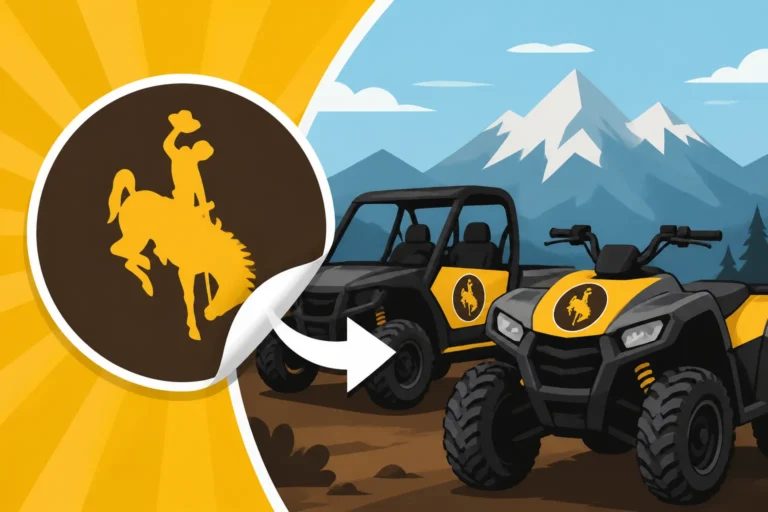
When you pull into a Wyoming State Park or designated ORV area within a historic site, be prepared for a few routine checks. The most immediate will be for your ORV permit. Rangers and park staff are diligent about ensuring every machine has its current decal properly displayed. This is where having your [Wyoming's Annual ORV Permit] clearly visible saves you time and potential hassle. They aren't trying to be difficult; they're simply performing their duties to ensure compliance and support the trails program.
Beyond the permit, park staff might also offer advice on current trail conditions, point out areas of particular interest, or inform you of any temporary closures due as always check online for fire season or wildlife activity. Sometimes, they might even ask for identification or proof of ownership, especially if there's any ambiguity. Having essential documents readily available, whether it's your driver's license or a bill of sale (perhaps a template from a service like LawDepot if you recently purchased your machine), can make this interaction quick and smooth.
Navigating Wyoming's Extensive Trail System
Beyond our state parks and historic sites, Wyoming boasts a truly vast network of trails across federal lands managed by the U.S. Forest Service and the Bureau of Land Management (BLM). These areas often present different landscapes and sometimes slightly different rules than state-managed properties, but the fundamental requirement of a Wyoming ORV permit remains consistent across all public lands. Understanding how these different agencies manage their trails is key to responsible riding.
The Role of the Wyoming Trails Program
The Wyoming Trails Program is the unsung hero behind much of the state's incredible riding opportunities. This program, funded primarily by ORV permit sales, works in partnership with federal, state, and local agencies to develop, maintain, and promote non-motorized and motorized trails throughout Wyoming. When you buy your permit, a portion of that [Wyoming ORV Permit Cost] goes directly to this program, fueling its efforts to keep trails clear, safe, and enjoyable.
This program doesn't just manage trails; it also provides crucial resources for riders, such as maps and information on closures or special events. They are instrumental in coordinating efforts across different land management jurisdictions, striving for a cohesive and well-connected trail system. It’s truly a collaborative effort that benefits every single rider who enjoys Wyoming's backcountry.
Understanding Different Land Management Agencies
While your Wyoming ORV permit grants you access to designated routes on public lands across the state, it's important to recognize that the specific regulations can vary depending on who manages that land.
- State Parks and Historic Sites: As we discussed, these areas often have specific, sometimes stricter, rules regarding speed, noise, and permissible riding zones due to their unique conservation or historical preservation goals.
- National Forests: The U.S. Forest Service manages vast tracts of land, and their trails are typically mapped out in Motor Vehicle Use Maps (MVUMs). These maps are your gospel for identifying legal routes for ORVs, often differentiating between trails, roads open to highway-legal vehicles, and trails specifically for ORVs. Following these maps is critical, as riding off-designated routes on Forest Service land can lead to hefty fines.
- Bureau of Land Management (BLM) Land: BLM lands are often characterized by more open, sagebrush country and can offer incredible dispersed riding opportunities. However, even on BLM, the principle of riding on designated routes (or in explicitly marked "open" areas) applies. The BLM also publishes maps and has regulations regarding resource protection, such as staying out of washes or avoiding sensitive habitat areas.
Familiarizing yourself with the general rules of each agency, and specifically consulting their maps for the area you plan to ride, is a non-negotiable step for any responsible rider.
Finding Enrolled Trails and Designated Riding Areas
So, you've got your permit, you understand the calendar year rule, and you're ready to explore. The next big question is: where do you actually go? Wyoming has made significant strides in making this information accessible. Your best bet for finding officially sanctioned ORV routes and designated riding areas is through maps provided by the land management agencies themselves, as well as the Wyoming State Parks, Historic Sites and Trails division.
Many areas now require you to carry a copy of the current MVUM for National Forests or similar maps for BLM lands. These maps explicitly show which roads and trails are open to motorized use, and often indicate restrictions like seasonal closures or vehicle width limits. You can usually find these maps online, at ranger stations, or at park visitor centers. Utilizing these resources will ensure you're riding legally and responsibly, enjoying the beauty of Wyoming without inadvertently trespassing or damaging sensitive ecosystems.
Paperwork and Preparation for Riding Wyoming's Public Lands
Getting your machine ready for the trail isn't just about checking the oil and tire pressure; it's also about ensuring all your ducks are in a row regarding paperwork. Beyond the physical permit, there are other documents and considerations that can prevent a smooth day on the trails from turning into a frustrating encounter with law enforcement or an unexpected setback. Proper preparation is truly your best defense against trailside surprises.
Buying and Displaying Your ORV Permit Decal
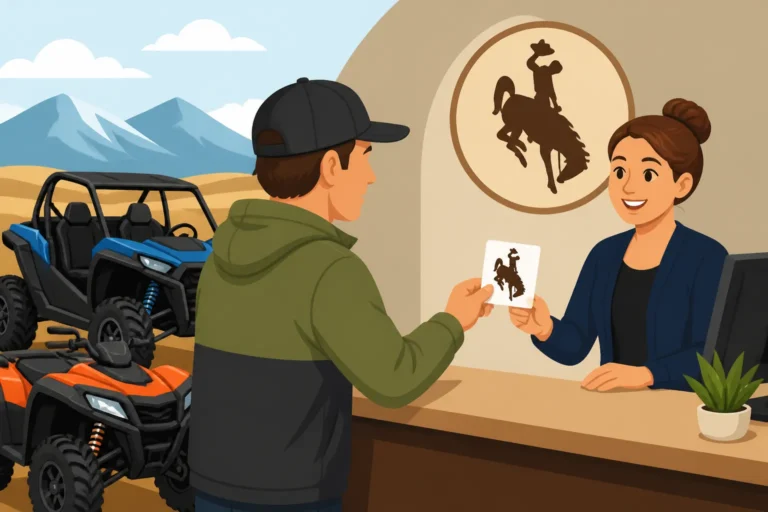
The process of obtaining your [Wyoming ORV Permit Cost] decal is straightforward, but displaying it correctly is just as important. You can purchase your annual permit from various vendors across the state, including some county clerk offices, specific state park offices, many powersports dealerships, and even some forest service ranger stations. For those who prefer convenience, buying [Buying a Wyoming Permit Online] is also an option, with the decal typically mailed to you.
Once you have your decal, the key is to apply it in a clearly visible location on your machine. The guidelines usually specify a prominent, unobstructed spot, typically on the front fender or windshield. This isn't just for aesthetics; it allows rangers and wardens to quickly verify your compliance without having to search for it. A properly affixed decal ensures that when someone does a [What a Warden Checks at a Trailhead], your machine instantly passes the visual permit check. Remember, if it's not visible, it might as well not be there.
Essential Documents to Carry on the Trail
While the ORV permit decal is paramount, it's wise to carry a few other documents with you, just in case.
- Proof of Ownership: This could be your bill of sale or other documentation proving you own the machine. While not always asked for, it can be crucial in situations involving theft, accidents, or if there's any question about who the machine belongs to. If you're buying or selling, using a reliable template for a bill of sale, perhaps from a service like LawDepot, can make this documentation process much smoother and ensure all the necessary details are captured.
- Driver's License/ID: You should always have valid identification on you when operating a motorized vehicle, even off-road.
- Registration Card (if applicable): For Multipurpose Vehicles (MPVs) that are street-legal, you'll have a separate registration and plate. While not required for standard ORVs, it's a good habit to keep all relevant paperwork together.
- Maps: Digital or physical maps of the area you're riding, especially MVUMs for Forest Service lands, are not just helpful for navigation but also serve as proof that you are intentionally staying on designated routes.
Keeping these items in a waterproof bag or container that's securely attached to your machine is a smart move. You want them protected from the elements but still easily accessible if needed.
Trail Etiquette and Environmental Responsibility
Riding in Wyoming's State Parks, Historic Sites, and other public lands isn't just about following the letter of the law; it's also about embracing a strong sense of trail etiquette and environmental responsibility. Our collective actions directly impact the future of access to these incredible places. This means:
- Stay on Designated Trails: We can't stress this enough. Going off-trail damages vegetation, causes erosion, and disturbs wildlife, sometimes even historical artifacts.
- Respect Wildlife: Give animals their space. Do not chase or harass wildlife, and be aware of seasonal closures related to calving, nesting, or winter range.
- Pack It In, Pack It Out: Leave no trace. Everything you bring with you, including trash, should leave with you. This applies to food wrappers, broken parts, and even spent bullet casings if you're hunting.
- Yield to Others: Be courteous to hikers, equestrians, and mountain bikers. Slow down, give them ample room, and be prepared to stop. Horses, in particular, can be easily spooked by machines.
- Control Noise: While modern machines are generally quieter, avoid excessive revving or aftermarket exhausts that exceed sound limits. Respect the peacefulness of nature for all users.
- Be Prepared: Carry emergency supplies, extra fuel, and tools. Breakdowns far from assistance can quickly become serious in Wyoming's remote landscapes.
By adhering to these principles, we ensure that Wyoming's stunning natural and historic areas remain open and pristine for everyone, now and for generations to come.
Addressing Common Concerns for Riders in Wyoming's Scenic Areas
Wyoming's off-road landscape can sometimes present unique questions, especially for riders who are new to the state or those operating specific types of machines. Addressing these common concerns upfront can save a lot of headaches and help you plan your adventures more effectively across our state parks, historic sites, and broader trail systems.
Nonresident Permits: One Price for All
As mentioned earlier, Wyoming operates under a strict "no reciprocity" rule. This means that if you're visiting from out of state, you still need to purchase a [Wyoming ORV Permit for Nonresidents] to ride on public lands. And here's the kicker: the cost is the same for everyone. There's no surcharge for nonresidents, nor is there a discount for residents. Everyone pays the same flat fee. This equal treatment ensures that all users contribute equally to the maintenance and development of the state's trail system, regardless of where their permanent address is.
This can sometimes be a point of frustration for out-of-state visitors who feel they've already paid their dues in their home state. However, understanding that these funds directly support the trails they're about to enjoy often helps to mitigate that feeling. It's a system designed for equity in contributions to the shared resource. So, whether you're from Billings, Montana, or Fort Collins, Colorado, be prepared to pick up a Wyoming decal before you hit our trails.
What a Warden Checks at a Trailhead
Imagine pulling up to a popular trailhead, ready to start your ride, and there's a game warden, forest ranger, or state park official waiting. This isn't uncommon, and they're usually there to ensure safety and compliance. When a warden conducts a [What a Warden Checks at a Trailhead], they're typically looking for a few key things:
- Current ORV Permit Decal: Is it properly displayed and current for the calendar year? This is usually the first and easiest check.
- Spark Arrester: Most public lands require a Forest Service-approved spark arrester on your machine to prevent wildfires. This is a critical safety component in our often dry climate.
- Muffler/Sound: While not always a specific "check," excessively loud machines can draw attention and may lead to inquiries about compliance with sound regulations.
- Required Safety Gear: For younger riders, they might check for helmets.
- Designated Route Compliance: Sometimes, wardens are observing rider behavior on the trails, making sure everyone is sticking to designated routes and not venturing into closed areas.
Having your machine in good order and your paperwork squared away will make these encounters quick and pleasant, allowing you to get on with your adventure. And if you're ever issued a citation, understanding the rules, like those from a credible source like LawDepot for documentation, might help in managing the situation after the fact.
Specifics for MPVs vs. ORVs on Park Roads
Wyoming differentiates between "Off-Road Vehicles" (ORVs) like traditional ATVs and UTVs primarily used off-highway, and "Multipurpose Vehicles" (MPVs), which are a specific class of UTVs that can be made street-legal. While ORVs generally require their state permit to operate on designated trails within state parks and historic sites, MPVs that have gone through the full street-legal process (titling, licensing, plate, insurance, and road-legal equipment) might be able to use certain roads within these areas, provided those roads are also open to other highway-legal vehicles.
This distinction is important because an ORV permit does not make your machine street-legal, and conversely, having an MPV plate doesn't negate the need for an ORV permit if you're also riding designated trails that are off the road system. It's a bit of a nuanced point, but generally, state parks and historic sites will have specific signage or rules for road access. Always assume that if you're leaving a paved or clearly graveled road and entering a dirt trail, your ORV permit and adherence to ORV trail rules are necessary, regardless of your machine's street-legal status. For a side-by-side that meets certain criteria (weight between 300 and 3,000 pounds, seat at least 24 inches up), it can qualify as an MPV and be licensed for road use, but that doesn't automatically mean all park roads are open to it without additional checks.
| Permit Type | Valid For | Duration | Where to Buy | Key Requirement |
|---|---|---|---|---|
| Wyoming ORV Permit | Designated public ORV trails/roads | Calendar Year (Jan 1 – Dec 31) | Online, Dealers, County Offices, Ranger Stations | All public land ORV use, no reciprocity |
| Wyoming MPV Title/Plate | Public Roads (if street-legal) | Varies (e.g., annual registration) | County Clerk (title), County Treasurer (plate) | For specific UTVs meeting MPV definition to drive on roads |
Disclaimer
This article is for general informational purposes only and does not constitute professional advice. Laws, prices and regulations vary by location and change over time. Consult a qualified professional for guidance on your specific situation.