Where Wyoming ORV Permit Money Goes
It’s a fair question, isn't it? You fork over your hard-earned money for that little decal, stick it proudly on your off-road machine, and then you might find yourself wondering, "Where does this money actually go? Am I just paying a fee, or is it truly benefiting the trails I love?" This guide is here to pull back the curtain and show you exactly how Wyoming's ORV permit fees are put to work, ensuring the trails and riding opportunities we all cherish continue to thrive.
The Permit Fee: More Than Just a Sticker
When you purchase that Wyoming ORV permit, you're not just buying a piece of adhesive plastic. You're making an investment in the future of off-road recreation across the state. Many riders, especially those new to Wyoming or just passing through, might see the fee as a simple cost of doing business. But behind that modest price tag is a robust system designed to fund and sustain the very infrastructure that makes our rides possible. It's understandable to feel a bit disconnected from where your money goes after a transaction, but Wyoming has a clear and impactful process for these funds.
Think about the sheer mileage of trails, the remote access points, the signs that guide you, and the amenities that make a day on the saddle or behind the wheel more comfortable. All of these require funding, and your permit fee is the primary engine driving that support. It’s a collective contribution that ensures the vast and diverse landscapes of Wyoming remain accessible and enjoyable for off-road enthusiasts for years to come. This isn't just about keeping the status quo; it's about growth, improvement, and ensuring that our wild spaces are managed responsibly for everyone.
Understanding the Wyoming ORV Permit Cost
The cost of a Wyoming ORV permit is set at a remarkably consistent rate, making it one of the more straightforward fees you'll encounter in the off-road world. [Wyoming ORV Permit Cost] is designed to be accessible while still generating the necessary revenue to support the statewide trails program. This isn't a fee that fluctuates based on your machine type, residency, or how often you plan to ride; it's a flat fee for everyone.
This consistency helps simplify the process for riders and streamlines the administrative burden on the state. It means that whether you're a seasoned local with multiple machines or a visitor just passing through for a weekend adventure, you contribute the same amount to the trail system. This uniformity ensures that the trails program receives a predictable income stream, which is crucial for long-term planning and executing significant projects, from major bridge repairs to extensive new trail construction. The state aims to keep this fee stable to encourage compliance and participation, ensuring that more riders contribute to the common good of the trail system.
Why Every Machine Needs a Wyoming Permit
You might wonder why [Why Every Machine Needs a Wyoming Permit], even if it's just for a day or if you typically ride private land. The short answer is that the permit system is the lifeblood of maintaining and expanding public riding opportunities. Wyoming does not have reciprocity agreements with other states when it comes to ORV registration. This means that a permit from Montana, Colorado, or any other state, while valid in its home jurisdiction, doesn't grant you legal access to Wyoming's public ORV trails and designated routes.
This non-reciprocal approach ensures that every rider benefiting from Wyoming's extensive trail system contributes directly to its upkeep. It prevents a scenario where out-of-state riders, who often make up a significant portion of trail users, could utilize the resources without contributing to their maintenance. By requiring a Wyoming permit for all machines on public land, the state guarantees that the financial burden of trail stewardship is shared equitably among all who enjoy these unique landscapes. It’s a practical approach to funding, ensuring that the incredible experiences offered on Wyoming's trails are sustainable for both residents and visitors alike.
The Heart of the Matter: The Wyoming Trails Program
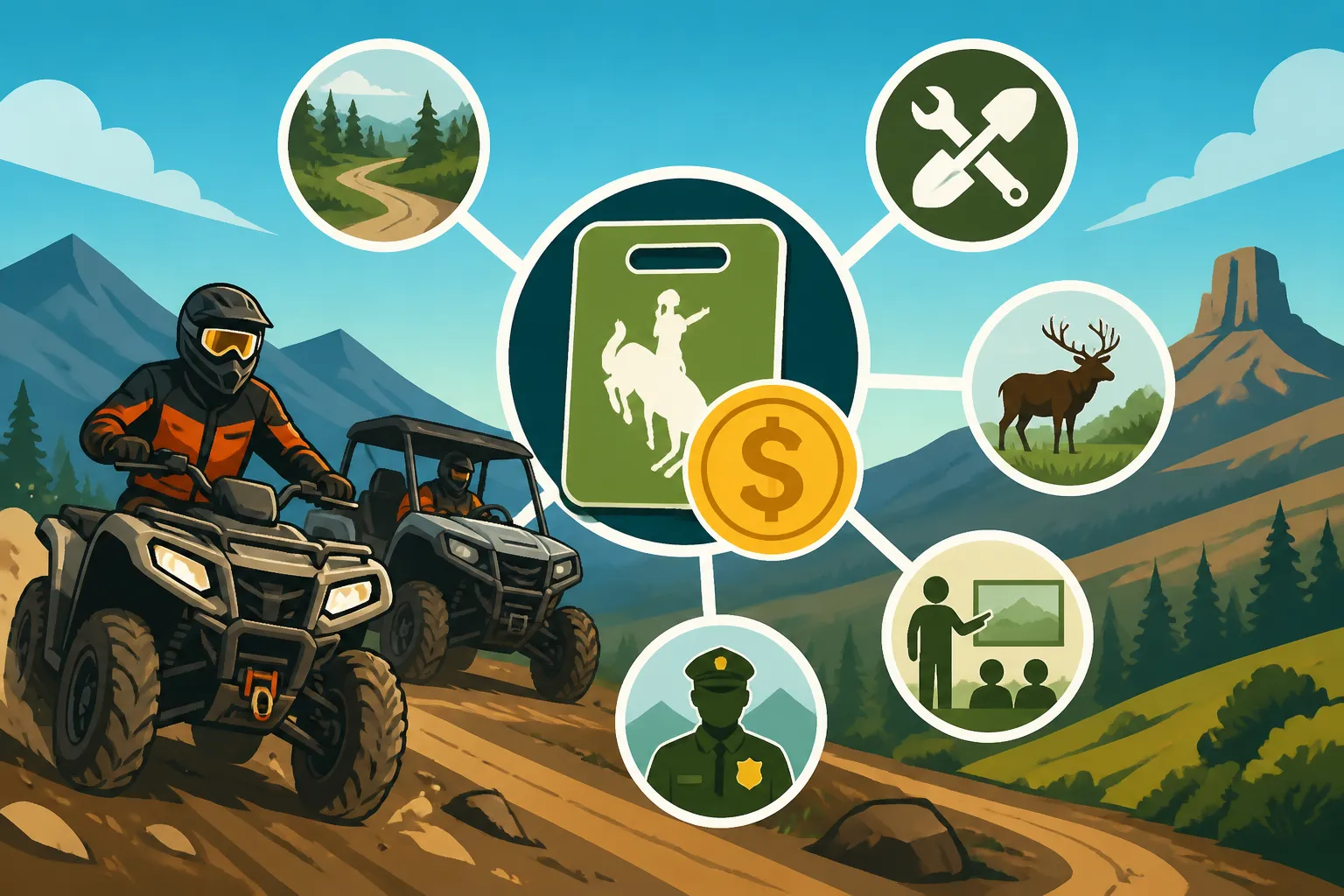
At the core of where your ORV permit money goes is the Wyoming Trails Program, managed by Wyoming State Parks, Historic Sites and Trails. This isn't just a bureaucratic office; it's the operational hub responsible for everything from cutting new trails to ensuring existing ones are safe and enjoyable. Your permit fee directly fuels this program, transforming a small annual payment into tangible improvements on the ground. When you see a well-maintained trail, a new bridge spanning a creek, or clear signage guiding your way, you're witnessing your permit money in action.
The program's mandate is broad, covering everything from the wilderness-adjacent trails in the Bighorn National Forest to the open play areas of the Killpecker Sand Dunes. It’s about creating a cohesive, well-managed network of routes that caters to various types of off-road machines and rider skill levels. Without the consistent funding provided by these permits, the vast majority of these public riding opportunities would fall into disrepair, become unsafe, or simply cease to exist as accessible routes. It's a critical investment in preserving and enhancing the outdoor lifestyle many of us cherish.
Funding Trail Maintenance and Improvements
The daily grind of trail maintenance is relentless, especially in a state like Wyoming with its diverse and often harsh environmental conditions. Your permit money is predominantly spent on ensuring that existing trails are kept in top condition. This includes everything from routine brush clearing that keeps trails open and visible, to repairing erosion caused by heavy rains or snowmelt. It’s about making sure that the trails you ride today are just as good, if not better, tomorrow.
Maintenance projects can be surprisingly complex and costly. Picture a remote section of trail that needs a new culvert to prevent washouts, or a wooden bridge that requires replacement after years of wear and tear. These aren't simple fixes; they involve engineering, materials, and specialized labor, often in challenging terrain. The Wyoming Trails Program allocates a significant portion of permit funds to these essential upkeep tasks, ensuring that hazards are mitigated, and the riding experience remains safe and enjoyable. Without this consistent funding, trails would quickly become impassable, unsafe, or simply disappear from public use.
Supporting New Trail Development and Access
Beyond maintaining what's already there, a vital part of the Wyoming Trails Program's mission is to expand and enhance the riding network. This means using permit funds to develop new trails and secure additional access points, opening up more of Wyoming's stunning landscapes for off-road exploration. [Grants That Cut New Trail] are often a direct result of these funds, allowing the program to partner with federal, state, and local land management agencies to identify, design, and construct entirely new routes.
The process of developing a new trail is extensive. It involves environmental impact assessments, public input, land use agreements, and meticulous planning to ensure sustainability and minimize ecological footprint. Funds might go towards surveying new routes, purchasing necessary easements, or acquiring materials for construction. For example, permit money could help fund a project to extend a popular trail system into an adjacent parcel of public land, or create a new loop that connects existing segments, offering riders fresh challenges and longer adventures. This forward-looking investment ensures that the off-road community has continually evolving opportunities to explore Wyoming.
The Role of Trail Signs and Kiosks
Imagine pulling up to a trailhead, eager to hit the dirt, only to find no maps, no directions, and no idea where you can legally ride. This is where your permit money truly shines, funding the vital infrastructure of information and safety. Trail signs and kiosks are far more than just markers; they are essential tools for navigation, safety, and responsible recreation. [Wyoming's Trail User Registration Decal] ensures you're a legal rider, but the signs ensure you stay on legal routes.
Permit funds are used to design, fabricate, install, and maintain thousands of trail signs across the state. These signs mark designated routes, indicate direction, warn of hazards, and clarify rules and regulations specific to certain areas. At trailheads, informational kiosks, also funded by permit fees, provide larger-scale maps, important safety messages, fire danger warnings, and details about the local ecosystem. They are crucial for both rider safety and for protecting the environment by guiding users to stay on marked trails. This investment in clear, consistent signage drastically improves the rider experience and helps prevent accidental trespass or environmental damage.
Local Impact: Keeping Funds Where They're Collected
One of the truly unique and impactful aspects of Wyoming’s ORV permit program is its commitment to local investment. It’s not a system where all the money goes into a large state pot, only to be redistributed much later and perhaps far from where it was collected. Instead, a significant portion of the permit fees, once collected, is reinvested directly into the local communities and lands where the permits were purchased. This approach fosters a strong sense of community ownership and ensures that riders see the tangible benefits of their contributions in their own favorite riding areas.
This localized funding model is a testament to Wyoming's understanding that trail needs are hyper-local. A trail system in the high mountains of the Bighorns will have different requirements than a dune area near Rock Springs or a forest trail outside Laramie. By keeping funds within the local sphere of influence, projects can be prioritized that directly address the most pressing needs of those specific trails and the riders who frequent them. This direct connection helps to build trust between the riding community, local land managers, and the state's trails program.
Why Fees Stay Where They Were Collected
It’s often a point of frustration for riders when their money seems to vanish into a general fund, only to wonder if it ever benefits their specific trails. Wyoming addresses this head-on with a clear policy: [Why Fees Stay Where They Were Collected]. When you buy your ORV permit from a selling agent – whether that's a local powersports dealer, a county office, or a Forest Service ranger station – a substantial portion of that fee is earmarked for projects within that local region. This direct pipeline ensures that the money generated by riders in a specific area is channeled back into improving the riding experience right there.
This localized distribution empowers regional land managers and local communities to apply for grants and implement projects that are most relevant to their specific needs. For instance, if a significant number of permits are purchased near a popular trail system in the Medicine Bow-Routt National Forest, the funds generated can directly support trail rehabilitation, new bridge construction, or improved signage within that very forest. It’s a powerful incentive for local engagement and ensures that resources are allocated efficiently to address immediate and long-term trail management challenges unique to each locale.
Grants That Cut New Trail at the Local Level
One of the most exciting ways your permit money makes a tangible difference is through the funding of new trail development, specifically through [Grants That Cut New Trail]. These grants are often awarded to local entities, such as county governments, land management agencies like the Forest Service or BLM, or even non-profit trail organizations. The localized approach means these groups can identify specific areas ripe for expansion or improvement within their jurisdiction and apply for the necessary funds.
For example, a local ATV club might work with the Bureau of Land Management office in their area to propose a new loop trail that connects to an existing system. The grant money, derived from ORV permit sales, could then be used to fund the necessary environmental studies, acquire materials, or even pay for contract labor to construct the trail. This grass-roots approach ensures that new trails are developed where there is genuine local need and support, rather than being dictated by a centralized, distant authority. LawDepot could even be a resource for these local organizations when they need to draft agreements, waivers, or other legal documents related to land access or volunteer participation in trail-building efforts.
How Decal Money Pays for Trailhead Toilets and Amenities
It might not be the most glamorous aspect of trail funding, but access to basic amenities vastly improves the quality of any outdoor experience. Your decal money directly contributes to providing these essential services, making your time on the trail more comfortable and convenient. [How Decal Money Pays for Trailhead Toilets] is a perfect example of this. Think about those vault toilets you find at remote trailheads or designated camping areas – those aren't free to install or maintain.
Beyond toilets, permit funds can also be allocated for other critical trailhead amenities. This might include picnic tables for a quick lunch break, trash receptacles (often pack-it-in, pack-it-out, but sometimes there are collection points), designated parking areas for trailers, or even information kiosks that were mentioned earlier. These facilities are often taken for granted until you desperately need one! By providing and maintaining these basic services, the Wyoming Trails Program ensures that popular riding areas can accommodate users responsibly, minimizing environmental impact and enhancing the overall visitor experience. It transforms a raw natural space into a more user-friendly recreational hub, all thanks to those permit fees.
Beyond the Trails: Broader Program Support
While trail maintenance and development are clearly the primary beneficiaries of your ORV permit money, the Wyoming Trails Program operates on a much broader scale. Like any effective program, it requires administrative support, educational outreach, and enforcement to ensure that the rules are followed and riders remain safe. Your permit fees contribute to these essential, often behind-the-scenes, aspects that keep the entire system running smoothly and effectively. It's about more than just dirt and signs; it's about a comprehensive approach to responsible outdoor recreation.
These broader support functions are crucial for the long-term viability and success of Wyoming's off-road offerings. Without proper administration, funds wouldn't be allocated efficiently. Without education, riders might unknowingly cause damage or risk injury. And without enforcement, the rules designed to protect both riders and the environment would lose their meaning. It's a holistic system, and every part plays a role in delivering the quality riding experiences we expect.
Administrative Costs and Program Oversight
Running a statewide program as complex as the Wyoming Trails Program involves significant administrative overhead, and a portion of your ORV permit money helps cover these essential costs. This isn't just about paying salaries; it encompasses a wide range of operational expenses necessary to manage funding, coordinate projects, and ensure compliance with state regulations. Think of it as the engine room that keeps the entire ship sailing.
These administrative costs include everything from office supplies and utilities to specialized software for mapping and project management. It covers the expenses associated with grant application processing, financial accounting, and reporting on where every dollar is spent. It also supports the staff who dedicate their time to planning, coordinating with various land management agencies, and ensuring that the program's objectives are met efficiently and effectively. While not directly visible on the trail, this oversight is absolutely critical for the responsible stewardship of your permit dollars.
Education, Enforcement, and Rider Safety
Promoting responsible riding and ensuring the safety of all users is a cornerstone of the Wyoming Trails Program, and a portion of your permit money goes directly to these vital efforts. This includes funding educational initiatives aimed at new riders, youth, and even seasoned veterans who might need a refresher on best practices or new regulations. Programs might cover topics like low-impact riding techniques, proper gear, emergency preparedness, and the importance of respecting private property and wildlife.
Enforcement is another critical component funded by permit fees. This helps support the wardens and rangers who patrol the trails, ensuring that riders adhere to speed limits, stay on designated routes, and possess valid permits. This isn't about being punitive; it's about protecting the trails from damage, ensuring the safety of all users, and maintaining a positive public perception of off-road recreation. Effective enforcement helps deter illegal riding that can jeopardize access for everyone. These funds contribute to resources like patrol vehicles, communication equipment, and even specialized training for enforcement officers to safely and effectively monitor trail systems.
Understanding the $1 Share for Selling Agents
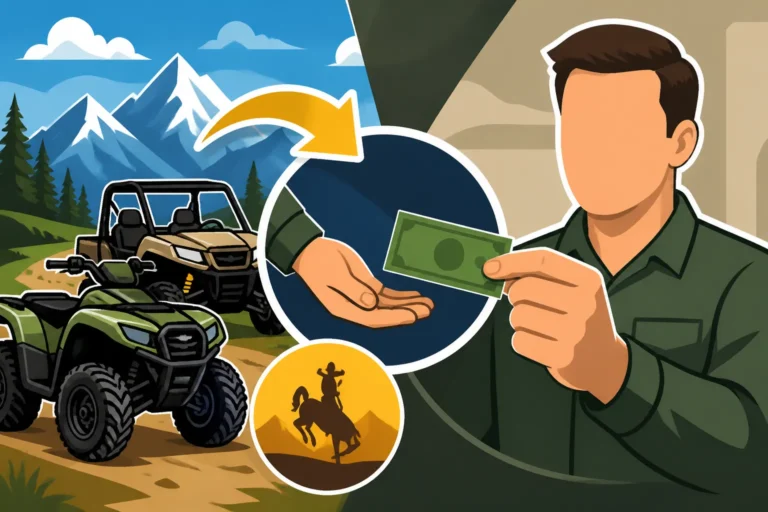
When you buy your Wyoming ORV permit, you might notice that the total cost is slightly higher than the amount that actually goes into the state's trail fund. This is because a small portion, specifically $1, of every permit sale is retained by the selling agent. [Why a Selling Agent Keeps $1 of Every Permit] is a practice designed to incentivize businesses and county offices to offer permits, making them widely accessible to riders across the state.
These selling agents are crucial distribution points, making it convenient for riders to acquire their permits, often right on their way to the trailhead. Without this small commission, many businesses might not find it worthwhile to handle the paperwork, stock the decals, and process the sales, leading to fewer points of purchase and greater inconvenience for riders. This $1 share helps offset their administrative costs, covers the time their staff spends on these transactions, and ensures a robust network of places where you can easily get your required decal. It's a small but important incentive that supports accessibility for all ORV users.
The Collaborative Effort: Who Manages These Funds?
It's natural to assume that the state simply takes your money and spends it. However, the reality of managing Wyoming's ORV permit funds is much more collaborative and involves multiple stakeholders working together. The Wyoming Trails Program, under the umbrella of Wyoming State Parks, Historic Sites and Trails, acts as the primary administrator, but they don't operate in a vacuum. They work closely with federal land management agencies, county governments, and even local community groups to ensure that funds are allocated effectively and projects are implemented on the ground.
This multi-agency, multi-level approach is essential given the vast and varied landscapes of Wyoming. No single entity could possibly manage all the trails and riding areas alone. By fostering partnerships, the program leverages existing expertise, local knowledge, and shared resources, maximizing the impact of every permit dollar. It ensures that decisions are made with input from those closest to the trails, leading to more relevant and sustainable outcomes.
Wyoming State Parks, Historic Sites and Trails and Its Role
As the primary steward of the Wyoming Trails Program, [Wyoming State Parks, Historic Sites and Trails] plays a central role in managing where your ORV permit money goes. This agency is responsible for the overall strategic planning, administration, and oversight of the statewide off-road trail system. They are the ones who process grant applications, disburse funds, and ensure that projects align with the program's goals of maintaining, improving, and expanding off-road opportunities.
Their responsibilities extend beyond just cutting checks. They also lead efforts in data collection, mapping, and public outreach related to ORV use. They serve as a crucial point of contact for riders, land managers, and local communities, facilitating communication and collaboration across the state. While much of their work is administrative and behind-the-scenes, it's absolutely vital for the effective functioning of the entire permit and trails program. They are the organizational backbone that turns permit fees into tangible trail improvements.
Partnerships with Federal and Local Land Managers
A significant portion of Wyoming's prime off-road riding takes place on federal lands, managed by agencies like the U.S. Forest Service and the Bureau of Land Management (BLM), as well as on county-owned lands. This means that effective management of ORV permit funds requires strong partnerships with these entities. These federal and local land managers are often the ones on the ground, directly supervising trail projects, providing local expertise, and enforcing regulations.
Your permit money often flows through the Wyoming Trails Program to these partners in the form of grants. For example, a local Forest Service district might receive a grant to replace an aging bridge on a popular ATV trail, or a BLM field office might get funds to create new signage for an expanded network of routes. These partnerships are critical because these agencies have the infrastructure, staff, and intimate knowledge of the local terrain to implement projects effectively. It’s a classic example of state funds supporting federal and local efforts to achieve a common goal: better riding for everyone.
Community Involvement and Volunteer Contributions
While permit fees provide the financial muscle, the heart and soul of many trail projects come from community involvement and volunteer contributions. Many local ATV, UTV, and dirt bike clubs, as well as individual enthusiasts, donate countless hours to maintaining trails, building new features, and assisting with cleanup efforts. These volunteer hours represent an invaluable resource that stretches the impact of every permit dollar even further.
Permit funds often serve as a catalyst for these volunteer efforts, providing the necessary materials, tools, or supervisory support that volunteers need. For example, a grant funded by ORV permits might purchase lumber for a new boardwalk, which volunteers then install. Or it could provide the fuel for heavy equipment operated by a skilled volunteer. This synergy between paid projects and volunteer efforts is incredibly powerful, fostering a sense of ownership and pride within the riding community. It’s a testament to the passion of Wyoming riders who give their time and energy to ensure their favorite trails remain open and enjoyable.
Transparency and Accountability: Tracking Your Investment
When you contribute your money to any public program, it’s fair to expect transparency and accountability. The Wyoming Trails Program understands this and strives to ensure that riders can see how their permit fees are being utilized. While it might not be as simple as an itemized receipt for every dollar, there are mechanisms in place to report on expenditures, engage with rider feedback, and outline the long-term vision for the state's ORV system.
This commitment to transparency helps build trust within the off-road community and encourages continued participation in the permit program. Knowing that your money is being spent wisely and effectively on projects that directly benefit your riding experiences is a powerful motivator. It moves the permit from being just another fee to a tangible investment in the future of your chosen recreation.
Public Reporting on Program Expenditures
The Wyoming Trails Program endeavors to provide public reporting on how ORV permit money is spent. This typically involves annual reports or summaries detailing the types of projects funded, the locations of these projects, and the overall expenditures across different categories like maintenance, new development, and administrative costs. While you won't get a breakdown of every nut and bolt, these reports offer a comprehensive overview of the program's financial activities.
These reports are often available through the [Wyoming Trails Program Contact] office or online, allowing interested riders and stakeholders to review where their contributions are making a difference. This level of public accounting ensures that the program remains answerable to the very community it serves. It’s a way for riders to verify that the money is indeed going to improve trails, create new access, and support the broader off-road infrastructure across Wyoming.
Rider Feedback and Future Trail Planning
Your voice as a rider is incredibly valuable in shaping the future of Wyoming's ORV trail system, and the program actively seeks rider feedback to inform future planning. While permit money might not directly pay for every survey, the underlying administrative structure that allows for this engagement is supported by those fees. This feedback is critical because riders are the ones on the ground, experiencing the trails firsthand, identifying areas that need improvement, and suggesting new opportunities.
Opportunities for feedback might come through public meetings, online surveys, or direct communication with the Wyoming Trails Program staff or local land managers. Your input can influence decisions on where new trails are developed, which existing trails receive priority for maintenance, or what types of amenities are most needed at trailheads. It's a participatory process that ensures the program remains responsive to the needs and desires of the off-road community, making your investment in the permit feel even more personal and impactful.
The Long-Term Vision for Wyoming's ORV System
The allocation of ORV permit money isn't just about addressing immediate needs; it's also about supporting a long-term vision for Wyoming's off-road system. This vision aims to create a sustainable, diverse, and well-managed network of trails that will serve generations of riders to come. The permit funds are a consistent and reliable source of income that allows for strategic planning and the execution of multi-year projects.
This long-term perspective might involve planning for major cross-state riding opportunities, developing new partnerships with private landowners for enhanced access, or implementing advanced mapping technologies. It also includes ongoing efforts to educate the public about responsible riding and environmental stewardship. By consistently investing permit funds, Wyoming is not just maintaining its trails; it's actively building a legacy for off-road recreation, ensuring that the incredible experiences available today will continue to be enjoyed far into the future. It’s about more than just a season; it’s about a multi-generational commitment.
Comparing Wyoming's Approach to Other States
It’s often helpful to put Wyoming’s ORV permit system into a broader context by comparing it to how other states manage their off-road recreation. You might have ridden in neighboring states and encountered different permit requirements, or perhaps even enjoyed reciprocity where your home-state registration was honored. Wyoming, however, takes a distinct approach, and understanding why can shed more light on [Where Wyoming Permit Money Is Spent] and the benefits of its chosen model. This isn't to say one system is inherently better than another, but rather to highlight the specific reasoning behind Wyoming's design.
This dedicated funding model, fueled by a non-reciprocal permit, allows Wyoming to maintain a high degree of control over its trail system's funding and management. It ensures that the resources generated by trail users in the state are directly reinvested into Wyoming's trails, rather than being spread thin or relying on complex cross-state agreements that can be difficult to administer and track. It's a focused, in-state investment.
Why Wyoming Honors No Other State's Registration
One of the most common questions riders have, especially those traveling into Wyoming, is [Why Wyoming Honors No Other State's Registration]. The answer lies in the state's dedicated funding model. Unlike some states that have reciprocity agreements, Wyoming has chosen a system where every off-road machine operating on public land within its borders must display a valid Wyoming ORV permit. This means your permit or registration from Montana, Colorado, or any other state, while perfectly valid where issued, will not suffice for riding in Wyoming.
This non-reciprocal policy is fundamental to ensuring that the Wyoming Trails Program receives consistent and dedicated funding. If Wyoming were to honor out-of-state registrations, a significant portion of its trail users – particularly those visiting from nearby states – would not be contributing to the direct upkeep and development of Wyoming's trail infrastructure. By requiring a Wyoming permit from everyone, the state guarantees that all users share the financial responsibility for maintaining the trails they enjoy, thus maximizing the impact of every dollar collected.
Wyoming's Flat Fee for Residents and Visitors
Another distinctive feature of Wyoming’s permit system is its straightforward, universal pricing structure. [Wyoming's Flat Fee for Residents and Visitors] means that whether you reside within the state or are visiting from elsewhere, the cost of the ORV permit is exactly the same. There are no discounts for residents or surcharges for non-residents, simplifying the process and ensuring fairness across the board.
This flat fee approach reinforces the principle that all users of Wyoming's public ORV trails contribute equally to their maintenance and development. [Wyoming ORV Permit for Nonresidents] is the same price as for a local, reflecting the idea that the cost of maintaining the trails does not differentiate based on where a rider calls home. This streamlined pricing model is easy to understand, removes potential confusion, and ensures that the trails program receives a stable and predictable revenue stream, unburdened by complex residency verification or tiered pricing structures. It’s a simple, equitable way to fund a shared resource.
The Benefit of a Dedicated, Non-Reciprocal Fund
The decision to implement a dedicated, non-reciprocal fund for ORV permits is a strategic one for Wyoming, offering several clear benefits. Foremost among these is the certainty of funding. By requiring every rider on public land to purchase a Wyoming permit, the state creates a direct and reliable revenue stream that is solely dedicated to the ORV trails program. This means the money isn't diverted to other state budgets; it stays within the realm of off-road recreation.
This dedicated funding allows for focused, long-term planning and investment in the state's off-road infrastructure. It avoids the complexities and potential shortfalls that can arise from multi-state reciprocity agreements, where tracking and transferring funds can become an administrative challenge. Instead, Wyoming can directly control how and where its permit money is spent, ensuring that projects are prioritized based on the needs of its own trails and riders. This self-sustaining model empowers Wyoming to manage its extensive and diverse ORV opportunities effectively, preserving them for current and future generations of enthusiasts. For anyone needing to draft legal documents related to ORV clubs, land leases, or liability waivers, even if indirectly related to permit funding, resources like LawDepot can be helpful in ensuring all paperwork is properly prepared.
Disclaimer
This article is for general informational purposes only and does not constitute professional advice. Laws, prices and regulations vary by location and change over time. Consult a qualified professional for guidance on your specific situation.