Registering an Out-of-State Machine in Wyoming
You’ve just moved to Wyoming with your trusty ATV or side-by-side, or perhaps you're planning an epic riding vacation to explore the Cowboy State's incredible trails. You probably expect your current registration from back home to cover you, right? Unfortunately, Wyoming has its own unique rules for off-road vehicles, and understanding them is crucial to avoiding an unwelcome fine. This guide will walk you through everything you need to know about registering your out-of-state machine to legally hit Wyoming’s trails, whether you're here to stay or just passing through.
Why Wyoming's Rules Are Different for Out-of-State Riders
It can be a real head-scratcher when you travel to a new state with your off-road vehicle (ORV) and find out your current registration or permit doesn't cut it. Many states have reciprocity agreements, meaning if your machine is legally registered in your home state, it's good to go in theirs. Wyoming, however, marches to the beat of its own drum when it comes to ORV permits, and that often catches visitors and new residents by surprise. It's not about singling anyone out; it's about ensuring all users contribute to the maintenance and expansion of the state's extensive trail system.
Imagine you've driven hundreds of miles, excited to unload your rig and hit the trails around Medicine Bow or the Bighorns. You pull into a trailhead, perhaps chatting with some locals, only to hear that your shiny new sticker from Colorado or Utah won't pass muster with a Wyoming game warden. This isn't just a hypothetical scenario; it's a common point of confusion and frustration for many out-of-state riders. The rules are clear, but if you don't know them, you could find yourself riding illegally without even realizing it.
The No-Reciprocity Reality
Let's get straight to it: Wyoming does not honor out-of-state ORV registrations or permits. Period. This is a fact that often surprises riders accustomed to reciprocity in other areas. Whether you're from Montana, Colorado, Utah, or Idaho, your home state sticker doesn't grant you legal access to Wyoming's designated ORV trails. It might feel a little inconvenient, especially if you're only visiting for a long weekend, but this policy is a cornerstone of how Wyoming funds its trail programs.
So, what does this "no reciprocity" mean in practical terms? It means that even if you have a perfectly valid and current registration from your home state, you still need to purchase a Wyoming ORV permit decal for your machine before you ride on any designated public lands in Wyoming. There are no exceptions for non-residents; everyone who wants to ride the trails needs a Wyoming decal. This policy helps simplify enforcement and ensures that every rider is contributing equally to the upkeep of the trails they enjoy. For more on this, you might want to read [No Reciprocity in Wyoming, Stated Plainly].
What Wyoming Defines as an Off-Road Vehicle
Before you even think about permits, it’s important to understand what Wyoming considers an "off-road recreational vehicle" (ORV) that requires a permit. Generally, this includes ATVs (all-terrain vehicles), UTVs (utility terrain vehicles, often called side-by-sides), dirt bikes, and even some specialized off-road motorcycles. If it's designed for off-highway travel and not primarily for street use, chances are it falls under the ORV permit requirement.
However, there's a distinction for what Wyoming calls a "Multipurpose Vehicle" (MPV). An MPV is a specific class of side-by-side that can be titled and registered for limited on-road use if it meets certain criteria, like weight, seat height, and specific equipment. While an MPV can be ridden on enrolled roads, it still needs an ORV permit to ride on designated ORV trails. For machines that don't meet the MPV criteria, like most ATVs and dirt bikes, they are purely off-road machines in Wyoming's eyes, and thus solely subject to the ORV permit for trail riding. This distinction can be crucial, especially if you're thinking about moving to Wyoming permanently and want to understand the full scope of registration and titling.
Understanding Wyoming's ORV Permit Requirement
The Wyoming ORV permit system is designed to be straightforward, applying a single standard to nearly every machine and every rider, regardless of their residency. This uniformity simplifies the process for both the rider and the state agencies responsible for managing and maintaining the trails. While the initial surprise of needing an additional permit might sting a little, knowing that your contribution directly supports the trails you’re riding often helps smooth things over.
Think of it as a user fee that goes directly back into the system you’re utilizing. This isn't just a bureaucratic hurdle; it's a fundamental part of how Wyoming keeps its trails open, safe, and enjoyable for everyone. Without this permit system, the vast network of designated ORV trails across federal, state, and private lands would likely fall into disrepair or even face closures due to lack of funding.
The Flat Fee for Everyone
One of the most defining characteristics of Wyoming's ORV permit system is its flat fee. There's no resident discount, no non-resident surcharge, and no sliding scale based on your machine's size or type. Everyone pays the same amount for the [Wyoming's Annual ORV Permit]. This equality in pricing means that whether you're a long-time Wyoming resident or just visiting from out of state for a week, you'll pay the exact same price for your decal.
This uniform pricing model often prompts questions from non-residents who wonder why they can't use their home state's registration. The answer, again, circles back to funding. The revenue generated from these permits is allocated specifically to the Wyoming State Trails Program, which in turn funds trail development, maintenance, mapping, signage, and enforcement across the state. By having a single, universal fee, Wyoming ensures that every rider who enjoys its trails is directly contributing to their upkeep. This is a pragmatic approach to financing a valuable recreational resource. To understand more about this, look into [Why Wyoming Charges Visitors the Same Fifteen].
The Calendar-Year Permit
Another key detail to grasp about the Wyoming ORV permit is its validity period: it's a calendar-year permit. This means that no matter when you purchase your permit during the year – whether it's January 1st or December 30th – it will expire on December 31st of that same year. There are no pro-rated fees, and the price remains constant throughout the year. For instance, if you buy your permit in August, it's still good only until December 31st.
This calendar-year system means planning your purchase can be strategic. If you're visiting late in the season, you might weigh the cost against the remaining riding time. However, many riders appreciate the simplicity of knowing exactly when their permit expires. You don't have to calculate 12 months from your purchase date; it's always the end of the year. This makes renewal straightforward, as you simply purchase a new permit for the upcoming year once they become available, often in the fall preceding the new year. For more specific details on this, check out [How Long a Wyoming ORV Permit Lasts] and [Wyoming's Calendar-Year Permit].
Where the Permit Money Goes
It's natural to wonder where your hard-earned money goes when you purchase a permit, especially if it feels like an "extra" fee. In Wyoming, the funds collected from ORV permits are vital. This money is specifically earmarked for the Wyoming State Trails Program, which plays a critical role in developing, maintaining, and managing the state’s extensive network of ORV trails. This means your permit fee directly contributes to making your riding experience better.
These funds support a wide array of activities: from clearing downed trees and repairing washouts to installing new signage, creating maps, and building accessible trailheads. The program also supports law enforcement efforts on the trails, helping to ensure safety and responsible riding. Essentially, every dollar from every permit helps to create and sustain the very trails that draw riders from all over the country. Knowing this can transform the perception of the permit from an annoying fee to a valuable investment in the future of Wyoming's off-road recreation.
How to Obtain a Wyoming ORV Permit for Your Out-of-State Machine
Once you understand why you need a Wyoming ORV permit for your out-of-state machine, the next logical step is figuring out how to get one. Fortunately, Wyoming has made the process relatively accessible, offering several convenient options to purchase your permit decal. Whether you prefer the personal touch of an in-person transaction or the ease of online shopping, there's a method that will work for you. The goal is to make compliance as simple as possible so you can spend less time on paperwork and more time on the trails.
Before heading out, make sure you have the necessary information about your machine handy. This typically includes the make, model, year, and Vehicle Identification Number (VIN). Having this information readily available will speed up your purchase, no matter which route you choose. Even if you're just visiting for a short trip, getting this permit is a non-negotiable step before you unload your machine onto public land.
Buying Your Permit In-Person
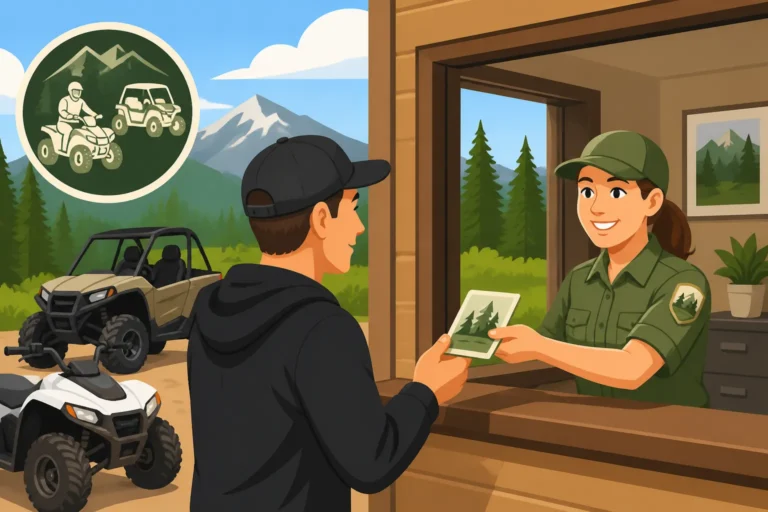
For those who prefer face-to-face transactions or need a permit immediately upon arrival, buying in-person is a great option. Wyoming utilizes a network of selling agents across the state, which makes finding a purchase location fairly easy. These agents include many county registration offices (sometimes the County Clerk or County Treasurer), powersports dealers, and even some U.S. Forest Service or Bureau of Land Management (BLM) offices located near popular riding areas.
This widespread availability means you can often pick up a permit on your way to the trailhead or shortly after entering the state. When buying in person, you'll receive your decal on the spot, allowing you to affix it immediately and legally start your adventure. It's a good idea to call ahead to your chosen location to confirm their hours and that they stock ORV permits. You can find more information about these locations by looking at [Where Wyoming Sells ORV Permits] or [Buying a Permit at a Forest Office].
Buying Your Permit Online
If convenience is your top priority, especially if you want to be prepared before you even leave your home state, buying your Wyoming ORV permit online is an excellent choice. The Wyoming State Trails Program typically offers an online portal where you can purchase your decal. This option allows you to complete the transaction from anywhere, at any time, and have the permit mailed directly to you.
While online purchasing is convenient, remember to account for shipping time. If you're planning a trip soon, ensure you order with enough lead time for the decal to arrive before you depart or before you plan to ride. It’s definitely not something you want to wait until the last minute for, especially if your trip is just around the corner. Once you receive it, you're ready to go! You can learn more about this process by checking out [Buying a Wyoming Permit Online].
What You'll Need to Bring/Provide
Regardless of whether you purchase your ORV permit in-person or online, you'll need to provide some basic information about yourself and your machine. This usually includes:
- Your Name and Contact Information: This is standard for any official purchase.
- Machine Details: Make, model, year, and the Vehicle Identification Number (VIN). The VIN is especially important as it uniquely identifies your machine and is printed on the permit decal.
- Payment: Be prepared with cash, card, or check as accepted by the selling agent or online system.
It’s always a good idea to have your machine's existing registration or title (if applicable from your home state) with you, even though Wyoming won't honor it for trail access, as it will contain all the necessary details like the VIN. Having this paperwork handy streamlines the process and ensures accuracy when the selling agent inputs your machine's data. If you're buying a used machine once you've moved to Wyoming, having a detailed bill of sale, perhaps generated through a service like LawDepot, can be useful for documentation, even if it's primarily for an ORV and not a street-legal vehicle requiring a title.
Decal Placement and Compliance
Getting your Wyoming ORV permit is only half the battle; the other half is ensuring you display it correctly and understand the implications of non-compliance. Wyoming game wardens, Forest Service rangers, and BLM agents regularly patrol popular riding areas, and they will check for valid permits. Proper decal placement isn't just a suggestion; it's a requirement that ensures your machine is easily identifiable as legally permitted.
Compliance isn't just about avoiding a ticket; it's about being a responsible rider and contributing to the system. Following the rules helps maintain good relationships with land managers and ensures the continued access we all enjoy. A little attention to detail after your purchase can save you a lot of hassle and potential fines down the trail.
Sticking the Decal Correctly
Once you receive your shiny new Wyoming ORV permit decal, proper placement is critical. The decal needs to be affixed in a conspicuous location on the machine where it is clearly visible and not easily obstructed. For ATVs, this often means on the front fender or another prominent, flat surface. For side-by-sides, it might be on the front hood, a side panel, or even the windshield (if it doesn't obstruct your view). The key is visibility.
The material of the decal is designed to be durable and weather-resistant, but ensure the surface you apply it to is clean and dry to guarantee good adhesion. Peeling or lost decals can lead to questions from enforcement, so take your time during application. An improperly displayed or missing decal, even if you’ve technically purchased one, can still lead to a citation. For detailed guidance on this, refer to [Sticking a Decal Where It Shows].
Keeping Proof of Purchase Handy
While the physical decal is the primary proof of your permit, it's always a smart move to carry a copy of your purchase receipt, especially if you've just bought the permit and the decal is brand new. In rare instances, a decal might be damaged or fall off, and having the receipt can quickly clear up any confusion with a patrolling officer. Keep it in a waterproof bag along with your other important documents.
Think of it as an extra layer of protection. Most of the time, the decal itself is all you'll need, but being prepared for any eventuality is part of responsible riding. An officer checking permits will likely look for the decal first, but if there's any ambiguity, a receipt provides undeniable proof of compliance. To learn more about what an officer looks for, check out [What a Warden Checks at a Trailhead].
Penalties for Non-Compliance
Riding an ORV on designated public lands in Wyoming without a valid and properly displayed permit can lead to a citation. The specific fines can vary, but generally, it's an expense you definitely want to avoid. Beyond the monetary cost, receiving a ticket can put a damper on your riding trip and even impact future access if you're not careful.
The penalties are in place to encourage compliance and ensure the funding model for the trails remains effective. It reinforces the idea that all users, regardless of residency, must contribute to the resource they are enjoying. So, before you unload that out-of-state machine and hit the dirt, take that small, crucial step of obtaining and properly displaying your Wyoming ORV permit. It's a small investment for peace of mind and legal access to some of the best riding in the country.
Titling Your Out-of-State Machine When Moving to Wyoming
If you're not just visiting but actually making Wyoming your new home, the conversation around your out-of-state machine shifts from merely obtaining a permit to potentially dealing with titles and full registration. This is where things can get a bit more nuanced, especially depending on the type of machine you own and whether you ever intend to ride it on public roads. Wyoming’s approach to titling ORVs is quite distinct from many other states.
Many new residents arrive expecting to title their ATV or side-by-side just like they would a car, only to discover that Wyoming has specific rules that don't always align with these expectations. Understanding these rules from the outset can save you a lot of confusion and trips to different county offices. It's about distinguishing between a purely off-road machine and one that might qualify for street-legal privileges.
When a Title Matters in Wyoming
For many traditional off-road vehicles like most ATVs and dirt bikes, Wyoming does not issue a title. This can be a significant departure from what you might be used to in other states where every motorized vehicle, regardless of its primary use, receives a title for ownership tracking. In Wyoming, if your machine is strictly an ORV, its ownership is typically handled through a bill of sale, much like an un-titled piece of equipment. This is a crucial distinction that often catches new residents by surprise. For more detail, read [Why Most Wyoming Off-Road Machines Have No Title].
However, a title does matter if your out-of-state machine fits Wyoming’s specific definition of a "Multipurpose Vehicle" (MPV). An MPV is essentially a side-by-side that meets certain criteria (like weight limits and seat height) that allow it to be titled and registered for limited use on public roads. If your side-by-side from another state qualifies as an MPV, then obtaining a Wyoming title becomes a necessary step if you wish to use it on enrolled public roads within the state.
Titling an MPV Multipurpose Vehicle
If your side-by-side was previously titled as a street-legal or dual-sport vehicle in your home state, and it meets Wyoming’s MPV criteria, then you can apply for a Wyoming title. The process involves taking your machine and its out-of-state title or MCO (Manufacturer's Certificate of Origin) to your County Clerk's office. They will verify the VIN, ensure the vehicle meets the MPV definition (which includes checking things like weight between 300 and 3,000 pounds, and a seat height of at least 24 inches from the ground), and process your title application.
Once titled as an MPV, you would then proceed to the County Treasurer's office to obtain a license plate and annual registration, allowing it to be ridden on designated public roads. This two-step process – title from the Clerk, then plate from the Treasurer – is unique to Wyoming. Keep in mind that even with an MPV title and plate, your machine still needs an ORV permit to ride on designated off-road trails. For comprehensive information, see [Titling a Multipurpose Vehicle in Wyoming].
The Lack of Titles for Most ORVs
For most out-of-state machines that are purely recreational ATVs or dirt bikes, you won't be able to get a Wyoming title, even if they had one in your previous state. This is often a significant source of confusion and sometimes frustration for new residents. Wyoming views these machines simply as off-road equipment, and ownership transfers are handled via a bill of sale, similar to how you might sell a dirt bike or quad that has always been in Wyoming.
When you move to Wyoming with such a machine, you don't "re-title" it in the traditional sense. Instead, you'll focus solely on getting the annual ORV permit decal if you plan to ride it on public lands. If you ever sell the machine, you'd provide the buyer with a bill of sale, possibly even a generic one from a reputable source like LawDepot, listing the VIN and other identifying information to prove the transfer of ownership. This system streamlines things for purely off-road machines but means a shift in mindset for those accustomed to titles for everything.
Key Considerations for Out-of-State Riders in Wyoming
Beyond the paperwork, there are crucial practical considerations for out-of-state riders navigating Wyoming's vast and varied terrain. The state boasts an incredible network of trails, but riding here comes with specific responsibilities and an understanding of the local rules that go beyond just a permit decal. Being prepared and informed ensures a safe, enjoyable, and compliant experience.
These considerations aren't just about avoiding trouble; they're about embracing the culture of responsible recreation that Wyoming actively promotes. Whether it's protecting the environment, ensuring the safety of all trail users, or simply being a good neighbor to landowners, your actions as an out-of-state rider reflect on the entire ORV community.
Riding Designated Routes Only
Wyoming, particularly on federal lands managed by the U.S. Forest Service and Bureau of Land Management (BLM), operates under a "designated routes only" policy. This means you can only ride your ORV on trails and roads that are specifically marked and open for ORV use. Cross-country travel or riding on closed routes is strictly prohibited and can result in significant fines and environmental damage.
Before you head out, it's essential to obtain and consult current Motor Vehicle Use Maps (MVUMs) for the specific area you plan to ride. These maps clearly show which routes are open, which types of vehicles are allowed, and any seasonal restrictions. Don't rely solely on general navigation apps; always cross-reference with an official MVUM. Ignorance of the rules is not an excuse for riding off-route, and wardens are diligent about enforcement. For more information, see [Wyoming Rules for Riding a National Forest] or [Wyoming Rules for Riding BLM Land].
Spark Arresters and Sound Limits
Wyoming has regulations regarding equipment on ORVs, particularly concerning spark arresters and sound limits. All ORVs operating on public lands in Wyoming are required to have a Forest Service approved spark arrester. This is a critical safety device designed to prevent wildfires, especially in dry conditions. Without a proper spark arrester, a stray spark from your exhaust could ignite dry vegetation, with devastating consequences. Enforcement officials will check for this.
Additionally, while Wyoming does have sound limits, they typically align with federal standards, meaning most stock machines will be compliant. However, modified exhausts that make your machine excessively loud could lead to issues. Being a considerate rider means keeping noise levels down, especially near populated areas, wildlife, or other trail users like hikers and equestrians. Ensuring your machine is equipped with a functional spark arrester and a stock or compliant exhaust is a non-negotiable part of responsible riding. Check out [Spark Arresters on Wyoming Trails] for more.
Safety and Respect on Wyoming Trails
Beyond the legalities, practicing good trail etiquette and prioritizing safety are paramount. Wyoming's trails are often shared with hikers, mountain bikers, horseback riders, and even livestock. Always yield to non-motorized users and horses, reduce your speed, and maintain a safe passing distance. Be mindful of wildlife, especially during sensitive times like calving season or near water sources.
Carrying essential safety gear, including a first-aid kit, tools, extra fuel, and plenty of water, is always a good idea, as many trails are remote with limited cell service. Inform someone of your route and expected return time. Respect private property boundaries and always close gates behind you. Being a good steward of the land and a respectful participant in the multi-use trail system ensures that everyone can enjoy Wyoming's natural beauty for years to come.
Special Scenarios for Out-of-State Machines
While the general rules for out-of-state ORVs in Wyoming are clear, certain situations can introduce additional questions. Whether you're part of a commercial operation, borrowing a machine, or even using a vehicle primarily on private land, understanding how Wyoming's permit system applies to these specific scenarios is important. The underlying principle generally remains the same: if it touches public land, it needs a Wyoming ORV permit.
These edge cases highlight the comprehensive nature of Wyoming's permit system and its intent to ensure that all machines contributing to trail wear and tear are contributing to their maintenance. Clarity on these points can help prevent misunderstandings and ensure full compliance, no matter your unique circumstances.
Registering a Rental Fleet from Out-of-State
If you operate an out-of-state business that offers ORV rentals and you plan to bring your fleet into Wyoming for tours or rentals, each machine in your fleet will need its own Wyoming ORV permit. There isn't a special "commercial" or "fleet" permit that overrides the individual machine requirement. Each ATV or side-by-side that will be used on designated public ORV trails must display a current Wyoming decal.
This applies equally to guest ranches or outfitters that bring in machines from out of state for client use. The permit is tied to the machine, not necessarily the owner or operator's residency status or business type. Therefore, factor the cost of individual Wyoming ORV permits into your business model if you intend to operate an out-of-state rental fleet within the Cowboy State's borders. This ensures your commercial operation is fully legal and contributes to the infrastructure your business relies on.
Wyoming Permits for a Borrowed Machine
What if you're riding a friend's ATV or side-by-side that is registered in another state? The answer remains consistent: if that borrowed machine is going to be ridden on designated public ORV trails in Wyoming, it must have a Wyoming ORV permit decal. It doesn't matter that you're just borrowing it for the day, or that the owner lives in another state. The permit requirement is attached to the machine itself, not the rider or the owner's primary residence.
This means if you borrow a friend's quad from, say, Fort Collins, and bring it to Wyoming, you'll need to purchase a [Wyoming ORV Permit for a Machine You Borrowed] before you hit the trails. It's a common point of confusion, but the rule aims for simplicity and universal application. Ensure the machine is properly permitted before you start your ride to avoid any legal issues.
What About a "Ranch-Only" Machine?
A frequently asked question, especially among those who live near the Wyoming border or have family in the state, is about machines used primarily on private land, such as a ranch. If your out-of-state machine is only ever used on private property and never touches any designated public ORV trails or enrolled roads in Wyoming, then it generally does not require a Wyoming ORV permit.
However, the moment that "ranch-only" machine traverses a public road to get from one section of private land to another, or accesses a designated ORV trail, even for a short distance, it must have a current Wyoming ORV permit. The lines can get blurry, particularly with section-line roads or easements that cross both private and public ground. When in doubt, it’s always safest to purchase the permit. It’s a small price to pay for peace of mind, especially if there’s any chance your machine will venture beyond strictly private, un-enrolled property.
Comparing Permit Purchase Options
To help you decide the best way to get your Wyoming ORV permit, here's a quick comparison of the common purchase options:
| Feature | In-Person Purchase (County Office, Dealer, Forest Office) | Online Purchase (State Website) |
|---|---|---|
| Convenience | Good, if near a selling agent. Limited by business hours. | Excellent, 24/7 access from anywhere. |
| Immediate Decal | Yes, you receive the decal on the spot. | No, decal is mailed. Requires shipping time. |
| Payment Options | Varies by location (cash, card, check). | Typically credit/debit card. |
| Assistance | Can ask questions directly to staff. | Limited to website FAQs or customer service contact if available. |
| Documents Needed | VIN, make/model, personal ID. | VIN, make/model, personal info for shipping. |
| Best For | Last-minute purchases, local residents, travelers. | Pre-trip planning, remote buyers, repeat purchases. |
This table provides a concise overview, but remember that specific details like payment methods can vary slightly by individual selling agent. Always verify before you make a trip.
Disclaimer
This article is for general informational purposes only and does not constitute professional advice. Laws, prices and regulations vary by location and change over time. Consult a qualified professional for guidance on your specific situation.