County Clerk or County Treasurer in Wyoming
Oh, the sheer confusion that can bubble up when you're trying to figure out the right paperwork for your beloved ATV or side-by-side here in Wyoming! You've got your machine, you're ready to hit those incredible trails, but then you hit a wall of bureaucracy: "Do I go to the County Clerk or the County Treasurer?" It's a common headache, and frankly, the rules aren't always crystal clear, especially with our unique Multipurpose Vehicle (MPV) designation. This guide is here to untangle that knot, showing you exactly which office handles what, and when, so you can spend less time in line and more time riding.
Navigating Wyoming's Off-Road Vehicle Designations
Before we even talk about which county office to visit, it's crucial to understand how Wyoming classifies your off-road machine. This is where most of the confusion begins, because depending on what you own and how you plan to use it, the paperwork trail can be vastly different. We don't just have "ATVs" and "UTVs" here; we have specific legal designations that dictate everything from titling to registration and even where you can ride.
Understanding the "Off-Road Vehicle" (ORV)
Let's start with the most common scenario for many riders: the "Off-Road Vehicle," or ORV. This designation typically covers your traditional ATVs, dirt bikes, and many side-by-sides that are primarily designed for, you guessed it, off-road use. Think about the machine you take deep into the forest on a designated trail or out to the sand dunes for some serious play. These machines are built for rugged terrain, not necessarily for cruising down a paved county road.
For most ORVs, the state of Wyoming doesn't require a traditional title in the same way it does for a car or truck. This is a huge point of difference that often trips people up, especially if they've moved here from another state that does title all off-road vehicles. Instead of a title, the primary piece of official paperwork you'll need for your ORV to ride on designated public lands is an annual state permit decal. This decal shows that you've contributed to the Wyoming Trails Program, which helps maintain and expand the very trails you love to ride. So, if your machine is purely an off-road beast, the County Clerk usually won't be your first stop for titling, because [Why Most Wyoming Off-Road Machines Have No Title]. You'll be looking for that decal instead.
Decoding the "Multipurpose Vehicle" (MPV)
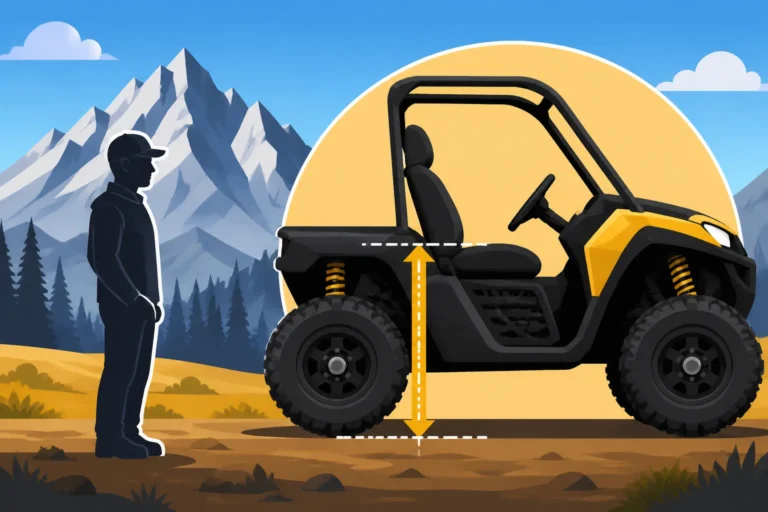
Now, this is where things get a bit more complex and where the County Clerk definitely comes into play. Wyoming has a special classification called the "Multipurpose Vehicle," or MPV. An MPV is essentially an off-road vehicle that has been modified and equipped to be street-legal on certain public roads. This isn't just any old side-by-side; it has to meet specific criteria, like weight limits (between 300 and 3,000 pounds) and a minimum seat height (at least 24 inches from the ground). It also needs safety equipment like headlights, taillights, a horn, mirrors, and more, similar to a regular vehicle.
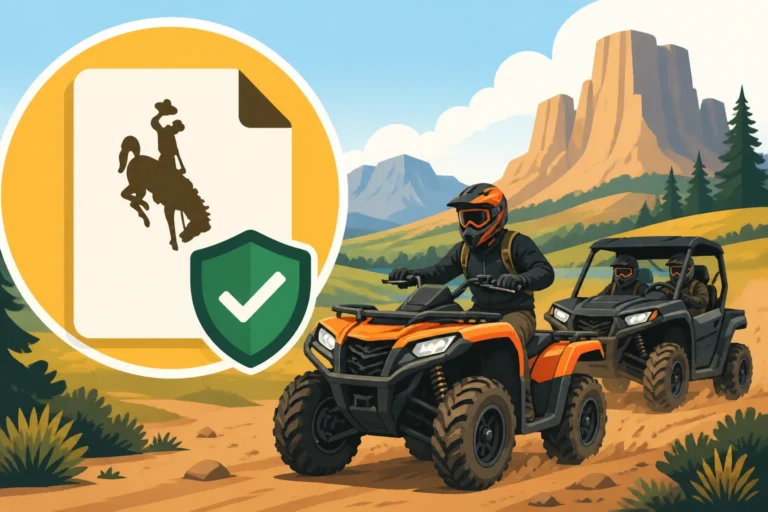
The MPV designation is crucial because it allows you to obtain a standard vehicle title and license plates, which then permits you to drive your machine on designated roads, not just trails. This is a game-changer for many, allowing you to connect trail systems, run into town for supplies, or simply enjoy a scenic backroad drive without having to trailer your machine everywhere. The requirements are strict, and you'll need to fill out a special checklist form to prove your machine qualifies. If your ATV or side-by-side fits these specific guidelines and you want to unlock its road-legal potential, then you're definitely looking at a trip to the County Clerk's office first, followed by the Treasurer's office. This is [Wyoming's Multipurpose Vehicle Class] in a nutshell, and it’s what often leads to the two-stop process we're discussing today.
When to Visit Your Wyoming County Clerk
When you hear "County Clerk" in Wyoming, especially in the context of vehicles, your mind should immediately lean towards titles. While most off-road vehicles don't get a traditional title, the Clerk's office is absolutely central for those machines that do, specifically our unique Multipurpose Vehicles (MPVs). They are the official record keepers of ownership, and their role is foundational for road-legal machines.
Titling a Multipurpose Vehicle (MPV)
If you're bringing a new MPV into your life, or converting an existing ORV to an MPV, your very first stop for official paperwork will be your County Clerk. This office serves as the official repository for vehicle ownership documents. When you obtain an MPV title, you are creating a legal record of who owns that machine, which is essential for proving ownership, selling it later, or even securing a loan against it. Think of it as the birth certificate for your road-legal side-by-side. The process involves presenting several key documents. You'll likely need your Manufacturer's Certificate of Origin (MCO) or Manufacturer's Statement of Origin (MSO) if it's a brand new machine, or a previous title and a bill of sale if you bought it used from another state.
Crucially, you'll also need to submit the completed MPV checklist form, which attests that your machine meets all the specific requirements to be classified as a Multipurpose Vehicle in Wyoming. This form is non-negotiable and proves your machine has the necessary modifications and equipment for road use. The clerk will verify these documents, process the application, and eventually issue you a Wyoming title. This step is the legal foundation for everything else, making sure your machine is officially recognized as yours. It’s a vital part of [Wyoming MPV Title Requirements] and kicks off the [Wyoming County Clerk Title Process].
Handling Bills of Sale and Ownership Transfers for ORVs
Even if your machine is a pure ORV and doesn't qualify for, or doesn't need, an MPV title, the County Clerk can still play an indirect but important role. While they don't issue titles for standard ORVs, they often deal with general records and, most importantly, notarization services. When you buy or sell an ORV, a well-drafted bill of sale is your absolute best friend. This document is your proof of ownership, specifying the machine, the buyer, the seller, and the purchase price. Without it, ownership transfers can become murky, especially if there's ever a dispute or if you need to prove the machine is yours for insurance or other purposes.
A common scenario is buying a used ATV from a private seller. Since there's no state-issued title for an ORV, that bill of sale becomes your primary evidence. Many folks choose to have their bill of sale notarized, and this is where the County Clerk's office (or a notary public elsewhere) comes in handy. Notarization adds an extra layer of legal legitimacy by verifying the identities of the signers, making it harder for someone to claim the document is fraudulent. This can be especially helpful if you're ever questioned about your machine's ownership. For peace of mind when [Selling an ORV in Wyoming] or [Buying a Used ATV in Wyoming], a robust bill of sale is key, and resources like LawDepot offer excellent templates to ensure you cover all your bases, providing that critical documentation even when a formal title isn't issued by the state. A notarized bill of sale can prevent countless headaches down the road.
When to Head to Your Wyoming County Treasurer
Once you’ve got a handle on the distinctions between an ORV and an MPV, the role of the County Treasurer becomes much clearer. If the County Clerk is all about official ownership records and titles (especially for MPVs), the County Treasurer is primarily concerned with registration and permits – the things that allow you to actually use your machine on public lands or roads.
Obtaining Your Annual ORV Permit Decal
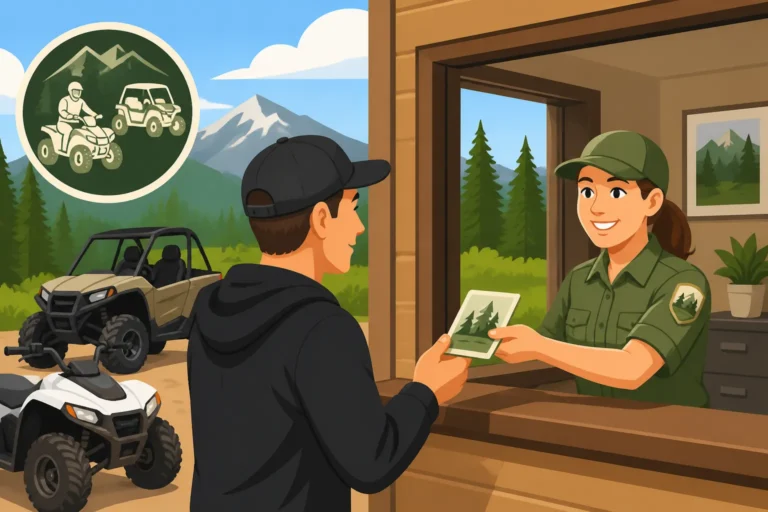
For the vast majority of off-road enthusiasts in Wyoming, your most frequent interaction with a county office for your machine will be at the County Treasurer's for your annual ORV permit decal. This little sticker is your golden ticket to riding on Wyoming's incredible network of designated ORV trails and roads, whether they're managed by the Forest Service, BLM, State Parks, or other agencies. Every single ORV that is ridden on public land in Wyoming needs one, regardless of whether you're a resident or just visiting from out of state. [Wyoming's Annual ORV Permit] runs on a calendar year, expiring on December 31st, so many riders make it a yearly tradition to visit the Treasurer's office or another authorized vendor.
The process is usually straightforward. You’ll provide some basic information about yourself and your machine (like the VIN), pay the fee, and walk away with your decal. This decal must be prominently displayed on your machine, usually in a visible spot like the left front fender or cowling, so that law enforcement or trail rangers can easily see it. The funds collected from these permits go directly back into the Wyoming Trails Program, supporting trail maintenance, new trail development, and educational initiatives. So, when you're thinking about hitting those trails, your first thought should be: "Do I have my current decal?" And if not, the County Treasurer's office is one of the primary places [Where Wyoming Sells ORV Permits], making it a quick and easy stop before your next adventure. This applies equally to [Wyoming ORV Permit for Nonresidents], as Wyoming doesn't have reciprocity with other states' registrations.
Registering and Plating Your Multipurpose Vehicle (MPV)
If you've gone through the process of titling your Multipurpose Vehicle (MPV) at the County Clerk's office, your next essential stop is the County Treasurer's office to get it registered and plated. This is the step that truly makes your MPV street-legal, allowing you to operate it on designated public roads. You can think of the Treasurer's role here as identical to registering and plating any other road vehicle, like your car or truck. You've established ownership with the Clerk; now you're establishing its legal right to operate on public thoroughfares.
When you visit the Treasurer, you'll need to bring your newly issued MPV title from the County Clerk. They will process your registration, collect the necessary fees (which may include registration fees, sales tax if applicable, and any other relevant charges), and then issue you a license plate. This plate, just like on any other vehicle, must be affixed to the rear of your MPV in a visible location. Without this plate and valid registration, even a titled MPV cannot legally be driven on public roads. It's a two-part dance for these versatile machines: title from the Clerk, then plate from the Treasurer. Understanding these [Wyoming MPV Plate Requirements] and the overall [Wyoming County Treasurer Plate Process] is critical for anyone wanting to take their side-by-side from the trail to the town roads legally.
Common Scenarios and Avoiding Headaches
Dealing with vehicle paperwork can often feel like a maze, especially when you're trying to do the right thing but the rules aren't immediately intuitive. Let's walk through some common situations that often lead to confusion about whether to visit the County Clerk or County Treasurer and how you can navigate them smoothly.
Buying or Selling a Used Machine in Wyoming
This is perhaps the most common scenario where people get tangled up. Imagine you're buying a used side-by-side from a private seller here in Wyoming. The first question that pops into your head might be, "Does it have a title?" For most ORVs, the answer will be no, and that's perfectly normal. But this lack of a title doesn't mean you can skip proof of ownership. A comprehensive bill of sale is absolutely paramount. This document should include the VIN (Vehicle Identification Number) of the machine, the names and addresses of both buyer and seller, the date of sale, and the purchase price. Without it, you're essentially buying a machine with no legal proof it's yours, which can lead to serious problems down the line, from theft recovery issues to reselling it yourself. For peace of mind, having the bill of sale notarized, a service often available at the County Clerk's office, can add an extra layer of verification.
Now, if that used machine happens to be an MPV or is being sold with the intent to become one, then a title will be involved, and that's where the County Clerk directly comes in for the title transfer. They will ensure the previous owner's title is properly signed off and a new title is issued in your name. Always, always check the VIN against the bill of sale or title to ensure they match. A quick VIN check can also reveal if the machine has been reported stolen. Whether for an ORV or an MPV, knowing the exact requirements helps avoid issues when [Buying a Used ATV in Wyoming] or fulfilling [Wyoming ATV Bill of Sale Requirements]. Services like LawDepot can provide robust bill of sale templates that cover all the necessary details, protecting both buyer and seller in the transaction.
Moving to Wyoming with an Off-Road Vehicle
Welcome to Wyoming! We're thrilled to have you and your off-road machine. But before you hit those stunning trails, you'll need to understand how your out-of-state paperwork translates (or doesn't translate) here. Wyoming does not have reciprocity agreements with other states when it comes to ORV permits. This means that even if your ATV has a valid registration or decal from Montana, Colorado, or anywhere else, it won't be honored on Wyoming's designated public lands. You'll need to purchase a Wyoming ORV permit decal, which is typically handled at the County Treasurer's office or other authorized vendors. This applies to everyone, whether you're a new resident or just visiting for a week.
If you're bringing an MPV (a street-legal side-by-side, for example) that was titled and plated in another state, you'll need to go through our state's process for titling and registering it as a Wyoming MPV. This will start at the County Clerk's office to transfer your out-of-state title to a Wyoming title, assuming your machine meets our MPV criteria. Then, with your new Wyoming title, you'll head to the County Treasurer for your Wyoming license plates. It's a two-step process, but it ensures your versatile machine is fully legal for both trail and road use within our borders. Understanding [Registering an Out-of-State Machine in Wyoming] is key to a smooth transition.
Inheriting or Gifting an ATV/UTV
Sometimes a machine comes into your possession through less conventional means, such as an inheritance or a generous gift. This can add another layer of complexity to the paperwork process. If you inherit an MPV that has a title, you'll definitely be visiting the County Clerk's office. They will guide you through the process of transferring the title into your name, often requiring probate documents, a death certificate, or an affidavit of heirship. This ensures the chain of ownership remains clear and legally sound. Once the title is in your name, you'll then proceed to the County Treasurer for registration and new plates, if you intend to operate it as an MPV on the road.
For an inherited or gifted ORV (one without a title), the situation is similar to a private sale: a clear, detailed bill of sale or gift affidavit is essential. While the County Clerk won't issue a title for it, they might be able to notarize an affidavit of gift or an ownership transfer document, solidifying your claim to the machine. After establishing ownership, your next step for an ORV is to head to the County Treasurer or another vendor to purchase the annual Wyoming ORV permit decal. Without that decal, even a gifted machine cannot legally be ridden on public trails. [Registering an Inherited Machine in Wyoming] requires attention to detail, but knowing which office handles which piece of the puzzle makes it much less daunting.
The Interplay Between Clerk and Treasurer for MPVs
It’s easy to get frustrated when it feels like you're bouncing between government offices. But for Multipurpose Vehicles, this two-stop process at the County Clerk and then the County Treasurer isn't just arbitrary; it serves distinct and important legal functions. Understanding why it works this way can make the whole experience feel less like a bureaucratic hurdle and more like a logical progression.
The Two-Stop Process for Street-Legal Machines
Let's imagine you've just bought a brand new side-by-side, and you're planning to outfit it with all the bells and whistles to make it a legitimate MPV for use on Wyoming's designated county roads. Your journey begins at the County Clerk's office. Their primary role in this process is to establish and record legal ownership through the issuance of a title. This title verifies that you are the rightful owner of this specific vehicle, identified by its VIN. It's about property rights, liens, and the fundamental legal claim to the machine. You'll bring your Manufacturer's Certificate of Origin (MCO) and the completed MPV checklist to the Clerk. Once they verify everything, they issue your Wyoming MPV title.
Only after you have that title in hand do you then proceed to the County Treasurer's office. The Treasurer's function is different: they are responsible for registering the vehicle for public road use and collecting the associated taxes and fees, then issuing the actual license plates. This step is about permission to operate on public infrastructure, ensuring the vehicle meets current registration standards, and contributing to local and state services. So, you can see why it's a two-stop process: first, prove ownership (Clerk), then get permission to operate on public roads (Treasurer). It’s sequential because you can't register a vehicle for road use until its ownership is legally established. This clear division of duties ensures that both the legal ownership and the operational legality of your MPV are properly documented. [Two Counters for One Machine] is a reality for MPVs, but it's a logical one.
Why an ORV Might Never See the Clerk's Office
Conversely, if your machine is a traditional Off-Road Vehicle (ORV) – a dirt bike, a quad, or a side-by-side that either doesn't meet MPV criteria or you simply have no intention of making it street-legal – then your interaction with the County Clerk will likely be minimal, if not non-existent. For these machines, Wyoming law doesn't require a certificate of title from the state. This is often a relief for riders, as it cuts down on a layer of paperwork. You simply don't need a traditional title from the Clerk's office to legally own and operate a standard ORV on trails.
Instead, your primary piece of official state paperwork for an ORV is the annual permit decal from the Wyoming Trails Program. This decal, as we've discussed, is typically purchased at the County Treasurer's office or other authorized vendors, not the Clerk's. The focus for ORVs is on contributing to the trail system and adhering to trail use regulations, rather than navigating the complexities of road-legal titling and registration. This distinction is crucial for new riders or those from states with different rules. It means for many of us, our beloved off-road machines will only ever interact with the Treasurer's office for that yearly sticker, providing a much simpler path to legal trail enjoyment. It’s the very reason [Why Most Wyoming Off-Road Machines Have No Title], and it simplifies the process for thousands of riders across the state.
Resources and Next Steps
Navigating state and county offices can be a bit overwhelming, but with a clear understanding of who handles what, you're already halfway there. Knowing where to find the right information and what documents to have ready can save you a lot of time and frustration. Remember, these offices are there to help, even if their processes sometimes feel a little convoluted!
Online Tools and Local Offices
For most of your ORV and MPV needs, you'll be interacting with county-level offices. The best way to start is by locating your specific County Clerk and County Treasurer's offices. A quick search on your preferred search engine for "[Your County Name] County Clerk Wyoming" or "[Your County Name] County Treasurer Wyoming" will typically lead you to their official websites. These sites usually provide hours of operation, contact numbers, and sometimes even lists of required documents or downloadable forms. Don't hesitate to call ahead, especially for complex situations, as rules and requirements can sometimes have nuances.
Beyond the county offices, the Wyoming State Parks, Historic Sites and Trails Program website is an invaluable resource. This is where you'll find official information about the ORV permit program, including how to purchase your annual decal, a list of vendors (which often includes County Treasurers), and details about the trails program itself. While you can often buy permits at local Treasurer offices, sometimes there are online options or other specific selling agents for the [Wyoming's Annual ORV Permit]. Always double-check official state and county websites for the most current information.
Essential Documents to Prepare
Walking into any government office with all your ducks in a row can make a world of difference. Here’s a general checklist of documents you should consider gathering, depending on whether you're dealing with an ORV or an MPV, and whether you're titling, registering, or getting a permit:
- For ORV Permit (County Treasurer or authorized vendor):
- Your valid driver's license or state ID.
- The Vehicle Identification Number (VIN) of your machine.
- Payment for the permit fee.
- For MPV Titling (County Clerk):
- Your valid driver's license or state ID.
- Manufacturer's Certificate of Origin (MCO/MSO) for new machines, OR the previous owner's signed-off title for used machines.
- A completed and signed bill of sale (if buying used).
- The completed "Multipurpose Vehicle Classification Checklist" form, confirming your machine meets MPV criteria.
- Proof of sales tax payment or exemption, if applicable.
- Payment for title fees.
- For MPV Registration and Plates (County Treasurer, after titling):
- Your newly issued Wyoming MPV title from the County Clerk.
- Your valid driver's license or state ID.
- Proof of insurance (required for road-legal vehicles).
- Payment for registration fees, plate fees, and any applicable taxes.
For transactions like buying or selling, especially for ORVs that don't have titles, a clear and comprehensive bill of sale is your legal backbone. Generic forms might miss key details, so considering a reputable template from a service like LawDepot can ensure you have all the necessary information, protecting both parties involved. Having all these documents organized and ready will streamline your visit and get you out on the trails or roads faster.
County Offices at a Glance: Clerk vs. Treasurer
To summarize the key distinctions and help you remember which office for which task, here’s a quick reference table. This should clarify the primary roles of each county office regarding your off-road adventures in Wyoming.
| Task / Machine Type | County Clerk (Titles & Ownership) | County Treasurer (Permits & Registration) | Notes |
|---|---|---|---|
| ORV (e.g., standard ATV, dirt bike) | Generally No traditional title issued. | Yes, issues annual ORV permit decal. | Bill of sale crucial for ownership proof; Clerk may notarize. |
| MPV (street-legal side-by-side) | Yes, issues official Wyoming MPV title. | Yes, registers and issues license plates for MPVs. | MPV titling (Clerk) must precede registration/plating (Treasurer). |
| Transferring Ownership (ORV) | May notarize bill of sale for proof of ownership. | Not directly involved in ownership transfer; focus on permit for new owner. | Bill of sale is your primary proof. |
| Transferring Ownership (MPV) | Yes, processes title transfer to new owner. | New owner then registers and plates with Treasurer. | Required for legal ownership change and continued road use. |
| Bringing Out-of-State Machine | Yes, if MPV, transfers out-of-state title to WY title. | Yes, issues WY ORV decal (for ORVs) or WY plates (for MPVs). | No reciprocity for ORV permits; MPVs must re-title and register in WY. |
Disclaimer
This article is for general informational purposes only and does not constitute professional advice. Laws, prices and regulations vary by location and change over time. Consult a qualified professional for guidance on your specific situation.