Why a Selling Agent Keeps $1 of Every Permit
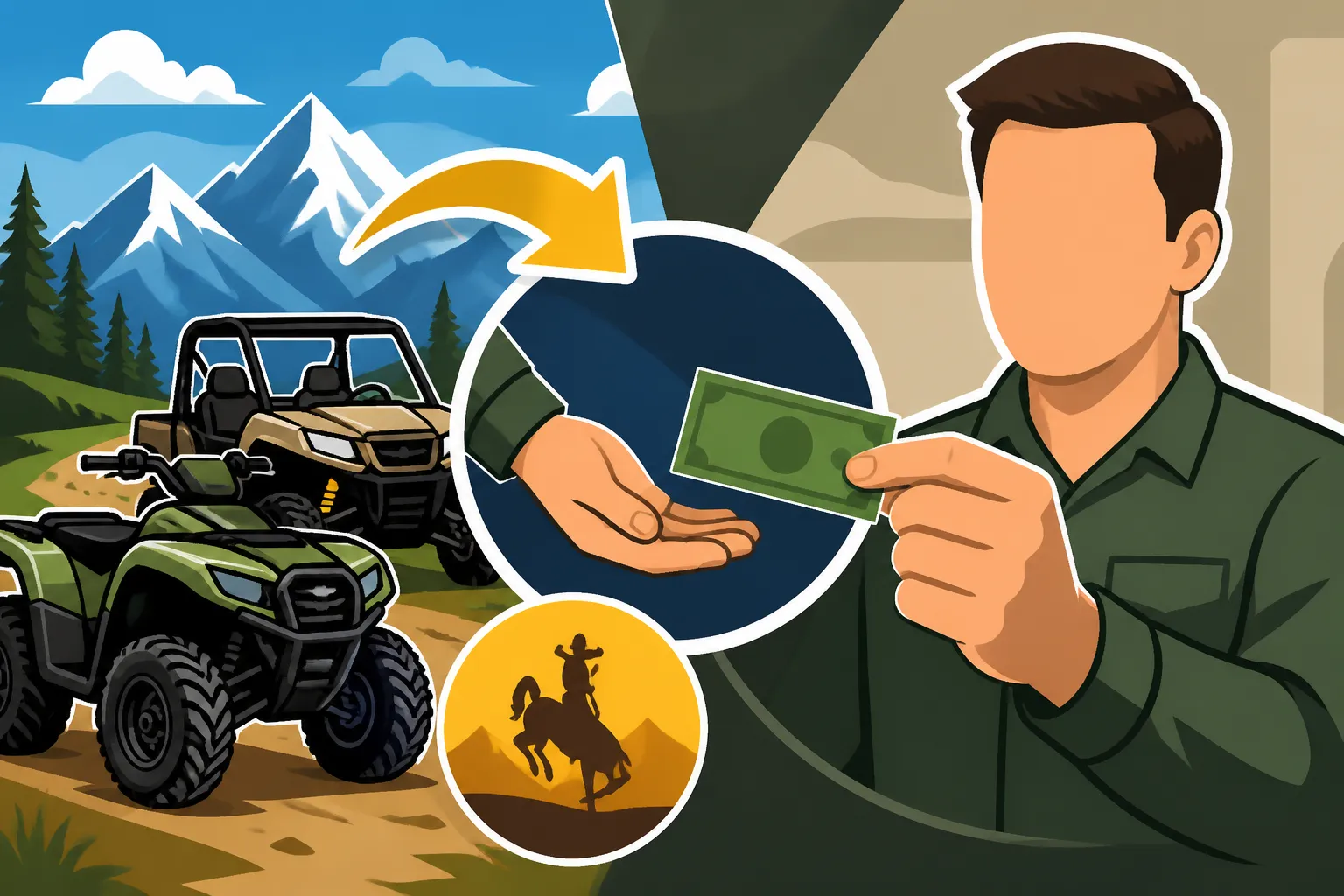
It's a common moment for many off-road enthusiasts: you're at the counter, ready to get your Wyoming ORV permit, and you see the total. While the bulk of that fee goes directly into maintaining the incredible trails we love, you might wonder about the small sliver that seems to disappear. Specifically, why does the selling agent get to keep a dollar from every permit? It’s a valid question that often sparks curiosity, especially when you're used to paying a flat fee for state services. This guide will peel back the layers of Wyoming's ORV permit system, explaining the vital role of these selling agents and why that single dollar is an essential cog in keeping our beloved riding areas accessible and well-maintained.
Understanding Wyoming's ORV Permit System
Before we dive into the specifics of the selling agent's fee, it's crucial to grasp the foundation of Wyoming's off-road vehicle (ORV) permit system. This system is designed to be straightforward, yet incredibly effective, in supporting the vast network of trails and roads that make Wyoming a premier destination for ATV and UTV riders.
The Basics of the Wyoming ORV Permit
At its heart, the Wyoming ORV permit is a user-funded mechanism. It's not just a piece of paper or a decal; it's a direct investment into the trails you ride. When you purchase this permit, you're contributing to a dedicated fund that goes right back into maintaining, improving, and expanding the state's incredible riding opportunities. This ensures that when you hit the dirt, you're riding on well-marked, safe, and sustainable routes. The purpose is crystal clear: provide resources for the Wyoming State Trails Program, which benefits all kinds of non-highway recreation.
The permit operates on a calendar-year basis, meaning it's valid from January 1st through December 31st, regardless of when you purchase it. There's one flat fee for everyone, whether you're a long-time resident or just visiting from out of state for a week-long adventure. This universal pricing structure simplifies the process and ensures equitable contributions from all users who enjoy Wyoming's expansive landscapes. For many riders, understanding [Wyoming's Annual ORV Permit] and its associated [Wyoming ORV Permit Cost] is the first step in responsible recreation, and knowing [Why Wyoming Charges Everyone the Same] helps foster a sense of shared responsibility among the riding community.
Who Needs a Wyoming ORV Permit?
The short answer is: almost everyone who plans to operate an ORV on designated public lands in Wyoming. This isn't a system with complex reciprocity agreements where your home state's registration will suffice. Wyoming stands firm on its position that if you're riding here, you need a Wyoming permit. This applies whether you're cruising through the Killpecker Sand Dunes, exploring the Bighorn National Forest, or traversing miles of BLM roads.
This rule is consistent for both residents and non-residents, and it applies to virtually all off-road machines – from your trusty ATV to a powerful side-by-side, even youth machines. You might have a perfectly valid registration from Montana, Colorado, or Utah, but when your tires touch Wyoming soil on public land, that [No Reciprocity in Wyoming, Stated Plainly] policy kicks in. This approach ensures that all users contribute to the upkeep of the trails they enjoy, rather than relying on funds from other states. For out-of-state visitors, understanding [Wyoming ORV Permit for Nonresidents] is crucial to avoid any unexpected fines or disruptions to their riding plans. It might seem like an extra step, but it's directly tied to preserving the quality of the trails for everyone.
The Role of Selling Agents in the Permit Process
Now that we understand the necessity and purpose of the Wyoming ORV permit, let's turn our attention to the people and places that make these permits readily available: the selling agents. These agents are the backbone of permit distribution, acting as convenient touchpoints for riders across the state and beyond.
Who Are These "Selling Agents"?
When you think about where you can pick up a Wyoming ORV permit, it's not just a single state office. Wyoming has wisely established a wide network of authorized selling agents to make the process as easy as possible for riders. These agents come in various forms, strategically located to serve diverse needs. You'll find permits available at numerous powersports dealerships across Wyoming, places where you might already be buying parts, gear, or even a new machine. These dealers often understand the rider's mindset and the urgency of getting a permit before a big trip.
Beyond dealerships, county clerk or treasurer offices in many counties also serve as selling agents. This provides a traditional, governmental point of sale, often co-located with other vehicle registration services. Furthermore, many state parks, U.S. Forest Service offices, and even some small-town businesses near popular riding areas are authorized to sell permits. Imagine pulling your rig into a small town near a trailhead, realizing you forgot your permit, and being able to quickly grab one at a local gas station or general store. This vast network of sales points is incredibly convenient for riders, especially those traveling from out of state. It saves them the hassle of having to detour far off their route. For a comprehensive list, you can usually find information on [Where Wyoming Sells ORV Permits], or specifically look into [Buying a Permit at a Forest Office] or [Buying a Decal at a Powersports Shop] depending on your location and preference.
The Administrative Burden of Permit Sales
While picking up a permit might seem like a simple transaction for the rider, being a selling agent comes with its own set of administrative responsibilities and costs. It's not just about handing over a decal and taking cash. Each agent must manage inventory, ensuring they have enough decals on hand for peak seasons. This involves ordering, receiving, and securely storing these valuable permits.
Then there's the transaction itself. Each sale requires accurate record-keeping, often involving specific forms that need to be filled out with the buyer's information and machine details. This data collection is vital for the state's tracking and enforcement efforts. After sales are made, agents are responsible for regularly reconciling their sales, often submitting detailed reports and remitting the collected funds (minus their fee) to the state. This process requires staff time, accounting resources, and sometimes even dedicated software or systems. While you can often find resources on sites like LawDepot for various legal documents, simplifying other aspects of life, the physical handling and record-keeping for ORV permits is a hands-on, administrative task that requires attention to detail. This administrative burden, though often unseen by the casual buyer, is a real cost for these businesses and government offices.
Breaking Down the $1 Agent Fee
So, that seemingly small $1 fee the selling agent keeps from each permit is starting to make a bit more sense, right? It's not a random charge or a way for agents to get rich; it's a carefully considered component of the permit distribution system.
Compensation for Services Rendered
Think of that dollar as a small reimbursement for the work involved. As we just discussed, selling a permit isn't a zero-cost operation for the agent. They're performing a service on behalf of the state. This service includes the staff time spent on each transaction – greeting the customer, looking up information, filling out forms, handling payment, and providing the decal. It also covers a tiny fraction of their overhead costs, such as the electricity for their lights, the rent for their retail space, or the cost of the computer and printer used for record-keeping.
This isn't intended to be a major profit center for the agents. Instead, it's designed to offset some of the direct and indirect costs associated with being a permit vendor. Without this modest compensation, many businesses or county offices might find it economically unfeasible to participate in the program. If a local powersports dealer, for example, had to absorb all the costs of selling permits with no compensation, they might opt out, reducing the number of convenient places for riders to purchase. When you're dealing with official documents and transactions, even simple ones, there's always an administrative layer. While LawDepot can help individuals create forms like bills of sale or rental agreements with ease, the physical process of selling state-issued decals involves a different kind of logistical effort that needs to be acknowledged and covered.
Ensuring Broad Access and Convenience
The $1 agent fee plays a critical role in incentivizing a broad network of selling agents. By offering this small financial incentive, the state ensures that permits are available in numerous locations, not just a few centralized government offices. This widespread availability is a huge benefit to riders, especially those who might be traveling long distances to reach Wyoming's popular riding areas.
Imagine driving hundreds of miles to hit the trails near Sheridan or Evanston, only to realize you forgot your permit, and the nearest place to buy one is an hour's drive in the opposite direction. That's a huge frustration and a potential deterrent to riding. With agents scattered throughout the state, often in small towns near trailheads or along major travel corridors, riders can often pick up a permit right on their way. This convenience means less time spent looking for permits and more time on the trail. It's especially valuable for out-of-state riders who might be less familiar with local regulations and where to go. Being able to buy a permit at a local shop or a ranger station near their destination, as highlighted in [Buying a Permit on the Drive to the Trailhead], removes a significant barrier and promotes responsible riding by making compliance easy. The small fee is essentially an investment in a robust, rider-friendly distribution system.
Where the Rest of Your Permit Money Goes
While that single dollar goes to the selling agent, it's important to remember that it's a tiny fraction of the overall permit cost. The vast majority of your permit fee—the remaining amount—is dedicated to a much larger and more impactful purpose: the maintenance and enhancement of Wyoming's impressive ORV trail system. This is where your contribution truly makes a difference.
Funding Wyoming's ORV Trails Program
The primary beneficiary of your permit purchase is the Wyoming State Trails Program. This program is directly responsible for the health and quality of the state's non-highway motorized recreation areas. When you pay for a permit, that money funnels into a dedicated account that funds a wide array of activities essential for a top-tier riding experience. This includes, but isn't limited to, the physical maintenance of trails – clearing brush, repairing erosion, grooming, and improving surfaces to ensure they are safe and enjoyable.
Beyond just physical upkeep, a significant portion of the funds goes towards installing and maintaining crucial signage. Clear, consistent signage is vital for rider safety, navigation, and adherence to trail rules, preventing riders from inadvertently straying onto private land or sensitive wildlife habitat. Furthermore, your money helps fund essential amenities at trailheads, such as vault toilets, picnic tables, and improved parking areas. The program also supports various grants for local groups and land management agencies (like the Forest Service and BLM) to undertake specific trail projects, ensuring that the work is often done by those with the most direct knowledge of local needs. Knowing [Where Wyoming ORV Permit Money Goes] and understanding how [Wyoming Permits and the Trails Program] are intrinsically linked, illustrates the direct impact of your purchase. It's not just a fee; it's a contribution to the very trails you ride.
Local Control and Program Sustainability
One of the great strengths of Wyoming's ORV permit system is the emphasis on local control and ensuring that the funds collected are used where they are most needed and most effective. The money generated from permit sales often stays within the region or county where it was collected, or it's distributed based on need to support projects that directly benefit the local riding community. This localized approach means that the trail projects funded are typically those identified as priorities by local land managers and user groups, rather than being dictated by a distant central authority. This direct reinvestment creates a tangible link between the rider's dollar and the improvements they see on their favorite trails. For instance, [Why Fees Stay Where They Were Collected] is a testament to this commitment to local investment, empowering communities to take ownership of their recreational resources.
This localized funding model is critical for the long-term sustainability of the trails program. It fosters a sense of stewardship among residents and creates a consistent revenue stream that allows for proactive maintenance and planning, rather than just reactive repairs. It's about ensuring that future generations of riders can enjoy the same, if not better, quality of trails. The ability to fund [Grants That Cut New Trail] or improve existing ones directly contributes to the longevity and allure of Wyoming's outdoor recreation scene, making it a sustainable model for both current and future enthusiasts.
Alternatives and Comparisons
While the Wyoming ORV permit system, with its network of selling agents, is incredibly effective, it's helpful to consider alternative methods of purchasing and how Wyoming's approach compares to what you might find elsewhere. This helps to underscore the value and convenience of the current system.
Online Permit Purchase vs. Agent Purchase
Wyoming offers more than one way to get your permit, giving riders flexibility. You can purchase your ORV permit online through the state's website. This method offers the convenience of buying from home, any time of day, without having to visit a physical location. For many, especially those who plan ahead, this is a preferred option. The permit is mailed to you, meaning you don't have to worry about finding an agent or carrying cash. However, there's a trade-off: mailing time. If you're planning an impromptu trip or realize at the last minute that your permit is expired, an online purchase might not get you the decal in time for your ride. This is where [How Long a Decal Ordered Online Takes to Arrive] becomes a critical consideration.
This is precisely where the selling agents shine. When you walk into a dealer or a county office, you walk out with your decal immediately. This instant gratification is invaluable for spontaneous trips, for out-of-state visitors just arriving, or for those who simply prefer face-to-face transactions. It eliminates the waiting period and the uncertainty of mail delivery. While you might use a service like LawDepot for quick, online generation of legal documents, the physical permit decal still needs to be obtained. The agent network provides that immediate, tangible fulfillment that online orders can't always match, especially when you need to be ready to ride now. Both methods have their strengths, catering to different rider needs and planning styles. For more information on online options, you can check out [Buying a Wyoming Permit Online].
Why Some States Differ
It's common for states to have varying approaches to off-road vehicle registration and permitting. Some states might have more complex reciprocity agreements, honoring permits from neighboring states. Others might integrate their off-road vehicle registration more closely with general vehicle registration, or have different funding mechanisms for their trail systems. Wyoming's system, with its specific permit and the $1 agent fee, is tailored to its unique landscape, administrative needs, and rider demographics.
The reason Wyoming has chosen this path is rooted in efficiency and direct funding for its trails. By requiring every machine on public land to carry a Wyoming permit and by compensating selling agents, the state ensures a consistent, dedicated revenue stream for its extensive trail network. This model minimizes reliance on general tax funds or inconsistent federal allocations, providing a more stable source of funding for trail work. While a state like Colorado or Utah might have slightly different regulations or permit structures, Wyoming's clear, flat-fee, non-reciprocal system, supported by its widespread agent network, is designed to be transparent and directly beneficial to its ORV community. It's a system that prioritizes user contribution for user benefit, ensuring the continuous enjoyment of the state's incredible outdoor recreation opportunities.
Permit Fee Breakdown: At a Glance
To quickly summarize where your money goes when you purchase a Wyoming ORV permit, here's a helpful breakdown:
| Component | Amount Kept (Example) | Purpose | Benefit to Rider |
|---|---|---|---|
| Selling Agent | $1.00 | Compensation for administrative tasks (inventory, record-keeping, staff time), overhead costs. Incentive to participate in the permit program. | Ensures permits are widely available and easily accessible at numerous locations (dealers, county offices, ranger stations), especially convenient for last-minute purchases or out-of-state visitors. Immediate decal in hand. |
| Wyoming State Trails Program | Remaining Balance | Funds for trail maintenance (clearing, erosion repair, grooming), signage (safety, navigation), trailhead amenities (toilets, parking), and grants to land management agencies for specific trail projects. | Directly improves and maintains the quality, safety, and accessibility of Wyoming's ORV trails. Provides new riding opportunities and supports infrastructure. Ensures a sustainable network of trails for all users. Funds stay mostly in the local area. |
When you consider that small dollar in the context of the larger picture, it really does make sense. It’s not just a fee; it's an investment in the ease of getting your permit and the ongoing quality of the trails you love to ride.
At the end of the day, that small dollar kept by the selling agent isn't a mysterious charge; it's a practical and vital part of how Wyoming keeps its incredible ORV trail system running smoothly. It's the incentive that ensures convenient access to permits across the state, from your local powersports dealer to a ranger station deep in the forest. While the bulk of your permit fee goes directly into maintaining and improving the trails themselves, that dollar allows the network of dedicated agents to handle the administrative load, ensuring you can grab your decal quickly and get back to what you love most: riding. It’s a small price for convenience and a testament to Wyoming's commitment to supporting both its riders and the businesses that serve them.
Disclaimer
This article is for general informational purposes only and does not constitute professional advice. Laws, prices and regulations vary by location and change over time. Consult a qualified professional for guidance on your specific situation.