Where $1 of Your $15 Permit Goes
It can be a little bewildering when you're trying to do the right thing and get your off-road vehicle legal for Wyoming's incredible trails, only to wonder about the breakdown of that permit fee. You hand over your hard-earned cash, and while you know it goes towards a good cause, the specifics can feel like a mystery. This guide is here to unravel one small but significant piece of that puzzle, specifically answering where that crucial dollar from your $15 Wyoming ORV permit actually goes, and why it's a vital part of keeping the system running smoothly.
Unpacking the Wyoming ORV Permit Fee Structure
Getting out on Wyoming's vast network of trails with your ATV, UTV, or dirt bike is an experience like no other. From the rolling sagebrush hills to the towering peaks, the Cowboy State offers unparalleled access for off-road enthusiasts. To enjoy these public lands legally, every machine needs a [Wyoming's Annual ORV Permit]. This permit costs a flat rate, which currently stands at $15 for both residents and non-residents alike. It's a remarkably affordable fee when you consider the upkeep of thousands of miles of trails and the infrastructure that supports them. However, that $15 isn't just one big pot; it's carefully distributed to ensure the entire system functions.
The $15 Permit: A Look at the Total Cost
The sticker price of a Wyoming ORV permit might seem straightforward, but it's the underlying allocation that truly defines its purpose. When you buy your permit, whether it's for a roaring side-by-side or a nimble dirt bike, you'll pay that $15. This single price covers your machine for the entire calendar year, regardless of when you purchase it. There's no pro-rating; the permit expires on December 31st of the year it's issued. For many riders, especially those visiting from out of state, this flat fee offers fantastic value, granting access to an immense amount of public land for a relatively small investment. It helps to remember that this isn't just a charge for entry; it's an investment in the longevity and quality of the riding experience across Wyoming.
Identifying the Selling Agent's Portion
So, out of that $15 you pay, a specific portion is immediately earmarked for the entity that processes your transaction. One dollar of that fee is retained by the selling agent. This isn't a hidden charge or an extra fee you pay; it's simply a component of the overall permit cost. It's baked into the system to incentivize and compensate the various businesses and government offices that take the time and effort to make permits readily available to the public. Without these agents, getting your permit would be a much more centralized and potentially inconvenient process, limiting accessibility for many riders eager to hit the trails.
The Integral Role of Selling Agents
The question of why a dollar from your permit goes to a selling agent is rooted in practical logistics and effective public service. Wyoming understands that getting permits into the hands of riders needs to be as easy and widespread as possible. This is where the network of authorized selling agents comes into play, acting as crucial intermediaries between the state's Parks, Historic Sites, and Trails division and the off-road community.
Who Are These Selling Agents?
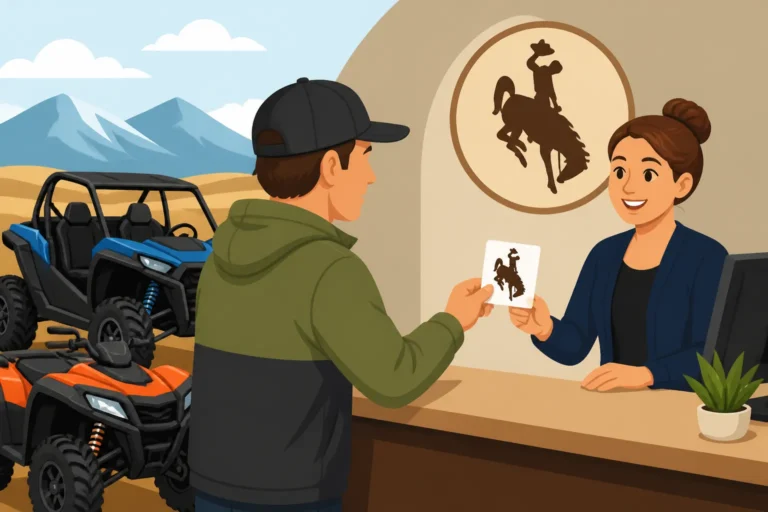
Wyoming has established a broad network of places where you can purchase an ORV permit. These aren't just state offices; they include a variety of businesses and agencies that cater to outdoor enthusiasts. You might find yourself [Buying a Permit at a Powersports Shop] in a bustling town, where the staff are already experts in off-road vehicles. Alternatively, you could pick one up at a hardware store or a bait and tackle shop, places that are often community hubs for outdoor recreation. Even some local government offices, like a county clerk's office or a county treasurer's office, can act as selling agents, providing a convenient option for residents. For those planning a trip, [Buying a Permit at a Ranger Station] or a Forest Service office near a popular trail system can be incredibly convenient, allowing you to get legal right before you unload your machine.
These diverse locations ensure that whether you're a local resident or a visitor just passing through, there's likely a permit vendor relatively close by. This widespread availability is critical for ensuring compliance and making it easy for everyone to contribute to the trail system.
Why Agents Retain a Portion of the Fee
The $1 that selling agents retain from each permit isn't merely a commission; it's compensation for the time, effort, and resources involved in processing these transactions. Think about it: these agents have to stock the physical decals, handle the paperwork, enter data into the system, and manage the financial reconciliation. They provide customer service, answer questions, and sometimes even educate riders on the rules and regulations. This administrative burden, while seemingly small per transaction, adds up. The dollar helps cover their operational costs, such as staff time, internet connectivity, and secure handling of funds. It acts as an incentive, encouraging more businesses to become authorized vendors, thereby increasing the accessibility of permits for the riding public. Without this incentive, many businesses might find the process too cumbersome or unprofitable to participate, leading to fewer places where you can conveniently buy a permit. This system is a pragmatic approach to decentralizing permit sales and enhancing convenience for riders across the state. It's a small but powerful piece of the puzzle that helps make the [Where Wyoming Sells ORV Permits] network so robust.
Funding Wyoming's Off-Road Trail System
While the dollar for the selling agent is crucial for distribution, the remaining $14 of your permit fee goes directly to the state's ORV program. This substantial portion is the lifeblood of Wyoming's commitment to maintaining, improving, and expanding its impressive network of off-road trails. It’s where the real impact of your $15 annual contribution can be seen on the ground, literally.
The Big Picture: Where the Bulk of the Money Goes
The vast majority of your permit fee, that $14, is channeled directly into the Wyoming State Parks, Historic Sites, and Trails Division. This division is tasked with overseeing the state's vast recreational resources, including the [Wyoming Permits and the Trails Program]. The funds are not just collected and forgotten; they are meticulously managed and allocated to various initiatives that benefit off-road riders directly. This includes everything from routine maintenance like clearing fallen trees and repairing erosion damage to more significant projects such as constructing new trail segments or improving staging areas. The goal is always to enhance the riding experience, promote safety, and protect the natural environment that makes Wyoming so special.
Direct Trail Maintenance and Development
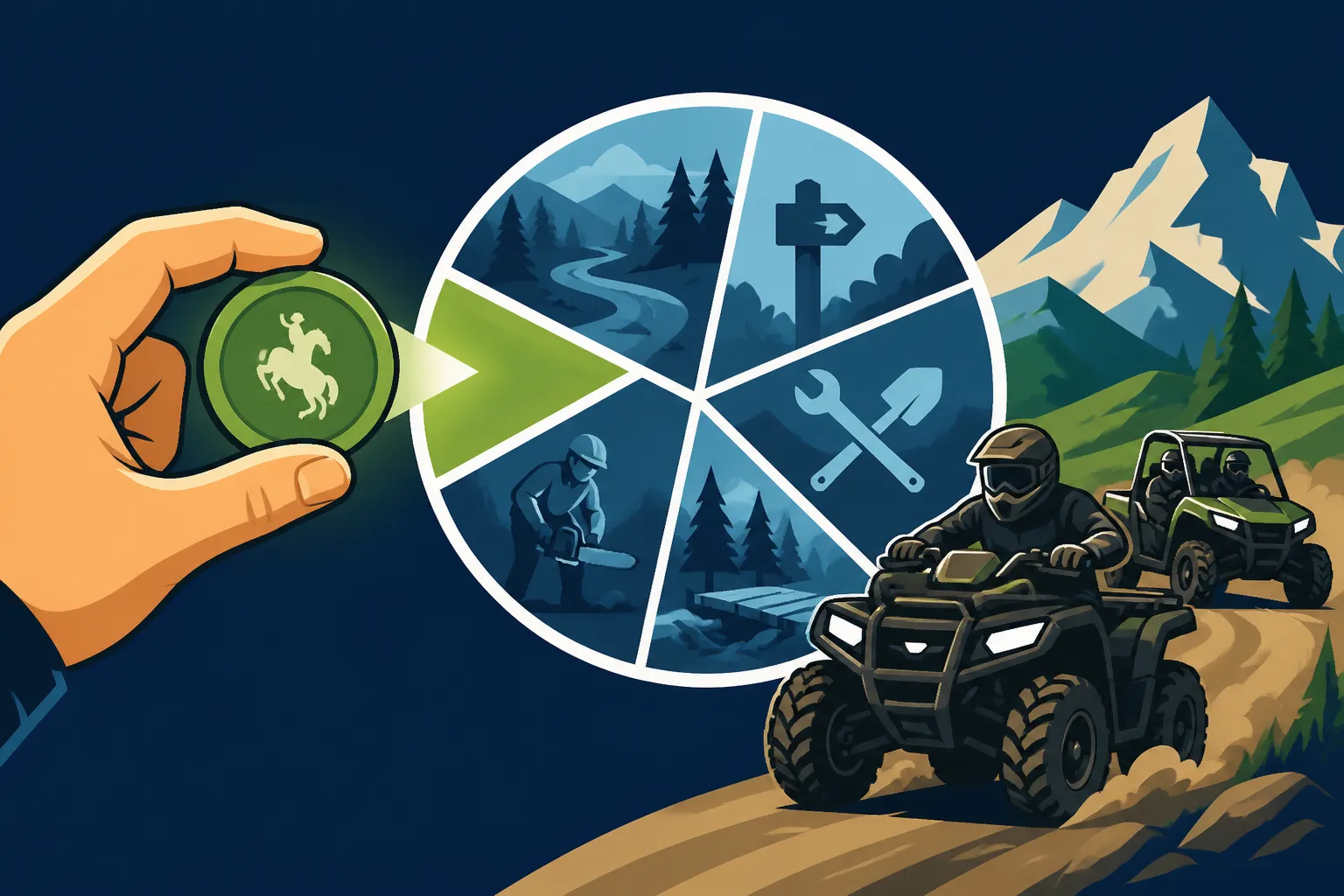
Imagine riding a trail that's been recently cleared of debris, or finding a newly installed sign directing you to a scenic overlook. These are the direct results of where your permit money is spent. Funds are allocated for:
- Trail Grooming and Repair: This involves everything from smoothing out ruts, rebuilding washed-out sections, and ensuring trails remain passable and safe. Crews work tirelessly to combat the effects of weather, heavy usage, and natural wear and tear.
- Signage: Clear and accurate signage is paramount for safety and navigation, especially in remote areas. Permit funds pay for installing and maintaining directional signs, cautionary warnings, and information about trail closures or specific regulations.
- Infrastructure Improvements: This can include building or upgrading trailheads, installing vault toilets, creating improved parking areas for trailers, and developing accessible ramps. These amenities enhance the overall experience for riders and their families.
- New Trail Development: As the popularity of off-roading grows, there's always a demand for new places to ride. A portion of the funds may go towards surveying, planning, and constructing new designated trails, often in partnership with federal land management agencies like the Forest Service and BLM. This expansion ensures that Wyoming continues to offer fresh and exciting riding opportunities.
It's a testament to Wyoming's dedication that [Where Wyoming Permit Money Is Spent] directly reflects back on the quality and accessibility of the riding experience.
Local Impact and Grant Programs
One of the most remarkable aspects of Wyoming's ORV permit program is its commitment to local impact. The funds generated are often reinvested in the areas where the permits are sold, or in specific grant programs that benefit local trail projects. This means that a permit purchased in, say, a town near the Bighorn Mountains, contributes directly to the trails in that region. This localized approach ensures that the money you spend is visibly making a difference in the places you love to ride.
For instance, local clubs, volunteer groups, or even smaller government entities can apply for grants from the state's ORV program. These grants fund specific projects, from building bridges over streams to maintaining historical routes, all of which directly enhance the off-road experience. This collaborative model empowers local communities and enthusiasts to take an active role in shaping and preserving their riding areas. So, when you pay your $15, you're not just getting a decal; you're investing in a well-managed and growing trail system, right down to the local level.
Getting Your Permit and Contributing to the Trails
Understanding where your permit money goes makes the act of purchasing it feel a lot more meaningful. It's not just a hoop to jump through; it's a direct contribution to the fantastic off-road opportunities that Wyoming provides. Making sure your machine is properly permitted is a crucial step for any rider.
How to Acquire Your Wyoming ORV Permit
Getting your permit is usually a straightforward process. You have several options, depending on your location and preference:
- In-Person at a Selling Agent: As discussed, numerous businesses and government offices across the state are authorized to sell permits. This is often the quickest way to get your decal immediately. Many riders appreciate the chance to ask questions and get local trail information when buying in person. You can find these agents at powersports dealerships, hardware stores, sporting goods shops, and sometimes at county offices.
- Online: For convenience, you can also purchase your [Wyoming's Annual ORV Permit] online through the Wyoming State Parks, Historic Sites, and Trails website. This option is perfect if you like to plan ahead, or if you're traveling from out of state and want to have your permit before you even arrive. Just be sure to allow ample time for the decal to be mailed to you before your trip. [Buying a Wyoming Permit Online] is a popular choice for many.
- Mail: Some riders prefer to print an application form from the state's website and mail it in with payment. This can be a good option if you don't have immediate access to an online portal or an in-person agent.
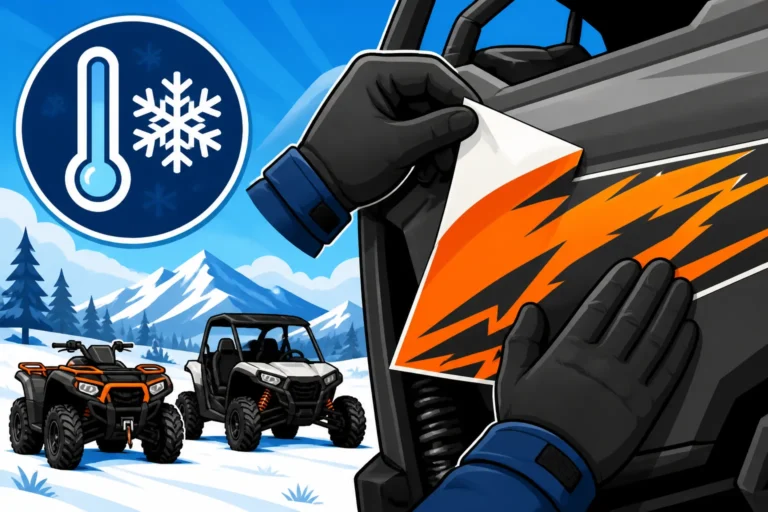
No matter how you purchase it, make sure you receive the physical decal. This decal must be prominently displayed on your machine, typically on the front fender or another visible area, as proof of registration. Rangers and wardens regularly check for current decals on trails, and riding without one can result in a citation. For more details on placement, you can refer to [Where the Wyoming Decal Goes on a Machine].
The Impact of Your Contribution
Every $15 permit sold directly fuels the operations of the Wyoming ORV program. It's a system designed to be self-sustaining, where the users of the trails are the primary contributors to their upkeep. This means that when you buy a permit, you are directly investing in:
- Safer Riding Conditions: Well-maintained trails with clear signage reduce the risk of accidents and getting lost.
- Environmental Stewardship: Funds are also used for restoration projects, educational materials on responsible riding, and efforts to minimize the environmental impact of off-road vehicles.
- Future Generations: By contributing now, you're helping to ensure that Wyoming's incredible off-road opportunities will be available for years to come for everyone to enjoy.
It's a small fee with a significant collective impact. When thousands of riders pay their $15, that collective contribution transforms into tangible improvements across the state. It supports not only the trails themselves but also the vital network of selling agents who make the permit program accessible and efficient. The next time you peel that new decal onto your machine, you'll know exactly where each dollar from your [Wyoming ORV Permit Cost] is going and the positive impact it has.
| Permit Component | Amount | Purpose | Beneficiary |
|---|---|---|---|
| Selling Agent Fee | $1 | Compensates vendor for processing and administrative costs | Authorized Permit Selling Agents |
| ORV Program Fund | $14 | Funds trail maintenance, development, and program administration | Wyoming State Parks, Historic Sites & Trails Division |
| Total | $15 | Ensures accessible and maintained ORV trail system | Wyoming's Off-Road Riders & Public Lands |
This table clearly illustrates how each dollar of your permit fee contributes to the overall success and sustainability of Wyoming's off-road vehicle program.
Disclaimer
This article is for general informational purposes only and does not constitute professional advice. Laws, prices and regulations vary by location and change over time. Consult a qualified professional for guidance on your specific situation.