Where Your $15 Is Spent
It's easy to wonder sometimes, as you peel that little ORV decal onto your machine, exactly where that $15 goes. We all love hitting the incredible trails Wyoming has to offer, but with every fee, there’s always a little voice asking, "Is this really making a difference?" You work hard for your money, and you want to know it's being used wisely to support the riding experience you cherish. This guide will take a deep dive into the journey your $15 permit fee takes, showing you how it directly contributes to the maintenance, development, and future of Wyoming's spectacular off-road trail system.
The Foundation: Understanding Wyoming's ORV Permit System
Before we track your dollar, let's briefly touch on what this permit represents. The Wyoming ORV permit, often seen as that humble little decal you stick on your fender, isn't just a bureaucratic hurdle; it's the gateway to riding on the vast majority of public lands across the state. It's a universal access pass, required for every off-road vehicle operating on public roads, trails, and designated areas, whether you're a resident who lives just down the road or a visitor hauling your rig from across state lines.
This isn't a "registration" in the same way your street-legal car is. It's specifically a "trail user registration decal" that funds the system, not a title or plate for road use. The state recognizes that maintaining thousands of miles of trails, managing access, and ensuring safety for riders isn't a free endeavor. It's a shared responsibility, and that $15 fee is our collective contribution to keeping these outdoor playgrounds open and in good shape. It's a calendar-year permit, which means it runs from January 1 to December 31, no matter when you purchase it. [Wyoming's Annual ORV Permit] [Wyoming's Calendar-Year Permit]
Following the Money: Where Your $15 Permit Fee Actually Goes
Now, let's get down to the nitty-gritty. Your $15 permit fee isn't just disappearing into some black hole of state bureaucracy. It's meticulously allocated to directly benefit the off-road riding community and the trails we love. The primary beneficiary of these funds is the Wyoming Trails Program, which then distributes and manages these resources to ensure they have the greatest impact possible across the state.
Supporting the Wyoming Trails Program
A significant portion of your permit fee directly bolsters the Wyoming Trails Program, which falls under the purview of Wyoming State Parks, Historic Sites and Trails. This program is the backbone of our state's recreational trail infrastructure, including those specifically for off-road vehicles. Their mission is expansive: they plan, develop, and maintain a diverse network of trails for everyone, and that includes us ORV enthusiasts.
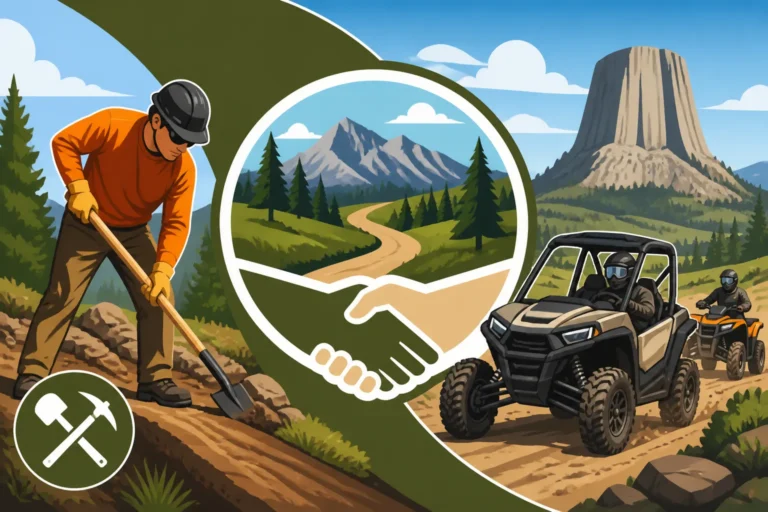
Think about the thousands of miles of trails crisscrossing our national forests, BLM lands, and state parks. These aren't static paths; they require constant attention. Your permit fee helps fund essential maintenance tasks like clearing fallen timber after a windstorm, repairing washouts caused by heavy rains or snowmelt, and shoring up trail segments that are prone to erosion. It also covers the cost of crucial signage, ensuring that trails are properly marked, junctions are clear, and riders can navigate safely without getting lost or inadvertently trespassing. This program also works to map existing trails and develop new digital resources for riders, making it easier for you to plan your next adventure. [Wyoming Permits and the Trails Program] The program aims to keep these funds impacting the areas where permits are purchased, ensuring local benefits. [Where Wyoming Permit Money Is Spent]
Grants for Local Trail Projects
One of the most impactful ways your permit money is utilized is through a robust grant program. The Wyoming Trails Program funnels a substantial portion of the funds collected into grants that local entities can apply for. Who can apply? This includes counties, municipalities, non-profit organizations, and even dedicated user groups who are passionate about developing and maintaining local riding areas.
These grants are absolutely vital for bringing specific projects to life. For example, a local county might apply for funds to construct a new staging area complete with adequate parking for trucks and trailers, informational kiosks, and even vault toilets. A dedicated ORV club might secure a grant to build a new loop trail that connects existing segments or to rehabilitate an old, deteriorated section of trail. We’re talking about tangible improvements that enhance your riding experience directly, like freshly graveled parking lots, clearer routes, and essential amenities that make a full day on the trails more comfortable. Think about how much better a ride is when you know there's a well-maintained trailhead with facilities waiting for you. [Grants That Cut New Trail] Sometimes, these grants literally pay for [How Decal Money Pays for Trailhead Toilets] at popular riding spots, making a huge difference for riders spending hours out in the backcountry. When local clubs, perhaps using organizational templates from a service like LawDepot, apply for these grants, they're helping to turn your permit dollars into real-world improvements.
Administrative Costs and Selling Agents
While the bulk of the money goes directly to trail work, a small, necessary portion covers the administrative costs of running the entire permit program. This includes things like printing the decals, managing the permit database, and overseeing the grant application and distribution process. It’s the behind-the-scenes work that ensures the system runs smoothly.
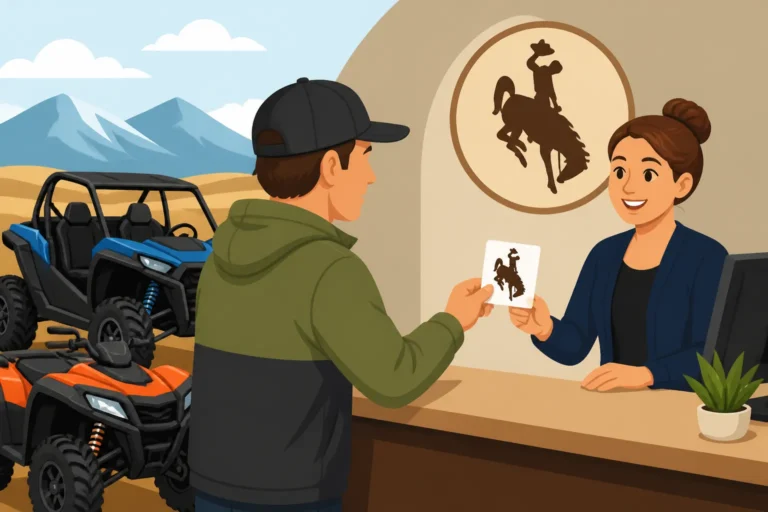
Crucially, a small fee is also retained by the permit selling agents. Whether you buy your permit at a local powersports dealer, a county clerk's office, or a Forest Service ranger station, that agent typically keeps a dollar from each $15 permit sold. This isn't a profit-making scheme for the state; it's an incentive. It encourages local businesses and government offices to carry and sell the permits, making them widely accessible to riders right up to the trailhead. Without this incentive, many of these convenient selling locations might not participate, making it much harder for you to get your decal when you need it. [Why a Selling Agent Keeps $1 of Every Permit] This small amount helps ensure a broad network of places [Where Wyoming Sells ORV Permits].
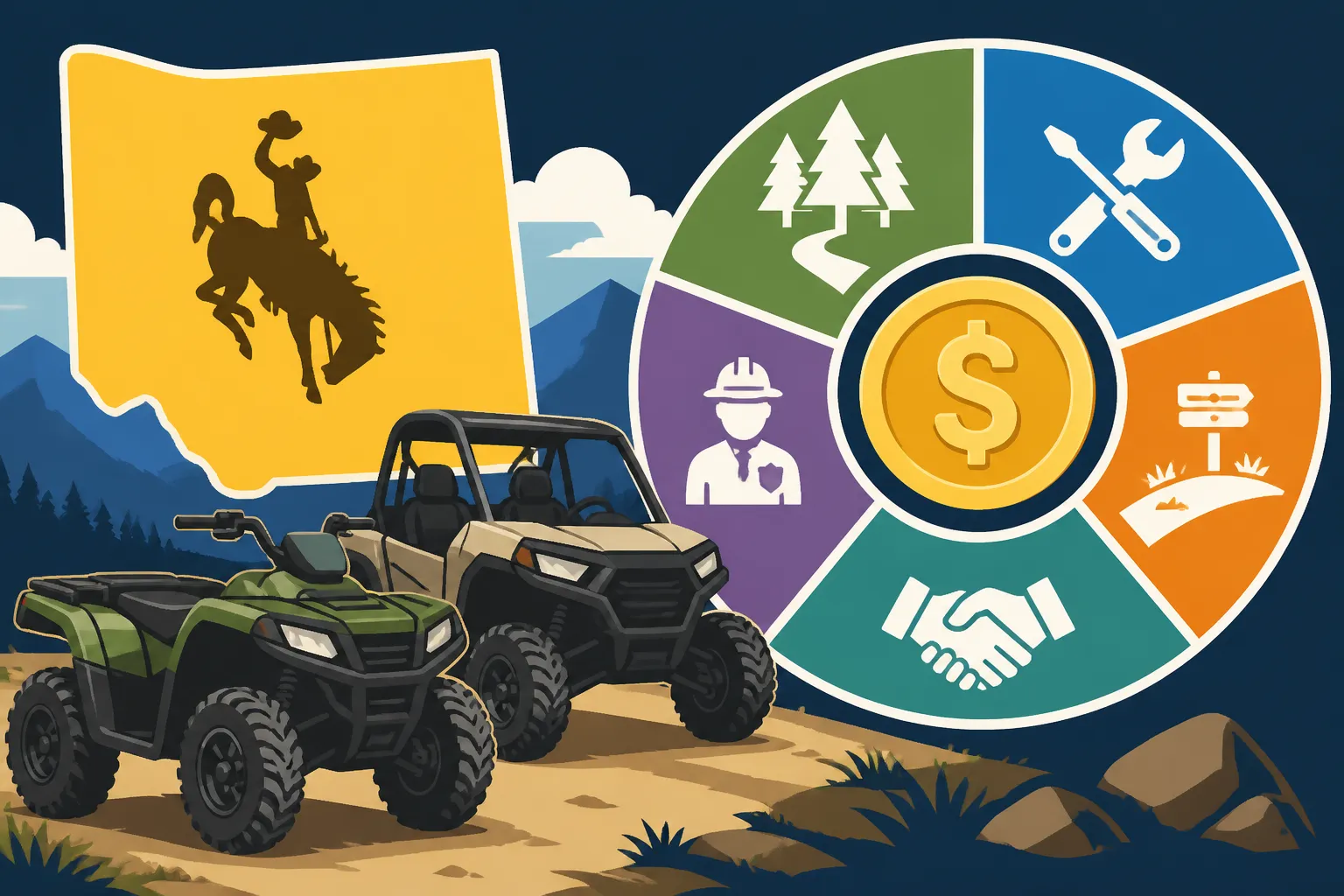
Here’s a simplified breakdown of where your $15 permit fee generally goes:
| Category | General Allocation Focus | Direct Benefit to Rider |
|---|---|---|
| Wyoming Trails Program | Trail planning, development, maintenance, signage | Safer, clearer, and better-maintained trails; easier navigation; improved riding experiences across vast public lands. |
| Local Trail Grants | Funding for county, municipal, non-profit, and club projects | New trails; expanded riding areas; developed staging points; trailhead amenities like restrooms, parking, and kiosks; improved local infrastructure. |
| Administrative Costs | Program oversight, decal printing, database management | Efficient processing of permits; accessible permit sales; consistent statewide program management. |
| Selling Agent Commission | Incentive for local businesses/offices to sell permits | Widespread availability of permits at convenient locations, including powersports shops, county offices, and Forest Service stations, making it easy to acquire your decal before hitting the trail. |
The Tangible Impact: What You See on the Ground
It's one thing to talk about where the money goes on paper, but what does it actually mean for you, the rider, when you're out there tackling Wyoming's terrain? The impact is real and often directly visible on the trails.
Improved Trail Quality and Accessibility
When the Wyoming Trails Program receives its funding, you see it in action. You'll encounter better-maintained trails with fewer unexpected hazards. That means fewer downed trees blocking your path, fewer deep ruts that can swallow a tire, and more stable stream crossings. Clearer signage helps prevent frustrating wrong turns and ensures you stay on designated routes, reducing the risk of trespassing or getting lost in unfamiliar territory.
These improvements contribute to a smoother, more enjoyable, and safer riding experience. Instead of spending your time navigating obstacles or worrying about where you're allowed to be, you can focus on the incredible scenery and the thrill of the ride. Knowing that the trails are actively managed provides a sense of peace of mind, allowing you to truly immerse yourself in the adventure. Our extensive system of [Wyoming's Enrolled Roads and Trails] is a direct result of this ongoing investment.
New Riding Opportunities and Facilities
The grant program funded by your permit dollars often leads to entirely new experiences. Imagine a brand new loop trail opening up in your favorite riding area, or a previously underdeveloped trailhead now boasting a spacious parking lot and clean vault toilets. These additions significantly enhance the quality of your outdoor adventures.
New facilities might include well-designed loading ramps, picnic areas for a mid-ride lunch, or even information boards with maps and local regulations. For families or groups, having access to these amenities makes a huge difference in comfort and convenience. When local communities, often working with organizations that use resources like LawDepot for their operational documents, create new riding parks or improve existing ones, it's a direct return on your $15 investment. You’ll find many [Wyoming Riding Areas With Toilets] because of these grant funds.
Protecting Our Access and Resources
Beyond direct trail improvements, your permit fee plays a critical role in the broader effort to protect and sustain our access to public lands for off-road recreation. Land managers face constant challenges balancing recreation with environmental protection and other land uses. The funds from ORV permits enable programs that educate riders on responsible practices, implement erosion control measures, and manage trail systems to minimize environmental impact.
By demonstrating that the ORV community is willing to contribute financially to the stewardship of these lands, we strengthen our position for continued access. It shows that we value these resources and are committed to helping maintain them. This collaborative approach with agencies like the Forest Service and BLM, on whose land much of our riding takes place, is vital for ensuring that our trails remain open and available for future generations of riders. [Wyoming Rules for Riding Federal Land]
Understanding the Value: Why Your $15 is an Investment
It’s easy to look at a small fee and think it’s just another charge. But when it comes to Wyoming’s ORV permit, that $15 is truly an investment in your passion and the future of off-road riding in our state.
The "No Reciprocity" Reality
One important aspect to remember, especially for out-of-state visitors (and even residents who might travel), is that Wyoming does not honor ORV registrations or permits from any other state. A sticker from Montana, Colorado, Utah, or Idaho might be perfectly valid in your home state, but it simply won't cut it on Wyoming's public lands. [No Reciprocity in Wyoming, Stated Plainly] This means your $15 is not just a fee, but a mandatory entry ticket to ride here.
While this can sometimes be a point of frustration for riders accustomed to reciprocity agreements in other states, it underscores the importance of Wyoming's self-funded system. The state isn't relying on revenue from other states to maintain its trails. Everyone who rides on public land in Wyoming contributes to the pot, ensuring consistent funding for our incredible trail system. So, while a rider from Montana might wonder why their [Does Wyoming Honor a Montana Registration?], the answer is that Wyoming’s system ensures that every user directly supports Wyoming’s trails.
Ensuring a Sustainable Future for Riding
Ultimately, your $15 permit fee is an investment in the long-term sustainability of off-road riding in Wyoming. It’s a collective contribution that directly supports the infrastructure, maintenance, and responsible management of the trails we love. Without these funds, our trail systems would quickly deteriorate, access might be curtailed, and the quality of the riding experience would suffer significantly.
Every time you buy that decal, you're not just getting a sticker; you're casting a vote for continued access, better trails, and a thriving off-road community. It's about preserving the freedom and adventure that draws us all to the wild landscapes of Wyoming. This small annual fee ensures that the trails remain vibrant and accessible for you, your friends, and generations of riders to come. The entire [Wyoming Permits and the Trails Program] relies on this direct funding model, making it a powerful example of user-funded recreation.
Think about it this way: your permit fee helps fund the very tools and personnel needed to keep those trails clear, safe, and open. It helps local communities apply for grants, perhaps leveraging resources like LawDepot to draft their proposals or operational agreements, to build and enhance facilities that directly serve riders. It ensures that the adventure continues, year after year, across the magnificent terrain that makes Wyoming such a special place to ride.
Disclaimer
This article is for general informational purposes only and does not constitute professional advice. Laws, prices and regulations vary by location and change over time. Consult a qualified professional for guidance on your specific situation.