Asking State Parks to Enroll a Road
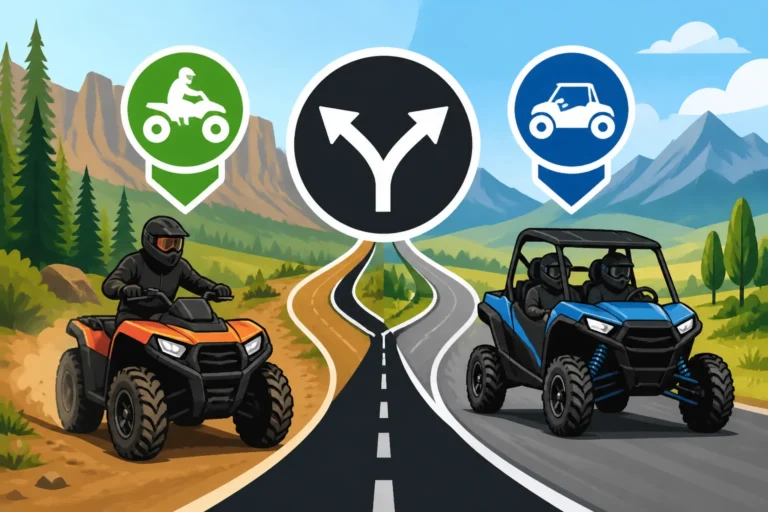
It's incredibly frustrating when you've got a perfectly capable ATV or side-by-side, you see a stretch of road that would connect two amazing trail systems or get you to a campsite, but you're unsure if it's legal to ride it. The rules around street-legal off-road vehicles in Wyoming can feel like a winding trail itself, especially when you start wondering how a road even becomes open to your machine. This guide is here to untangle that process, showing you how individuals and groups can propose roads for enrollment, helping you understand the journey a road takes to become a designated part of Wyoming's off-road system.
The Collaborative Nature of Wyoming's Road Enrollment
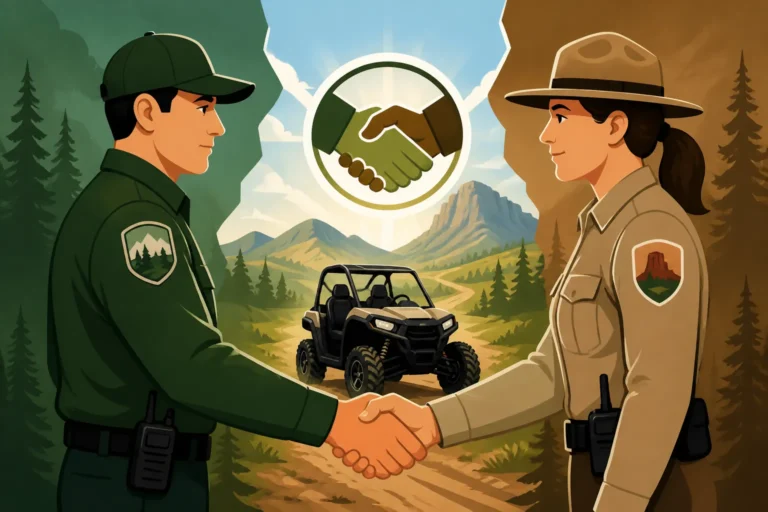
When you're out on the trails and come across a county or Forest Service road that looks like a perfect connector, it's natural to think, "Why can't I just ride my side-by-side on this?" The truth is, opening a road for off-road vehicle (ORV) use, particularly for linking trails or accessing services, isn't something one agency can do alone in Wyoming. State Parks plays a crucial role in administering the overall ORV program and manages the official system of [Wyoming's Enrolled Roads and Trails], but they need buy-in from the land manager who actually owns or oversees that specific stretch of asphalt or gravel.
Think of it like this: Wyoming State Parks is the conductor of an orchestra, but they don't own all the instruments. Each instrument (county, Forest Service, BLM, etc.) has its own player, and they all have to agree to play the same tune for a road to be designated for ORV use. This means a county road needs the blessing of the county commissioners, a Forest Service road needs approval from the local ranger district, and so on. It's a system designed to ensure local control and account for specific circumstances, which can sometimes make the process feel slow, but it's essential for long-term success.
Why Roads Need Specific Designations
You might assume that if a road isn't a major highway, it should be fair game for ORVs. However, that's not how it works in Wyoming. Most public roads are primarily designed for traditional licensed vehicles – cars, trucks, motorcycles. Allowing ORVs, even street-legal ones, introduces new considerations for safety, traffic flow, maintenance, and compatibility with other uses. This is [Why a Road Needs Two Designations] to become open to ORVs. It needs its primary designation (e.g., County Road 123) and an additional designation that specifically allows ORV travel under the state's program.
Without this dual designation, riding your ORV on a public road, even if it's county-maintained, could leave you open to a citation. The goal of the enrollment process is to create clear, legal pathways for riders to enjoy more of Wyoming's vast landscape, whether it's connecting from a campground to a trailhead or traversing a short section of road to reach a different riding area. It's about blending the adventurous spirit of off-roading with the existing infrastructure in a safe and regulated manner.
The Agencies Involved in Enrollment
As mentioned, State Parks acts as the administrator, but other agencies are critical partners. For any road to be considered for ORV enrollment, [Which Agency Must Consent Before a Road Opens] is determined by who manages that particular road.
- County Roads: These are probably the most common roads people want to see enrolled. For a county road to become part of the ORV system, the local Board of County Commissioners must formally pass a resolution or ordinance designating it for ORV use. This is a significant hurdle because commissioners often weigh local public sentiment, safety concerns, and potential impacts on maintenance budgets.
- Federal Lands (Forest Service, BLM): If a road is on National Forest or Bureau of Land Management (BLM) land, the process involves working with those federal agencies. They have their own travel management plans and public processes to determine which routes are open to what types of vehicles. While they might be receptive to public input, their decisions are guided by federal regulations, resource management goals, and sometimes even environmental assessments.
- State Highway Department (WYDOT): Roads under WYDOT's jurisdiction, such as state highways, are generally much harder to get enrolled for regular ORV use due to higher traffic volumes, speed limits, and safety standards. There are specific, limited exceptions, such as designated crossings, but general enrollment of state highways for continuous ORV travel is rare.
Understanding these different authorities is the first step in knowing where to direct your efforts if you want to see a road opened up for ORV use.
Proposing a Road for Enrollment: Who Can Initiate the Process?
It might seem daunting to approach a government agency about opening a road, but the beauty of the system is that it's often driven by citizen engagement. Anyone with a vested interest in expanding ORV access can initiate the conversation, though the most effective proposals often come from organized groups or local community leaders. Whether you're a lone rider, part of a local club, or even a local business owner looking to boost tourism, you have a voice.
Individual Riders and Enthusiasts
Don't underestimate the power of an individual voice, especially when many individuals raise the same concern. If you're a rider who consistently uses a particular area and sees a logical gap in the legal ORV network, you absolutely can bring this to the attention of the relevant authorities. While a single email or phone call might not move mountains, it starts a conversation. It also contributes to a growing body of public sentiment that agencies track.
Consider building a small network of fellow riders who agree with your proposal. A handful of well-articulated, individual requests often carries more weight than one isolated comment. You can document the road, explain its utility for connecting trails, and highlight how it would benefit the riding community. Perhaps you've noticed that a specific product, like a rugged SuperATV winch, would be perfect for navigating the trails this road could connect, making the overall experience better and safer for everyone.
ORV Clubs and Associations
This is where the real advocacy power lies. Local and statewide ORV clubs are often at the forefront of working with land management agencies. These groups have established relationships, understand the political landscape, and can mobilize their members to support a proposal. They often have experience navigating public comment periods, attending county commissioner meetings, and presenting well-researched arguments.
If you're part of a club, or considering joining one, this is an excellent avenue to push for road enrollment. Clubs can demonstrate broad community support, provide volunteers for trail maintenance (which can be a big selling point for agencies), and often have funds for signage or other improvements. They can also represent the interests of different types of riders, from those with [Wyoming Permits for a Side-by-Side] to those with [Wyoming Permits for a Dirt Bike]. Their organized approach can transform a casual suggestion into a formal, persuasive proposal.
Local Businesses and Tourism Boards
In many Wyoming communities, ORV tourism is a significant economic driver. Local businesses – powersports dealers, hotels, restaurants, gas stations – and tourism boards have a strong incentive to support initiatives that bring more riders to their area. They can advocate for road enrollment from an economic development perspective, highlighting the potential increase in visitor spending, tax revenue, and job creation.
Imagine a gas station owner in a small town seeing an opportunity to connect two major trail systems via a short county road. They could approach the county commissioners, explaining how opening that road would lead to more riders passing through town, buying fuel, food, and perhaps even some SuperATV accessories from a local shop. This economic argument can be very compelling, especially in rural areas looking for ways to support their local economies.
The Steps to Getting a Road Enrolled for ORV Use
So, you've identified a road, gathered some support, and you're ready to make a formal proposal. What are the actual steps you'll need to follow? This isn't a quick or easy process, but it's entirely achievable with persistence and a clear understanding of the procedure.
Step 1: Identify the Road and Its Managing Agency
First things first: pin down exactly which road you're talking about and, more importantly, who manages it. This might seem obvious, but it's critical. A county road might look like a Forest Service road, or vice-versa, especially in areas where jurisdictions meet.
- County Roads: Check county GIS maps or call the County Road and Bridge Department. They can tell you definitively if it's a county-maintained route.
- Federal Roads (Forest Service/BLM): Consult the agency's travel management maps (often called Motor Vehicle Use Maps, or MVUMs). These maps clearly show which roads are open to what types of vehicles and who manages them. If it's not on their map, it's likely not their responsibility, or it's a closed route.
- State Roads: Look at a Wyoming state highway map. Any numbered highway is a state road.
Once you know the managing agency, you know where to direct your initial inquiry. If you're looking at a county road, your primary focus will be on the county commissioners. If it's a federal route, you'll engage with the local ranger district or BLM field office.
Step 2: Research Local Regulations and Community Sentiment
Before you formally propose anything, do your homework. What are the [Wyoming Rules for Riding a County Road] already? Has this particular county or federal agency had discussions about ORVs on roads before? What was the outcome? Understanding the history can help you tailor your proposal.
- Talk to locals: Speak with residents who live along the road. Are there concerns about noise, dust, safety, or livestock? Addressing these preemptively in your proposal can be very effective.
- Check meeting minutes: Review past county commissioner meeting minutes or federal land planning documents. You might find past discussions about ORV use that give you insight into common objections or successful arguments.
- Identify allies: Find individuals or groups within the community, or even within the local government, who might be sympathetic to your cause. They can be invaluable advocates.
This research phase helps you understand the landscape and build a stronger, more informed argument. It's about demonstrating that you've considered more than just your own desire to ride.
Step 3: Draft a Formal Proposal or Request
Once you have your ducks in a row, it's time to put pen to paper (or fingers to keyboard). Your proposal doesn't need to be a legal brief, but it should be clear, concise, and persuasive.
- Clearly identify the road: Use mile markers, GPS coordinates, or clear descriptions.
- State your objective: Clearly request that the road be designated for ORV use.
- Justify the request:
- Connectivity: How does this road connect existing trail systems?
- Access: Does it provide access to public lands, trailheads, or essential services like fuel or food?
- Safety: Does it offer a safer alternative to another, more dangerous route?
- Economic Impact: What are the potential benefits for local businesses?
- Community Support: Mention any local groups or businesses that endorse the proposal.
- Address potential concerns: Proactively suggest solutions for noise, dust, or safety issues (e.g., speed limits, signage, enforcement).
- Offer assistance: Can your club help with signage, maintenance, or monitoring? This can be a huge plus.
- Include visual aids: A simple map showing the road and its connection points can be incredibly helpful.
For a county road, this proposal would be submitted to the Board of County Commissioners. For a federal road, it would go to the local Forest Service or BLM office. Remember that even if you've got the most tricked-out machine with all the SuperATV upgrades, the strength of your argument, not your horsepower, will win the day here.
Step 4: Engage with the Managing Agency
Don't just send your proposal and wait. Follow up. Request a meeting. Attend public sessions.
- County Commissioners: Attend their public meetings. Most counties have designated times for public comment. Present your proposal in person, answer questions, and listen to concerns. Be prepared for robust discussion; these meetings are where local politics play out.
- Federal Agencies: Engage during their public planning processes. Federal agencies often have formal comment periods for travel management plans or environmental assessments. Your proposal should be submitted during these periods to ensure it's officially considered. Attending public scoping meetings or open houses is also beneficial.
Be patient and persistent. Bureaucracy moves slowly, and these decisions often involve multiple layers of review.
Step 5: State Parks Enrollment (The Final Step)
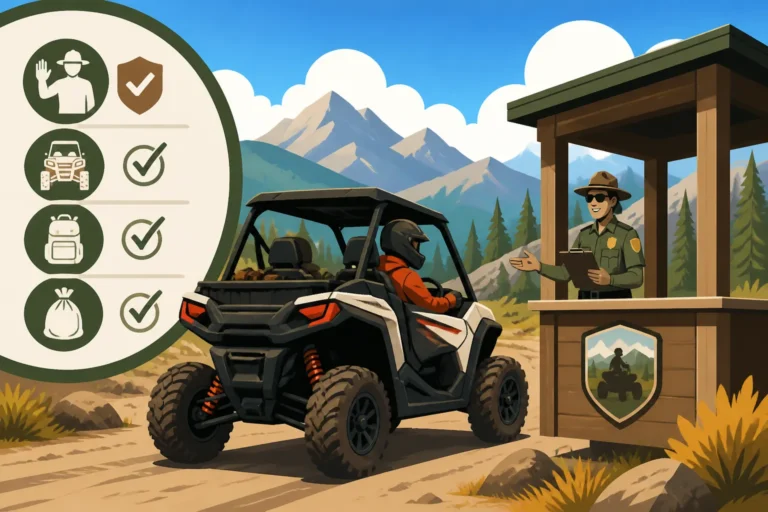
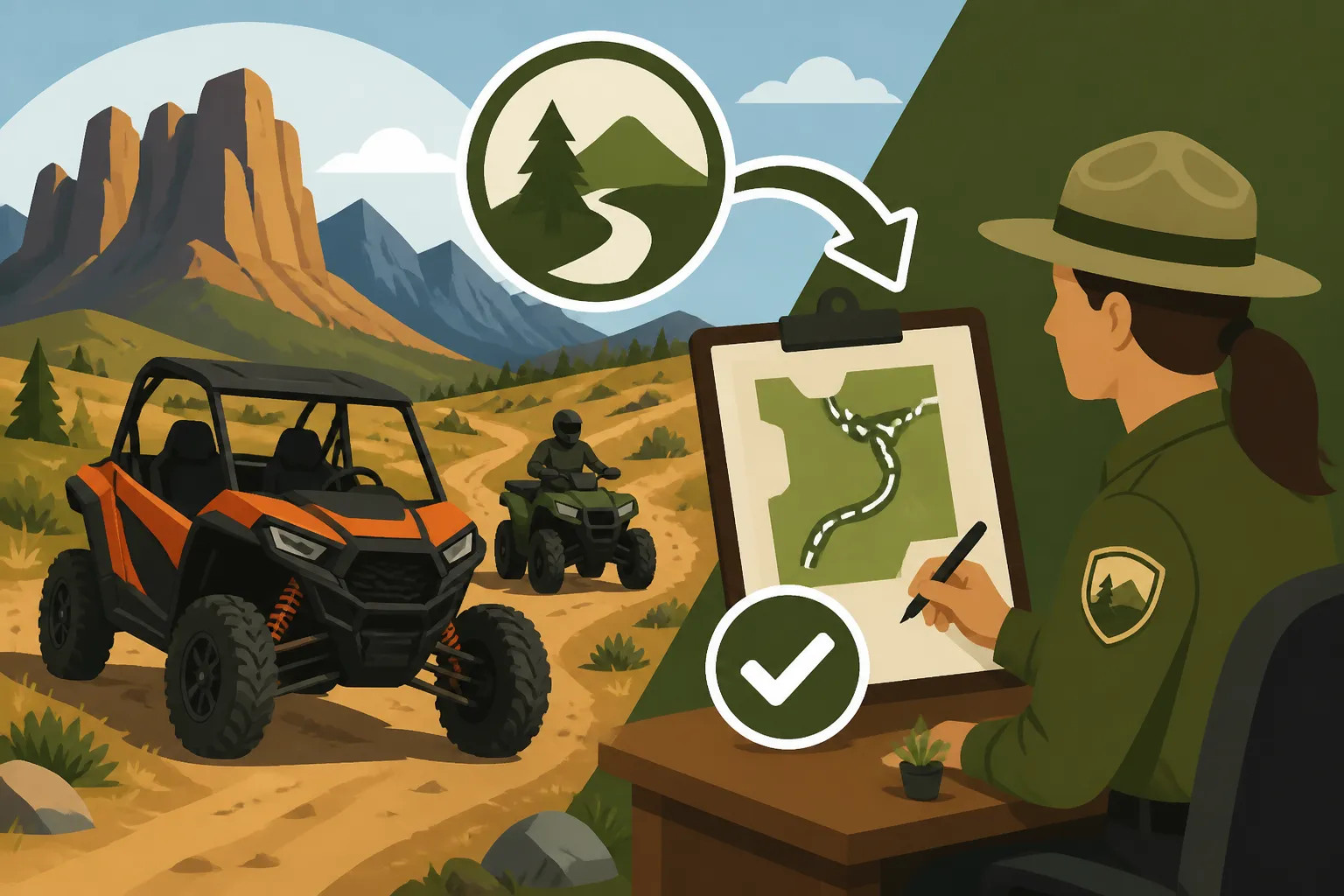
Once the local land manager (county, Forest Service, BLM) formally designates the road for ORV use through their own processes (resolution, travel management decision), then, and only then, can Wyoming State Parks proceed with enrolling it into the state's official system.
- Formal Communication: The managing agency will typically communicate their decision to Wyoming State Parks.
- Inclusion in Maps and Lists: State Parks will then update its official maps and lists of enrolled roads and trails. This is when the road officially becomes part of the legal ORV network.
- Signage: The managing agency, often in coordination with State Parks or local ORV clubs, will install appropriate signage to clearly mark the road as open for ORV use. This is crucial for riders and for enforcement.
This is why "Asking State Parks to Enroll a Road" isn't the first step; it's the culmination. State Parks can't enroll a road that isn't already authorized by its primary managing entity.
Benefits and Challenges of Enrolled Roads
Understanding both the upsides and the hurdles can help you prepare for the process and manage expectations.
The Benefits for Riders and Communities
When a road is successfully enrolled, the advantages are clear for everyone who loves to explore Wyoming's outdoors on an ORV.
- Seamless Riding Connections: Perhaps the biggest benefit is the ability to connect otherwise isolated trail systems. Imagine being able to ride from one National Forest trail to another without having to trailer your machine, or using a short stretch of [Wyoming Rules for Riding a BLM Road] to get to town for lunch. These connections vastly improve the riding experience and open up new possibilities for multi-day trips.
- Access to Services: Enrolled roads can provide legal access to gas stations, restaurants, campgrounds, or other amenities in small towns, supporting local businesses and enhancing convenience for riders. This is especially valuable when you're on a long ride and need to refuel your machine or yourself.
- Reduced Trespassing: Clearly marked, legal routes help prevent riders from inadvertently trespassing on private land or riding on unauthorized roads, which protects landowners and maintains positive relationships between riders and the community.
- Economic Boost: As mentioned, more accessible and connected riding areas tend to draw more visitors, benefiting local economies through increased spending on lodging, food, fuel, and supplies. This can be a strong argument when pitching to local governments.
The Challenges and Hurdles in the Enrollment Process
Despite the benefits, getting a road enrolled is rarely a straightforward path. There are genuine concerns and bureaucratic complexities that can slow things down or even halt a proposal.
- Safety Concerns: This is often the primary objection, particularly for county roads. Residents and officials worry about the mix of ORVs with regular vehicle traffic, potential accidents, and pedestrian safety. You'll need to demonstrate how these concerns can be mitigated, perhaps with lower speed limits or specific signage.
- Noise and Dust: People living along gravel roads often raise concerns about increased noise and dust from ORV traffic. Again, offering solutions, like encouraging courteous riding and enforcing speed limits, can help.
- Maintenance Costs: County and federal agencies often operate on tight budgets. They might worry that increased ORV traffic will lead to more wear and tear on roads, increasing maintenance costs. Offering volunteer support for maintenance or highlighting the economic benefits that could offset costs can be persuasive.
- Public Opposition: Even if ORV enthusiasts are keen on a proposal, local residents might oppose it. A vocal minority can sometimes sway decisions, so gauging and addressing local sentiment early is vital.
- Jurisdictional Complexity: When a road crosses different jurisdictions (e.g., starts in a county, crosses into federal land, then back into another county), the process becomes exponentially more complicated, requiring coordination between multiple agencies.
- Funding for Signage and Enforcement: Designating a road is one thing, but effective management requires signage and occasional enforcement. Agencies need to ensure they have the resources for this, which can be another point of contention.
Navigating these challenges requires patience, diplomacy, and a willingness to compromise. But with a well-researched proposal and a collaborative spirit, you absolutely can make a difference in expanding Wyoming's incredible ORV opportunities.
| Agency/Group | Primary Role in Enrollment | Key Actions Required | Common Concerns |
|---|---|---|---|
| Wyoming State Parks | Administers ORV program, enrolls roads designated by others | Formalizes designation, updates state maps | Must have prior approval from land manager |
| County Commissioners | Manages county roads, authorizes ORV use via resolution | Votes on proposals, represents local citizens | Safety, noise, dust, maintenance costs |
| Federal Agencies (FS, BLM) | Manages federal roads/trails, designates ORV routes via travel plans | Public comment periods, environmental reviews | Resource impacts, existing use conflicts |
| ORV Clubs/Individuals | Advocates for new routes, initiates proposals | Research, proposals, public testimony | Bureaucracy, public opposition, funding |
| Local Businesses/Tourism | Advocates for economic benefit, supports proposals | Economic impact studies, public advocacy | Road access for customers, local economy |
This process of "Asking State Parks to Enroll a Road" really boils down to working with the specific land management agency that controls the road, and then having State Parks formally add it to the network. It's a testament to the fact that rider advocacy can, and does, make a real difference in how and where we get to ride in Wyoming.
Disclaimer
This article is for general informational purposes only and does not constitute professional advice. Laws, prices and regulations vary by location and change over time. Consult a qualified professional for guidance on your specific situation.