Wind and Shifting Sand on the Dunes
Wind can turn a relaxed ride at Killpecker’s dunes into a visibility and traction problem surprisingly quickly. Blowing sand can sting exposed skin, obscure riders ahead, and soften or reshape familiar lines. This guide explains how to judge conditions, prepare your ATV or UTV, navigate shifting terrain, and decide when it’s safer to pause or leave.
Why wind changes a dune ride
Expect the landscape to look different
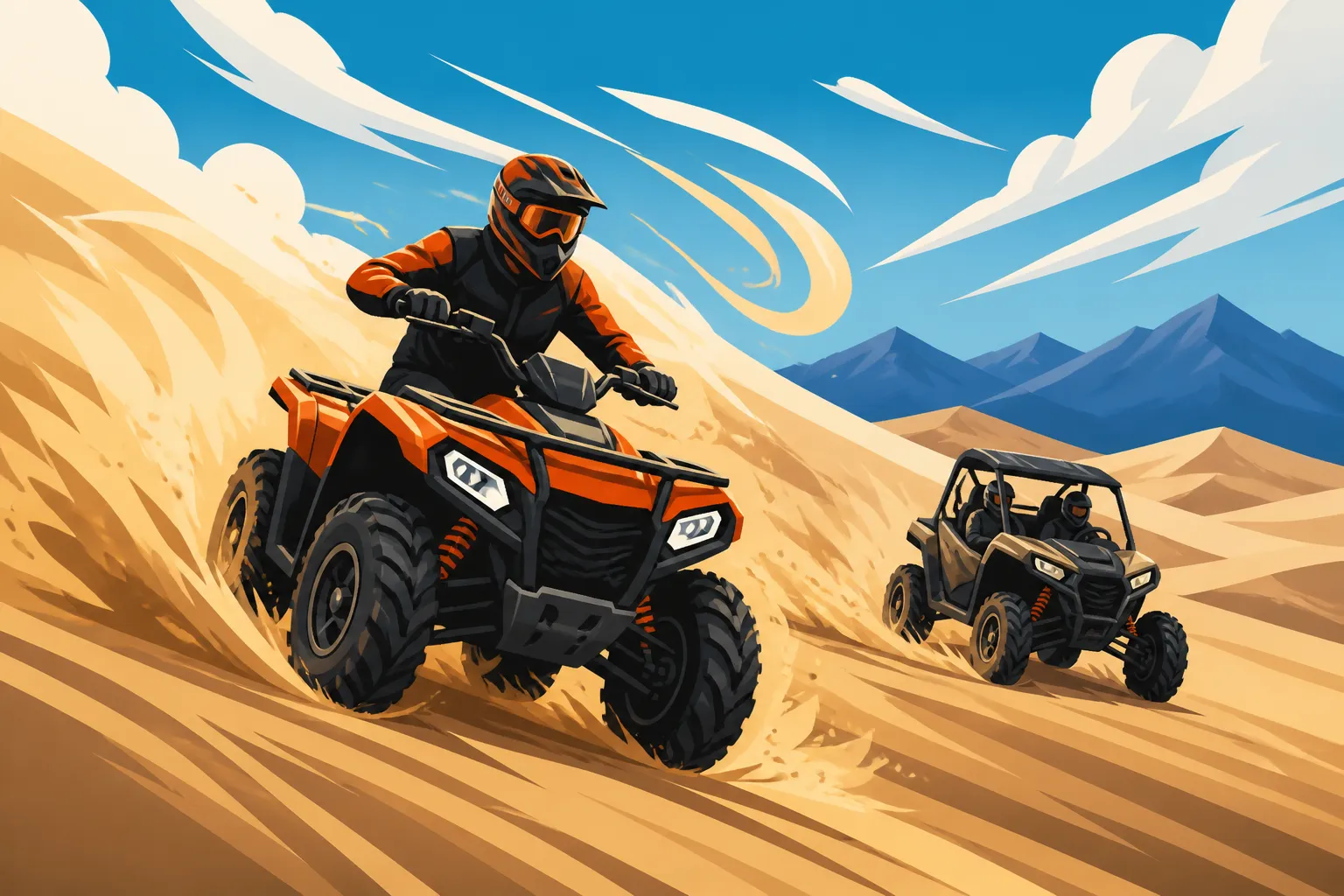
At the Killpecker Sand Dunes in southwest Wyoming, wind is part of the riding environment, not just a comfort issue. It moves loose sand across slopes and tracks, covers some tire marks, and exposes others. A route that looked clear earlier may feel unfamiliar later, especially if you’re riding in a broad open area without many fixed landmarks.
Wind can also make it harder to judge the shape of a dune. A crest may hide a steep drop on the other side, while drifting sand can soften the edge of a track or obscure a change in slope. Don’t assume that a familiar line is safe simply because you rode it on a previous trip. Approach unknown crests cautiously, slow down before reaching the top, and avoid accelerating over a ridge when you can’t see the landing area.
The changing surface matters too. Sand can feel firm in one place and loose a short distance away. Wind may uncover a packed track or bury it beneath softer sand, affecting steering and momentum. If the machine begins to bog down, spinning the tires hard can dig it in further. Ease off, reassess the slope, and choose a controlled recovery rather than trying to power through blindly.
Visibility can deteriorate before you expect it
Blowing sand doesn’t need to create a dramatic dust cloud to be hazardous. Even a thin stream across the ground can make it difficult to see trail edges, small bumps, other machines, or people stopped ahead. Bright sunlight can make airborne sand harder to pick out, while a low sun can create glare that compounds the problem.
Give other riders more room than you would on a calm day. If someone ahead slows or stops, you need enough time and distance to react without swerving into a steep face or loose pocket. Avoid following another machine closely: its tires can throw sand into your goggles, and the resulting loss of visibility may last longer than you expect.
If the wind is carrying sand across your route, stop somewhere with good visibility and room to pull clear. Don’t stop just below a blind crest or in a line where approaching riders may not see you. When conditions make it hard to see the next safe section, treat that as a reason to pause—not as a challenge to ride faster.
Prepare your machine and riding gear
Check the wind and the route before unloading
Look at the weather forecast before heading out, but don’t treat conditions in Rock Springs or Green River as a perfect picture of what you’ll encounter at the dunes. Wind can feel different in an open riding area than it does in town, and the direction may make some slopes or open stretches less comfortable than others. Recheck conditions before leaving your staging area, and be ready to shorten the ride if visibility worsens.
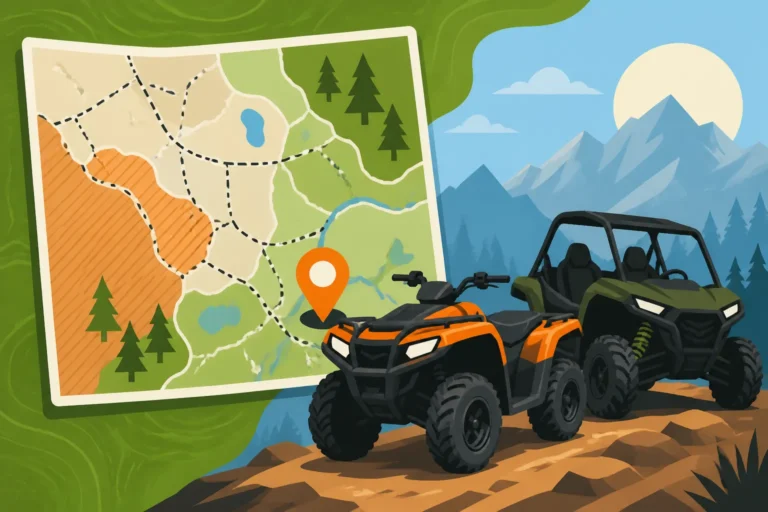
Plan your route with more than one option in mind. A map can help you understand the wider area, but digital coverage and route information should be checked against current land-manager guidance and signs. onX Offroad can help you review route information and orient yourself, but don’t rely on a phone screen alone to confirm that a route is open or appropriate for your machine. Review [Wyoming Trail Maps and MVUMs] and [Wyoming Trail Closures to Check First] before setting out.
Tell someone who isn’t riding with you where you plan to go and when you expect to return. That’s especially useful if your group has to change plans because of wind or a stuck machine. Keep your phone protected from sand, and consider carrying a backup way to communicate if you’ll be away from reliable service. Build time into the plan for slower travel, stops, and getting everyone back to the staging area.
Protect yourself from sand and sun
A helmet and eye protection are basic parts of a dune ride, but windy conditions make the fit and coverage more important. Goggles that seal comfortably around the face can help keep sand out of your eyes. A face covering can reduce irritation from blowing grit, and gloves help protect your hands when the controls and surrounding surfaces become dusty.
Wear clothing that covers exposed skin without making it difficult to move or operate the machine. Sand can be uncomfortable against the neck, wrists, and ankles, particularly when it’s blowing steadily. Bring water and keep it accessible; windy, dry conditions can make it easy to overlook how much fluid you’re losing while riding.
For UTV riders, think about where sand may enter the cab and whether passengers have suitable eye protection. A cab may reduce direct exposure, but it doesn’t remove the need to secure loose items or keep windows and vents in mind. Once sand gets into bags, switches, or food, the ride becomes less pleasant—and cleaning it out later can take longer than expected.
Set up for sand rather than forcing the machine
Before you ride, check that the machine is in good working order. Pay attention to tires, controls, brakes, cooling, and any loose cargo that could shift on uneven ground. Follow your machine’s manual for tire pressure and operating guidance instead of relying on a one-size-fits-all setting. The right setup depends on the machine, its load, and the sand conditions.
On soft sand, smooth control usually helps more than abrupt inputs. Sudden throttle changes or sharp turns can make the tires dig in or slide. Keep a steady, manageable pace and leave enough room to adjust your line. If the machine starts losing momentum, don’t keep spinning the tires without a plan; that can turn a small slowdown into a deeper stuck.
Your tire choice can affect how confidently the machine moves over sand, but tires are only one part of the equation. Load, tread, pressure, rider inputs, and the surface all matter. For a closer look at those trade-offs, see [Tire Choice for Sand and Shale].
Ride changing dunes with a safer plan
Use a simple check-in routine
A quick group check before each ride can prevent confusion when visibility is poor. Agree on the route, regrouping points, and what everyone should do if the group gets separated. Make sure every rider knows who is leading and who is bringing up the rear. If you’re riding with someone unfamiliar with dunes, explain that the leader should slow down before a crest rather than disappearing over it.
During the ride, stop occasionally in a safe, visible place to confirm that everyone is together and comfortable. Wind can make conversation difficult, so agree on simple hand signals or another clear way to communicate. If someone needs to stop, the rest of the group should know how to pull off without blocking the route or creating a hazard.
Use onX Offroad as one navigation aid if it’s part of your planning, but keep your attention on the terrain and other riders while moving. A screen cannot show every shifting patch of sand or tell you whether a slope is safe to cross in the conditions you’re facing. Check your location while stopped, then put the device away securely before riding again.
Choose lines you can see and manage
When the wind is up, favor routes where you can see enough of the terrain to make a measured decision. Avoid charging toward a crest that hides the far side. Approach at a controlled pace, stop short if needed, and look for a clear, safe way down before committing. If you can’t see the landing area, don’t assume it’s rideable.
Be cautious when crossing a slope. Loose sand and wind-carved shapes can make it harder to hold a predictable line, and a sudden correction may upset the machine. If you’re uncertain about the angle or surface, choose a different route. There is no requirement to climb every face or reach every viewpoint; turning around is a sound riding decision.
Keep your group’s spacing generous, especially where one rider’s machine could throw sand toward another. Avoid stopping in narrow passages, directly below steep faces, or just over a blind ridge. Where the terrain offers no safe place to wait, continue carefully to a wider, more visible spot before regrouping.
Know when to turn back
There’s a difference between an uncomfortable ride and a ride where you can no longer manage the risks. If blowing sand is reducing visibility, if you’re struggling to track other riders, or if you can’t confidently judge the route ahead, pause and reassess. If conditions don’t improve, head back using a route you can identify rather than pushing farther into unfamiliar terrain.
Turn back sooner if a rider has eye irritation, trouble communicating, fatigue, or a machine problem that makes continued travel unsafe. A stuck machine can become a larger problem if the group is separated or visibility is fading. Keep recovery equipment appropriate to your machine and know how to use it before you need it.
Also consider the trip back to your vehicle. Don’t wait until everyone is tired or the light is poor to leave the dunes. Allow extra time for careful riding and regrouping. If you’re planning to camp nearby, review [Free Camping Below the Dunes] and confirm the applicable access and site rules rather than assuming a familiar spot remains available.
Plan a more comfortable visit to Killpecker
Make the approach part of the plan
Before setting out, check your route to the riding area and know where you intend to stage. [Driving County Road 4-17 to the Sand] can help you think through the approach, but road and access conditions can change. Follow posted signs and land-manager directions, and avoid blocking access for other visitors when parking or unloading.
Pack for the day rather than only for the ride itself. Useful basics include water, food, eye protection, a way to secure dusty gear, and tools or recovery items suited to your machine. Keep important belongings in closed bags or containers. If you’re hauling an ATV or UTV, secure the load and check that the trailer and tie-downs are ready before leaving town.
If this is your first visit, take time to understand the character of the area before riding far from the staging point. [Killpecker Sand Dunes in Southwest Wyoming] provides broader context for the destination, while [Riding the Dunes at Killpecker] focuses on the riding experience itself.
Match the day to your group
A high-wind day may not be the right time for a long ride with young or inexperienced riders. Shorter outings, frequent breaks, and familiar terrain can make it easier to keep the group together and notice when someone is getting uncomfortable. Agree in advance that anyone can call for a stop or turn back without being pressured to continue.
Think about how different machines and riders will handle the same route. A loaded UTV, a small youth machine, and a more experienced ATV rider may not travel comfortably at the same pace. Choose a route and pace that work for the least experienced person, not the fastest machine. If the group can’t stay together safely, split the ride only when everyone has a clear plan and the right supervision.
Above all, let conditions shape the day. Wind is a normal part of riding open sand, but it doesn’t have to dictate a miserable or risky trip. A shorter route, a long break, or a decision to return another day can be the best outcome when the dunes stop being easy to read.
Disclaimer
This article is for general informational purposes only and does not constitute professional advice. Laws, prices and regulations vary by location and change over time. Consult a qualified professional for guidance on your specific situation.