Wyoming Permits and the Trails Program
Getting out on Wyoming's vast and breathtaking landscapes with your ATV or UTV is an experience like no other, but it can be really confusing trying to figure out all the rules, especially when it comes to permits and what they actually mean for your ride. Many folks scratch their heads wondering why their out-of-state registration isn't enough or where that permit money actually goes. This guide is here to clear up all that head-scratching, walking you through Wyoming's ORV permit system, how it directly funds the trails you love, and where you can get your decal to hit the dirt legally.
Understanding Wyoming's ORV Permit System
Let's cut right to the chase: if you plan to ride your off-road vehicle (ORV) or multipurpose vehicle (MPV) on any designated public lands or trails in Wyoming, you absolutely need a Wyoming ORV permit. It's a non-negotiable part of responsible riding here, and it's something that often catches out-of-state visitors by surprise. This system isn't just about collecting fees; it's the lifeblood of our incredible trail network.
Why Every Rider Needs a Wyoming Permit
It can feel a bit frustrating, especially if you're coming from another state where you already have a registration or permit. You might think, "My home state already requires me to register my machine, why isn't that good enough?" Well, Wyoming operates on a "no reciprocity" policy when it comes to ORV permits. This means that a permit or registration from Montana, Colorado, Utah, Idaho, or any other state, simply doesn't count here. Every machine, whether it's owned by a Wyoming resident or a visitor just passing through for a long weekend ride, needs its own valid Wyoming ORV permit decal affixed to it. It's truly a level playing field – everyone pays the same flat fee, ensuring that the burden and benefits of trail maintenance are shared equitably. [Wyoming's Flat Fee for Residents and Visitors]
The rationale behind this isn't to be difficult; it's about direct funding. Our permit system is designed to create a dedicated revenue stream that stays within our state to support the very trails you'll be riding. Without this system, our public lands wouldn't have the resources to maintain the vast network of roads and trails that make Wyoming such a premier destination for off-road enthusiasts. So, while it might seem like an extra step, it’s a vital one that directly contributes to keeping those scenic routes open and well-maintained for everyone to enjoy. It’s also important to understand that this permit is specifically for off-road use; it doesn't make your machine street legal or provide any kind of road registration. [Why Wyoming Honors No Other State's Registration]
What Your Permit Money Actually Funds
When you purchase a Wyoming ORV permit, you're not just buying a sticker; you're investing directly into the future of off-road riding in the state. The money collected from these permits is channeled into the Wyoming State Trails Program, which is responsible for the development, maintenance, and management of our extensive trail system. This means your dollars go towards tangible improvements and services that benefit every rider.
Imagine riding a smoothly graded trail, crossing a well-built bridge over a creek, or seeing clear, informative signage at a fork in the path. These aren't magic—they're the direct result of permit funds at work. This money helps pay for trail crews, equipment, materials for repairs, and the planning needed to expand and improve the network. It also supports safety and educational programs, ensuring that riders have a positive and safe experience. Perhaps one of the most unique aspects of Wyoming's system is that a significant portion of the permit money actually stays in the county where it was collected. This local retention model ensures that the communities hosting these trails directly benefit from the fees, creating a strong incentive for local engagement and care. So, when you pay for that permit, you're truly helping to sustain the trails right where you ride. [Where Wyoming Permit Money Is Spent] [Why Fees Stay Where They Were Collected]
The Calendar-Year Nature of the Permit
One of the most crucial things to understand about the Wyoming ORV permit is its validity period: it runs on a calendar year. This means that no matter when you purchase your permit – whether it's January 1st or December 1st – it will always expire on December 31st of that same year. This can be a point of confusion and sometimes frustration for riders who buy their permit late in the season, only to find it expires just a few weeks later.
There's no pro-rated fee, no monthly option; it's one price for the entire calendar year or any portion thereof. This fixed expiry date simplifies enforcement and administration for the state, but it does require riders to be mindful of their purchase timing. If you're planning a trip in late autumn, for example, you'll need to consider if it's worth buying a permit that will expire very soon, or if you should wait until the new year's permits become available. The good news is that permits for the upcoming year typically go on sale in the fall of the current year, allowing you to get a jump start and ensure your machine is legal from January 1st onward. This way, you can avoid any last-minute scrambling or, worse, riding on an expired decal when the new season rolls around. [A Permit That Ends December 31] [Buying Next Year's Permit Early]
Getting Your Wyoming ORV Permit Decal
Now that you understand the "why," let's dive into the "how." Getting your Wyoming ORV permit is a straightforward process, but knowing your options and what to expect can save you time and hassle. The state has made an effort to make permits accessible, recognizing that riders come from all corners of Wyoming and beyond.
Where to Purchase Your Permit
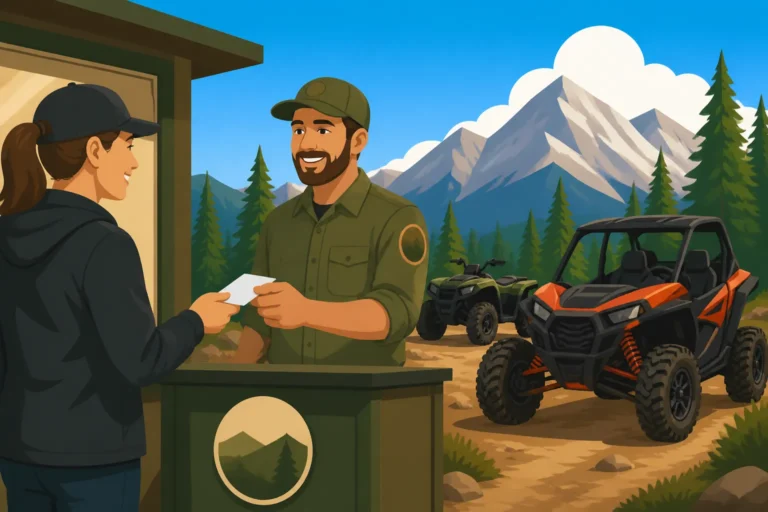
Wyoming offers several convenient ways to purchase your ORV permit, catering to different preferences and locations. You don't have to trek to a specific government office far from home; chances are, there's a selling agent closer than you think. One common option is to visit a local powersports dealer or shop. Many of these businesses are keen to support the riding community and are authorized to sell permits. This is often a great choice because you might already be there for parts or service, making it a one-stop shop. You can also find permits at some ranger stations in our national forests, which is incredibly handy if you're already in the area planning your ride.
Another option is to purchase your permit directly from certain county offices. Not all county counters sell them, but many do, so it's worth checking with your local county clerk or treasurer's office. For those who prefer the convenience of home, permits are also available for purchase online through the Wyoming State Parks, Historic Sites & Trails website. This allows you to order your decal from anywhere and have it mailed to you. Remember, when you buy from an agent like a dealer or a forest office, that agent typically keeps a small portion, usually a dollar, of your permit fee to cover their administrative costs. This is a common practice that helps incentivize these businesses to act as selling points, making the permits more widely available to riders. [Where to Buy a Wyoming ORV Permit] [Why a Selling Agent Keeps $1 of Every Permit]
The Physical Decal and Its Placement
Once you've made your purchase, what you'll receive isn't a license plate, but a durable, adhesive decal. This decal is critical; it's the visible proof that your machine is legally permitted to ride on Wyoming's designated ORV trails. Unlike a traditional license plate, which is usually metal and bolted on, this decal is designed to stick directly onto your machine in a visible location. Wyoming issues a decal, not a plate, primarily because off-road machines are used in environments where a plate might get easily damaged or ripped off, and a decal is simpler for enforcement officers to quickly spot. [Why Wyoming Issues a Decal, Not a Plate]
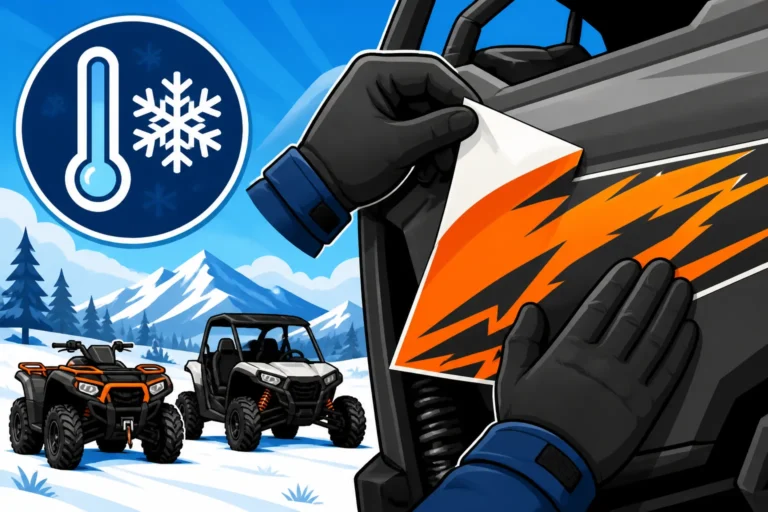
Proper placement of this decal is super important. It needs to be affixed to the front of your machine, specifically in a location that is easily visible to a law enforcement officer or trail warden. This usually means the front fender, hood, or windshield area. Make sure the surface is clean and dry before applying to ensure good adhesion, especially if you plan to ride in varying weather conditions. If, for any reason, your decal gets lost, damaged, or becomes unreadable (which can happen with sun exposure or aggressive trail riding), you can obtain a replacement decal. It’s important to replace it promptly to avoid any issues if you’re stopped on the trail. Just contact the Wyoming State Parks, Historic Sites & Trails office or visit a selling agent, and they can guide you through the replacement process, often for a nominal fee. [Sticking a Decal Where It Shows] [Replacing a Lost Wyoming Decal]
What to Carry While Riding
Even with your shiny new ORV decal proudly displayed on your machine, it's always a good idea to carry a few other pieces of documentation when you hit the trails. While the decal is the primary visual proof of your permit, having a backup can prevent unnecessary complications if there's any doubt or if the decal itself is obscured by mud or trail dust. Many riders choose to carry a physical copy of their permit receipt in a waterproof bag, or at least a digital image on their phone. [Does a Permit Receipt on Your Phone Count?] While a warden's primary check will be for the decal, having that receipt can be helpful if they have questions about the purchase date or if, for some unforeseen reason, your decal has come off during your ride.
Beyond the permit, ensure you have identification on you, especially if you're the driver. If you've just purchased your machine, or even if you've owned it for a while, it's wise to carry a bill of sale. This is especially true if you bought a used ATV in Wyoming, as it helps prove ownership if questions arise. You can find reliable templates for a bill of sale through services like LawDepot, ensuring all the necessary information is included. This simple document can clear up any ambiguities about who owns the machine and prevent headaches down the road. Remember, being prepared with your paperwork, even basic forms like a bill of sale, demonstrates responsible riding and helps ensure a smooth experience on Wyoming's trails. [A Wyoming Bill of Sale for an ATV]
The Wyoming Trails Program: Riding Opportunities and Rules
Wyoming is blessed with an incredible amount of public land, and much of it is accessible to off-road enthusiasts thanks to the Wyoming Trails Program. However, access comes with responsibilities, and understanding where you can and cannot ride, along with the rules that govern those areas, is paramount for a legal and enjoyable experience.
Enrolled Roads and Trails: Your Riding Playground
The concept of "enrolled" roads and trails is central to riding legally in Wyoming. It means that specific routes have been officially designated and signed for ORV use by the managing land agency – whether it's the U.S. Forest Service, the Bureau of Land Management (BLM), or Wyoming State Parks. You'll often hear us emphasize that you must "stay on designated routes." This isn't just a suggestion; it's a critical rule for responsible recreation and environmental protection. Riding off these enrolled routes can lead to severe fines and environmental damage. [Wyoming's Enrolled Roads and Trails]
Each federal land management agency, like the Forest Service and the BLM, has its own process for enrolling routes and produces Travel Management Maps (TMMs) or Motor Vehicle Use Maps (MVUMs) that clearly show where you are permitted to ride. These maps are invaluable resources and often available for free at ranger district offices or online. On Forest Service lands, specific trails might be designated for different vehicle types or width restrictions, so always check the map for your machine. BLM lands, while often appearing vast and open, also have designated routes, and it's your responsibility to know which ones are open to ORVs. Respecting these designations ensures that the land remains open for all to enjoy and helps prevent conflicts with wildlife, livestock, and other users. [Wyoming Rules for Riding National Forest Ground] [Wyoming Rules for Riding BLM Land] [Wyoming Rules for Riding a Designated Route]
Essential Riding Rules and Regulations
Beyond simply staying on designated routes, there are other fundamental rules and regulations that every ORV rider in Wyoming needs to adhere to. These aren't just arbitrary guidelines; they're in place to ensure rider safety, protect the environment, and maintain a peaceful experience for everyone enjoying the outdoors.
One crucial requirement for all off-road vehicles on public lands is a properly functioning spark arrester. This device, usually integrated into your muffler, prevents hot carbon particles from exiting the exhaust and potentially igniting dry vegetation, a very real fire hazard in our often-arid climate. Regularly check your spark arrester to ensure it’s clean and in good working order. Additionally, all machines must meet reasonable sound limits. Excessive noise disturbs wildlife and other recreational users, so keeping your machine's exhaust system well-maintained is not only courteous but also often legally mandated. [Wyoming Spark Arrester and Sound Rules]
While Wyoming does not have a universal helmet law for all adult ORV riders, it's highly recommended for safety. However, helmets are generally required for riders and passengers under the age of 18 on public lands and are mandatory if you're operating an MPV on a street-legal designation. Always verify the specific rules for your age group and machine type. [Wyoming Helmet Law for ATV Riders] Another key consideration is the width of your machine. Many of Wyoming's single-track and even some two-track trails have a width limit, often 50 inches, to prevent damage to the trail surface and surrounding vegetation. If you're riding a wider side-by-side, you'll need to stick to routes specifically designated for wider vehicles or roads, as attempting to squeeze down a narrower trail is both illegal and damaging. [Wyoming's 50-Inch Trail Limit]
Seasonal Closures and Restrictions
Wyoming's diverse environment means that trail access isn't always year-round or consistently open. Seasonal closures and restrictions are a common reality here, implemented for a variety of reasons, most notably to protect wildlife, manage snowmelt, and mitigate fire danger. It’s absolutely essential to be aware of these closures before you head out.
Many trails, particularly in higher elevations or critical wildlife habitats, will have seasonal closures during certain times of the year. For instance, winter range closures are common to protect deer, elk, and other animals during their most vulnerable periods, often extending well into spring to allow for calving and fawning. Similarly, heavy snowmelt in spring can make trails extremely muddy and susceptible to damage, leading to temporary closures to prevent rutting and erosion. [Wyoming Seasonal Closures for Wildlife]
The summer months, especially during dry periods, bring the risk of wildfires. Fire season often leads to various restrictions, ranging from campfire bans to full trail and area closures to prevent new ignitions and ensure public safety. [Wyoming Fire Season and Trail Access] Before any ride, make it a habit to check current conditions and consult Motor Vehicle Use Maps (MVUMs) or Travel Management Maps (TMMs) from the managing agency (Forest Service, BLM, State Parks). These maps are regularly updated and will show you which routes are open, which are closed, and any specific restrictions in place. You can often find this information on agency websites, at local ranger stations, or even via apps. Being informed is not just about avoiding a ticket; it's about respecting the land, wildlife, and the efforts to preserve these incredible riding opportunities for everyone. [Wyoming Trail Maps and MVUMs]
Common Questions and Misconceptions
Despite our best efforts to explain the permit system, there are always questions that pop up regularly. Let's tackle some of the most common points of confusion to ensure you're as informed as possible when you're planning your Wyoming ORV adventures.
Out-of-State Riders: No Reciprocity
This is probably the single most common question we get: "I have a permit from Colorado/Utah/Montana; do I still need a Wyoming permit?" The answer, unequivocally, is yes. Wyoming does not have reciprocity agreements with any other state for ORV permits. Your out-of-state sticker, plate, or registration, no matter how official it looks in your home state, simply isn't recognized here for off-road use on our public lands. [Do Visitors Need a Wyoming ORV Permit?]
We understand this can be a point of frustration, especially for riders just passing through or coming for a short vacation. You might feel like you're paying twice. However, Wyoming's system is designed to ensure that everyone who uses our trails contributes to their upkeep. The permit fee goes directly into the Wyoming State Trails Program, funding the very trails you'll be enjoying. Without this direct contribution from every rider, regardless of residency, our trail system wouldn't have the necessary resources. It's not about singling out visitors; it's about a consistent, equitable funding model that benefits all riders by keeping our trails open and maintained. So, whether you're from Billings, Fort Collins, or Salt Lake City, when you ride in Wyoming, you'll need that Wyoming ORV decal. [Wyoming ORV Reciprocity Rules]
The Permit vs. Road Legality
Another significant area of confusion lies in distinguishing between an ORV permit and making your machine "street legal." It's crucial to understand that obtaining a Wyoming ORV permit does not make your ATV or UTV legal for road use. The ORV permit is exclusively for designated off-road trails and routes. It is not a license plate, and it does not grant you permission to ride on county roads, state highways, or city streets. [Why an ORV Permit Is Not a Road License]
Wyoming does have a separate classification for "Multipurpose Vehicles" (MPVs), which can be made street legal under very specific conditions, involving titling, registration, a proper license plate, and adherence to specific equipment requirements (like mirrors, horns, lights, and sometimes even a motorcycle endorsement). This is a completely different process from getting an ORV permit. If you have a side-by-side that you want to ride on certain public roads that are designated for MPV use, you would need to go through the MPV titling and plating process with your county clerk and treasurer, not just rely on your ORV permit. So, always remember: a permit lets you ride dirt; a separate, more involved process is needed for pavement. [Titling an MPV in Wyoming]
Fines and Enforcement
Nobody wants to get a ticket while out enjoying a ride, but it's a real possibility if you're not following the rules. Enforcement on Wyoming's trails and public lands is taken seriously, and for good reason—it protects the environment, ensures rider safety, and preserves access for everyone. Law enforcement officers, including Forest Service rangers, BLM officers, and Wyoming State Parks wardens, actively patrol popular riding areas and trailheads.
One of the first things a warden checks at a trailhead or during a trailside stop is your ORV permit. If you're caught riding without a current, properly displayed Wyoming ORV decal, you can expect to receive a citation. The fines for riding without a permit can be substantial, and it's simply not worth the risk. [What a Warden Checks at a Trailhead] Beyond the permit, riding off designated routes, entering seasonally closed areas, or violating other regulations like width restrictions or spark arrester requirements can also lead to fines and penalties. [Wyoming Fines for Riding Without a Permit] These fines aren't just an inconvenience; they serve as a deterrent to irresponsible riding that could lead to trail closures or restrictions for everyone. The best way to avoid these situations is simple: know the rules, display your permit, stick to the marked trails, and check for current closures before you even load your machine.
Here's a quick overview of how your Wyoming ORV permit money supports our trails:
| Allocation Area | Description | Example Use |
|---|---|---|
| Trail Development | Planning and building new ORV trails and connections. | Surveying new routes, securing easements, constructing fresh segments. |
| Trail Maintenance | Ongoing upkeep of existing trails to ensure safety and usability. | Grading rough sections, clearing fallen trees, repairing drainage issues. |
| Signage & Wayfinding | Installing and maintaining clear signs for routes and regulations. | Posting route numbers, directional arrows, "stay on trail" reminders. |
| Infrastructure | Building and maintaining facilities for riders. | Constructing bridges, culverts, installing trailhead kiosks, vault toilets. |
| Equipment & Operations | Purchasing and operating machinery for trail work. | Buying bulldozers, excavators, hand tools for trail crews. |
| Education & Safety | Programs to promote responsible riding and safety. | Distributing trail maps, safety brochures, supporting rider education events. |
| Local Grants | Funds allocated to local entities for trail projects in their area. | County or non-profit groups receiving grants for specific local trail repairs. |
Disclaimer
This article is for general informational purposes only and does not constitute professional advice. Laws, prices and regulations vary by location and change over time. Consult a qualified professional for guidance on your specific situation.