Why Wyoming Charges Everyone the Same
It can be a bit of a head-scratcher when you're planning an off-road adventure in Wyoming, especially if you're used to different rules in your home state. Many riders wonder why the Cowboy State charges everyone — residents and visitors alike — the exact same price for an ORV permit. This guide is here to unravel that mystery, explaining the philosophy behind Wyoming's permit system and why this seemingly unusual approach actually makes a lot of sense for everyone who loves to hit the trails.
Understanding Wyoming's ORV Permit System
Before we dive into the "why" of the flat fee, it's helpful to understand the foundation of Wyoming's off-road vehicle (ORV) permit system. This isn't just a random sticker; it's a vital part of how the state manages and maintains its incredible network of trails and designated riding areas. Without this system, the trails we all love would quickly fall into disrepair, and access would become a logistical nightmare.
What the ORV Permit Covers
When you purchase a Wyoming ORV permit, you're not just buying a piece of paper or a sticky decal. You're buying access – legally sanctioned access – to hundreds of miles of designated off-road trails and routes across various land management agencies. This includes areas managed by the U.S. Forest Service, the Bureau of Land Management (BLM), and even some state parks. It's a universal pass, if you will, that signals your compliance and contribution to the system. The permit is issued annually, meaning it's good for a full calendar year, from January 1st to December 31st, no matter when you purchase it. You can learn more about this by checking out [Wyoming's Annual ORV Permit].
The permit covers a wide range of machines that Wyoming considers Off-Road Vehicles. This includes your typical ATVs (quads), side-by-sides (UTVs), and dirt bikes. It ensures that your machine is recognized as ready to legally ride on the specific "enrolled" trails and roads that are part of the state's official system. Think of it as a membership fee that allows you to join a very exclusive, yet incredibly vast, club of outdoor enthusiasts.
The "Why" Behind Needing a Permit
The primary reason Wyoming requires an ORV permit, for everyone, boils down to funding and responsible management. Unlike many other states that might rely heavily on fuel taxes or general funds, Wyoming's system is very direct: the money collected from these permits is earmarked specifically for the state's Trails Program. This program is the lifeblood of our off-road infrastructure.
It ensures that trails are maintained, new routes are developed where appropriate, and critical amenities like signage and even trailhead toilets are funded. Without the revenue generated by these permits, the extensive network of [Wyoming's Enrolled Roads and Trails] simply wouldn't exist in its current form. It's about collective responsibility – everyone who enjoys these resources contributes to their upkeep, ensuring that they remain accessible and enjoyable for generations to come. This shared contribution is a foundational principle of the Wyoming Trails Program.
The Flat Fee Structure: Why It Exists
Now, for the million-dollar question: why does Wyoming charge everyone the same, whether you're a long-time resident from Cheyenne or a visitor hauling your rig in from Colorado? It's a practice that might seem unusual if you're accustomed to tiered pricing or reciprocity agreements in other states, but it's deeply rooted in the state's philosophy for managing its public lands and outdoor recreation.
Simplicity and Administration
One of the biggest reasons for the flat fee structure is pure administrative simplicity. Imagine the bureaucratic tangle if the state had to verify residency for every single permit application, track different pricing tiers, or manage reciprocity agreements with dozens of other states. It would create a massive administrative burden, require more staff, and ultimately drive up costs, likely resulting in higher permit fees for everyone.
By having a single, universal price, the process becomes incredibly straightforward. Whether you're buying a permit at a local county counter, a powersports dealer, or online, the transaction is identical. This efficiency means more resources can be directed toward actual trail work rather than processing paperwork. It's a "one size fits all" approach that cuts down on complexity and ensures that the system is easy to understand and implement for both the state and the rider. This simplicity extends to sellers too; places like local gas stations or outdoor shops can easily sell permits without needing to verify residency, streamlining the entire sales process.
Equal Access, Equal Contribution
Wyoming's public lands are a treasure, and the philosophy is that everyone who uses them should contribute equally to their preservation and maintenance. When you're out on a trail in the Bighorn National Forest or exploring a vast BLM area near Rock Springs, the trail doesn't care if your machine has Wyoming plates or out-of-state tags. The wear and tear, the need for signage, and the cost of maintaining the trail are the same regardless of where you call home.
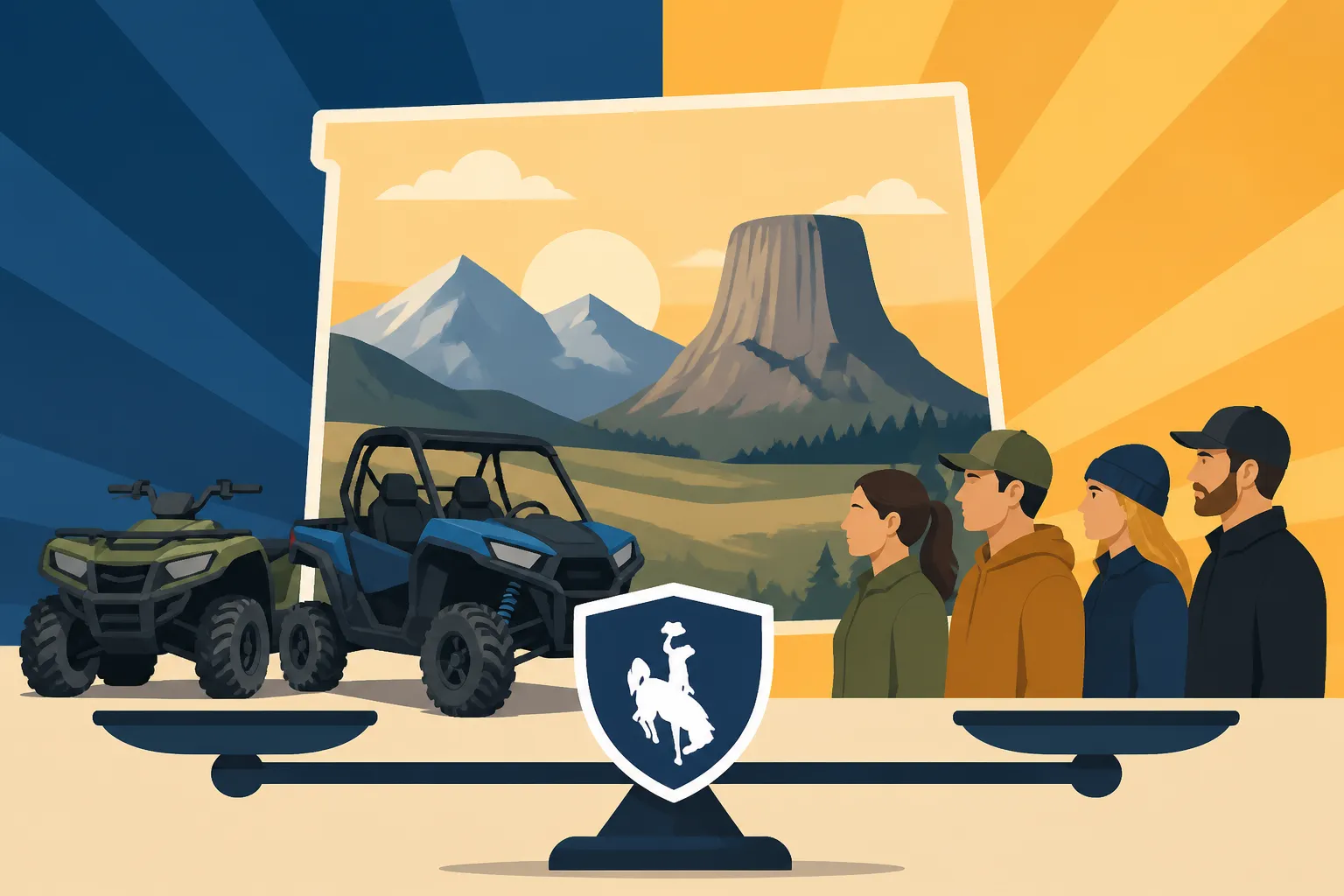
Therefore, the state applies an "equal access, equal contribution" model. If you're using the trails, you're benefiting from the system, and your contribution helps sustain it. It avoids the argument that a nonresident should pay more because they "don't pay state taxes" that might otherwise support such programs, because in Wyoming, the permit is the primary funding mechanism for the ORV trails. It ensures fairness in contribution for fair access to some of the most spectacular riding country in the nation. It's a direct user-fee system that values all users equally.
Supporting the Statewide Trails Program
The overarching goal of the permit system is to support the [Wyoming Trails Program]. Every dollar collected, whether from a resident or a visitor, funnels directly into this program. This means that the flat fee ensures a consistent and predictable revenue stream for trail maintenance, new trail development, and educational initiatives across the entire state.
This isn't just about local trails; it's about a robust, statewide network. A resident riding in the Snowy Range benefits from work funded by a visitor's permit bought in Cody, and vice-versa. It creates a collective pool of funds that can be strategically allocated to where it's most needed, ensuring the longevity and quality of the state's off-road recreation opportunities. It fosters a sense of shared ownership and investment in Wyoming's outdoor heritage, where everyone's permit makes a tangible difference.
Where Your Permit Dollars Go
It's natural to wonder, "Where exactly does my money go?" when you hand over that fee for your ORV permit. Many states have complex funding formulas, but Wyoming's is refreshingly direct and transparent. The funds are primarily dedicated to enhancing and maintaining the very trails you ride, benefiting every single person who uses them. This direct allocation is a key reason why the flat fee works so effectively.
Funding Trail Maintenance and Development
The lion's share of your permit fee goes directly into hands-on trail work. This includes everything from clearing fallen trees after a winter storm, repairing washouts caused by heavy rain, and maintaining bridges and culverts. It also covers the cost of cutting new trails or designating new routes when appropriate, expanding the network of [Wyoming's Enrolled Roads and Trails]. Consider the effort involved in keeping popular areas like the Killpecker Sand Dunes or the extensive routes in the Bighorn National Forest safe and passable. That work isn't free, and your permit is what funds it.
These funds also contribute to the purchase and maintenance of equipment used by trail crews, whether they're state employees or volunteers working through grants. It supports efforts to control invasive species along trail corridors and to rehabilitate areas damaged by illegal off-route riding. The tangible improvements you see on the ground – clear paths, good signage, safe crossings – are a direct result of the permit dollars at work.
Local Impact of Permit Sales
A unique aspect of Wyoming's system, and another reason the flat fee is fair, is how locally focused the spending often is. A significant portion of the permit funds are reinvested in the counties or regions where the permits were purchased. This means if you buy your permit at a local selling agent in, say, Jackson, a good chunk of that money stays in Teton County to benefit the local trails. This local impact is detailed further in [Where Wyoming Permit Money Goes] and [Trail Work Funded Where You Ride].
This structure provides an incentive for local communities to support the ORV program and helps ensure that the specific needs of different riding areas are met. It means that whether you're a resident exploring your backyard trails or a visitor on a week-long trip, your contribution is helping to maintain the very routes you're enjoying during your stay. This localized funding mechanism reinforces the idea of equal contribution for equal benefit, as everyone's money directly supports the trails they ride.
Benefits for All Riders, Regardless of Origin
Ultimately, the goal of the entire system, fueled by the flat permit fee, is to provide high-quality riding experiences for everyone. Whether you're a local rancher using your side-by-side for work and recreation, a weekend warrior from a neighboring state, or a family on a cross-country adventure, you benefit from well-maintained, clearly marked trails. The permit ensures that the infrastructure is there for all riders.
This shared benefit is precisely why the state charges everyone the same price. There's no separate "resident trail" and "non-resident trail"; it's all part of the same interconnected system. Your permit helps fund critical signage that keeps everyone on designated routes, reducing environmental impact and potential conflicts with landowners. It helps educate riders on responsible practices and contributes to search and rescue efforts when needed. It's a collective investment in an invaluable recreational resource that doesn't discriminate based on your zip code.
No Reciprocity, No Problem for Wyoming
One of the most common questions from out-of-state riders, and often a source of initial confusion, is about reciprocity. Many states have agreements where if your machine is legally registered in your home state, it's recognized in others. Wyoming, however, operates differently. This lack of reciprocity is a deliberate choice that, like the flat fee, contributes to the overall efficiency and fairness of its ORV program.
Why Wyoming Honors No Other State's Registration
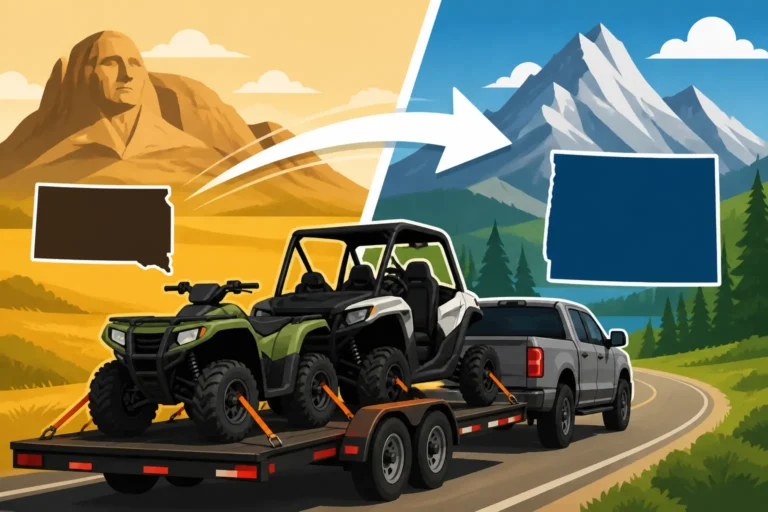
Wyoming maintains a clear stance: if you ride an ORV on public lands and designated trails within its borders, you need a Wyoming ORV permit. Period. This means that a sticker from Montana, a plate from Colorado, or a registration from Utah simply won't cut it. Your home state's registration does not transfer or grant you access to Wyoming's trail system. This policy is explicitly laid out in [Why Wyoming Honors No Other State's Registration].
This isn't meant to be an inconvenience; it's a structural decision that ties back to the funding model. Because Wyoming's permit system is a direct user-fee program that funds its specific Trails Program, it needs every rider to contribute to that fund. If they honored other states' registrations, they would lose a significant portion of the revenue needed to maintain their trails, effectively allowing out-of-state riders to use the trails without contributing to their upkeep. It also avoids the complex and ever-changing legal frameworks of attempting to recognize permits from potentially all 50 states.
The Visitor's Perspective
For many visitors, especially those from states with reciprocity agreements, this policy can be a bit of a surprise, perhaps even a minor frustration. You might think, "I already paid for a sticker in my state, why do I need another one?" This is a completely understandable reaction, and one that many riders grapple with initially. You've planned your trip, loaded your machines, and now there's another permit to buy.
However, understanding the "why" behind it often helps. Instead of viewing it as an extra fee, consider it your direct investment in the quality of the trails you're about to enjoy. It's a small price to pay for access to Wyoming's stunning backcountry. It's also a testament to the state's commitment to self-funding its recreation infrastructure, rather than relying on general tax revenues that visitors might not contribute to in the same way. You can find more details relevant to visitors in [Wyoming ORV Permit for Nonresidents].
How the Flat Fee Simplifies Things for Everyone
The lack of reciprocity, combined with the flat fee, actually simplifies things dramatically for both riders and enforcement. For riders, there's no need to research complex interstate agreements or worry if your particular home state's sticker is recognized. The rule is simple: if you're riding a machine in Wyoming, get a Wyoming permit. You don't have to carry multiple documents or explain your residency to a warden.
For law enforcement and land managers, it makes enforcement straightforward. A warden at a trailhead doesn't need to consult a binder of reciprocity rules or ask for multiple forms of ID. They simply check for the current [Wyoming's Annual ORV Permit] decal on your machine. This clear-cut system minimizes confusion, reduces potential disputes, and allows officials to focus on ensuring safe riding and environmental protection, rather than administrative complexities. This unified approach, as described in [One Flat Permit Price, Whatever You Ride], benefits everyone by making the rules clear and equitable.
Dispelling Common Misconceptions About Fees
Even with a clear system, myths and misunderstandings can crop up, especially when it comes to fees and state regulations. Addressing these head-on can help riders feel more confident and informed about Wyoming's ORV permit system. It's about clarifying expectations and reinforcing the value proposition for every single permit holder.
"Why Don't Non-Residents Pay More?"
This is perhaps the most frequent question from both residents and non-residents alike. Many states charge non-residents a higher fee for various licenses, permits, or passes, often citing that residents already contribute through state taxes. However, Wyoming's ORV permit system intentionally avoids this. As we've discussed, the permit is a direct user-fee that funds a specific program. It's not tied to general state tax revenues.
The philosophy is simple: if you're using the trails, you're contributing to their upkeep, and the impact your machine has on the trail is the same regardless of your residency. To charge non-residents more would complicate the simple administrative structure and go against the "equal contribution for equal access" principle. The state values the economic impact and recreational contributions of its visitors just as much as its residents, and a single, fair price reflects that inclusive approach.
The Myth of a "Discount" for Residents
Following from the previous point, another misconception is that residents might somehow be getting a "discount" because they pay the same as non-residents, who might be expected to pay more. The reality is that there is no discount; it's just a consistent, flat fee for everyone. The [Wyoming ORV Permit Cost] is a set amount, and that's what everyone pays.
Think of it less as a discount for residents and more as a universal pricing strategy that treats all users of the public land trails equally. The state has determined that this specific fee, collected from all users, is what's needed to adequately fund the Trails Program. Any deviation from this, such as offering a resident discount or charging non-residents more, would necessitate a re-evaluation of the entire financial model and likely lead to higher fees for someone. LawDepot, for example, helps people create various legal documents, but they wouldn't have special provisions for differing state permit fees because the state itself makes that decision.
The Value Proposition for Every Rider
Ultimately, the flat fee structure and the no-reciprocity policy combine to create a clear and consistent value proposition for every rider. When you purchase your Wyoming ORV permit, you are directly investing in:
- Access: Legal entry to thousands of miles of breathtaking trails and designated riding areas.
- Maintenance: Knowing your money helps keep those trails safe, clear, and enjoyable.
- Expansion: Contributing to the development of new routes and recreational opportunities.
- Simplicity: A straightforward, no-fuss system that is easy to understand and comply with.
Whether you're exploring the wide-open spaces of the Red Desert, navigating the pine-scented trails of a National Forest, or simply [Buying a Permit on the Drive to the Trailhead] for a quick weekend ride, your permit is a direct link to the preservation and enhancement of those experiences. It ensures that the incredible natural beauty and adventure that Wyoming offers remain accessible and well-cared for, not just for you, but for all future riders. The system is designed to be fair, efficient, and focused on sustaining the very activity we all love.
| Feature | Wyoming ORV Permit System | Common Alternative (e.g., Some States) |
|---|---|---|
| Pricing | Flat fee for all (residents & visitors) | Tiered pricing (residents pay less) |
| Reciprocity | None (Wyoming permit always required) | Often honors other states' registrations |
| Funding Focus | Direct to specific Trails Program | Often tied to general state funds/taxes |
| Administrative Load | Low (simple, uniform process) | Higher (residency checks, reciprocity mgmt.) |
| User Contribution | Equal for all trail users | Varies based on residency |
| Benefit Sharing | Statewide, for all riders | Potentially more localized to tax base |
Disclaimer
This article is for general informational purposes only and does not constitute professional advice. Laws, prices and regulations vary by location and change over time. Consult a qualified professional for guidance on your specific situation.