Wyoming ORV Permit Cost
It can feel like there's a new fee or permit around every corner when you're looking to enjoy the great outdoors with your off-road vehicle in Wyoming. Sorting through regulations and trying to figure out exactly how much it's going to cost just to get out on the trails can be a real headache, especially if you're not a resident. This comprehensive guide is here to unravel the mystery of the Wyoming ORV permit cost, helping you understand not just the sticker price, but also where that money goes and what value you're truly getting for your investment.
Breaking Down the Wyoming ORV Permit Cost
Let's face it, nobody likes surprises, especially when it comes to spending money. The good news about Wyoming's ORV permit is its straightforward pricing structure. There aren't tiers or complex calculations based on machine type or engine size, which simplifies things immensely for riders.
The Flat Fee for Everyone
One of the biggest questions riders have, particularly those visiting from out of state, is whether the cost changes depending on where you live. The answer is simple: it doesn't. Wyoming believes in a level playing field for everyone who wants to use and contribute to its incredible trail system. So, whether you've lived in Laramie your entire life or you're just passing through from Colorado for a week-long adventure, you'll pay the exact same amount for your ORV permit. This approach ensures that all users are equally invested in the maintenance and development of the trails they enjoy.
This uniform fee helps cut down on confusion and makes it easy for anyone to budget for their riding trips. You don't have to worry about looking up different rates or proving your residency. It's one price for all, plain and simple. This can be a refreshing change for riders who are used to navigating complex, multi-tiered permit systems in other states, where residency can dramatically alter the price tag. The commitment to a single fee streamlines the process, making it more accessible and less of a bureaucratic hurdle for every off-road enthusiast.
What That Fee Actually Covers
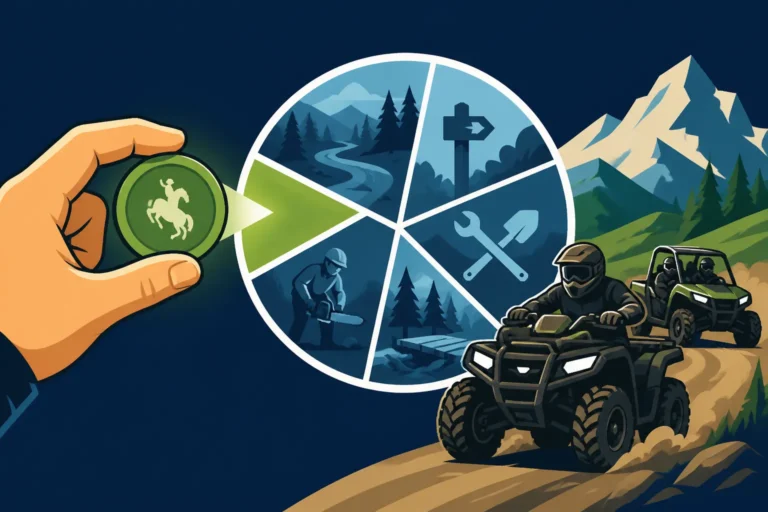
So, you hand over your hard-earned cash for a permit – but where does it actually go? It’s a fair question, and one that many riders appreciate knowing the answer to. In Wyoming, a significant portion of your ORV permit fee is channeled directly into the state's Trails Program. This isn't just a generic government fund; it's a dedicated effort to ensure that the trails you love to ride are well-maintained, safe, and sustainable for future generations. Think about the improvements you see: new signage, trail surfacing, bridge repairs, and even the development of entirely new routes. This all comes from permit fees.
The money also supports critical infrastructure at trailheads, like vault toilets and improved parking areas, which directly enhance your riding experience. It helps fund educational initiatives to promote responsible riding practices, protecting both riders and the environment. Essentially, when you purchase a Wyoming ORV permit, you're directly investing in the future of off-road recreation in the state. It's a collective contribution that benefits every rider, whether they're tackling the sandy dunes of Killpecker or exploring the forest trails of the Bighorns. Your permit is more than just a piece of paper; it’s a tangible commitment to the ongoing vitality of Wyoming's remarkable outdoor spaces. You can learn more about how these funds are allocated by checking out [Wyoming ORV Permit and the Trails Program].
Why the Price Stays the Same
In a world where prices for just about everything seem to constantly climb, the consistency of the Wyoming ORV permit fee is truly remarkable. This isn't an arbitrary decision, but a reflection of careful planning and a commitment to stability by state authorities. The permit fee is set by state statute, meaning it's not something that can be changed on a whim by a local agency or an individual park manager. Any adjustments to the fee would require legislative action, a process that typically involves thorough review and public input, ensuring that any changes are well-considered and justified.
This statutory basis provides riders with a level of predictability that is often missing from other recreational fees. You can plan your riding budget year after year without unexpected surges in permit costs. This stability is particularly beneficial for families and frequent visitors who rely on consistent expenses for their outdoor activities. It demonstrates the state's understanding that making off-road recreation accessible and affordable for everyone helps foster a strong and vibrant riding community, which in turn supports the maintenance of these vital trails.
Additional Fees or Hidden Costs You Might Encounter
While the core permit cost itself is admirably stable, there are a few other considerations that might affect your overall spending when acquiring or maintaining your ORV permit in Wyoming. It's good to be aware of these minor details so you can avoid any unexpected surprises.
The Selling Agent's Portion
You might notice that a small portion of your permit fee, typically $1, goes to the selling agent. This isn't an extra charge to you; it's simply how the state compensates the various businesses and county offices that handle the sale of ORV permits. These selling agents, whether they are a local powersports dealer, a small-town tackle shop, or a county treasurer's office, provide a valuable service by making permits readily available in convenient locations across the state. This small commission helps them cover the administrative costs and time involved in processing permit sales.
Essentially, this $1 incentive encourages widespread distribution of permits, meaning you're more likely to find a place to buy one when you need it, often close to popular riding areas or on your way to the trails. It’s a smart system that leverages local businesses to enhance access for riders, rather than requiring you to travel to a specific state office. This keeps the process decentralized and convenient, ensuring that whether you're buying your permit in Evanston or Buffalo, you have a local option. For a deeper dive into this, check out [Why a Selling Agent Keeps $1 of Every Permit].
Online vs. In-Person Purchase Considerations
When it comes to buying your Wyoming ORV permit, you generally have a couple of options: online or in person. Each has its own minor cost implications beyond the permit itself. If you opt to purchase your permit online, you'll typically encounter a small processing fee charged by the online vendor or platform. Additionally, there will be a shipping charge to have the physical decal mailed to your address. While these fees are usually quite modest, they do add a few dollars to the overall cost. For those who prefer the convenience of ordering from home and having the decal arrive in the mail, this can be a worthwhile trade-off.
On the other hand, buying your permit in person at a county office, a state park, or an authorized dealer generally means you avoid those online processing and shipping fees. However, you'll need to factor in the time and fuel cost of driving to the physical location. Sometimes, a quick stop at a local outfitter or county clerk's office on your way to the trails is the most practical and cost-effective method. It really comes down to what's more convenient for your specific situation. Many riders appreciate the instant gratification of walking out with their decal in hand. You can find more details on your options at [Buying a Wyoming Permit Online] and [Where to Buy a Wyoming ORV Permit].
Replacement Decal Fees
Life happens, and sometimes, those little ORV decals get lost, damaged, or simply peel off after years of sun, mud, and adventure. If you find yourself in need of a replacement decal, there is a nominal fee associated with obtaining a new one. This fee covers the administrative costs of issuing a duplicate and ensuring the proper records are updated. It’s a relatively small amount compared to the original permit cost, but it's important to be aware of it.
The process to get a replacement is usually straightforward, often requiring you to fill out a simple form and pay the fee. It's always a good idea to keep a copy of your original permit receipt or confirmation, perhaps stored digitally or in a secure spot, as this can help expedite the replacement process. Just like when you apply for your original permit, you might encounter similar online processing and shipping fees if you order your replacement decal remotely. This small charge helps prevent frivolous requests and ensures that resources are allocated appropriately for legitimate replacements. For specific details on this, you can refer to [Replacing a Lost Wyoming Decal].
Comparing Wyoming's ORV Permit to Other Costs
Understanding the direct cost of the permit is just one piece of the puzzle. To truly appreciate its value, it's helpful to compare it against other potential expenses and consider the broader context of off-road riding in Wyoming.
Why No Reciprocity Means a Wyoming Permit for Everyone
This is often a point of frustration for out-of-state riders, and it's completely understandable. Many states have reciprocity agreements, meaning if you have a valid ORV registration or permit from your home state, it's honored in neighboring states. Wyoming, however, operates differently. If you plan to ride an ORV on Wyoming's designated public lands and trails, you must have a Wyoming ORV permit, regardless of whether your machine is registered or permitted in another state. There are no exceptions for visitors; a Montana sticker or a Colorado permit simply won't cut it on Wyoming trails.
This policy ensures that all users contribute directly to the maintenance of Wyoming's trail system. While it can feel like an extra burden for those who already pay for similar permits elsewhere, it's how Wyoming funds the vast network of trails and roads that make it such a destination for off-road enthusiasts. It’s a direct pay-to-play model that ensures the dollars you spend benefit the specific trails you are riding. It's essential to understand this upfront to avoid disappointment or, worse, a citation. You can dive deeper into this topic by reading [Why Wyoming Honors No Other State's Registration] and [Wyoming ORV Permit for Nonresidents].
The Value Proposition: What You Get for Your Money
When you consider the nominal fee for a Wyoming ORV permit, especially in comparison to the vast opportunities it unlocks, the value proposition is quite strong. That single fee grants you access to thousands of miles of incredible trails and designated roads across national forests, BLM lands, and state parks throughout Wyoming. Imagine tackling the diverse terrain of the Medicine Bow National Forest, exploring the dramatic landscapes of the Bighorns, or carving up the sand dunes at Killpecker—all year-round, for one low annual price.
Beyond just access, your permit directly contributes to the preservation and improvement of these riding areas. It helps pay for trail mapping, signage that keeps you on track, and vital maintenance that prevents erosion and ensures a smoother, safer ride. It also supports programs that aim to educate riders on responsible land use, minimizing impact and promoting coexistence with wildlife and other users. So, while it's a cost, it's also an investment in an unparalleled outdoor experience and the sustainability of off-road recreation in one of the most wild and beautiful states in the country. To see where your money truly makes a difference, check out [Where Wyoming ORV Permit Money Goes].
Avoiding Fines: The Cost of Not Having a Permit
Perhaps the most compelling argument for purchasing a Wyoming ORV permit is the cost of not having one. Riding on designated public lands and trails without a valid permit is against the law, and if you're caught by a game warden, forest ranger, or sheriff's deputy, you're looking at a citation. The fines for riding without a permit can be significantly higher than the permit itself, turning a small, affordable investment into a much more substantial and unwelcome expense. This doesn't even account for the potential hassle and stress of dealing with a legal infraction while trying to enjoy your vacation or weekend ride.
It's simply not worth the risk. Imagine getting halfway through a fantastic ride only to be stopped and ticketed, ruining your day and putting a significant dent in your wallet. The small annual fee for the permit is a minor expense when weighed against the peace of mind and legal protection it provides. Always ensure your decal is properly displayed and current before heading out on the trails. It's a fundamental part of responsible riding and helps ensure that the trails you love remain open and accessible for everyone. For more details on what penalties you might face, consult [Wyoming Fines for Riding Without a Permit]. If you ever need to prepare a bill of sale for your ORV, or other legal documents related to ownership, resources like LawDepot can assist you in creating professional, legally sound paperwork, which can be useful when proving ownership in various situations.
Here’s a quick overview of the costs discussed:
| Cost Item | Description | Typical Impact (Relative to Permit) | Notes |
|---|---|---|---|
| Annual ORV Permit | Required for all ORVs on designated public trails. | Base Cost (e.g., $15) | Flat fee for residents and non-residents. Funds Trails Program. |
| Selling Agent Portion | Small part of base fee, compensates vendors. | Included in Base Cost | Not an extra charge to the rider. |
| Online Processing Fee | For purchasing permit online. | Small Additional Cost | Varies by platform. |
| Shipping & Handling | For mailing the physical decal (online purchases). | Small Additional Cost | Varies by service. |
| Replacement Decal Fee | For lost, stolen, or damaged decals. | Modest Additional Cost | Plus potential processing/shipping if ordered online. |
| Fines for No Permit | Penalty for riding on public land without a permit. | Substantial Additional Cost | Significantly higher than permit cost. Avoid at all costs! |
| Fuel/Travel to Vendor | Cost to drive to an in-person permit vendor. | Variable Additional Cost | Depends on your location and vendor proximity. |
| Legal Document Prep | For bills of sale or ownership transfers (e.g., LawDepot). | Variable Additional Cost | Not directly permit-related, but part of ORV ownership. |
When you consider the low, fixed cost of the Wyoming ORV permit, especially in contrast to the potential fines for riding without one, it's clear that acquiring a permit is not just a regulatory necessity, but a smart financial decision. It's a small investment that pays dividends in legal riding access, trail maintenance, and peace of mind. Just like you'd use a service like LawDepot for important legal paperwork related to your machine's ownership, thinking ahead about your permit ensures all your riding adventures are above board.
Disclaimer
This article is for general informational purposes only and does not constitute professional advice. Laws, prices and regulations vary by location and change over time. Consult a qualified professional for guidance on your specific situation.