Wyoming ORV Permit and Sales Tax
It's incredibly frustrating when you're just eager to hit the trails on your ATV or UTV, but you're bogged down with questions about paperwork. "Do I need a permit?" "Is there sales tax on this thing?" "Are they even the same thing?" These are common headaches for anyone buying or riding an off-road vehicle in the Cowboy State. This guide is here to clear up the confusion, explaining the distinct roles of Wyoming's ORV permit and sales tax, and what you need to know for a smooth ride.
Deciphering the Wyoming ORV Permit: What It Is (And Isn't)
Let's get one thing straight from the get-go: the Wyoming ORV permit is primarily a user fee. Think of it like a pass you buy to access designated public lands and trails. It's not a registration in the same way your car is registered with the Department of Motor Vehicles, and it certainly isn't a receipt for sales tax. Understanding this fundamental difference is key to navigating the world of off-road vehicle ownership in Wyoming.
The Purpose of Your Wyoming ORV Permit
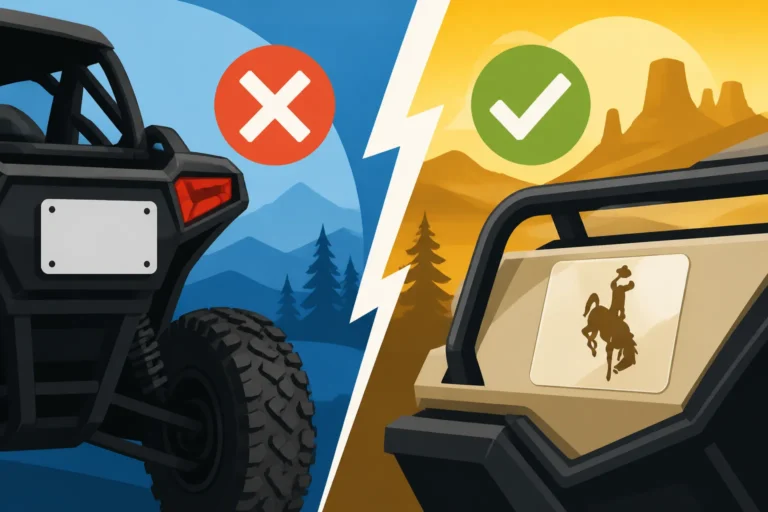
The main reason you need a [Wyoming's Annual ORV Permit] is to legally operate your off-road vehicle on Wyoming's vast network of designated public trails and open riding areas. This includes lands managed by the U.S. Forest Service, the Bureau of Land Management (BLM), and Wyoming State Parks. Without this decal affixed to your machine, you could face fines if encountered by a game warden, park ranger, or law enforcement officer on public land. It’s Wyoming’s way of ensuring that those who use the trails contribute to their upkeep. The funds generated from these permits go directly into the state's Off-Road Recreation Program, which helps with everything from trail maintenance and new trail development to signage and educating riders. It’s a vital piece of the puzzle that keeps our trails open and enjoyable for everyone.
The Cost of Admission: Wyoming's Flat Fee Permit
One of the most straightforward aspects of the Wyoming ORV permit system is its pricing structure. Unlike some states with varying fees based on machine type or residency, Wyoming keeps it simple: there's one flat fee for everyone. Whether you're a long-time Wyoming resident or just visiting from out of state for a week of riding, the cost of your annual ORV permit is the same. This applies to almost all off-road machines, from dirt bikes and four-wheelers to side-by-sides. This universal pricing means visitors pay the same as residents, which sometimes catches folks off guard, but it ensures that everyone contributing to the program is doing so equally. You can find more details on the exact figure by checking the official state website, as prices can change, but the principle of a single, flat fee for all remains consistent. You can explore [Wyoming ORV Permit Cost] for current details.
When and Where to Get Your ORV Permit
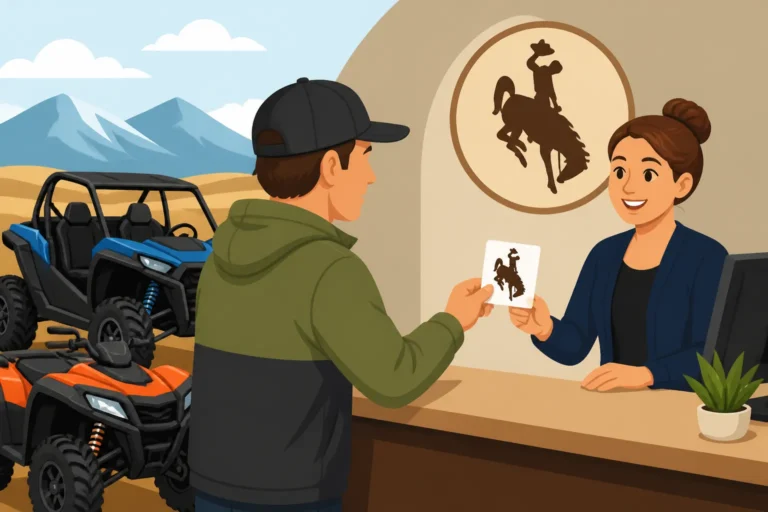
The Wyoming ORV permit operates on a calendar year basis. This means it's valid from January 1st through December 31st, regardless of when you purchase it. So, if you buy your permit in August, it still expires on December 31st of that same year. This can sometimes lead to riders waiting until spring to buy, but you can actually purchase next year's permit as early as October of the current year. This is super handy if you're planning some late-season rides or want to be ready for January 1st without a last-minute scramble. When it comes to buying, you've got options: you can purchase your permit conveniently online through the Wyoming State Parks, Historic Sites and Trails website, or you can buy it in person at a wide array of vendor locations across the state. These often include county treasurer's offices, many powersports dealerships, and even some forest service ranger stations or local outfitters near popular riding areas. It's all about making it accessible for you to get out and enjoy our incredible landscape. For a comprehensive list, check out [Where Wyoming Sells ORV Permits].
Navigating Wyoming Sales Tax on Your ATV or UTV Purchase
Now, let's tackle sales tax. This is where things can get a little murky, especially if you're used to different rules in other states. The crucial distinction here is that sales tax applies to the purchase of your off-road vehicle – it's a tax on the transaction itself, not a fee for its use. This is entirely separate from the ORV permit we just discussed. In Wyoming, whether you buy new from a dealer or used from a private party, sales tax generally applies.
Sales Tax for New ORVs: Dealer Transactions
When you walk into a dealership in Wyoming and purchase a brand-new ATV or UTV, the process for sales tax is usually quite straightforward. The dealership, as a registered business, is responsible for collecting the state and any applicable local sales tax at the point of sale. This tax is calculated based on the purchase price of your machine. They'll add it to your total bill, and then they remit that money directly to the state tax commission. This is the most common and often the simplest way to handle sales tax for an ORV because the dealer takes care of all the calculations and paperwork for you. You'll see it clearly itemized on your purchase agreement, along with the price of the machine, any accessories, and other fees.
Sales Tax for Used ORVs: Private Party Purchases
This is where many people get confused, as practices vary wildly from state to state. In Wyoming, if you purchase a used ATV or UTV from a private seller, you are still generally responsible for paying sales tax on that transaction. Unlike some states where private party sales are exempt from sales tax, Wyoming considers these sales taxable. The buyer is typically responsible for remitting this sales tax to their local county treasurer's office. This is usually done when you bring in your bill of sale, often at the same time you might be trying to get a title (if it's an MPV) or just to officially record the transaction for tax purposes. Even if your specific ORV doesn't require a state title, the sales tax is still owed on the purchase price you agreed upon with the seller. A robust bill of sale, detailing the purchase price, is absolutely essential here, as it serves as the basis for calculating the tax you owe. Think of it as a crucial step in formalizing your ownership, even if you’re not "registering" in the traditional sense. [Buying a Used ATV in Wyoming] can offer more insights into this process.
Out-of-State ORV Purchases and Wyoming Use Tax
What happens if you buy your shiny new (or used) ATV or UTV outside of Wyoming but plan to use it predominantly within the state? This brings us to Wyoming's use tax. Use tax is essentially the sales tax you would have paid if you had purchased the item in Wyoming. Its purpose is to level the playing field, ensuring that people don't avoid paying sales tax by buying goods in states with lower or no sales tax, only to bring them into Wyoming. If you purchase an ORV out of state and bring it into Wyoming, you are generally required to pay Wyoming's use tax on that purchase if you haven't already paid an equivalent sales tax in another state. You would typically report and pay this to the Wyoming Department of Revenue. Again, a detailed bill of sale from your out-of-state purchase is critical for this process, as it documents the purchase price and any sales tax you might have already paid elsewhere. Make sure you understand these rules to avoid any unexpected tax bills down the road.
Separating the Permit, Sales Tax, and Titling: Why It Matters
It's easy to lump all the "paperwork" for an off-road vehicle together, but understanding that the permit, sales tax, and titling are three distinct processes, with different purposes and collection points, is paramount. Confusing them can lead to frustration, delays, or even fines. While they all relate to your ORV, they serve very different functions in the eyes of Wyoming law.
Understanding the Distinct Roles: Use Fee vs. Transaction Tax vs. Ownership Record
Let's break down these three concepts to really cement their differences. The Wyoming ORV permit is a user fee for accessing public lands. It's an annual fee that contributes to the trails program, collected by State Parks and their authorized vendors. It does not confirm ownership, nor does it acknowledge sales tax payment. It's simply your ticket to ride. Sales tax, on the other hand, is a transaction tax levied on the purchase of the vehicle itself. It's collected by dealers for new sales and by county treasurers for private party used sales. This tax is a one-time payment for the acquisition of the ORV, completely independent of whether you ever plan to ride it on public trails. Finally, titling is the process of establishing a legal record of ownership for your vehicle. For many traditional ATVs and dirt bikes in Wyoming, a state title isn't issued because they are not considered road-legal vehicles in their basic form. However, a class of machines known as [Wyoming's Multipurpose Vehicle Class] (MPVs), which includes many side-by-sides, can be titled and registered for street-legal use. When an ORV is titled, the county clerk handles the title, and the county treasurer handles registration and plates, often collecting sales tax at that time. The absence of a title for a pure ORV is a common point of confusion, but remember, [Why No Title for an Off-Road Machine in Wyoming] is a key factor in how sales tax and ownership are handled.
The Essential Bill of Sale: Your Proof for Sales Tax and Ownership
Regardless of whether your off-road vehicle gets a title in Wyoming, a comprehensive bill of sale is an absolutely critical document to have. For new purchases, the dealer provides this, and it clearly shows the transaction details, including the sales tax collected. For private party used sales, creating a thorough bill of sale is entirely up to you and the seller, and it's essential for proving the purchase price when you pay your sales tax to the county treasurer. This document should include the date of sale, the full names and addresses of both buyer and seller, a detailed description of the ORV (make, model, year, VIN), and the agreed-upon sale price. Even without a formal title, a well-executed bill of sale serves as your primary proof of ownership, which is crucial for tax purposes, insurance, and in the rare event of a dispute. There are many online resources, like LawDepot, that offer customizable bill of sale templates specifically designed for vehicle transactions, which can be invaluable for ensuring you cover all the necessary bases. This document is truly your bedrock for ownership and tax compliance, so don't skip it.
Common Questions and Practical Steps for ORV Owners in Wyoming
Navigating the various requirements for your ORV can feel like a maze, especially when you're just starting out or moving to Wyoming. Let's address some common questions and provide a clear path forward so you can spend less time on paperwork and more time enjoying the trails.
"I Just Bought My ORV: What's My Next Step with Tax and Permit?"
Okay, you've just made the exciting purchase of an ATV or UTV in Wyoming – congratulations! Your first priority, especially for a new purchase from a dealer, is that the sales tax should have been handled at the point of sale. If you bought privately, your next step is to prepare your bill of sale and head to your county treasurer's office to pay the sales tax. This needs to be done promptly to comply with state law. Even if your ORV doesn't get a title, the sales tax is still due on the purchase.
Once the sales tax is taken care of (or confirmed to be handled by the dealer), your next distinct step is to acquire your annual Wyoming ORV permit. This is for using the machine on public lands. You can do this online through the State Parks website or in person at one of the many vendor locations. Remember, the permit is valid for the calendar year, so plan accordingly. If you’re unsure about which counter handles what, typically the county clerk handles titles for MPVs, and the county treasurer handles sales tax and plates for MPVs, or just the sales tax transaction for a pure ORV.
Here's a quick checklist:
- Sales Tax:
- New from Dealer: Confirmed collected at purchase.
- Used Private Sale: Pay to your county treasurer with your bill of sale.
- ORV Permit:
- Purchase online or in person.
- Affix the decal to your machine in a visible spot.
"Does My Permit Receipt Show Sales Tax Paid?"
This is a very common question, and the answer is a definitive "no." Your Wyoming ORV permit receipt is simply proof that you've paid the annual user fee for the trails program. It will show the cost of the permit itself, but it will not reflect any sales tax paid on the purchase of your ATV or UTV. These are entirely separate financial transactions, handled by different entities and for different purposes.
The sales tax for your ORV purchase is either collected by the dealership (for new machines) or paid by you directly to your county treasurer (for private party used machines). The receipt for that sales tax payment will come from the dealership or the county treasurer's office, not from the ORV permit vendor. So, if you're ever asked for proof of sales tax payment, don't present your ORV permit receipt – it won't suffice. Always keep your actual purchase invoice or the receipt from the county treasurer for the sales tax payment with your other important ownership documents. This is another situation where a detailed document, perhaps generated using a service like LawDepot, can help keep your records straight.
Summary of ORV Permit, Sales Tax, and Titling in Wyoming
To help clarify the differences, here's a quick overview of these three critical aspects of owning an off-road vehicle in Wyoming:
| Feature | Wyoming ORV Permit | Wyoming Sales Tax on ORV Purchase | Wyoming ORV/MPV Titling |
|---|---|---|---|
| Purpose | Public land/trail access | Tax on vehicle transaction | Legal proof of ownership (MPV only) |
| Fee/Tax Type | Annual user fee | One-time transaction tax | One-time title fee |
| Applies To | All ORVs used on public land | All ORV purchases (new & used) | MPVs only (certain side-by-sides) |
| Collection By | State Parks/Authorized Vendors | Dealer (new) / County Treasurer (used) | County Clerk (for MPVs) |
| Validity | Calendar year (Jan 1 – Dec 31) | One-time at purchase | Until vehicle sold/transferred |
| Proof Is | Decal on machine & receipt | Sales invoice / Treasurer's receipt | Official title document |
| Related To | Trail maintenance, recreation | State & local revenue | Road-legal status (for MPVs) |
Understanding these distinctions will save you a lot of guesswork and ensure you're fully compliant with Wyoming's regulations. Now go enjoy those trails!
Disclaimer
This article is for general informational purposes only and does not constitute professional advice. Laws, prices and regulations vary by location and change over time. Consult a qualified professional for guidance on your specific situation.