Why Fees Stay Where They Were Collected
It's incredibly frustrating, isn't it? You pay your hard-earned money for an off-road vehicle permit, and sometimes you wonder where that money actually goes. Is it just swallowed up into some giant state fund, never to be seen again? In Wyoming, the answer is a resounding "no" when it comes to your ORV permit fees. This guide will take a deep dive into Wyoming's unique approach to off-road vehicle permit fees, explaining why those funds stay right where they were collected and how that benefits you, the rider, directly on the trails you love.
Understanding Wyoming's ORV Permit System and Its Funding Philosophy
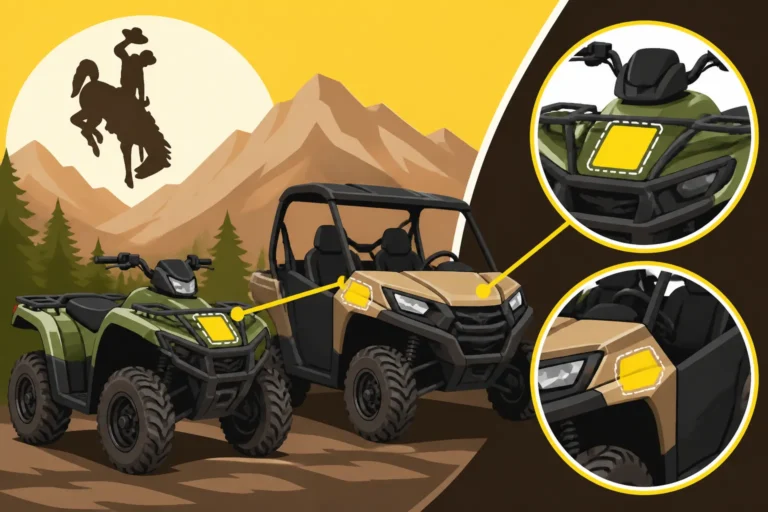
When you purchase a [Wyoming's Annual ORV Permit], you're not just getting a sticker for your machine; you're investing directly into the outdoor recreation infrastructure of the Cowboy State. Unlike many other states that might pool all their funds into a central state budget, Wyoming operates on a localized funding philosophy for its ORV program. This means that the money collected from permits is intended to be used in the very communities and areas where those permits were sold or where riders frequently recreate. It’s a system designed to create a direct link between the riders, their dollars, and the trails they enjoy.
The Purpose of the Annual ORV Permit
Every off-road vehicle that hits designated public trails in Wyoming—whether it's an ATV, UTV, or dirt bike—needs an annual permit. This isn't just about bureaucracy; it's about funding the network of trails, staging areas, and facilities that make riding here so spectacular. The permit helps cover the costs of maintenance, signage, mapping, and even enforcement to ensure everyone has a safe and enjoyable experience. Without these permits, many of the trails we take for granted simply wouldn't exist in their current, well-maintained state.
Consider the wear and tear that thousands of machines put on trails each year. From erosion control to clearing downed trees, the work is continuous and costly. The permit system ensures there's a dedicated funding source for these ongoing needs, rather than relying solely on general tax revenues that might be allocated elsewhere. It's a user-pays, user-benefits model, which many riders appreciate for its directness.
The permit also contributes to a sense of community responsibility. When you display that decal on your machine, you're not just showing compliance; you're demonstrating your contribution to the collective effort of maintaining Wyoming's incredible trail system. It’s a small fee that enables access to a vast and diverse landscape, from high mountain passes to sweeping desert plains.
The Flat Fee for Every Rider
Wyoming makes things pretty straightforward: there's one flat fee for everyone. Whether you're a resident who lives just down the road from your favorite riding area or a nonresident visiting from afar, the cost of the annual ORV permit is the same. This approach ensures fairness and simplifies the process for both riders and the agencies selling the permits. [Why Wyoming Charges Everyone the Same] means that visitors, who often generate significant economic activity in local towns, contribute equally to the trails they use.
This flat-fee structure avoids the complexities of tiered pricing based on residency, machine type, or duration of stay. It means that the money collected from a rider visiting from Colorado or Utah goes into the same local pot as the money from a local rancher's permit. This uniformity is a key part of the localized funding model, ensuring a consistent and predictable income stream for trail maintenance across the state.
The idea is that everyone who benefits from the trails contributes equally to their upkeep. It removes any potential argument that non-residents aren't paying their fair share, or that certain machine types are disproportionately burdened. This simplicity fosters a clear understanding that the fee is purely for the privilege and responsibility of trail access and maintenance.
The Philosophical Basis of Localized Funding
The underlying philosophy behind Wyoming's "money stays where it's collected" model is rooted in local control and direct accountability. It's about empowering local communities and land management agencies to see a direct return on the permits they sell. This system creates a tangible link between the funds generated and the projects they support, often within the same county or region. Instead of money disappearing into a statewide black hole, it’s earmarked for local improvements.
This approach acknowledges that the needs of trails in, say, the Bighorn Mountains might be very different from those in the Killpecker Sand Dunes. By keeping funds localized, the people closest to the ground, who understand the specific challenges and opportunities of their local riding areas, have more say in how that money is spent. It fosters a sense of ownership and responsibility at the local level.
It also means that when a small town benefits from ORV tourism, the fees collected there directly help enhance the very trails that draw those visitors. This creates a virtuous cycle: improved trails attract more riders, who buy more permits, which further funds trail improvements. It's a sustainable model that encourages local investment in recreation.
The Decentralized Approach to ORV Fee Collection
Wyoming has set up its permit sales system to be as accessible as possible, leveraging a network of local partners. This decentralized approach isn't just about convenience; it's fundamental to how the money is collected and, subsequently, how it stays local. When you purchase your permit, you're interacting with a system designed to channel those funds directly to the areas they'll serve. This is a critical piece of the "why fees stay where they were collected" puzzle.
Where You Can Purchase a Wyoming ORV Permit
You have several convenient options for purchasing a Wyoming ORV permit, all of which play into the localized funding model. You can buy them directly online through the Wyoming State Parks, Historic Sites and Trails website, or through a wide network of physical vendors. These vendors include some powersports dealerships, certain Forest Service and BLM offices, and even some county government offices. Each of these points of sale contributes to the local collection effort.
For instance, if you're traveling through Pinedale and pick up your permit at a local sporting goods store or a county counter, that specific transaction is tied to that location. This immediate connection between the point of sale and the local community is what helps ensure the funds remain within the region. [Where Wyoming Sells ORV Permits] provides a comprehensive list of these locations, emphasizing the state's commitment to widespread access.
Think of it like this: your permit purchase isn't just a statewide transaction; it's a micro-transaction with local impact. Whether you're getting your decal at a gas station near a popular trailhead or from the local county treasurer, that initial point of contact is crucial for the allocation process. This localized purchasing power directly funnels money back to the areas you ride.
The Role of Local Selling Agents
Many of the places where you can buy an ORV permit are local businesses or government entities acting as selling agents for the state. These agents, whether it’s a small-town dealership or a ranger station, are pivotal to the decentralized collection system. They are the frontline of the permit program, providing easy access for riders and ensuring that the funds are recorded as being collected from their specific region.
These agents often understand the local riding community best. They know which trails are popular, what conditions are like, and can even offer advice. Their participation makes the permit system more integrated into the fabric of local recreation. It’s a testament to Wyoming’s collaborative spirit in managing its natural resources.
The selling agent system isn't just about distribution; it's about embedding the permit process within the very communities that benefit most from ORV tourism. This direct link reinforces the idea that the money collected at these local points of sale will, in turn, be used to improve the local riding experience. It’s a practical way to keep the funding cycle tight and transparent.
A Small Cut for the Agent, The Rest Stays Local
One interesting aspect of this system is that the selling agents typically retain a very small portion of the permit fee—usually a dollar or so—as compensation for their service. This covers their administrative costs and incentivizes them to participate in the program. However, the vast majority of the permit fee, the remaining dollars, is then channeled into the local or regional system, rather than being immediately swept into a general state fund.
This small agent fee is a practical concession that ensures the wide availability of permits. Without it, many local businesses might not find it worthwhile to handle the sales process. It’s a minor investment that ensures maximum convenience for riders, allowing them to pick up a permit even as they're on their way to the trailhead. [Why a Selling Agent Keeps $1 of Every Permit] explains this mechanism in more detail.
The significant portion of the fee that remains after the agent's cut is then directed to the Wyoming Trails Program, which in turn distributes funds back to local projects. This immediate local retention of the bulk of the money is the core reason why fees stay where they were collected. It creates a powerful incentive for local entities to participate, knowing that the recreational funds they generate will directly benefit their area.
How Local Funds Support Local Trails
This is where the rubber meets the trail, literally. The money collected from your ORV permit isn't just sitting in an account somewhere; it's actively being put to work to enhance your riding experience. Because the fees stay where they were collected, local land managers and community groups can directly access and utilize these funds for projects that matter most to the riders in that specific area. This localized investment is the backbone of Wyoming's impressive trail network.
Direct Investment in Local Trail Maintenance
The most immediate and tangible benefit of localized funding is the direct investment in trail maintenance. This includes everything from clearing fallen trees after a windstorm to repairing washouts from heavy rains. It also covers more routine tasks like maintaining trail tread, brushing back overgrown vegetation, and improving drainage to prevent erosion. When you see a well-maintained trail or a recently cleared path, there's a good chance your permit fee helped pay for it.
Local crews, often working in partnership with the Forest Service, BLM, State Parks, or volunteer groups, are on the ground ensuring these trails remain open and safe. They use the permit funds to purchase necessary tools, equipment, and even to pay for labor. This hands-on approach, funded by local permit sales, ensures that the specific needs of each trail system are addressed promptly and effectively.
Think about the feeling of cruising down a perfectly graded trail, free of obstacles and deep ruts. That's a direct result of these localized maintenance efforts. Without the dedicated funds staying in the area, it would be much harder for these essential tasks to get done on such a regular and responsive basis. This direct feedback loop between paying and playing is what makes the system so effective.
Funding for New Trail Development and Signage
Beyond just maintaining existing routes, permit funds also contribute to the development of new trails and the installation of crucial signage. Creating a new trail involves significant planning, environmental assessments, and actual construction. Localized funds, bolstered by grants from the Wyoming Trails Program (more on that later), can kickstart these projects, opening up fresh riding opportunities for everyone.
Proper signage is also incredibly important for rider safety and navigation. Imagine getting lost on a vast network of trails without clear markers. Permit fees pay for installing and maintaining directional signs, hazard warnings, and maps at trailheads. These signs help prevent riders from straying onto private land, entering closed areas, or getting disoriented, ensuring a safer and more enjoyable outing. [Signs Paid for by Permit Money] highlights the importance of this work.
Whether it’s a brand-new loop that expands a riding area or simply clearer signs at a tricky intersection, these improvements are vital. They enhance the overall quality and safety of the riding experience. The ability for local groups to secure funds for [Grants That Cut New Trail] means that the trail network can continue to grow and evolve, offering new adventures year after year.
Supporting Local Law Enforcement and Education
While the primary focus is on trails, a portion of these localized funds can also indirectly support local law enforcement efforts related to ORV use and educational initiatives. This might include funding for wardens or rangers who patrol trails to ensure compliance with permit requirements and safe riding practices. Their presence helps deter illegal riding and ensures that everyone respects the rules designed to protect both riders and the environment.
Education is another key component. Funds can be used for informational campaigns about responsible riding, "Leave No Trace" principles, and specific regulations in certain areas. This helps new riders understand their responsibilities and reinforces good habits for seasoned veterans. After all, a well-informed riding community is a safer and more sustainable one.
When you see a ranger on the trail or pick up a helpful brochure at a trailhead, remember that your permit fee contributes to these efforts. It's about more than just dirt; it's about fostering a culture of responsible outdoor recreation. This community-focused approach helps maintain positive relationships between riders, landowners, and other trail users, ensuring that ORV access continues for generations to come.
The Wyoming Trails Program and Local Grants
While the fee collection is decentralized and localized, there is a crucial state-level entity that helps coordinate and amplify these efforts: the Wyoming Trails Program. This program acts as a central hub for supporting trail systems across the state, and it plays a vital role in ensuring that the locally collected ORV permit fees are effectively utilized. It's not about centralizing the money, but about providing a structured way for local projects to receive funding.
The State-Level Overview
The Wyoming Trails Program, administered by Wyoming State Parks, Historic Sites and Trails, is responsible for overseeing the entire ORV permit system and managing the funds generated. However, its role isn't to hold onto the money. Instead, it acts as a pass-through and grant-making entity. The permit fees are deposited into specific accounts dedicated to the Trails Program, but the intention is always for these funds to flow back out to local projects. [Wyoming Permits and the Trails Program] are intrinsically linked, with the program facilitating the very distribution we're discussing.
This program ensures consistency across the state's trail network while still respecting local control. It sets guidelines for how funds can be used, promotes best practices for trail management, and facilitates communication between different land management agencies. It's like a central nervous system for Wyoming's trails, connecting all the individual parts.
The program also champions the overall growth and sustainability of outdoor recreation in Wyoming. It advocates for rider access, works with various stakeholders, and ensures that the permit system remains effective and responsive to the needs of the riding community. It's a testament to Wyoming's commitment to its outdoor heritage.
Grant Applications for Local Projects
A significant way that locally collected permit fees are reinvested is through a robust grant program managed by the Wyoming Trails Program. Local entities—such as county governments, Forest Service districts, BLM field offices, and even non-profit trail organizations—can apply for grants to fund specific trail-related projects. These projects can range from major trail construction and bridge repairs to smaller initiatives like new signage or trailhead kiosks.
The beauty of this grant system is that it empowers local groups to identify their most pressing needs and propose solutions. They write grant applications detailing their projects, their budgets, and how the work will benefit ORV riders. These applications are then reviewed, and funds are allocated based on merit and alignment with the overall goals of the Trails Program. This ensures that [Where Wyoming ORV Permit Money Goes] is carefully considered and directed.
This competitive grant process ensures that projects are well-planned and impactful. It allows for flexibility, meaning that a sudden need for flood damage repair in one area can be addressed, while another area might focus on developing a new accessible staging area. This responsiveness is a direct benefit of the localized funding model, even with state-level oversight.
Community Input and Project Prioritization
The grant application process often encourages, and sometimes requires, local community input. This means that riders, local businesses, and other stakeholders have a voice in what projects get prioritized in their area. Public meetings, surveys, and informal discussions help identify key needs and ensure that the projects funded truly reflect the desires of the local riding community. This kind of grassroots involvement is vital to keeping the program relevant and effective.
For example, if riders in a particular county consistently complain about a specific muddy section of trail, that feedback can inform a grant application for trail resurfacing or drainage improvements. This direct connection between rider concerns and funded projects reinforces the idea that your permit fee isn't just a tax; it's an investment in your personal riding experience. [Trail Work Funded Where You Ride] isn't just a slogan; it's a reality.
This community-driven prioritization helps build a strong sense of local stewardship for the trails. When people feel that their input matters and see the direct results of their permit money, they are more likely to support the program and even volunteer their time to help with trail work. It's a collaborative effort that makes Wyoming's trail system truly special.
Transparency and Accountability in Fund Allocation
It’s completely fair to want to know how your money is being spent. When you buy an ORV permit, you’re making a financial contribution, and you have every right to expect transparency and accountability. Wyoming's system, by its very nature of keeping funds localized, fosters a degree of transparency that might be harder to achieve in a heavily centralized model. Riders can often see the direct impact of their fees in their local areas.
Public Records and Reporting
The Wyoming Trails Program maintains records of where permits are sold and where grant funds are allocated. While specific line-item budgets for every nail and board might not be publicly visible for every single project, reports on grant awards and project summaries are generally accessible. This allows interested riders and community members to track how funds are being distributed and what types of projects are being completed across the state.
These reports often detail the amount of money spent on different categories, such as trail maintenance, facility development, signage, and education. It provides a broad overview of how the collective permit fees are being utilized to enhance the ORV experience. For instance, you can often find information on how much was spent on [How Decal Money Pays for Trailhead Toilets] or new parking areas in specific regions.
While you might not get a receipt showing exactly which pothole your $15 filled, the aggregated data demonstrates a clear commitment to reinvesting those funds into the trail system. This level of reporting helps build trust and assures riders that their contributions are being managed responsibly and purposefully.
How Riders Can Advocate for Their Trails
Because the funding is localized and involves community input, riders have a powerful opportunity to advocate for their trails. If there's a specific issue in your favorite riding area—a deteriorating bridge, a confusing section of trail, or a need for better staging facilities—you can voice those concerns to your local land managers, county officials, or directly to the Wyoming Trails Program. Your input can directly influence which projects get prioritized for grant funding.
Joining a local ORV club or volunteer group is an excellent way to get involved. These organizations often work closely with land management agencies and the Trails Program, acting as a collective voice for riders. They can help articulate needs, organize volunteer workdays, and even assist with grant applications. Your passion for riding can translate into real-world improvements for the trails you love.
Remember, the system is designed to be responsive to local needs. Don't assume that someone else will speak up for the trails you care about. Your voice, whether through an organized group or a direct communication, holds weight when it comes to prioritizing where the localized permit funds will be spent. This active participation strengthens the entire ORV community.
The Importance of [Wyoming Trails Program Contact]
If you have questions about specific projects, funding allocations, or how to get involved, reaching out to the Wyoming Trails Program directly is a great first step. They are the central point of contact for the entire ORV permit system and can provide detailed information or direct you to the right local agencies. Understanding who to talk to is crucial for transparency and advocacy.
The staff at the Trails Program are dedicated to supporting Wyoming's outdoor recreation. They can explain the grant process, provide links to public reports, and connect you with local land managers or volunteer groups in your area. They serve as a bridge between the state-level administration and the grassroots efforts on the ground.
Don't hesitate to use this resource. Whether you're a long-time resident or a [Wyoming ORV Permit for Nonresidents] just passing through, clear communication channels ensure that everyone has access to the information they need. It’s a vital part of ensuring the system remains accountable and responsive to the needs of the riding community.
The Impact of Localized Funding on Wyoming's Riding Experience
The decision to keep ORV permit fees where they were collected isn't just an administrative detail; it has a profound and positive impact on the overall riding experience in Wyoming. This localized approach fosters a stronger connection between riders, communities, and the trails themselves, contributing to a more sustainable and enjoyable environment for everyone. It truly embodies the spirit of local control and direct benefit.
A Tangible Connection Between Fees and Trails
Perhaps the most significant impact is the tangible connection it creates between your permit fee and the trails you ride. When you purchase your [Wyoming ORV Permit Cost] in, say, Cody, and then ride the trails in the Shoshone National Forest nearby, you know that a portion of that fee is directly contributing to the maintenance and improvement of those very trails. This isn't theoretical; it's a direct investment you can see and feel.
This direct link enhances the value proposition of the permit. It moves beyond simply complying with a regulation to actively participating in the upkeep of a cherished recreational resource. You're not just buying a sticker; you're contributing to the sustainability of the activity you love. This creates a powerful sense of ownership and pride among riders.
This tangible connection helps foster a sense of responsibility. When you know your money is directly improving a trail, you're more likely to ride responsibly, pack out your trash, and even volunteer for trail work. It cultivates a virtuous cycle of contribution and care, ensuring the trails remain pristine for years to come.
Encouraging Local Stewardship
The localized funding model inherently encourages local stewardship. When communities see a direct benefit from ORV tourism and permit sales, they have a vested interest in maintaining their trails and promoting responsible riding. This often translates into more local volunteers, greater community support for trail projects, and a stronger voice for ORV recreation at the local political level.
Local land managers, who are often part of these communities, are more invested in the success of their local trail systems. They see the economic and recreational benefits firsthand. This localized commitment ensures that the trails are not just maintained, but truly cared for by the people who live and work around them. It's [Why the Money Does Not Leave the Area] – because the people who know and love the area best are the ones using it for good.
This sense of stewardship extends to riders as well. Knowing that your neighbors and local businesses are invested in the trails encourages you to be a good ambassador for the sport. It's about preserving a way of life and an incredible resource for future generations, all powered by a system that keeps funds close to home.
Benefits for Residents and Visitors Alike
The localized funding system benefits both Wyoming residents and the many visitors who come to experience its world-class ORV opportunities. Residents get to enjoy well-maintained trails in their backyard, knowing their contributions directly support these local amenities. Visitors, on the other hand, can explore diverse landscapes with the assurance that the trails are managed and cared for, providing a high-quality riding experience.
For non-residents, the flat fee and localized funding mean that their permit dollars directly improve the specific trails they choose to ride during their visit. This avoids any feeling that their money is disappearing into a general state fund they won't benefit from. It's an equitable system that recognizes everyone's contribution to the shared resource. [Wyoming ORV Permit for Nonresidents] ensures that everyone plays by the same rules and contributes to the same local benefits.
Ultimately, the localized funding model is a cornerstone of Wyoming's successful ORV program. It's a system built on transparency, accountability, and a direct connection between rider contributions and tangible trail improvements. So, the next time you affix that decal to your machine, you can ride with confidence, knowing that your dollars are hard at work, right where you want them to be.
Disclaimer
This article is for general informational purposes only and does not constitute professional advice. Laws, prices and regulations vary by location and change over time. Consult a qualified professional for guidance on your specific situation.