Wyoming MPV Weight Limits
So, you're dreaming of hitting those Wyoming roads, not just the trails, with your ATV or UTV? It's a fantastic thought, especially with all the stunning scenery our state offers. But before you envision yourself cruising down a county road, a big question often pops up: "Can my machine even be street legal here?" The answer often boils down to how your vehicle classifies as a Multipurpose Vehicle (MPV), and a huge part of that classification revolves around its weight. It's a hurdle many riders face, wondering if their beloved machine makes the cut, and it can feel like navigating a maze of technicalities. This guide is here to clear up that confusion, specifically focusing on the crucial weight limits your off-road machine needs to meet to become a Wyoming MPV.
Understanding Wyoming's Multipurpose Vehicle (MPV) Designation
Wyoming offers a unique pathway for certain off-road machines to become "street legal" – or, more accurately, road-legal on designated routes. This isn't about slapping a license plate on just any ATV; it's about a specific vehicle class known as a Multipurpose Vehicle, or MPV. Unlike a regular Off-Road Vehicle (ORV) that's strictly for dirt, mud, and trails, an MPV is designed to bridge the gap, allowing you to ride both off-highway and on certain public roads.
The whole point of the MPV designation, which has been around since [The MPV Rule That Started in 2008], is to provide a practical solution for riders who want to connect trails, access remote areas, or simply use their UTVs and ATVs for more than just tearing up the backcountry. Think of it as giving your machine a dual identity – capable on the rough stuff, but also equipped and recognized for navigating paved or gravel roads where allowed. It's a game-changer for many, but it comes with a stringent set of requirements. Without meeting these, your machine remains an ORV, confined to its off-highway domain. You can learn more about the basic definition in [Wyoming's MPV Definition in W.S. 31-1-101].
The Crucial Role of Weight in MPV Classification
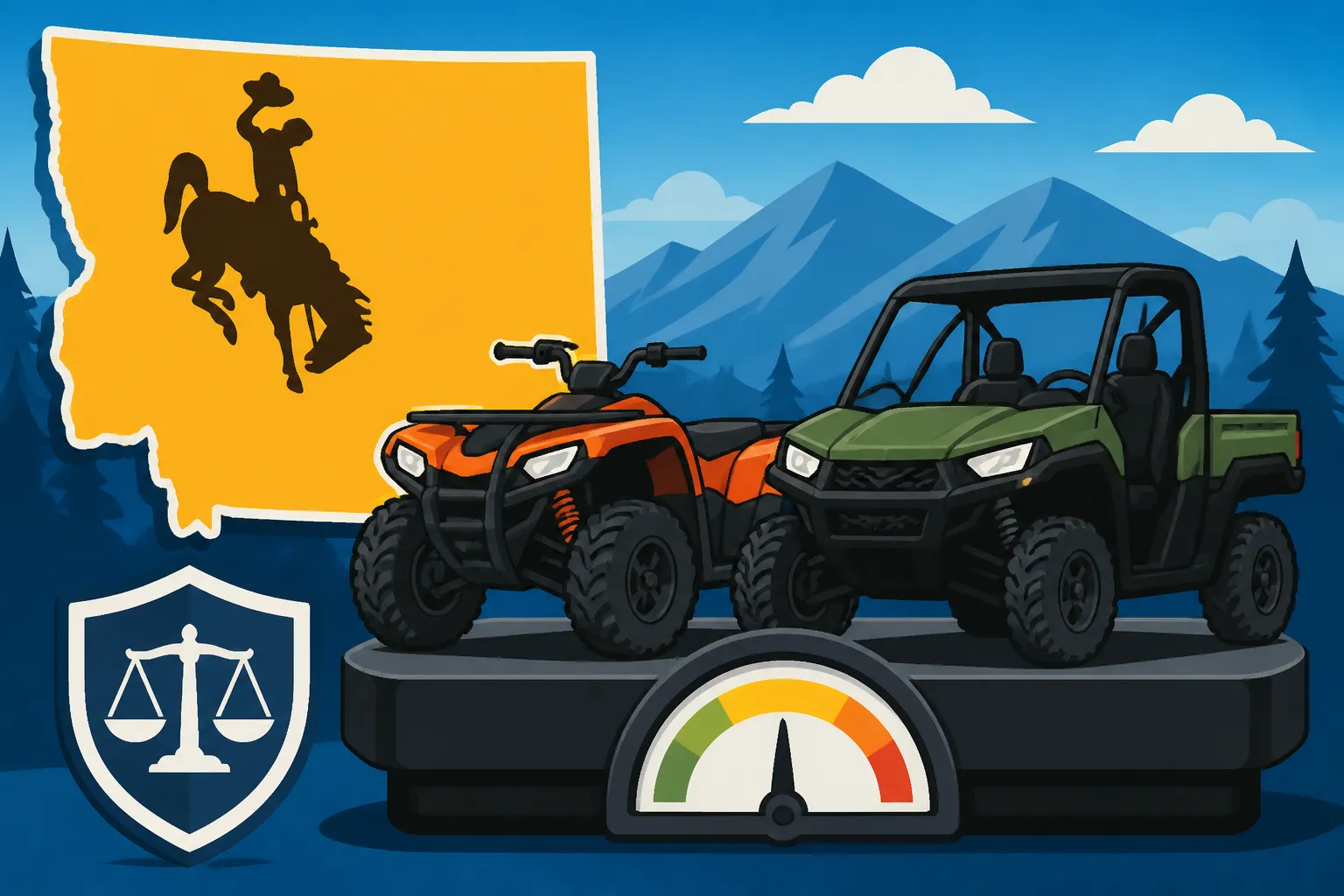
When it comes to transforming your off-road machine into a road-worthy Multipurpose Vehicle in Wyoming, weight isn't just a suggestion; it's a non-negotiable requirement. This is often where riders hit their first major roadblock, as many machines simply don't fit into the specified range. Wyoming law sets clear boundaries, stipulating that an MPV must have an unladen (empty) weight of at least 300 pounds but not more than 3,000 pounds. This seemingly arbitrary range is actually quite intentional, designed to differentiate MPVs from smaller ORVs and larger, heavier traditional vehicles.
The Lower Limit: At Least 300 Pounds
Let's break down the lower end of that spectrum first: your machine needs to weigh at least 300 pounds empty. Why this specific number? Well, very lightweight machines, often those designed for youth riders or highly specialized sport quads, are typically built with lighter frames and components that aren't intended for the stresses of road use. They might be too nimble, lack the stability, or simply not have the robust construction deemed necessary for safely sharing the road with other vehicles. If your machine falls under this 300-pound threshold, it simply won't qualify as an MPV, no matter how many other modifications you make. This means that many youth ATVs, while perfectly fun and safe for the trails, are automatically excluded from the MPV category. It’s a protection measure, ensuring that only machines with a certain level of structural integrity and presence can be considered for road enrollment.
The Upper Limit: Not More Than 3,000 Pounds
On the flip side, your machine also can't exceed 3,000 pounds when empty. This limit is just as critical. Many modern side-by-sides, especially the larger, more luxurious utility or recreational models, can easily push past this weight. The reasoning here is similar but also considers factors like road wear and tear, braking capability, and general maneuverability at road speeds. A machine that is too heavy might behave more like a small car or truck, but without the full safety features, crash ratings, or regulatory oversight of those vehicles.
Imagine a large, fully accessorized UTV, maybe with a cab enclosure, winches, extra tires, and cargo, trying to navigate busy county roads. The state wants to ensure that these vehicles fit into a specific niche – capable, but not so heavy they become a hazard or disproportionately impact infrastructure designed for lighter traffic. For example, while a standard utility side-by-side might comfortably fit, a heavily customized or oversized model could easily tip the scales past 3,000 pounds, preventing it from being registered as an MPV. This means you have to be mindful of your machine's exact specifications. You can see more details in [Weight Between 300 and 3,000 Pounds].
Why This Range Matters for Your Machine
This 300 to 3,000-pound window effectively carves out a specific segment of the off-road vehicle market that qualifies for MPV status. It generally includes most adult-sized ATVs and a significant portion of side-by-sides (UTVs), particularly the more common two-to-four-seater recreational and light utility models. However, it explicitly excludes very small, light machines and very large, heavy ones.
When you're considering buying a machine with the intent of making it road-legal, or if you already own one and are wondering about its eligibility, checking the unladen weight should be one of your very first steps. This information is typically found in the owner's manual or on the manufacturer's specification sheet. If you're buying a used machine and these documents aren't available, you might need to take it to a certified scale, like those found at truck stops or landfills, to get an accurate reading of its empty weight. Remember, the weight limit is one of several critical points on the [What the MPV and ORV-MC Checklist Form Asks] that you'll need to satisfy.
The Practical Impact of MPV Weight Limits
These weight restrictions aren't just bureaucratic hurdles; they have real-world implications for riders across Wyoming. From the moment you consider purchasing a machine to the ongoing process of keeping it compliant, the weight limit influences your choices and responsibilities.
Choosing the Right Machine
If your goal is to have a street-legal ATV or UTV, the weight limits need to be front and center in your decision-making process. For many, this means a careful review of manufacturer specifications before making a purchase. You might fall in love with a powerful new side-by-side, only to find it's just over the 3,000-pound mark, immediately disqualifying it from MPV status. This can be incredibly frustrating, especially if you had visions of connecting trail systems by road.
Conversely, someone looking for a smaller, lighter recreational ATV for their teenager might not realize that if it falls under 300 pounds, it won't ever be an MPV. This isn't to say those machines aren't great for the trails, but it does mean setting realistic expectations for their road-use potential. It really emphasizes the importance of understanding the Wyoming MPV Weight Limits before you commit to a specific model.
Registering and Titling Your MPV
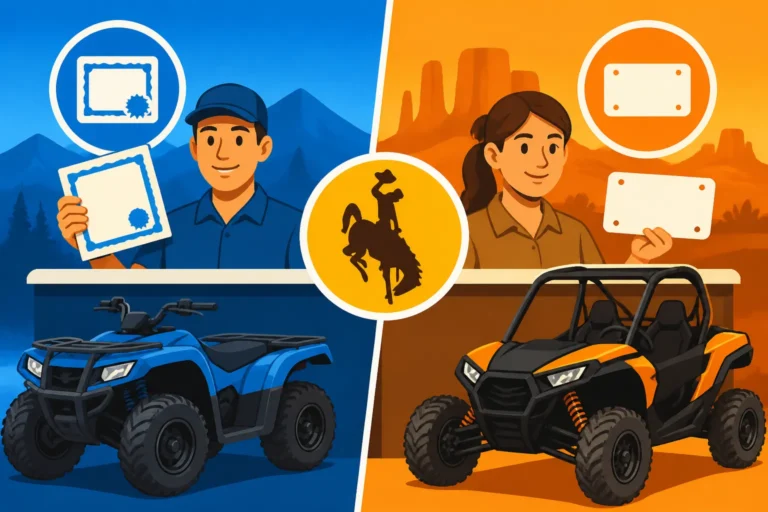
Once you've confirmed your machine meets the weight criteria (along with other requirements like [A Seat at Least 24 Inches Up] and the necessary road-specific equipment), you'll move on to the registration and titling process. This involves a trip to your local County Clerk for the title and then the County Treasurer for the plate. You can read more about [Titling a Multipurpose Vehicle in Wyoming] in depth.
When you're filling out the necessary paperwork, the state needs to know that your machine complies with all MPV specifications, including its weight. They aren't just taking your word for it. They'll likely ask for documentation from the manufacturer or proof of weight if it's not readily apparent. Having all your paperwork in order is crucial. Services like LawDepot can be incredibly helpful for ensuring you have any needed bills of sale or transfer documents properly drafted, minimizing potential snags at the county office. You might even consider using a customizable template from LawDepot for a formal declaration of your vehicle's specifications if you're dealing with a unique situation or a used machine without perfect records.
Safety and Road Use Considerations
The weight limits also tie into broader safety concerns. An MPV, by its nature, is expected to operate safely on public roads alongside other traffic. The state aims to ensure that these vehicles possess a certain level of stability and braking capability suitable for those environments. A machine that is too light might be easily buffeted by winds or the wake of larger vehicles, while one that is too heavy might have longer braking distances or be less agile in emergency maneuvers.
These regulations aren't arbitrary; they're designed to protect you and other motorists. When you're riding an MPV on an enrolled road, you're expected to adhere to traffic laws, and your machine needs to be up to the task. This includes everything from proper lighting and mirrors to the expectation that your vehicle handles predictably at road speeds. Understanding [Wyoming MPV Street Legal Requirements] is paramount for any rider.
Potential for Enforcement and Fines
Riding a machine on an enrolled road that doesn't meet the MPV requirements, including the weight limits, could lead to citations and fines. Law enforcement officers are trained to identify compliant vehicles. If your machine is clearly too small or too large to fall within the MPV definition, you risk being pulled over. It's not just about having a plate; it's about meeting the underlying vehicle classifications that allow for that plate. Ensuring your machine is correctly classified and registered is your responsibility as a rider.
Verifying Your Machine's Weight and Next Steps
So, you're convinced your machine might be an MPV, or you're in the market for one. How do you actually confirm its weight and move forward with registration? It's a critical step that you absolutely shouldn't skip.
How to Ascertain Your Machine's Unladen Weight
The most straightforward way to find your machine's unladen weight is to check the manufacturer's specifications. This can usually be found in:
- Your owner's manual: This is often the most reliable source for the exact model you own.
- Manufacturer's website: A quick search for your make and model year will usually bring up a spec sheet.
- Dealer brochure or sales documentation: If you bought new, this might have been included.
If you have a used machine and can't find these documents, or if your machine has been heavily modified (which might alter its weight), you'll need to weigh it yourself. This isn't as simple as using a bathroom scale! You'll need access to a certified scale.
- Public weigh stations: Many truck stops, material yards (like gravel pits or recycling centers), or even some agricultural co-ops have certified scales open to the public, often for a small fee. Call ahead to confirm their hours and pricing.
- Dealer service centers: Some powersports dealerships might have scales or be able to provide an accurate estimate based on their experience with similar models.
Remember, the state is looking for the unladen weight – meaning the machine empty, without fuel, fluids (though some states allow for full fluids), accessories, or riders. Be prepared to provide proof of this weight when you register. You'll want to review [Weighing a Machine Before You Register It] for more tips.
The MPV Checklist and What Comes After
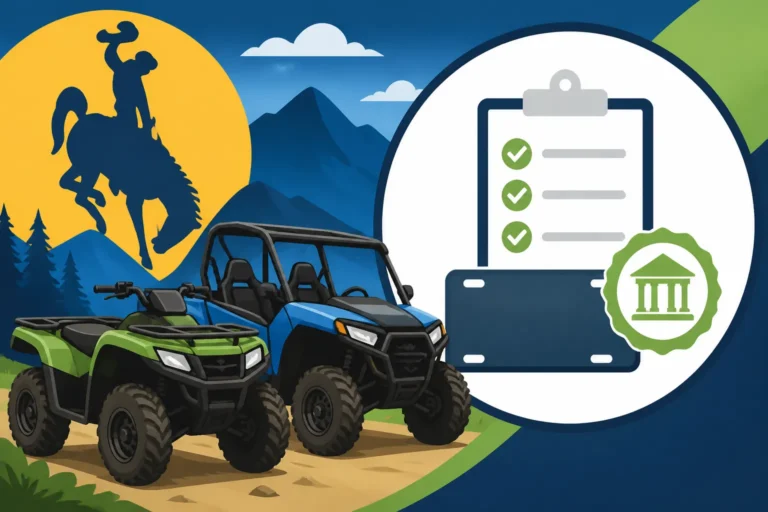
Once you're confident your machine meets the weight criteria, and other key MPV requirements like the seat height are met, the next step involves completing the official Multipurpose Vehicle (MPV) and Off-Road Vehicle (ORV-MC) Checklist. This form is your declaration that your vehicle fits the specific legal definition of an MPV. You'll also need other supporting documents, especially if you're titling a machine for the first time or transferring ownership. This is another area where having well-organized paperwork is essential. Utilizing templates from a service like LawDepot for things like a bill of sale, if you've recently purchased the machine, can make the process smoother and ensure all legal bases are covered. You want to make sure every box is checked, literally, before you head to the County Clerk.
After you have your completed checklist and all your supporting documents, you'll first visit your County Clerk's office to apply for an MPV title. Once the title is secured, you'll then proceed to the County Treasurer's office to get your actual MPV license plate. It sounds like a lot, but taking it one step at a time makes it manageable. You can read more on [Wyoming Paperwork for an MPV Title].
Table of Common Machine Types and MPV Weight Eligibility
To help illustrate the impact of these weight limits, here's a general overview of how different types of machines typically fare:
| Machine Type | Typical Unladen Weight Range (Approximate) | MPV Weight Eligibility (Wyoming) | Common Considerations |
|---|---|---|---|
| Youth ATV (e.g., 90-125cc) | 150 – 250 lbs | Not Eligible | Usually too light (<300 lbs). |
| Sport ATV (e.g., 400-700cc) | 350 – 550 lbs | Eligible | Generally within the 300-3,000 lb range. |
| Utility ATV (e.g., 450-1000cc) | 600 – 900 lbs | Eligible | Most models fit comfortably. |
| Recreational Side-by-Side (2-seat) | 1,200 – 1,800 lbs | Eligible | Most models fit, even with some accessories. |
| Recreational Side-by-Side (4-seat) | 1,500 – 2,500 lbs | Eligible | Most models fit, but heavily accessorized ones might get close to the upper limit. |
| Utility Side-by-Side (Heavy Duty) | 1,800 – 3,500+ lbs | Potentially Eligible | Many are eligible, but larger, heavier, or heavily accessorized models can exceed 3,000 lbs. |
Note: These are general ranges. Always check the specific manufacturer's specifications for your exact make and model.
Navigating Wyoming's MPV rules can feel complex, but by focusing on key requirements like the weight limits, you can determine if your machine is truly ready for both the trail and the open road. Be diligent, do your research, and enjoy the incredible opportunities Wyoming offers for responsible off-road and road-legal riding!
Disclaimer
This article is for general informational purposes only and does not constitute professional advice. Laws, prices and regulations vary by location and change over time. Consult a qualified professional for guidance on your specific situation.