Two Counters for One Machine
Navigating the ins and outs of getting your ATV or side-by-side ready for Wyoming’s vast landscapes can feel like a bureaucratic maze, especially when you’re not sure which government office handles what. Many riders get frustrated trying to figure out if they need a title, a registration, or just a permit, and then where exactly they're supposed to go for each piece of paperwork. This guide is here to untangle that confusion, walking you through the distinct processes for Wyoming’s off-road vehicles (ORVs) and multipurpose vehicles (MPVs), and clarifying which "counter" you'll need to visit for each.
Understanding Wyoming's Machine Classifications for Paperwork
Before you even think about heading to a government office, it's crucial to understand how Wyoming categorizes off-highway vehicles. This distinction dictates whether your machine needs a simple annual permit or a full-blown title and license plate, which, in turn, decides which county office you'll be visiting. It's not a one-size-fits-all situation, and getting this wrong can lead to wasted trips and mounting frustration.
What's an ORV Off-Road Vehicle?
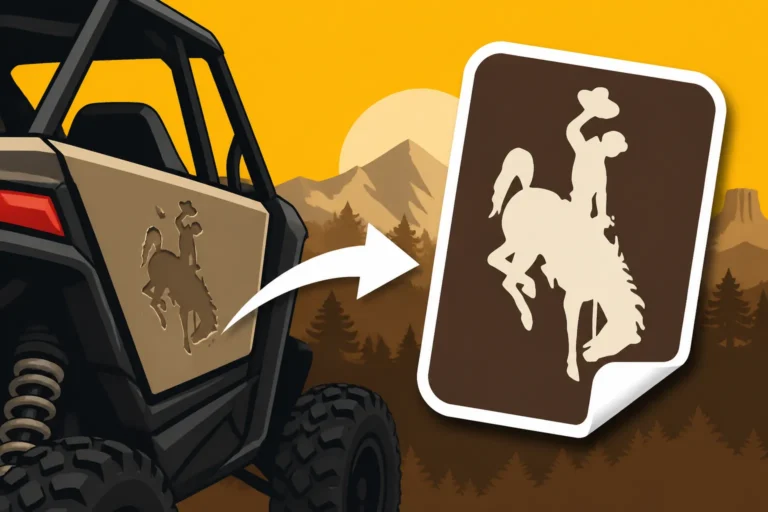
In Wyoming, an Off-Road Vehicle (ORV) is the most common classification for machines like your typical ATV, dirt bike, or side-by-side that primarily operates off paved roads. Think about the quad you take out to the dunes or the dirt bike you ride on forest trails. These machines are designed for recreational use on designated trails and unpaved routes. The key characteristic here, from a paperwork perspective, is that most ORVs in Wyoming do not receive a traditional vehicle title. This often surprises riders coming from other states where titles are standard for all motorized vehicles. Instead, they get an annual permit decal. This permit is what grants you legal access to Wyoming's extensive network of public ORV trails and designated areas. [Registering an ORV in Wyoming] covers this process in more detail.
This classification simplifies things in one sense: you don't have to deal with the intricacies of titling a vehicle. However, it also means your ORV isn't legally allowed on public roads, highways, or interstates unless specifically designated or for certain crossings. It's a system built for trail access, pure and simple. If you're buying or selling one of these machines, you'll rely heavily on a proper bill of sale rather than a title to transfer ownership, which platforms like LawDepot can help you generate. [Why Most Wyoming Off-Road Machines Have No Title] further explains this unique aspect of Wyoming law.
What's an MPV Multipurpose Vehicle?
Now, here's where the "two counters" concept really comes into play. A Multipurpose Vehicle (MPV) is a special classification in Wyoming that allows certain off-road machines to be legally driven on public roads and highways, much like a car or truck. This isn't just any side-by-side; it has to meet very specific criteria set by state law. Generally, an MPV must weigh between 300 and 3,000 pounds, have four wheels, and have a seat at least 24 inches high. Think of it as Wyoming's way of defining a "street-legal" side-by-side or utility vehicle that can bridge the gap between trail riding and town errands.
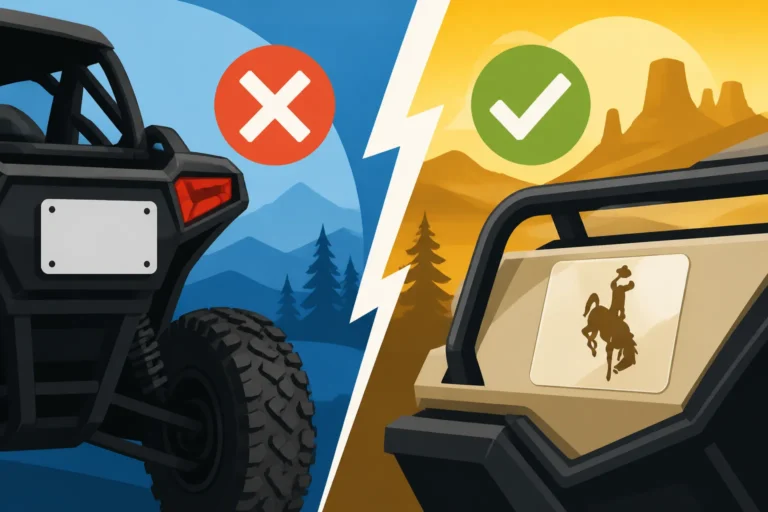
Because an MPV is intended for road use, it needs to be treated more like a conventional vehicle in terms of paperwork. This means it requires both a certificate of title and a license plate. This distinction is absolutely critical because it means you'll be dealing with two separate county offices to get your machine fully compliant for road use. Without both the title and the plate, your MPV isn't street-legal. [Wyoming's Multipurpose Vehicle Class] delves deeper into these specific requirements and helps clarify if your machine fits the bill. The process involves more steps and more stops, but it opens up a whole new world of riding possibilities on Wyoming's vast road network.
The Path to an ORV Permit County Treasurer
For the vast majority of off-road enthusiasts in Wyoming, the journey to legal trail riding starts and often ends with obtaining an ORV permit. This is a much more straightforward process than titling an MPV, involving just one primary county office. However, understanding who needs one and what to expect can still save you a headache.
Who Needs an ORV Permit?
If you plan on riding an ATV, dirt bike, or side-by-side on any designated public lands in Wyoming – whether it’s a national forest, BLM land, or state park trails – you absolutely need an ORV permit decal displayed on your machine. This applies to everyone, whether you're a Wyoming resident or just visiting from out of state. Wyoming doesn't have reciprocity agreements with other states, so that permit from Colorado or Montana won't cut it here. Every off-road machine on Wyoming's trails needs a Wyoming decal. This is a common point of confusion for riders, especially those from neighboring states with different rules.
Even if you primarily ride on private land, if you ever venture onto a designated public trail, even briefly, that decal is mandatory. Think of it as your passport to Wyoming's incredible trail system. Without it, you risk a fine from a game warden or forest ranger. The money collected from these permits directly supports the state's ORV program, funding trail maintenance, signage, and enforcement, so it's an investment in the trails you love to ride. [Wyoming's Annual ORV Permit] provides more context on this essential requirement.
The Simple Process at the Treasurer's Office
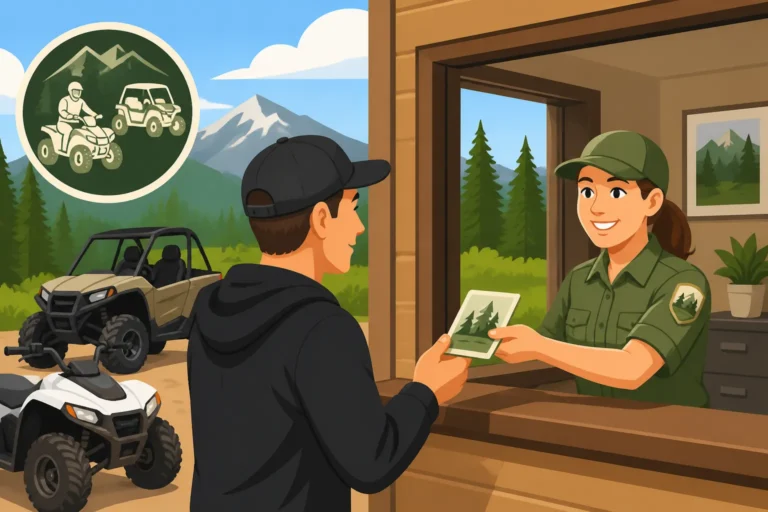
Getting your annual ORV permit is relatively simple. Your local County Treasurer's Office is the primary hub for this. You can walk in, provide some basic information about your machine (like the make, model, and VIN), pay the fee, and walk out with your decal. It's typically a quick counter transaction. Many people find it easiest to do this in person, especially if they have questions or need to make sure they're getting the right decal.
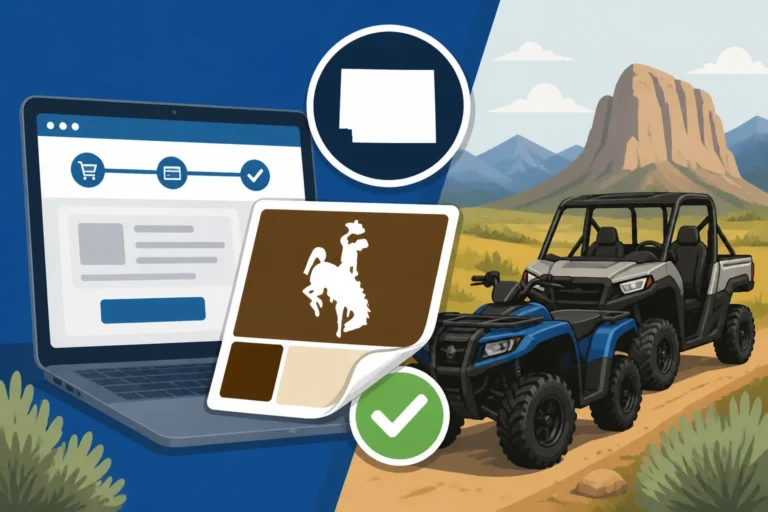
Alternatively, you can often purchase these permits through authorized selling agents, which might include powersports dealerships, some forest service offices, or even online through the state's parks and trails website. These agents are essentially extensions of the Treasurer's Office, making it more convenient for riders who might not live near the county seat or prefer to pick one up on their way to the trailhead. Regardless of where you purchase it, the permit is a decal that needs to be affixed to your machine in a visible location. It's good for the calendar year, expiring on December 31st, no matter when you buy it. So, if you buy it in October, it still expires at the end of December. [Where Wyoming Sells ORV Permits] lists common places you can obtain one.
| Permit Type | Office/Agent | Output | Primary Function | Road Legal Status |
|---|---|---|---|---|
| ORV Permit (Decal) | County Treasurer (or agent) | Annual Decal (sticker) | Access to public ORV trails | Not road legal |
The MPV Titling and Plating Journey County Clerk & Treasurer
If your aim is to ride your side-by-side on Wyoming's public roads, then you're venturing into the world of Multipurpose Vehicles, and this is where the "two counters for one machine" scenario truly unfolds. It’s a two-step process that requires visits to two different county offices. This is often the source of most confusion for new MPV owners or those moving to Wyoming.
Why an MPV Needs Two Stops
Unlike a standard ORV that only needs a permit for trail use, an MPV, because it’s capable of legal road use, requires both proof of ownership (a title) and proof of registration for road travel (a license plate). These two functions are handled by different departments within your county government. The County Clerk's Office is responsible for vehicle titles – they record ownership. Think of them as the official keeper of who legally owns what vehicle. The County Treasurer's Office, on the other hand, handles vehicle registrations and license plates, which grant you permission to operate that titled vehicle on public roads. [County Clerk or County Treasurer in Wyoming] explains this distinction in governmental roles.
This separation of duties means you cannot get a plate without a title, and you cannot get a title and a plate at the same counter. You’ll first need to establish legal ownership and receive your title, and only then can you proceed to register it for road use and get your plate. It's a system designed to ensure all vehicles on public roads meet both ownership and operational legal requirements. Trying to skip a step or go to the wrong office first will inevitably lead to being sent to the other, delaying your ability to hit the road.
Getting Your MPV Titled at the County Clerk
Your first stop for an MPV is the County Clerk's Office. This is where you will establish legal ownership of your multipurpose vehicle and receive its certificate of title. This process is similar to titling a car or truck. You’ll need to bring several key documents with you. If the MPV is new, you'll need the Manufacturer's Statement of Origin (MSO) or Manufacturer's Certificate of Origin (MCO). If it's a used machine, you'll need the previous owner's properly assigned title. In addition, a bill of sale is crucial, especially for used machines, as it documents the transaction details and purchase price. You can find reliable templates for a bill of sale through services like LawDepot, ensuring all necessary information is included.
The Clerk's office will review your paperwork, verify the vehicle identification number (VIN), and process the title transfer. There will be a fee associated with this, typically based on the sale price of the machine. Once complete, you’ll receive your Wyoming certificate of title, which is a permanent document proving your ownership. This title is absolutely essential – without it, you cannot get a license plate for your MPV. [Wyoming MPV Title Requirements] outlines all the necessary documents and steps you'll need to follow at this stage.
Heading to the County Treasurer for Your MPV Plate
Once you have your shiny new Wyoming title in hand from the County Clerk, your next stop is the County Treasurer's Office. This is the second counter, and it's where you'll register your MPV for road use and receive your license plate. When you visit the Treasurer, you'll need to present your newly acquired title, proof of insurance (which is mandatory for road-legal vehicles), and potentially proof of a VIN inspection, if it wasn't done at the Clerk's office or if required for certain situations.
The Treasurer’s office will collect the registration fees, which are typically an annual charge, and then issue your license plate and registration sticker. This plate must be displayed on your MPV, just like on any other road vehicle. Remember, an MPV used on public roads also requires specific safety equipment, such as headlights, taillights, brake lights, mirrors, and a horn, to be considered road-legal. While the Treasurer's office isn't checking your equipment, it's your responsibility to ensure your machine complies before hitting the pavement. This annual registration at the Treasurer's office keeps your MPV street-legal, allowing you to commute, run errands, or connect trail segments via public roads. [Plates From a Wyoming County Treasurer] details what you'll need for this final step.
| Process | Office/Agent | Required Documents | Output | Frequency |
|---|---|---|---|---|
| MPV Titling | County Clerk | MSO/MCO or Previous Title, Bill of Sale, VIN | Certificate of Title (Ownership Proof) | Once (or upon transfer) |
| MPV Registration | County Treasurer | Title, Proof of Insurance, VIN | License Plate & Registration Sticker | Annually |
Navigating the Nuances and Avoiding Pitfalls
The distinction between an ORV and an MPV, and the separate processes for each, is where many riders get tripped up. Understanding the specifics, what documents you'll need, and the associated costs can save you a lot of time and frustration. It’s about being prepared before you head to any government office.
When Does a Machine Cross from ORV to MPV?
The magic happens when an off-road vehicle meets Wyoming’s specific definition of an MPV. This isn't a subjective decision; it's based on measurable criteria. As mentioned, the core requirements include having four wheels, weighing between 300 and 3,000 pounds, and having a seat at least 24 inches from the ground. Many modern side-by-sides fit these criteria, making them eligible for MPV status. However, a typical ATV, with its straddle-style seating, generally doesn't qualify as an MPV, even if it has four wheels. This is a critical distinction because if your machine doesn't meet the MPV definition, it cannot be titled and plated for road use.
If you’ve modified your machine or bought a side-by-side that you intend to ride on the road, you'll want to carefully check these specifications. You might need to fill out a special checklist form, often available from the state parks and trails department or the county clerk, to certify that your machine meets the MPV criteria. This step is essential for confirming eligibility before you even start the titling process. [Crossing From ORV to MPV] offers more details on how this transition works and what it means for your machine. It’s not just about adding blinkers; it’s about the fundamental characteristics of the vehicle.
Essential Documents for Both Processes
Regardless of whether you're getting an ORV permit or titling and plating an MPV, having the correct documentation ready is paramount. For an ORV permit, you’ll typically just need your vehicle’s VIN and some basic personal identification. However, for MPV titling and registration, the list grows significantly.
You'll need:
- Manufacturer's Statement of Origin (MSO) or Manufacturer's Certificate of Origin (MCO): For new MPVs. This is the original document of ownership from the manufacturer.
- Previous Title: For used MPVs, ensure it's properly signed off by the seller.
- Bill of Sale: Absolutely crucial for used machines, even if you have a title. It provides proof of purchase price, which impacts sales tax and fees. Platforms like LawDepot can help you generate a professional and legally sound bill of sale. [Wyoming ATV Bill of Sale Requirements] outlines what information this document should contain.
- Proof of Identity: Your driver's license or state ID.
- Proof of Wyoming Residency: If applicable, though non-residents can also obtain ORV permits.
- Proof of Insurance: Required for MPVs to get a license plate.
- VIN Inspection: Sometimes required, especially if coming from out of state or for older machines without clear paperwork.
- MPV/ORV-MC Checklist Form: If you're establishing your machine as an MPV, this form verifies it meets the criteria. [What the MPV and ORV-MC Checklist Form Asks] provides insight into this document.
Always call ahead to your specific County Clerk or Treasurer's office to confirm their exact requirements, as there can sometimes be slight variations or additional forms depending on your county or the circumstances of your purchase.
Understanding the Costs Involved
The cost structure for getting your machine ready in Wyoming varies based on its classification. For an ORV permit, the fee is a flat rate, regardless of your residency status. It's an annual fee that contributes directly to the state's trails program. This means everyone, from a local rancher to a tourist from out of state, pays the same amount for the permit. [Wyoming ORV Permit Cost] gives you the general idea of what to expect, though you should always check the official state parks and trails website or with a permit vendor for the current figure.
For an MPV, the costs are more layered:
- Title Fee: This is paid to the County Clerk and is typically a one-time fee upon transfer of ownership.
- Sales Tax: Wyoming charges sales tax on the purchase of all vehicles, including MPVs. This is usually collected by the County Clerk at the time of titling, based on the purchase price listed on your bill of sale.
- Registration Fees: Paid annually to the County Treasurer for your license plate. These fees can vary, often based on the weight or age of the vehicle.
- License Plate Fee: A smaller, often one-time fee for the physical plate itself.
It's important to budget for all these potential costs, especially for MPVs, to avoid any surprises. Remember, specific amounts can change, so always verify the current fees with the respective county offices. Being prepared with the right documents and understanding the fees will make your visit to the two counters, or just one, much smoother and get you out riding faster.
Disclaimer
This article is for general informational purposes only and does not constitute professional advice. Laws, prices and regulations vary by location and change over time. Consult a qualified professional for guidance on your specific situation.