Plates That Come After the Title
It can be incredibly confusing trying to figure out the ins and outs of getting your off-road machine ready for the trails and roads in Wyoming. Many folks assume a single permit covers everything, or they get tangled in the details of titles and registrations, especially when they hear about "plates." This guide is here to untangle that knot, specifically focusing on why and how some machines in Wyoming end up with a title first, and then plates, allowing you to ride legally where it matters.
Understanding the Two Paths: ORVs Versus MPVs in Wyoming
Wyoming really has two distinct categories for what many of us just call "ATVs" or "side-by-sides," and understanding which category your machine falls into is the absolute first step. It dictates whether you're heading for a simple permit or embarking on a two-part journey involving a title and then plates. It's not always intuitive, and many riders find themselves scratching their heads when they learn the difference.
The Basic ORV Permit: No Title, No Plate
For the vast majority of off-road machines in Wyoming – your typical ATV, dirt bike, or even many side-by-sides that are strictly used off-pavement – you're looking at a standard Off-Road Vehicle (ORV) permit. This is a straightforward process. You purchase an annual decal, which is essentially your permission slip to ride on designated trails and enrolled roads across the state. This decal needs to be displayed prominently on your machine. [Wyoming's Annual ORV Permit] is a calendar-year permit, meaning it expires on December 31st, regardless of when you buy it.
The key takeaway here is that an ORV, in its purest form, does not get a title in Wyoming. There's no fancy paperwork beyond proof of ownership for the permit itself, and certainly no metal plate. The state issues a decal, not a traditional license plate, because these machines are, by definition, intended for off-highway use. You just stick the decal on and you're good to go on the trails. It's simple, efficient, and keeps things moving for the dedicated trail rider. For those who strictly stick to the dirt, this is often all you'll ever need.
The Multipurpose Vehicle MPV: A Different Breed
Now, here's where the "plates after the title" comes into play. Wyoming has a special classification known as a Multipurpose Vehicle, or MPV. This class was created for those side-by-sides, UTVs, or even some larger ATVs that owners want to make street-legal for specific designated roads. It's a game-changer for folks who want to connect trails, ride to a local store, or navigate county roads without having to trailer their machine everywhere. [Wyoming's Multipurpose Vehicle Class] has very specific criteria that differentiate it from a regular ORV.
If your machine fits the MPV definition, you're looking at a two-step process: first, you obtain a title from the county, and then you can apply for a license plate. This is a much more involved process than just getting an ORV decal, but it opens up a whole new world of riding possibilities. The state recognizes that these machines, with certain modifications and characteristics, can safely operate on public roads, bridging the gap between a pure off-road experience and limited on-road utility. It's a crucial distinction for anyone dreaming of more versatile adventures with their side-by-side.
The Essential First Step: Titling Your MPV
Before your Multipurpose Vehicle can ever see a license plate, it absolutely needs a title. This is the foundational piece of paperwork that establishes legal ownership and allows the machine to be properly registered for road use. Without this step, you're essentially trying to build a house without a foundation. It’s a common point of confusion, but once you understand the criteria, it makes a lot more sense.
Meeting MPV Requirements
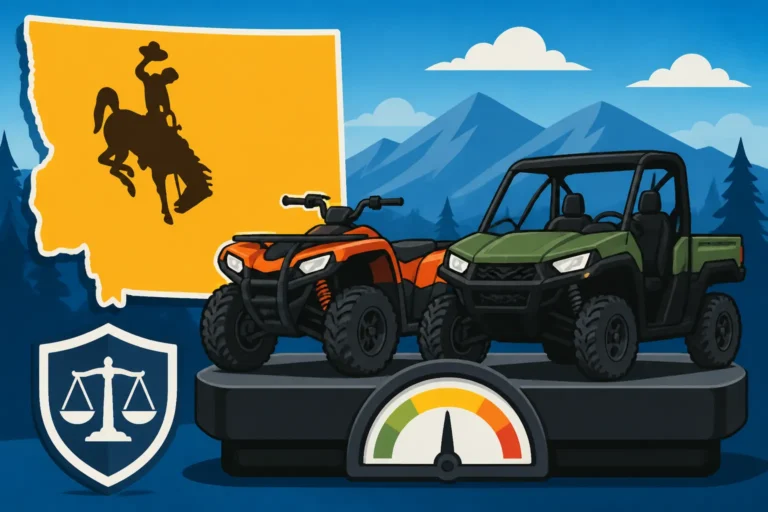
Not every side-by-side or ATV can become an MPV. Wyoming has clear, specific requirements that your machine must meet to qualify for this classification. It's not just about wanting a plate; it's about the physical characteristics of the machine itself. For instance, the vehicle must have a dry weight between 300 and 3,000 pounds. This immediately excludes many smaller youth quads and some very heavy industrial UTVs. [Weight Between 300 and 3,000 Pounds] is a non-negotiable threshold.
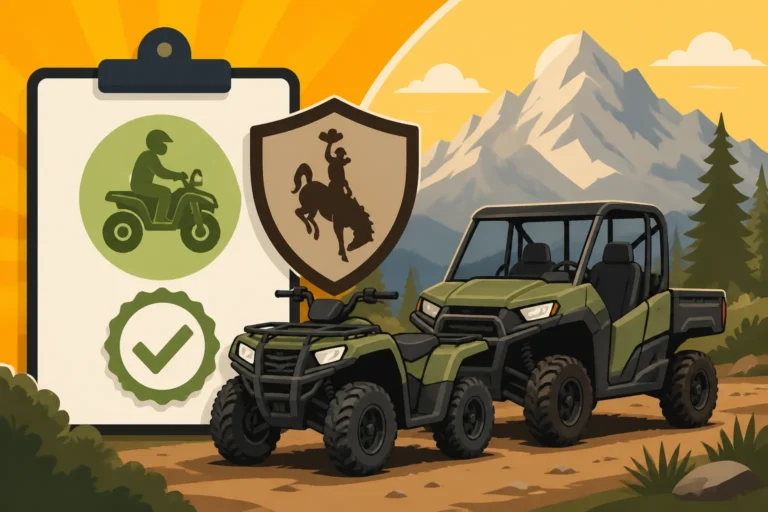
Another critical requirement is the seat height. The machine must have a seat or saddle at least 24 inches above the ground when measured at its lowest point. [A Seat at Least 24 Inches Up] ensures that the rider is positioned appropriately for road visibility and control, mimicking traditional vehicle ergonomics more closely than a low-slung utility quad might. To ensure your machine meets these and other criteria, you'll typically fill out a specific "What the MPV and ORV-MC Checklist Form Asks" document. This form is your self-assessment, and it’s important to be honest and accurate, as the county clerk will review it. Making sure your machine actually is an MPV according to the state's definition is the first hurdle in the titling process.
Navigating the County Clerk's Office
Once you're confident your machine meets the MPV criteria, your next stop for the title will be your local County Clerk's office. This is different from where you might get an ORV decal; the County Clerk handles titles, much like they would for a car or truck. You'll need to bring several key documents with you. If you bought your machine new, you'll need the Manufacturer's Statement of Origin (MSO). If you bought it used, you'll need the previous owner's title, properly assigned to you. If there's no existing title, which can happen with older machines or those brought in from states with different titling rules, you might need a bill of sale and potentially a VIN inspection.
For a smooth process, it’s always a good idea to call ahead to your county clerk's office and confirm exactly what documents they require. Each county can have slight variations in their specific procedures, so don't assume. Having a clear, well-drafted bill of sale is crucial when dealing with a used machine without an existing title. Resources like LawDepot can provide templates for these types of documents, ensuring you have all the necessary information recorded between buyer and seller. Without a valid title or proper proof of ownership that allows a new title to be issued, you simply cannot proceed to get plates. [Titles From a Wyoming County Clerk] are the official record of ownership for MPVs, and this step is non-negotiable for road legality.
The Second Step: Securing Your MPV Plates
With your MPV title safely in hand, you've conquered the first major hurdle! Now, and only now, can you move on to obtaining those coveted license plates that signify your machine is ready for designated road travel. This second step is handled by a different county office, which can sometimes catch people by surprise if they aren't aware of the specific division of labor.
From Title to Treasurer: The Plate Process
After successfully obtaining your title from the County Clerk, your next destination is the County Treasurer's office. This is where motor vehicle registrations and license plates are handled for all types of vehicles, including your newly titled MPV. It's important to remember that these are two separate offices, even if they're in the same building. You essentially go to [Two Counters for One Machine]: one for the title, one for the plates. The Treasurer's office needs to see that official title – either the original or a certified copy – as proof that your machine is properly owned and categorized as an MPV.
They won't issue you a plate without that title. Think of the title as your machine's birth certificate and the plate as its ID card for public use. The Treasurer's office will review your title information, enter your machine into the state's registration system, and then provide you with your new license plate. This plate will need to be affixed to the rear of your machine, clearly visible, just like on any other road-legal vehicle. This is where your MPV truly transforms from an off-road toy into a legitimate, road-capable vehicle in the eyes of Wyoming law.
What You'll Need and What to Expect
When you head to the County Treasurer's office for your MPV plates, you’ll need to be prepared with a few things. First and foremost, bring your newly issued MPV title. You'll also need proof of identity and often proof of current liability insurance. Wyoming does require insurance for any vehicle operating on public roads, and your MPV is no exception once it's plated. This isn't just a suggestion; it's a legal requirement to protect yourself and others.
The fees for registration and plates will vary, so it's best to check with your specific County Treasurer's office for the current figures. These fees typically cover the cost of the plate itself, administrative processing, and contributing to road maintenance programs. You'll typically pay for the registration upfront, and then annually thereafter. Unlike the ORV decal, which is a fixed calendar year, MPV registrations and plates usually renew on a staggered schedule based on your initial registration date. So, while [Plates From a Wyoming County Treasurer] might seem like the final step, it's actually the beginning of your annual road-legal compliance journey. Ensure all your documentation is in order to avoid delays; having all your ducks in a row, perhaps organized in a folder with help from a template from a service like LawDepot, will make the process much smoother.
Why This Order Matters: Riding Legally in Wyoming
The specific order of obtaining a title and then plates for an MPV isn't just bureaucratic red tape; it's a critical legal framework that ensures safety, accountability, and the proper use of these machines on Wyoming's diverse landscape. Ignoring this sequence can lead to serious headaches, fines, and potentially even the impoundment of your machine. It's about respecting the law and ensuring everyone's safety on our shared roads and trails.
The Purpose of Plates and Titles
The title for your MPV serves as the undisputed proof of ownership. This is crucial for theft prevention, insurance claims, and future sales. It ties the machine directly to you, the legal owner. Without a title, proving your ownership can become a nightmare, especially if the machine is involved in an accident or recovered after being stolen. The title is the official document recorded by the state, giving your MPV its identity.
Once titled, the plates then act as the visible, public identifier of your machine as a legal, road-worthy vehicle. This allows law enforcement to easily identify registered vehicles and ensures that you, as the operator, are complying with state laws for on-road operation. [Wyoming MPV Street Legal Requirements] go beyond just having a plate; they include specific equipment like mirrors, horns, headlights, and taillights, all of which are part of preparing your titled machine for the road. The plate is essentially your machine's permission slip to be on the road, verified against its titled status. This two-part system is designed to create a clear, traceable path for MPV ownership and use, bringing these versatile machines into the mainstream of vehicular regulation.
Avoiding Common Pitfalls
One of the biggest pitfalls riders face is confusing the simple ORV decal process with the more complex MPV titling and plating. Thinking that an ORV decal alone makes your side-by-side legal on county roads is a common and costly mistake. An ORV permit is for trails; an MPV title and plate are for specific roads. Riding a machine with just an ORV decal on a designated public road where only plated vehicles are allowed can result in a citation and fines. [Wyoming Fines for Riding Without a Permit] can apply if you're riding an MPV on the road without the proper plate, even if you have an ORV decal for trail use.
Another pitfall is trying to skip a step, perhaps by getting plates without a title, or vice-versa. The system is designed to be sequential for a reason. Always confirm your machine's classification, meet the physical requirements, obtain your title from the County Clerk, and then proceed to the County Treasurer for your plates. This structured approach ensures you're fully compliant and can enjoy all the opportunities your MPV offers without fear of legal repercussions. Taking the time to do it right means you can ride with peace of mind, knowing you've navigated Wyoming's unique regulations successfully.
Here’s a quick overview of the two main paths for off-road machines in Wyoming:
| Feature | Standard ORV (Off-Road Vehicle) | MPV (Multipurpose Vehicle) |
|---|---|---|
| Purpose | Designated trails & enrolled ORV roads | Designated public roads & trails |
| Ownership Document | Generally no state title required | State title required |
| Identification | Annual ORV decal (sticker) | State license plate required |
| Issuing Authority | State Parks (permit agents) | County Clerk (title), County Treasurer (plate) |
| Street Legal Status | No | Yes, on designated roads |
| Physical Requirements | None beyond being an ORV | Weight (300-3000 lbs), seat height (24"+), other |
| Insurance Required | Not for permit (may be for trail use) | Yes, for road use |
Disclaimer
This article is for general informational purposes only and does not constitute professional advice. Laws, prices and regulations vary by location and change over time. Consult a qualified professional for guidance on your specific situation.