Private Property With the Owner’s Permission
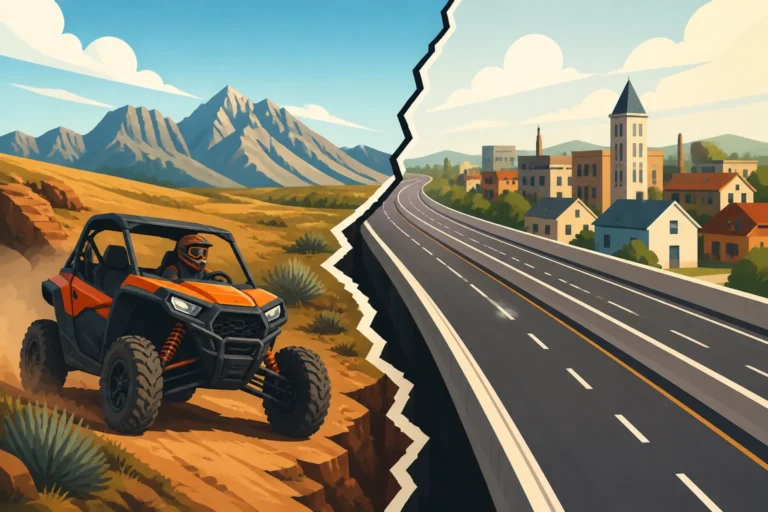
One of the most common dilemmas for ATV and UTV riders in Wyoming is knowing exactly where you can legally ride, especially when vast stretches of land might look open. It's incredibly easy to inadvertently trespass, leading to stressful encounters, fines, or worse. This guide will walk you through everything you need to know about navigating private property in Wyoming, ensuring you have the owner's permission every single time you venture off the beaten path.
Understanding Private Property Access for Off-Roaders
Navigating the expansive landscapes of Wyoming on your ATV or UTV is a dream for many, but it comes with a crucial responsibility: respecting property lines. Unlike some states with broad public access laws, Wyoming places a high emphasis on private property rights. This means that just because land looks undeveloped or unfenced doesn't mean it's fair game for riding. The distinction between public and private land, and more importantly, having explicit permission, is the bedrock of responsible off-roading here. Without it, you're not just risking a simple misunderstanding, but potentially serious legal consequences.
Why Permission is Paramount
The number one rule for riding on any land that isn't clearly marked as public, and even some that is (like State Trust Lands which require their own permit), is that you absolutely, positively need permission. It’s not just a polite request; it’s a legal necessity. Imagine a rancher finding tire tracks carving through their hay meadow or spooking their cattle. That's a direct impact on their livelihood, and it's understandably going to make them upset. Many landowners have worked generations to steward their property, and they deserve to have their boundaries respected. Asking for permission shows respect, builds goodwill, and ensures you're riding legally and safely. It also helps protect you from potential liability if something goes wrong.
Verbal vs. Written Agreements
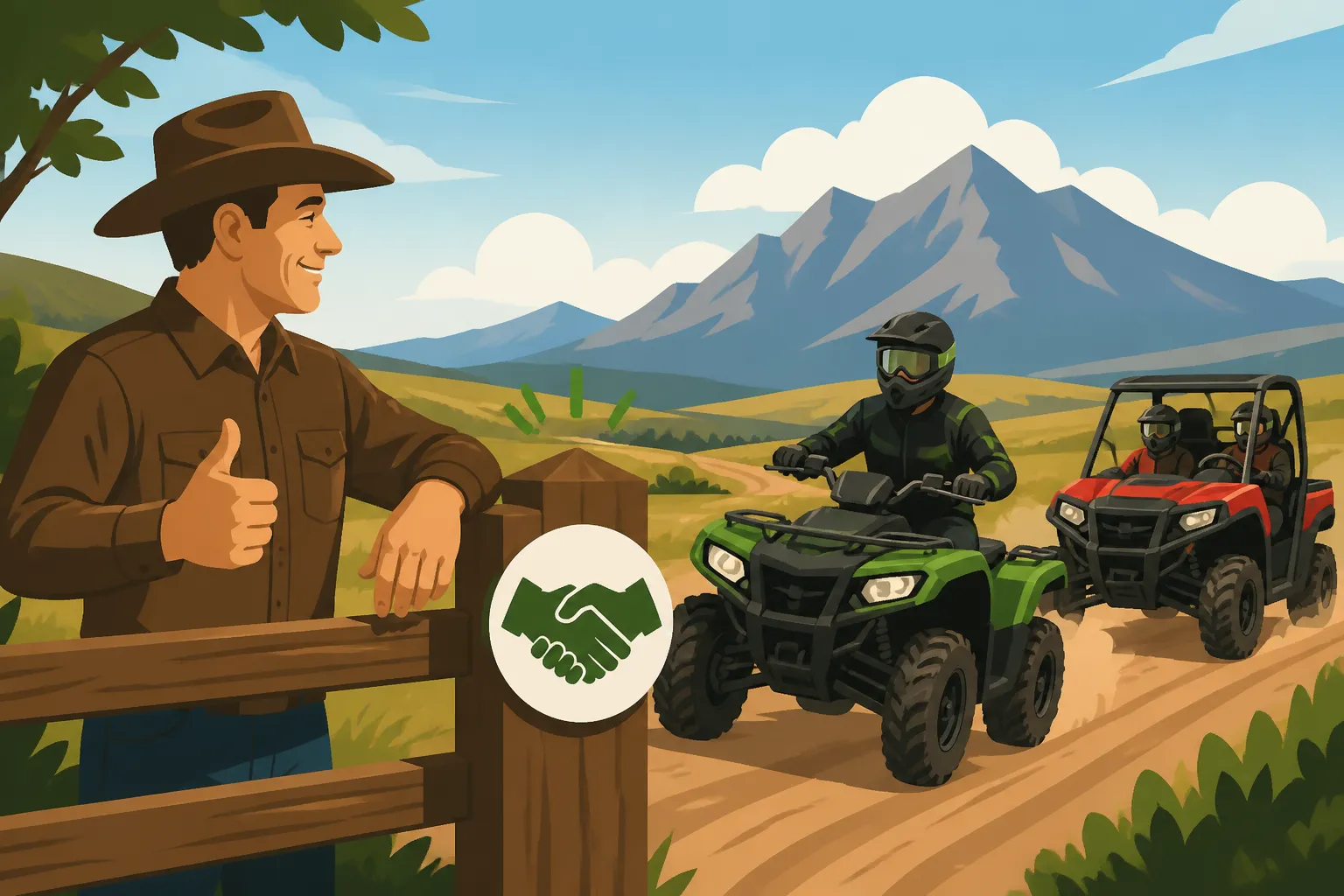
While a handshake and a verbal "go ahead" might seem perfectly sufficient in a friendly, rural setting, it's always best practice to get permission in writing if you can. A verbal agreement can be misunderstood, forgotten, or even denied, especially if there's a change in property ownership or management. A written agreement, even a simple email or text message, provides a clear record of the terms of your access. It can specify where you can ride, when, what activities are permitted, and any other conditions the landowner might have. This simple step can save a lot of headaches down the road and provides a clear point of reference should any questions arise.
Implied vs. Expressed Permission
Never, ever rely on "implied permission" when it comes to riding your off-road machine in Wyoming. Implied permission might be a gate left open, a faded "No Trespassing" sign, or simply the absence of obvious barriers. The law in Wyoming generally requires expressed permission. This means the landowner must have explicitly told you, either verbally or in writing, that you are allowed to be there. Assuming you have permission because you've ridden through the area before without issue, or because you saw someone else doing it, is a fast track to trouble. Always seek that direct, clear communication. When in doubt, assume it's private and seek permission, or find another route.
The Importance of Explicit Permission
When you're out exploring Wyoming's vast stretches, it can be easy to lose track of boundaries or assume certain areas are public. However, the onus is always on the rider to know where they are and to ensure they have the proper authorization to be there. Relying on assumptions is not only risky but can lead to significant legal and personal consequences. Explicit permission means a clear, direct, and unambiguous statement from the landowner that you are welcome to ride their property. It leaves no room for doubt and establishes a clear understanding between you and the owner.
Avoiding Misunderstandings
Without explicit permission, misunderstandings are almost guaranteed. You might think you're on a public easement, while the landowner views it as their private road. You might believe riding through a certain pasture is harmless, while the owner knows that particular area is home to calving cows. Even if you've been granted access by a previous owner or manager, that permission doesn't automatically transfer. Always re-verify. A quick, friendly conversation can clear up any ambiguities and prevent an uncomfortable confrontation down the trail. It shows you're a responsible rider who values clear communication, which often makes landowners more amenable to future requests.
Protecting Yourself and the Landowner
Explicit permission isn't just about avoiding trespassing; it's also about protecting everyone involved. From a rider's perspective, it protects you from legal action, fines, and the potential impoundment of your machine. It also mitigates risk if you were to have an accident on the property. From the landowner's perspective, they know exactly who is on their land and for what purpose. They might even have specific safety instructions or areas they prefer you avoid for their own operational reasons. A clear agreement can also address liability concerns, which is a major point of anxiety for many rural property owners when people ask to use their land. When using aftermarket parts, like those from SuperATV, ensure they are properly installed and maintained to minimize any risk, both for your safety and the property owner's peace of mind.
What to Discuss with the Owner
When you do get the chance to speak with a landowner, be prepared to discuss specifics. Beyond just asking "Can I ride here?", consider these points:
- Specific areas of access: Are there certain fields, pastures, or trails that are okay, and others that are off-limits?
- Time frames: Are there specific days or times of day when riding is permitted or prohibited (e.g., during calving season, after dark)?
- Type of machine: Does it matter if you're on a dirt bike, ATV, or a larger side-by-side?
- Number of riders/machines: Are you riding solo, or with a group?
- Purpose of your ride: Are you just exploring, hunting, or accessing another piece of public land? (Refer to [Wyoming Rules for Hunting From an ATV] and [Wyoming Rules for Packing Out an Elk] for specific hunting regulations).
- Gates and fences: Emphasize that you understand [Wyoming Rules for Opening a Gate] and will always leave them as you found them, or as instructed.
- Livestock: Discuss how to navigate around cattle, horses, or other animals. [Wyoming Rules for Riding Near Livestock] are critical here.
- "Leave No Trace" principles: Assure them you will pack out all trash, avoid disturbing wildlife, and stay on designated paths if any.
- Contact information: Offer your phone number in case they need to reach you, and ask for theirs.
Having these conversations beforehand demonstrates responsibility and respect, significantly increasing the likelihood of a positive outcome.
Legal Ramifications of Trespassing
Trespassing on private property in Wyoming, especially with an off-road vehicle, is not merely a social faux pas; it carries significant legal consequences. The law is designed to protect private property rights, and landowners have various avenues to pursue action against trespassers. Ignorance of boundaries is rarely accepted as a defense, emphasizing the rider's responsibility to know exactly where they are.
Fines and Penalties
Wyoming's trespassing laws, detailed further in resources like [Wyoming Trespass Rules for Riders] and [Wyoming Trespass Law and Off-Road Riders], can result in substantial fines. A first offense might be a misdemeanor with a monetary penalty, but repeated offenses or trespassing that causes damage can escalate quickly. Law enforcement, including county sheriffs, game wardens, and even some federal land managers, have the authority to issue citations. These fines can easily run into hundreds of dollars, and they often come with additional court costs. Moreover, a citation on your record can lead to future scrutiny if you find yourself in another incident. It's a costly lesson that's entirely avoidable by simply asking for permission.
Civil Liability and Damages
Beyond criminal fines, a landowner can pursue civil action against you for damages caused by your trespassing. This could include damage to crops, fences, irrigation systems, gates, or sensitive natural habitats. If your machine spooks livestock, leading to injuries or property damage, you could be held financially responsible for those losses as well. Consider a scenario where you unknowingly ride through a recently seeded field, compacting the soil and destroying the young crop. The landowner could sue for the loss of that yield. Even if no physical damage occurs, the simple act of trespassing can be grounds for a civil suit for punitive damages. This is where having clear, written permission protects you far beyond just avoiding a ticket.
Machine Impoundment
In serious cases of trespassing, especially if accompanied by other offenses like reckless driving, destruction of property, or poaching, law enforcement may have the authority to impound your ATV or UTV. The costs associated with impoundment – towing fees, storage fees, and administrative charges – can quickly add up, often exceeding the initial fine. Retrieving your machine can be a lengthy and frustrating process, potentially requiring court appearances and payment of all outstanding fees. This isn't just an inconvenience; it can mean losing access to your valuable equipment for an extended period, significantly disrupting your riding plans. Ensure your machine, perhaps outfitted with SuperATV accessories, is always on legal ground to avoid such a predicament.
Best Practices for Seeking Permission
Asking for permission can feel daunting, but approaching it with respect, clarity, and a good attitude can make a world of difference. Most landowners appreciate the courtesy of being asked, even if they ultimately decline your request. It's about building trust and demonstrating that you're a responsible individual who respects their property and livelihood.
Initial Contact and Etiquette
The first impression is crucial. When approaching a landowner, whether in person, by phone, or email, always be polite, respectful, and brief.
- In Person: If you're on a public road adjacent to their property, you might see them working. Pull over safely, get out of your vehicle (not your ATV/UTV), and introduce yourself. Explain clearly why you're approaching them. Avoid showing up unannounced at their front door if possible; a working ranch or farm often means people are busy.
- By Phone/Email: If you can't find them in person, a polite phone call or email is best. State your name, where you're from, and why you're calling. Be prepared to leave a message and patiently wait for a reply.
- Be Clear and Direct: Don't beat around the bush. State your request clearly: "I'm an ATV rider, and I was wondering if it would be possible to ride my machine across a portion of your property to access the XYZ public trail."
- Respect Their Time: Ranchers and farmers are busy people. Keep your initial conversation concise. If they seem rushed, offer to call back at a more convenient time.
- Dress Appropriately: If you're approaching in person, don't show up in muddy riding gear. Present yourself cleanly and respectfully.
What Information to Provide
When you make your request, having some key information ready can help the landowner make an informed decision.
- Your Identity: Your full name and contact information (phone, email).
- Your Machine: Briefly describe your ATV or UTV. Reassure them it has a spark arrester and is not excessively loud, adhering to [Wyoming Spark Arrester and Sound Rules].
- Your Plan: Be specific about where you want to ride, the route you'd like to take, and your ultimate destination. If you're simply looking to cross a small section to get to another piece of public land, emphasize that.
- Your Group: How many riders will be with you? What kind of machines will they have?
- Your Responsibility: Reiterate your commitment to closing gates, staying on designated paths, respecting livestock, and generally leaving the land better than you found it.
- Insurance: Offer to show proof of liability insurance, as this can be a significant concern for landowners. While [Wyoming ATV Insurance Requirement] usually applies to road use, demonstrating you have coverage for potential incidents can build trust.
Leaving No Trace Principles
Part of demonstrating respect for private property is adhering to "Leave No Trace" principles. This isn't just for public lands; it's critical when you're fortunate enough to gain access to private property.
- Stay on Designated Paths: If the landowner specifies a particular route, stick to it. Do not venture off.
- Pack It In, Pack It Out: Everything you bring onto the property, you must take back out. This includes all trash, food wrappers, and anything else.
- Respect Wildlife and Livestock: Give animals a wide berth. Do not chase or harass them. Understand that [Wyoming Rules for Riding Near Livestock] are not just suggestions; they are vital for animal welfare and ranch operations.
- Minimize Impact: Avoid riding in excessively wet conditions where you might create deep ruts. Don't damage vegetation or natural features. If you're a fan of durable protection, items like SuperATV skid plates can help minimize your machine's impact on the terrain.
- Gates and Fences: This is paramount on ranch land. Always, always [What Happens If You Leave a Gate Open]. If a gate is closed, close it behind you. If it's open, leave it open unless otherwise instructed.
By practicing these principles, you not only ensure a positive experience for yourself but also potentially pave the way for other riders to gain similar access in the future.
Special Considerations for Ranch and Agricultural Lands
Riding on ranch or agricultural lands comes with unique challenges and responsibilities that go beyond simply respecting property lines. These properties are often working environments, and your presence, even with permission, can inadvertently interfere with daily operations if you're not mindful. Understanding these nuances is key to being a truly responsible off-road rider.
Livestock and Fences
Wyoming is ranch country, and livestock are a constant presence. When riding on private land where cattle, horses, or sheep graze, your machine's noise and presence can easily startle animals. This isn't just an inconvenience; spooked animals can injure themselves, stampede, or even break through fences.
- Approach Slowly and Quietly: If you encounter livestock, slow down immediately, turn off your engine if appropriate, and give them ample space. Wait for them to move on before proceeding.
- Cattle Guards: Many ranch roads utilize cattle guards instead of gates. While designed for vehicles, they can still be a hazard for smaller machines if not approached carefully. Be aware of the condition of [Cattle Guards on a Ranch Road] and drive over them cautiously.
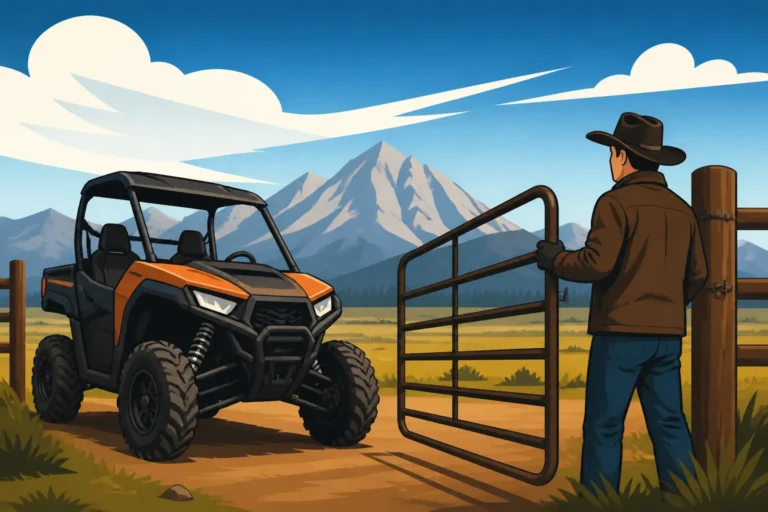
- Gates: As mentioned before, [Wyoming Rules for Opening a Gate] are critical. Always leave gates exactly as you found them, or as the landowner specifically instructed. A gate left open can lead to livestock escaping, mixing herds, or entering pastures they shouldn't be in – a huge problem for a rancher.
- Fences: Never cut across or damage fences. They are vital for containing livestock and marking boundaries. If you notice a damaged fence, report it to the landowner immediately.
Hunting Season and Other Activities
Ranch lands are often used for various activities throughout the year, not just ranching. This means that even with permission to ride, there might be specific times or areas that are off-limits due to other concurrent uses.
- Hunting Season: Many landowners lease out hunting rights. If you're riding during hunting season, your presence could disrupt a hunt, scare off game, or even put you in a potentially dangerous situation. Always inquire about [Wyoming Rules for Riding During Hunting Season] and ask if there are active hunting operations on the property. Wearing blaze orange is a good safety precaution during these times, even if you're not hunting yourself.
- Haying/Harvest: During certain times of the year, fields might be actively used for haying or harvesting crops. Riding through these areas, even on what appears to be a clear path, could damage equipment or crops.
- Branding/Round-ups: Ranchers have specific seasons for branding calves, moving cattle, or other intensive operations. Your off-road machine could seriously impede these activities. Always ask about current operations and potential conflicts.
- Water Sources: Be mindful of water sources and troughs. These are critical for livestock and should not be disturbed or contaminated.
Respecting Operations
Ultimately, respecting ranch and agricultural lands means respecting the operations that sustain them. It's not just about avoiding damage, but also about avoiding disruption.
- Stay on Defined Tracks: Even if there isn't a clearly designated trail, try to stick to existing two-tracks or ranch roads. [Wyoming Rules for Riding a Ranch Road] often mean using established routes. This minimizes your impact on the land and avoids creating new, unwanted trails.
- Avoid Residential Areas: Unless specifically invited, do not approach or linger around residential buildings, barns, or corrals. These are private family spaces and working areas.
- Be a Good Neighbor: If you encounter ranch hands, wave and be polite. A friendly interaction can go a long way in ensuring continued access for you and perhaps others. Always remember that you are a guest on their land, and your actions reflect on the entire off-road community.
Distinguishing Private from Public Land
One of the biggest challenges for off-road riders in Wyoming is accurately identifying land ownership. The state is a patchwork of private, state, and federal lands, and boundaries aren't always clearly marked on the ground. Riding on public land requires its own set of rules, including often needing a [Wyoming's Annual ORV Permit] or [Wyoming's Trail User Registration Decal], but venturing onto private land without permission is a direct violation. Making a conscious effort to understand land ownership is fundamental to responsible riding.
Using Maps and Resources
Modern technology has made it easier than ever to determine land ownership. Don't rely solely on what your eyes tell you; a fence line isn't always the property line, and a lack of fencing doesn't mean it's public.
- GPS Apps: Numerous GPS apps for smartphones and dedicated GPS units offer land ownership overlays. Apps like onX Offroad or similar mapping services can display color-coded parcels showing private, BLM, Forest Service, State Trust, and other land designations. These are invaluable tools for planning your ride and ensuring you stay on legal ground.
- MVUMs (Motor Vehicle Use Maps): For federal lands (National Forests and BLM), always consult the official MVUMs. These maps clearly designate which roads and trails are open to motorized vehicles, which are closed, and which are seasonally restricted. They are the definitive guide for riding on these federal lands. You can often find them at ranger stations or download them online.
- County Assessor's Office: If you're planning a ride in a specific area, your county assessor's office often has public records and maps that show land ownership. This might require a bit more legwork but can provide definitive answers.
- Wyoming State Parks, Historic Sites and Trails website often provides resources and maps for their managed areas.
Always carry a physical map as a backup, especially in remote areas where cell service might be nonexistent. Ensure any navigational equipment, perhaps mounted with a SuperATV dash mount, is reliable and charged.
Identifying Property Markers
While maps are excellent planning tools, you also need to be able to interpret what you see on the ground. Property markers, while sometimes subtle, are crucial indicators.
- Fences: The most obvious marker. If there's a fence, especially a new one, treat everything inside it as private unless you have explicit permission.
- Signs: Look for "No Trespassing," "Private Property," or "No Motorized Vehicles" signs. These are clear warnings. Respect them without question. Even if a sign is old or faded, its message remains valid.
- Gates: Locked or unlocked, gates often indicate private access roads or property lines. Treat them with respect. [Wyoming Rules for Opening a Gate] apply here.
- Paint Marks: On trees or posts, specific colors of paint (e.g., orange or purple in some regions, though not universally adopted in Wyoming for this purpose) can sometimes denote property lines. It's best to be cautious if you see such markings.
- Survey Markers: Though less common for the casual rider to spot, survey markers (stakes, rebar with caps) are definitive boundary points.
When in doubt, err on the side of caution. If you're unsure if you're crossing onto private land, turn back or find an alternative route.
Knowing Your Route
Before every ride, take the time to plan your route thoroughly. Don't just point your machine and go.
- Pre-Ride Planning: Study maps (digital and physical) to understand the land ownership along your intended path. Identify access points, potential private parcels, and where public trails or roads begin and end.
- Waypoint Setting: Use your GPS to mark known property lines, public access points, and any areas you've received specific permission for.
- Contingency Planning: What will you do if you encounter an unexpected "No Trespassing" sign or a locked gate where you expected public access? Have alternative routes in mind.
- Check Local Regulations: Always check with the local land management agency (Forest Service, BLM, State Parks) for any temporary closures, fire restrictions, or other rules that might impact your ride, as these often apply to [Wyoming Rules for Riding Federal Land].
By meticulously planning and using all available resources, you can significantly reduce the risk of inadvertently trespassing and ensure your Wyoming off-road adventures are always legal, respectful, and enjoyable.
Disclaimer
This article is for general informational purposes only and does not constitute professional advice. Laws, prices and regulations vary by location and change over time. Consult a qualified professional for guidance on your specific situation.