How Decal Money Pays for Trailhead Toilets
It’s a common scenario for any off-road enthusiast in Wyoming: you pull up to a popular trailhead, maybe after a long drive, ready to unload your machine and hit the trails. You’ve dutifully bought your annual ORV permit, slapped that decal on your quad or side-by-side, and you’re feeling good about contributing. But then you realize the trash cans are overflowing, the parking area is riddled with potholes, or worse yet, the restroom facilities are, shall we say, rustic—or entirely absent. It leaves you wondering, where exactly does that permit money go? This guide is here to shed some light on the journey of your decal dollars, particularly focusing on how those funds contribute to the amenities and upkeep that make our Wyoming riding experiences better, from basic trail maintenance to those often-underappreciated trailhead toilets.
The Journey of Your Decal Dollar: From Sticker to Support
When you purchase that annual Wyoming ORV permit, you’re not just getting a sticker; you’re investing in the very trails and facilities you love to use. It’s a collective effort, and understanding how that money flows helps riders appreciate the system, even when they encounter areas that still need a little love.
Initial Collection and the Local Impact
Let's start at the beginning: you walk into a county treasurer's office, a Forest Service ranger station, or even a local powersports dealer, hand over your hard-earned cash, and receive your new ORV decal. This seemingly simple transaction kicks off a chain of events designed to benefit Wyoming's riding community directly.
First, that initial sale isn't just about the state collecting funds. The agent who sells you the permit – whether it’s a county employee or the person behind the counter at your favorite dealership – receives a small portion for their trouble. It's a way to cover their administrative costs and incentivize them to be a convenient point of sale for riders across the state. This helps ensure that permits are readily available, whether you're buying one at the local shop in Cheyenne or grabbing one on your way to the trails near Cody. This small, crucial detail helps keep the system running smoothly, ensuring accessibility for all riders. It's a common question, and yes, there's a reason [Why a Selling Agent Keeps $1 of Every Permit].
The vast majority of your permit fee, however, doesn't disappear into a state-wide black hole. A fundamental principle of Wyoming's ORV program is that the money largely stays local. This means the funds generated from permits sold in a particular county or region are often reinvested back into the trails and facilities within or near that same area. This localized approach is a huge benefit, as it directly connects the riders' contributions to the improvements they experience in their favorite riding spots. It ensures that the dollars spent by riders exploring the Bighorns are likely to be used for projects in the Bighorn National Forest, rather than funding a distant project in another part of the state. This local focus is a point of pride for the program and it's built into the way the funds are managed, reflecting [Why Fees Stay Where They Were Collected].
The Trails Program: Wyoming's Guiding Hand
Once collected, these funds are channeled into the Wyoming Trails Program. This program is essentially the backbone of our state's off-road recreational infrastructure. It's not just a fancy name; it's a dedicated entity working to ensure that Wyoming's incredible natural landscapes remain accessible, safe, and enjoyable for riders.
The Wyoming Trails Program plays a pivotal role in managing and distributing these funds. They don't just sit on a pile of money; they actively solicit and evaluate grant applications from various land management agencies, local governments, and even non-profit organizations that are directly involved in trail maintenance, development, and improvement. Imagine a local recreation district near Laramie identifying a need for a new parking area at a popular trailhead, or the Forest Service realizing a critical section of trail needs serious erosion control after a harsh winter. These entities can apply to the Trails Program for funding, outlining their projects, their budgets, and how the improvements will benefit ORV users. This whole process, from collection to allocation, falls under the umbrella of [Wyoming Permits and the Trails Program].
It’s a structured, competitive process designed to ensure that the permit money is allocated to the most impactful and necessary projects across the state. The program reviews proposals, prioritizing those that enhance rider safety, improve trail sustainability, and address critical infrastructure needs. This system means that your permit fee isn't just a tax; it's a direct investment in the projects that matter most to the health and future of our off-road trails.
Enhancing the Rider Experience: Beyond the Basics
Let's get down to the tangible improvements you see and experience out on the trail. The permit money funds a surprising array of services and facilities that contribute significantly to your riding enjoyment, some of which you might not even consciously notice until they're missing.
Trailhead Amenities and Facilities
One of the most immediate and appreciated uses of permit money is the development and maintenance of trailhead amenities. These are the unsung heroes of a comfortable and convenient riding experience, and yes, this absolutely includes those much-needed facilities you might be thinking of.
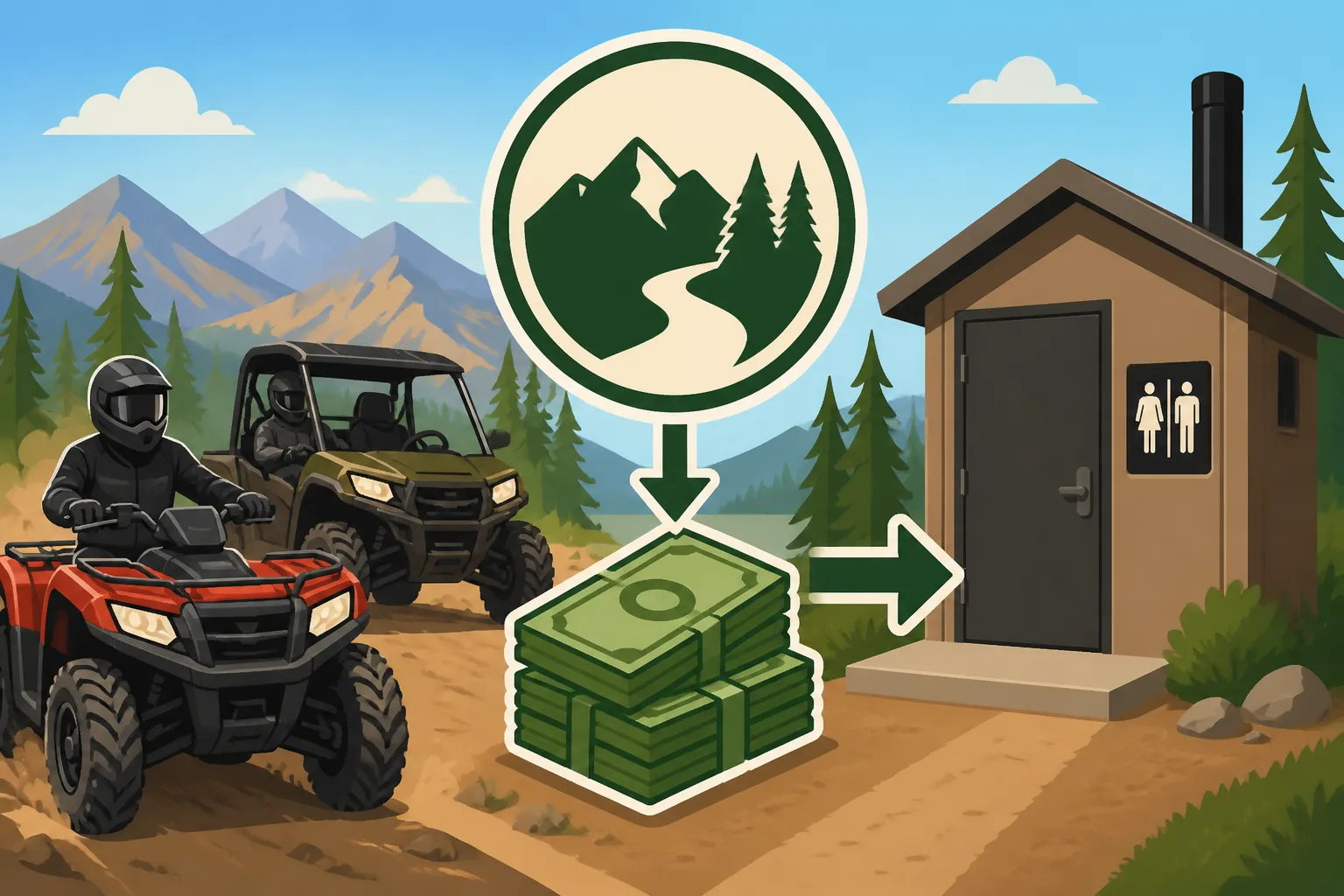
Often, the most talked-about, or perhaps complained-about, amenity (or lack thereof) at a trailhead is the restroom. Nobody wants to find themselves in a remote area with an urgent need and no proper facilities. This is where your decal money truly shines. Funds are regularly allocated to install, maintain, and clean trailhead toilets, whether they are simple vault toilets or more robust composting systems. These aren't cheap to build or upkeep, requiring regular servicing, pumping, and supplies. When you see a relatively clean and stocked restroom at a remote trailhead, know that your permit fee has almost certainly played a part in making that possible. This specific use of funds directly answers the question of [How Decal Money Pays for Trailhead Toilets]. It's a vital service that contributes immensely to the comfort and environmental stewardship of our riding areas, preventing unsightly and unsanitary situations that could otherwise arise.
But trailhead amenities extend far beyond just toilets. Think about where you park your rig. Permit funds often go towards improving parking areas, making them safer, more organized, and less prone to turning into a muddy mess after a rain shower. This could involve graveling, drainage improvements, or even paving in some high-traffic locations. You might also notice new picnic tables, designated staging areas, or kiosks displaying maps and important information about the trails. These small additions make a huge difference in the overall experience, turning a bare patch of dirt into a welcoming gateway to your adventure. Furthermore, permit money can contribute to waste management, ensuring that garbage cans are available and regularly emptied, helping to keep our beautiful landscapes free of litter. For a comprehensive look at what you can expect, especially those critical facilities, check out [Wyoming Riding Areas With Toilets].
Trail Maintenance and Development
Beyond the immediate trailhead, your permit money is hard at work on the trails themselves. This is perhaps the most direct way your contribution impacts your ride, ensuring that the paths you traverse are safe, navigable, and sustainable.
Maintaining trails is an ongoing, often arduous, task. Winter snow, spring runoff, and summer storms can wreak havoc, leading to erosion, fallen trees, and impassable sections. Permit funds are crucial for keeping our trails open and in good condition. This includes everything from routine grading to smooth out ruts, clearing brush and downed timber, repairing bridges and culverts, and implementing erosion control measures like water bars and drainage ditches. Without this constant attention, many of our favorite trails would quickly become overgrown, dangerous, or completely impassable. This vital work of keeping the routes clear and safe is exactly what [Trail Work Funded Where You Ride] helps to accomplish. It's not just about making the ride smoother; it's about preserving the trail itself for long-term use.
In addition to maintaining existing routes, permit money also supports the exciting prospect of building new trails and connections. As demand for riding opportunities grows, and as land managers identify suitable areas, funds can be allocated to design and construct entirely new segments of trail. This expands the network, offering riders fresh terrain to explore and sometimes connecting existing loops or creating more extensive multi-day routes. Imagine exploring a brand new section of forest that was previously inaccessible to ORVs – that expansion is often thanks to careful planning and permit-funded grants, helping to facilitate [Grants That Cut New Trail]. This forward-thinking investment ensures that Wyoming's ORV opportunities continue to grow and evolve.
Lastly, effective signage is paramount for both safety and enjoyment. You might take a well-placed "Yield" sign or a clear directional marker for granted, but these are crucial for preventing accidents, guiding riders, and ensuring they stay on designated routes. Permit funds pay for the design, fabrication, and installation of these signs, which can range from simple post-mounted markers to larger, more detailed interpretive panels at scenic overlooks. Clear and consistent signage prevents riders from getting lost, straying into sensitive areas, or accidentally trespassing. These are the silent guardians of your ride, and their presence is often funded directly by your permit fees, ensuring that [Signs Paid for by Permit Money] are clear and present where needed.
| Type of Project | Description | Funding Source | Benefit to Riders |
|---|---|---|---|
| Trailhead Toilets | Installation, maintenance, and cleaning of restrooms. | ORV Permit Fees | Improved comfort, hygiene, and environmental protection. |
| Parking Areas | Grading, graveling, drainage, and signage for staging. | ORV Permit Fees | Safer, more organized, and less muddy starting points. |
| Trail Maintenance | Clearing debris, erosion control, grading, bridge repair. | ORV Permit Fees | Safe, navigable, and sustainable trails for all. |
| New Trail Development | Planning and construction of new routes and connections. | ORV Permit Fees | Expanded riding opportunities and fresh terrain. |
| Signage & Kiosks | Directional, informational, and regulatory signs. | ORV Permit Fees | Enhanced safety, navigation, and environmental awareness. |
| Waste Management | Provision and emptying of trash receptacles. | ORV Permit Fees | Cleaner trailheads and reduced litter on public lands. |
Protecting Our Precious Landscapes and Future Rides
Beyond the immediate comforts and ride quality, your permit money plays a critical role in the long-term health and sustainability of Wyoming's natural environment. This ensures that the beautiful landscapes we enjoy today will be there for future generations of riders, too.
Environmental Stewardship and Restoration
Our incredible state is known for its vast, wild landscapes, and responsible recreation means we all need to do our part to protect them. The ORV permit funds are frequently channeled into projects that specifically address environmental stewardship and restoration efforts.
One key area is mitigating rider impact on sensitive ecosystems. This can involve funding projects that revegetate eroded areas, particularly along trails or at popular staging spots where vegetation might have been damaged. Preventing soil erosion is critical for water quality and maintaining healthy habitats. Funds might also be used to control invasive species along trail corridors, which can quickly outcompete native plants and disrupt local ecosystems. These environmental efforts are vital for preserving the natural beauty and ecological integrity of our riding areas, ensuring that our presence as riders doesn't lead to irreversible damage.
Consider a popular creek crossing where repeated use has widened the trail and caused bank erosion. Permit funds can be used to stabilize those banks, perhaps install a more durable crossing, and reseed the disturbed areas. This isn't just about making the trail look nice; it's about protecting the aquatic life in the creek and preventing sediment from flowing downstream. These restoration projects are a direct investment in the health of the land we love to explore.
Education, Enforcement, and Safety
A big part of responsible off-road recreation is knowing the rules, understanding the terrain, and acting safely. Your permit money also supports initiatives that promote education, enforce regulations, and contribute to overall rider safety.
A significant portion of funds can go towards producing and distributing educational materials. This includes creating detailed maps that clearly delineate open trails from closed areas, or producing brochures that explain responsible riding practices, low-impact camping, and wildlife encounters. Having up-to-date and accurate [Wyoming Trail Maps and MVUMs] (Motor Vehicle Use Maps) is absolutely critical for riders to know where they can legally and safely recreate. Without clear guidance, riders might inadvertently stray into closed areas, creating conflict with other land users or damaging sensitive habitats. These maps are often printed or made available digitally thanks to the permit program.
Furthermore, permit funds assist in supporting the presence of patrols and enforcement officers on the trails. These are the folks who ensure everyone is playing by the rules, keeping our trails safe and accessible for all. This might be a Forest Service ranger, a BLM officer, or a local sheriff's deputy checking for valid permits, ensuring machines have spark arresters, or making sure riders are staying on designated routes. While no one likes getting a citation, these patrols are essential for preventing irresponsible behavior that could lead to trail closures or accidents. They're also often the first responders in an emergency. Ever wonder what a warden is checking for at a trailhead? [What a Warden Checks at a Trailhead] covers exactly that, and their presence is often supported by your permit fees.
Lastly, some permit funds can indirectly contribute to search and rescue operations. While specific search and rescue budgets often come from other sources, the presence of trained personnel on the trails, the maintenance of access roads, and the availability of clear mapping all contribute to a more efficient response in case of an accident or emergency. It's a holistic approach to safety, ensuring that if something does go wrong, the infrastructure is in place to help.
The Broader Vision: Sustaining Wyoming's Legacy
Ultimately, the Wyoming ORV permit program is about more than just maintaining trails for a single season; it's about fostering a sustainable legacy of off-road recreation in a state renowned for its outdoor opportunities. This involves extensive collaboration and long-term investment.
Collaboration and Community Engagement
No single entity can manage the vast network of trails across Wyoming alone. The success of the ORV program hinges on robust collaboration between various stakeholders, and your permit dollars help facilitate these partnerships.
The Wyoming Trails Program actively works with a multitude of land management agencies. This includes federal partners like the U.S. Forest Service, which manages millions of acres of national forests perfect for riding, and the Bureau of Land Management (BLM), which oversees vast stretches of open country. It also involves state entities like Wyoming State Parks, Historic Sites and Trails, which manages its own designated recreation areas. Each of these agencies has its own regulations and management plans, so coordination is key to creating a cohesive trail system. Understanding the nuances of [Wyoming Rules on National Forest Ground] and [Wyoming Rules on BLM Ground] is essential for riders, and the permit program helps bridge the gap between these different managing bodies.
Beyond government agencies, the program often partners with local off-road clubs, conservation groups, and volunteer organizations. These groups are often on the ground, lending their expertise and elbow grease to trail work, conducting cleanups, and advocating for responsible riding. Permit funds can sometimes be used to support the resources these volunteer groups need, like tools, safety equipment, or training, amplifying their impact and fostering a stronger sense of community ownership over our trails. It’s a powerful example of how public funds can empower grassroots efforts.
Long-Term Planning and Investment
The investments made through the ORV permit program are not just for quick fixes; they are often part of a much larger, long-term vision for Wyoming's recreational infrastructure. This means thinking years, even decades, ahead.
Funds are used for capital improvements that stand the test of time. This could be constructing a durable bridge over a significant creek, building resilient staging areas, or investing in specialized heavy equipment needed for large-scale trail reconstruction projects. These types of investments ensure that the infrastructure built today will continue to serve riders for many years to come, reducing the need for constant, costly repairs. It’s about building smarter, not just continually patching things up.
Ultimately, the goal is to ensure continued access for generations of riders. Wyoming prides itself on its open spaces and incredible outdoor recreation, and the ORV permit program is a critical tool for preserving that heritage for future enthusiasts. By strategically allocating funds to maintain existing trails, develop new ones, protect the environment, and educate users, the program helps safeguard the future of off-road riding in the Cowboy State. It’s an investment in a lifestyle, a passion, and the incredible natural resources that make Wyoming such a special place to ride.
Disclaimer
This article is for general informational purposes only and does not constitute professional advice. Laws, prices and regulations vary by location and change over time. Consult a qualified professional for guidance on your specific situation.