Showing a Decal and a License
There's nothing quite like hitting the trails in Wyoming, feeling the sun on your face and the rumble of your machine beneath you. But that feeling can turn to dread pretty quickly if a warden or ranger pulls you over and you don't have your paperwork in order. This guide is here to walk you through exactly what you need to have on hand—from that all-important decal to your driver's license and insurance—to ensure your Wyoming off-road adventure stays fun and legal.
The Essential Wyoming ORV Permit Decal
You might think your machine is ready to roll if it's gassed up and inspected, but in Wyoming, there's one critical item that sometimes gets overlooked, especially by folks visiting from out of state: the ORV permit decal. This little sticker is your ticket to legally access the vast network of trails and enrolled roads across the state, and knowing its importance is the first step in avoiding an unexpected chat with a law enforcement officer.
Why Your Machine Needs a Wyoming Decal
It can be a real head-scratcher for riders coming from other states. "My ATV is registered in Colorado, why do I need another sticker?" It's a valid question, and one many riders grapple with. The simple truth is that Wyoming does not have reciprocity agreements with other states when it comes to off-road vehicle registration. That means no matter how legally your machine is registered elsewhere, it needs a current [Wyoming's Annual ORV Permit] if you plan to ride it on public land or enrolled roads within Wyoming's borders. This isn't just a bureaucratic hoop; the funds generated from these permits directly support the state's Off-Road Vehicle Trails Program. Every dollar helps maintain trails, build new ones, and put up signs, enhancing the riding experience for everyone. It's a pretty straightforward system: you pay a flat fee, which is the same for residents and non-residents alike, and that money goes right back into the places you love to ride. To learn more about what that permit costs, check out [Wyoming ORV Permit Cost].
Where to Place and What to Do if Lost
Once you've got your permit, the next crucial step is placing that decal correctly on your machine. The state specifies that the decal should be affixed in a clearly visible location on the left side of the machine, typically on the rear fender or the main frame. It needs to be where it's easily seen and can be quickly verified by anyone checking for compliance. Imagine a ranger at a busy trailhead trying to spot a tiny sticker tucked away under a seat; it's just not practical. Proper placement avoids any unnecessary delays or questions. But what if the decal fades in the harsh Wyoming sun, gets scratched off on a tight trail, or worse, just peels away? It happens. The good news is that replacing a lost or damaged decal is a relatively simple process. You'll typically need to contact the issuing agency or a selling agent to request a replacement. It's important to do this as soon as you notice the issue, because even if you paid for the permit, riding without a visible, valid decal is still considered non-compliant. For more details on exact placement, you might find [Where the Wyoming Decal Goes on a Machine] helpful, and if yours goes missing, learn about [Replacing a Lost Wyoming Decal].
Driver's License and Endorsements for Road Use
While many off-road adventures happen deep in the backcountry, there are increasingly more opportunities in Wyoming to ride your ATV or UTV on designated public roads. This opens up amazing scenic routes and connects trail systems, but it also brings a whole new set of legal requirements, especially when it comes to your driver's license. It’s not just about having a permit for the trail; it's about being licensed for the pavement.
When a Driver's License is Necessary
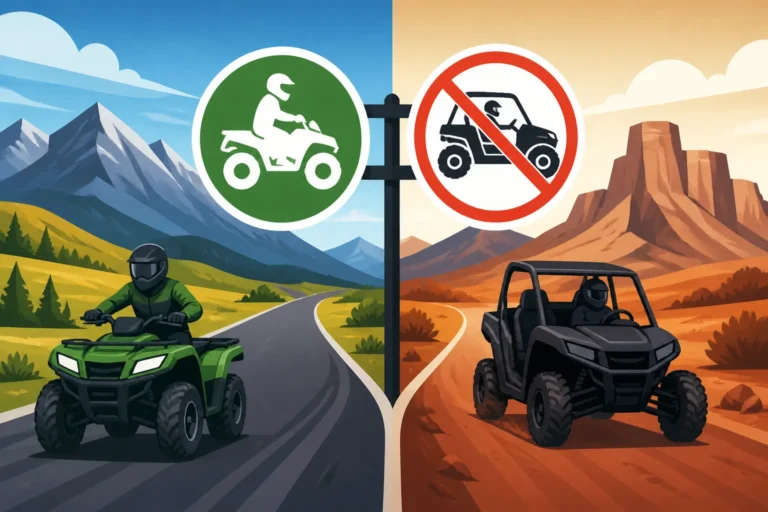
For purely off-road riding on trails where no public roads are involved, typically you don't need a standard driver's license to operate an ORV (Off-Road Vehicle) if you're on designated routes. However, the moment your machine touches an enrolled public road, things change dramatically. Wyoming has a specific category for machines that can be made "street-legal": the Multipurpose Vehicle, or MPV. If your side-by-side or ATV meets certain criteria – such as weight, seat height, and having specific street-legal equipment like headlights, taillights, mirrors, and a horn – you can apply to make it street-legal. When you're operating one of these MPVs on an enrolled public road, a valid driver's license becomes absolutely essential. This isn't just for safety; it's about acknowledging that you're sharing the road with other vehicles and need to demonstrate the same level of driving competence. Children, even on youth models, generally have strict rules about public road access. Understanding this distinction is key for riders who want to take advantage of Wyoming's expanded road access. You can dive deeper into this process with [Wyoming's MPV Path to the Road] and get details on age requirements by reading [Wyoming Minimum Age to Ride a Road].
The "M" or "MR" Endorsement for MPVs
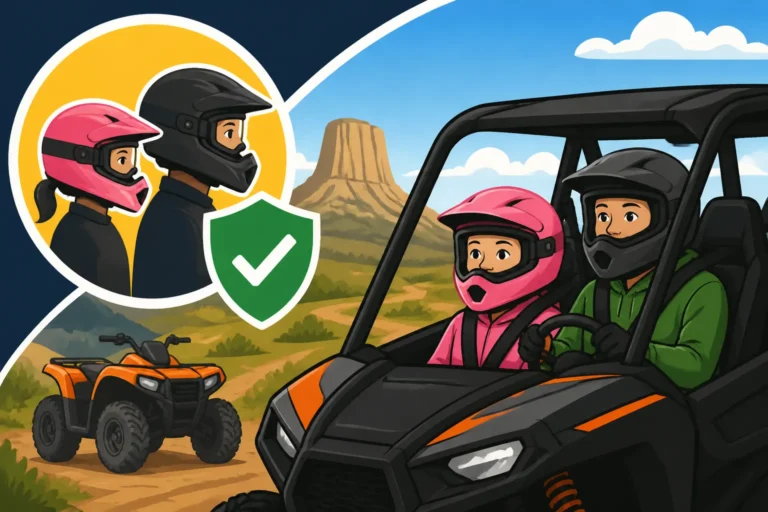
Simply having a regular driver's license isn't always enough to legally pilot your street-legal MPV on Wyoming's roads. Depending on the type of machine you're operating, you might need a special endorsement added to your license. For many traditional motorcycles and certain MPVs, the "M" (Motorcycle) endorsement is required. However, Wyoming also offers an "MR" (Multipurpose Vehicle) endorsement, which is specifically designed for those street-legal side-by-sides and ATVs that meet the MPV definition but don't quite fit the traditional motorcycle mold. This distinction is crucial because operating an MPV on an enrolled road without the proper endorsement, even if you have a base driver's license, is akin to driving a car with only a motorcycle endorsement – it’s a violation. The specific requirements for these endorsements ensure that you've demonstrated at least a basic understanding of safe operation for that class of vehicle on public roadways. It's an extra step, yes, but it ensures you're prepared for the different demands of road riding. For detailed information on this, check out [Wyoming Motorcycle Endorsement for an MPV]. Equipping your UTV or ATV with necessary road-legal accessories like mirrors, turn signals, and a horn from a reputable source like SuperATV can help ensure your machine qualifies for MPV status and meets the endorsement requirements.
Proof of Insurance and Registration for MPVs
Beyond your permit decal for the trails and your driver's license for the roads, there's another crucial layer of documentation you absolutely need if your off-road machine is going to be driven on Wyoming's public roadways: proof of insurance and proper registration (meaning a title and license plate). This is where the world of purely off-road vehicles diverges significantly from street-legal ones, and misunderstanding these requirements can lead to big headaches.
Mandatory Insurance for Street-Legal Machines
Just like your car or truck, if your Multipurpose Vehicle (MPV) is going to be cruising down an enrolled county road or crossing a state highway, it needs to be insured. This isn't just a suggestion; it's a legal requirement. Unlike a trail-only ORV that generally doesn't require state-mandated liability insurance (though personal injury and property damage coverage are always a good idea!), an MPV on the road is subject to the same insurance laws as any other motor vehicle. This liability insurance protects you and others in case of an accident. Imagine a fender bender with another vehicle, or worse, an injury to a pedestrian; without insurance, you could be facing substantial financial ruin. It’s not just about having a policy; it’s about having proof of that policy readily available whenever you’re riding on the road. A physical insurance card or verifiable digital proof on your phone should always be with you. This is one area where "I forgot it at home" simply won't cut it with law enforcement. Make sure you understand [Wyoming ATV Insurance Requirement] and keep your [Carrying an Insurance Card in Wyoming] current.
Titling and Plating Your MPV
This is another significant difference between an ORV and an MPV in Wyoming. Most purely off-road vehicles (ORVs) don't require a title in Wyoming; they simply get that annual permit decal. However, if you're going to transform your side-by-side or ATV into a street-legal MPV, a title becomes a necessity. This title, issued through the County Clerk's office, legally establishes your ownership of the machine as a road-worthy vehicle. Once titled, you'll then need to visit the County Treasurer to get a license plate. That's right, a full-sized, standard license plate that needs to be displayed on the rear of your MPV, just like a car. This plate, along with the title, signifies that your machine is properly registered for road use and has met all the state's requirements. This two-step process—first title, then plate—is critical. Without both, your MPV isn't truly street-legal, regardless of how many mirrors or turn signals you've added. If you're looking to upgrade your machine with high-quality street-legal components, check out options from SuperATV to ensure you meet all the equipment requirements before heading to the county offices. For detailed steps on titling, see [Wyoming MPV Title Requirements] and for plating, refer to [Wyoming MPV Plate Requirements]. The distinction between the two county offices is important: [Wyoming County Clerk Title Process] and [Wyoming County Treasurer Plate Process].
What a Warden Checks & Consequences of Non-Compliance
It’s easy to get caught up in the thrill of the ride, but forgetting your paperwork can quickly turn a fantastic day into a frustrating and expensive one. Understanding what a warden or ranger is looking for, and the potential repercussions of not having your ducks in a row, is vital for any rider in Wyoming. Nobody wants to face a citation, especially when it could have been easily avoided.
Common Checkpoints and What to Expect
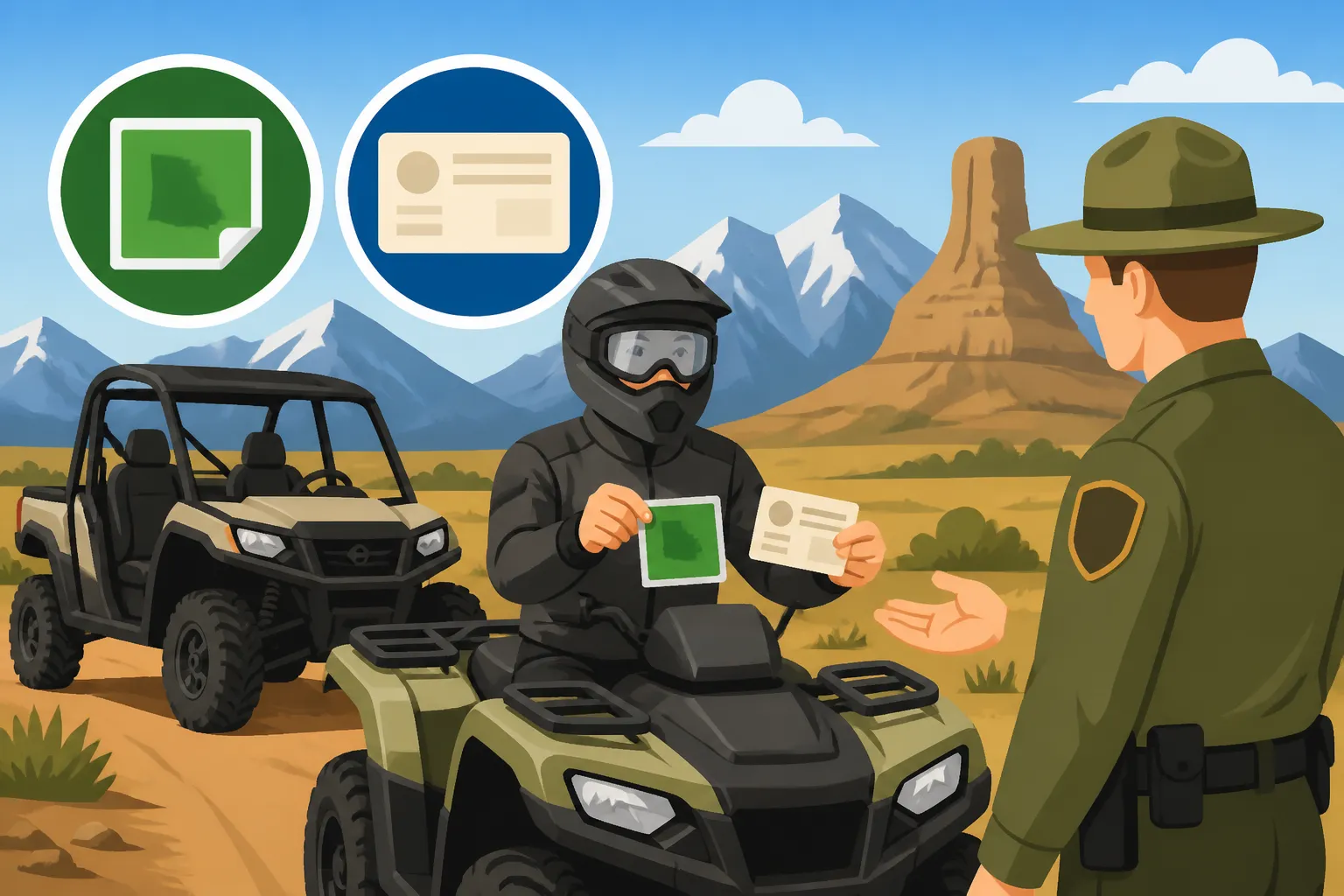
Picture this: you're just pulling into a popular trailhead parking lot, or perhaps cruising along an enrolled county road, and you see a game warden or a Forest Service ranger. It's not uncommon for them to set up checkpoints or simply pull over riders they observe. Their primary goal is to ensure public safety, protect natural resources, and confirm compliance with state laws. So, what will they ask for? Typically, they'll want to see your [Wyoming's Annual ORV Permit] decal prominently displayed on your machine. For those riding on enrolled roads, they'll also ask for your driver's license (with the correct endorsement if you're on an MPV) and proof of insurance for that machine. They might also do a quick visual check for required equipment like spark arresters, a working horn if you're on the road, or proper lighting. If you're on a multi-day trip, it's wise to carry digital copies on your phone and physical copies of all documents in a waterproof bag, just in case. They're not trying to ruin your day, but they are enforcing the rules that keep the trails and roads open and safe for everyone.
Penalties for Missing Documentation
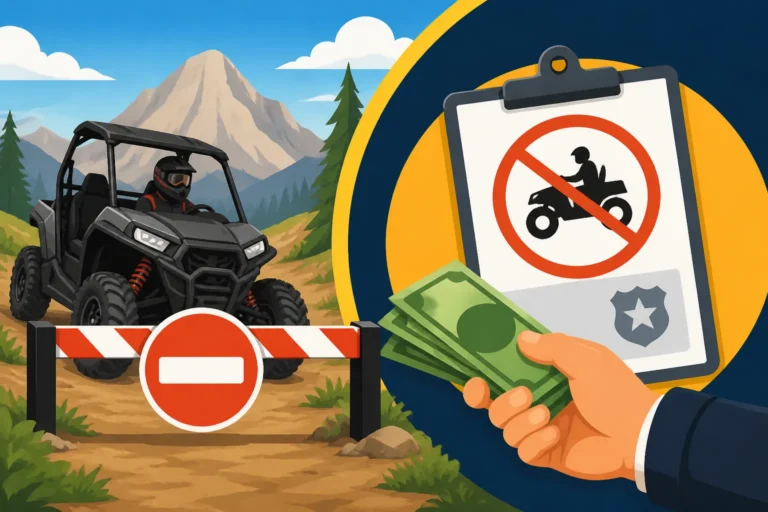
The consequences of not having the right documentation can range from a warning to a hefty fine, and in some cases, even more serious penalties. If you're caught riding on public land without a current Wyoming ORV permit decal, you'll likely face a citation. These fines can add up, making that forgotten decal a costly oversight. Imagine getting a ticket when you could have bought the permit for a fraction of the cost. For those operating an MPV on an enrolled road, missing a valid driver's license, the correct "M" or "MR" endorsement, or proof of insurance can lead to even steeper fines, points on your driving record, and potentially even your machine being impounded. These aren't just minor inconveniences; they can significantly impact your wallet and your future riding privileges. The state takes these regulations seriously because they relate directly to safety, liability, and the funding that maintains the very trails you love. Ensuring your machine is equipped with all necessary street-legal components from a trusted brand like SuperATV and that you have all your paperwork in order is truly the best way to enjoy the vast and beautiful riding opportunities Wyoming offers without any unwelcome surprises. For an idea of what fines you might be looking at, a good resource is [Wyoming Fines for Riding Without a Permit].
Here's a quick summary of what you'll typically need:
| Scenario | Required Documentation | What It Proves | Where to Get It |
|---|---|---|---|
| Riding Trails (ORV) | Wyoming ORV Permit Decal | Legal access to designated ORV trails & public land | State parks, selling agents, online |
| Riding Enrolled Roads (MPV) | Wyoming ORV Permit Decal | Legal access to designated ORV trails | State parks, selling agents, online |
| Valid Driver's License (with M or MR endorsement) | Competence to operate a motor vehicle on public roads | Wyoming DMV (Driver Services Program) | |
| Proof of Vehicle Insurance | Financial responsibility in case of accident | Your insurance provider | |
| MPV Title | Legal ownership of a street-legal vehicle | County Clerk's office | |
| MPV License Plate & Registration | Legal registration for road use | County Treasurer's office |
Disclaimer
This article is for general informational purposes only and does not constitute professional advice. Laws, prices and regulations vary by location and change over time. Consult a qualified professional for guidance on your specific situation.