Wyoming ORV Permit for a Snow Machine
One of the most common questions I hear, especially as the snow starts to fly and riders get eager for winter adventures, is about snow machines. There's a lot of confusion out there, with folks wondering if their snowmobile falls under the same "ORV" rules as an ATV or UTV. Many assume that because snowmobiles are so specialized, they might have a completely different permitting system, or perhaps none at all if they're coming from out of state. It's a valid point of confusion, but thankfully, the answer is pretty straightforward. This guide will cut through the noise and clarify exactly what Wyoming requires for your snow machine to hit the trails legally and responsibly.
The Core Question: Does My Snow Machine Need an ORV Permit in Wyoming?
Let's get right to it because this is where a lot of riders get tripped up. The short answer is a resounding "yes." If you plan to ride your snow machine on any public lands or designated trails in Wyoming, you absolutely need a Wyoming ORV permit, even though it's a snowmobile and not a wheeled vehicle in the traditional sense of an ATV or UTV. The state's definition of an Off-Road Recreational Vehicle is broad enough to include these amazing winter machines.
Distinguishing Snowmobiles from Other ORVs
It's easy to think of an "ORV" as something with four wheels, maybe two for a dirt bike, but snowmobiles are often seen as their own distinct category. And in many ways, they are! They have unique operational characteristics, require specific groomed trails, and their season is entirely different from the summer riding crowd. However, when it comes to the permit system in Wyoming, snowmobiles are very much included. The state lumps them under the umbrella of machines that use the public land trail system, and thus, contribute to its upkeep through the permit fee.
This often surprises people, especially those visiting from states that might have entirely separate registration systems for snowmobiles. I've had many conversations with riders from Montana or Colorado who show me their home-state registration, assuming it'll be fine. Unfortunately, that's not the case here. Wyoming maintains its own, distinct permit system for all off-road recreational vehicles, which includes snowmobiles, and does not offer reciprocity with other states' registrations. This means that even if your snow machine is perfectly legal and registered in your home state, you'll still need that Wyoming decal to legally enjoy our incredible winter trails.
Why Snowmobiles Need a Permit for Public Trails
The reason behind this requirement is quite simple and incredibly important: funding. Those beautiful, freshly groomed snowmobile trails, the clear signage, the warming shelters that offer a much-needed break from the cold, and all the ongoing maintenance work—it all costs money. Your permit fee directly contributes to the [Where Wyoming ORV Permit Money Goes], supporting the infrastructure that makes our snowmobiling experiences so fantastic.
Think about the effort involved in maintaining miles of snowmobile trails across vast, often remote, winter landscapes. It's a huge undertaking! Grooming equipment is expensive to purchase, operate, and maintain. Staff are needed to clear fallen trees, repair bridges, and ensure trails are safely marked. When you purchase a Wyoming ORV permit for your snow machine, you're not just buying a sticker; you're investing in the very trails you love to ride. It's a collective effort to keep Wyoming's winter playgrounds open and pristine for everyone, and this permit system is the engine that drives it. If you have questions about specific trail projects, you can always reach out to the [Wyoming Trails Program Contact] for more information.
What Kind of Permit Does a Snow Machine Need?
Now that we know a permit is essential, let's talk about what kind. There isn't a special "snowmobile permit" that looks different from an ATV or UTV decal. Wyoming keeps it simple.
The Same Annual ORV Decal
When you go to get your permit for your snow machine, you'll be asking for the same [Wyoming's Annual ORV Permit] that a quad or side-by-side owner would get. It's a distinctive decal that you affix to your machine, proving you've paid your dues for the year. This consistency makes it easier for riders and enforcement alike, as there's no need to decipher different types of stickers for different types of machines.
It's crucial to remember that this is a [Wyoming's Calendar-Year Permit]. This means it's valid from January 1st through December 31st of the year it's issued, regardless of when you actually purchase it. So, if you're like many eager riders and buy your permit in November for the upcoming snow season, that permit will only be valid for a couple of months of the current year before you need to renew for the next. It’s a good idea to factor this into your plans, especially if you’re riding late in one year and early in the next. Many riders simply wait until January to purchase their new permit for the full year of riding.
Where to Buy a Wyoming Snow Machine Permit
Getting your snow machine permit is actually pretty convenient, with several options available depending on what works best for you. You don't have to go far out of your way, which is a huge relief when you're just itching to get on the snow. The state has set up a system that provides multiple avenues for purchase.
Many riders find it easiest to buy their permit online through the Wyoming State Parks, Historic Sites, and Trails website. This allows you to purchase from the comfort of your home, and the decal will be mailed to you. Be aware that there can be a bit of a [How Long a Decal Ordered Online Takes to Arrive], so plan ahead if you're taking this route. Alternatively, you can often pick one up at a local powersports dealer – these businesses are usually familiar with the permit requirements and can process your request quickly. You can also find them at county government offices, often at the treasurer's counter, or even at some Forest Service or BLM offices, especially those located near popular riding areas. Knowing [Where Wyoming Sells ORV Permits] can save you a lot of time and hassle. Whether you prefer the ease of [Buying a Wyoming Permit Online] or stopping by a local shop, you have choices.
Important Considerations for Snow Machine Riders
Beyond just getting the permit, there are a few other critical things snow machine riders should keep in mind to ensure a smooth and legal experience on Wyoming's trails. These details can often make the difference between an enjoyable day and an unexpected interaction with a warden.
Placement of Your Decal
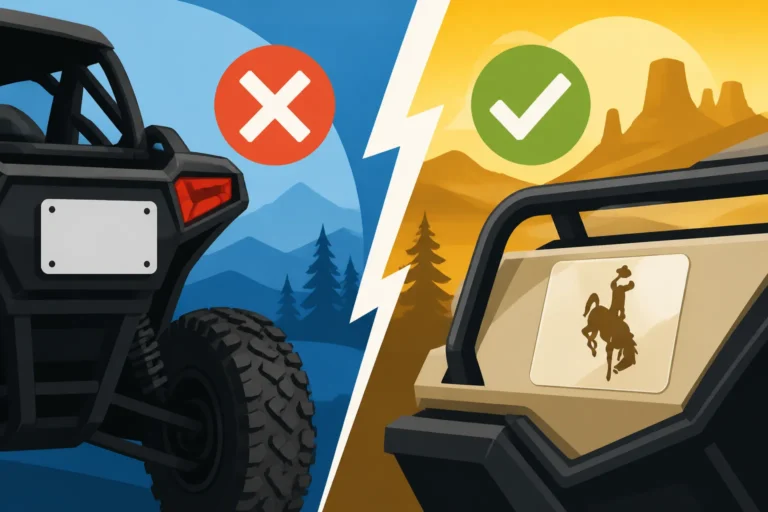
Once you have that shiny new decal in hand, knowing [Where the Wyoming Decal Goes on a Machine] is paramount. The permit needs to be clearly visible on the left side of your snow machine, towards the front. It shouldn't be obscured by anything – no snow, no mud, no aftermarket accessories. The idea is that a warden should be able to easily spot it without having to get too close or ask you to move your machine around. Proper placement ensures that your compliance is obvious.
This can be a bit tricky with snow machines, given their often curved surfaces and the nature of winter riding. Trying to get a sticker to adhere perfectly in cold weather can be frustrating, so I always recommend applying it in a warm garage if possible, letting it set, and then making sure the surface is clean and dry beforehand. If, despite your best efforts, your decal gets damaged, peels off due to sun and sand (or more likely, snow and ice in this case), or becomes unreadable, you'll need to get a replacement. Don't risk riding without a clearly visible, valid decal; wardens are out there checking. If you find yourself in this situation, there's a process for [Replacing a Lost Wyoming Decal], so you can get back on the trails quickly.
No Reciprocity with Other States
This is a point I can't stress enough, especially for our visitors who come from all over to experience Wyoming's legendary snow. Wyoming does not honor off-road registrations or permits from any other state. Period. This can be a real shock for riders who assume their valid out-of-state sticker will suffice, only to find themselves facing a citation. If you're coming from just over the border, say from Montana, you still need a Wyoming permit. The question [Does Wyoming Honor a Montana Registration?] is met with a firm "no" here. The same goes for our neighbors to the south; if you're from Colorado, your state's permit doesn't carry weight on Wyoming trails, answering the question [Does Wyoming Honor a Colorado Permit?] in the negative.
It's a flat fee for everyone, residents and non-residents alike, and it's a critical component of how our trail system is maintained. [Why Wyoming Charges Everyone the Same] is because everyone benefits equally from the groomed trails, maintained access points, and emergency services that these fees support. This means that if you're hauling your rig across state lines for a weekend of powder riding, factor in a stop to pick up a Wyoming ORV permit before you hit the trailhead. It's a small investment for legal access to some of the most incredible snowmobiling terrain in the country.
Age and Safety Requirements for Snowmobile Riders
While the ORV permit focuses on the machine itself, it’s also important to briefly consider the rider. Wyoming has general rules for operating off-road vehicles on public land, and these broadly apply to snow machines as well. Typically, you need to be at least 10 years old to operate an ORV on enrolled trails, and riders under 16 must be under the direct supervision of an adult at least 18 years old. For detailed information on specific age limits, it's always best to consult the current regulations regarding [Wyoming Minimum Age to Ride Public Land].
When it comes to safety training, Wyoming does not currently mandate an ATV or snowmobile safety course to ride on public lands. So, if you're asking [Is an ATV Safety Course Required in Wyoming?], the answer is no, not legally required. However, I can't recommend strongly enough that all riders, especially newer ones or those taking children along, consider taking a certified safety course. These courses teach invaluable skills, hazard awareness, and responsible riding practices that can prevent accidents and ensure everyone has a safer and more enjoyable time on the trails. Investing in a course is an investment in your safety and the safety of those you ride with. While not legally required, having basic safety documents or waivers prepared through a service like LawDepot might be helpful for personal liability if you're lending out a machine or organizing a group ride, even if just for informal peace of mind.
Understanding Why This Permit is Essential
It's easy to view permits as just another fee, another hurdle to jump. But with Wyoming's ORV permit, especially for snow machines, it's a direct contribution to an incredible resource. Understanding the 'why' behind the permit can shift your perspective from a burden to an investment in your passion.
Direct Benefits for Snowmobile Trails
Let's talk about the tangible impact of your permit dollars. For snowmobilers, these funds are absolutely crucial. They go directly towards the upkeep and enhancement of the very trails you love to ride. Imagine hitting a trail that's covered in moguls and hasn't seen a groomer all season – not much fun, right? Your permit helps pay for the fuel, maintenance, and operators of those massive snow groomers that transform rough terrain into smooth, rideable pathways. This is [Trail Work Funded Where You Ride] in action.
Beyond grooming, these funds also cover the cost of maintaining trail markers and signs, ensuring you stay on track and safe, especially in unfamiliar territory or challenging weather conditions. Many areas also have warming shelters, essential havens during frigid winter rides, and permit fees contribute to their maintenance and stocking. It truly creates a self-sustaining system where the riders are directly supporting the quality of their own experience. This direct link between your permit fee and the incredible quality of Wyoming's snowmobile trails makes it a worthwhile investment for any winter enthusiast.
Avoiding Fines and Trail Closures
Riding without a valid Wyoming ORV permit is not just ignoring a suggestion; it's breaking the law, and there are real consequences. Wardens and land management officers patrol popular trailheads and riding areas, especially during peak season, and they will check for valid permits. Getting caught without one will likely result in a fine, which can quickly erase any perceived savings from not buying the decal. You can face significant [Wyoming Fines for Riding Without a Permit], which far outweigh the cost of the permit itself.
More broadly, consistent compliance with the permit system ensures the long-term viability of our trail access. If the Trails Program doesn't receive adequate funding from permit sales, they simply can't maintain the trails to the standards we've come to expect. This could lead to sections of trails being closed, less frequent grooming, or even entire riding areas becoming inaccessible due to lack of resources. So, beyond the personal financial penalty, riding without a permit undermines the collective effort to keep our winter playgrounds open and in top shape for everyone. It's about respecting the system that provides us with these amazing opportunities.
Permit Benefits for Snowmobilers
Here's a quick overview of how your Wyoming ORV permit directly benefits your snowmobiling experience:
| Feature/Benefit | Description | Direct Impact on Snowmobiling |
|---|---|---|
| Trail Grooming | Funds the operation and maintenance of snow grooming equipment. | Smooth, enjoyable trails free from moguls and bumps, enhancing ride comfort and safety. |
| Signage & Maps | Pays for the creation, installation, and upkeep of trail signs, markers, and current maps. | Clear navigation, reduced risk of getting lost, identification of trailheads, junctions, and hazards. |
| Warming Shelters | Contributes to the maintenance, stocking (wood, etc.), and repair of essential trailside warming shelters. | Safe and comfortable places to take a break from the cold, warm up, and regroup during long rides. |
| Bridge & Culvert Repair | Covers costs associated with repairing and maintaining essential trail infrastructure like bridges over creeks and culverts. | Ensures safe crossings over natural obstacles, preventing closures and allowing continuous trail access. |
| Environmental Protection | Supports efforts to mitigate environmental impact, maintain wildlife habitats, and manage trail erosion. | Sustains the natural beauty and ecological health of the areas you ride, ensuring trails are available for future generations. |
| Emergency Services Support | Partially funds programs that assist with search and rescue operations or trailside assistance in remote areas. | Provides a safety net, knowing that resources are available in case of an emergency while out on the trails. |
| Administrative & Planning | Covers the overhead costs of managing the Trails Program, including planning new trails, engaging with land managers, and public outreach. | Ensures a well-organized and expanding trail system, offering more diverse riding opportunities and addressing rider needs. |
This article is for general informational purposes only and does not constitute professional advice. Laws, prices and regulations vary by location and change over time. Consult a qualified professional for guidance on your specific situation.