Wyoming ATV VIN Check Before Buying
Buying a used ATV or UTV in Wyoming can be incredibly exciting, opening up a world of adventure on our incredible trails and open lands. But let's be real: that thrill can quickly turn into a headache if you accidentally buy a machine with a shady past. This guide is here to walk you through the essential steps of performing a Wyoming ATV VIN check before you hand over your hard-earned cash, helping you ensure your new-to-you machine is legitimate and ready for the trails.
Why a VIN Check is Your First Line of Defense
When you're eyeing that perfect side-by-side or quad, it's easy to get caught up in the excitement. You see a great price, a shiny paint job, and imagine all the places you'll explore. But underneath that appealing exterior, there could be hidden problems that a simple visual inspection won't reveal. A VIN check is your absolute best tool for uncovering these issues before they become your problems.
The Hidden Dangers of an Unchecked Machine
Picture this: you find what seems like an incredible deal on a used ATV. The seller is eager, the price is right, and you don't want to miss out. You buy it, bring it home, and start planning your first ride. Then, a few weeks later, a sheriff's deputy shows up at your door, informing you that the machine you just bought was reported stolen. Suddenly, you've lost the ATV, potentially your money, and you're caught up in a legal mess, all because you didn't do a thorough check. This isn't just a hypothetical nightmare; it happens.
Beyond theft, you could inadvertently purchase a machine that has an outstanding lien on it. This means the previous owner still owes money on it, and if that debt isn't settled, the lender could legally repossess your machine, even though you paid for it fair and square. Or, you might buy a machine that has been salvaged, flood-damaged, or involved in a major accident, with critical issues hidden beneath cosmetic repairs. Without a VIN check, you're buying a pig in a poke, taking on all these potential liabilities yourself.
What Exactly is a Vehicle Identification Number VIN
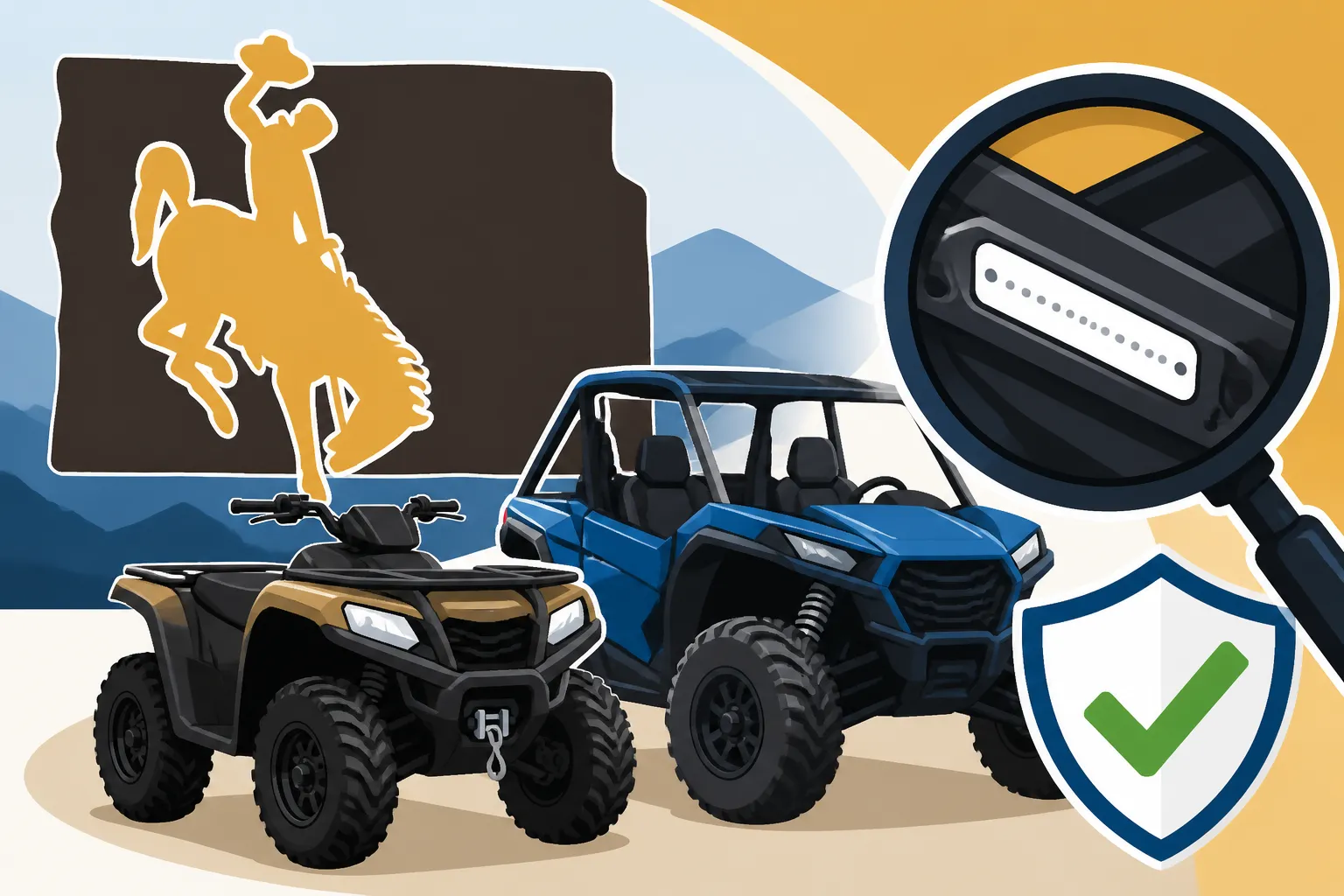
Think of a Vehicle Identification Number, or VIN, as your machine's unique fingerprint. It's a 17-digit code of numbers and letters, standardized across the industry, that tells a detailed story about the specific vehicle it identifies. This unique identifier is permanently stamped onto the frame of your ATV or UTV. While you don't need to be an expert in decoding every single digit, generally, the VIN contains information about the manufacturer, the machine's make and model, the year it was produced, and its unique sequential production number.
Finding the VIN is usually pretty straightforward. On most ATVs and UTVs, you'll find it stamped directly onto the frame, often on the front right side, near the handlebars or footwell. Sometimes it's under the seat, or even in a less obvious spot like near the engine mounts. Always physically locate the VIN on the machine itself and make sure it matches any paperwork the seller provides. A quick glance might not be enough; you need to look closely for any signs of tampering.
Wyoming's Stance on Off-Road Vehicle Titles
Here's where things can get a little tricky in Wyoming, and why a VIN check becomes even more critical for off-road vehicles. Unlike cars and trucks, most off-road vehicles (ORVs) like ATVs and dirt bikes in Wyoming are not required to have a title. This can be a real head-scratcher for folks coming from other states where titles are standard for all vehicles. Without a formal title transferring ownership, the paper trail can be thinner, making it easier for unscrupulous sellers to offload problematic machines. For more details on this, you might find our article [Why Most Wyoming Off-Road Machines Have No Title] really helpful.
However, there's a significant exception: if an ATV or UTV meets certain criteria to be registered as a Multipurpose Vehicle (MPV) and becomes street-legal, then it does require a title. This usually applies to side-by-sides that weigh between 300 and 3,000 pounds, have a seat height of at least 24 inches, and are outfitted with road-legal equipment. So, if you're looking at a side-by-side that the seller claims is street-legal, it absolutely should have a title. Understanding [When a Title Suddenly Matters] is key here, as it changes the dynamic of your purchase paperwork. For most recreational ATVs and dirt bikes though, you'll be relying primarily on a solid bill of sale and your thorough VIN check.
How to Perform a Thorough VIN Check in Wyoming
Alright, so you understand why a VIN check is so important. Now, let's talk about the how. This isn't just about punching numbers into a website; it's a multi-step process that combines physical inspection with digital detective work. Taking your time here can save you a mountain of stress and money down the road.
Verifying the VIN on the Machine Itself
Before you even think about looking up numbers online, you need to get up close and personal with the machine itself. Your first crucial step is to physically locate the VIN on the ATV or UTV. Once you've found it, compare it character for character with any paperwork the seller has provided, whether that's an old registration, a bill of sale from when they bought it, or a service record. They should match perfectly. If there's any discrepancy, even a single digit, that's a massive red flag.
Beyond just matching numbers, you need to inspect the VIN plate or stamped area for signs of tampering. Look for grinding marks, welds that don't look original, unevenly stamped numbers, or any evidence that the plate might have been removed and reattached. Sometimes, criminals try to alter VINs to hide a machine's true identity. If the VIN looks like it has been messed with in any way, walk away immediately. A tampered VIN almost certainly means the machine is stolen or has a very questionable history. Don't let a "too good to be true" price blind you to these critical physical clues.
Running the VIN Through Databases
Once you've verified the physical VIN, it's time to put that number to work online. There are several services and databases available that can provide valuable history reports on a vehicle based on its VIN. While Wyoming doesn't title most ORVs, these national databases still pull information from various sources, including insurance claims, law enforcement reports, and sometimes even manufacturer data.
Here’s what these reports can typically reveal:
- Theft Records: This is perhaps the most critical piece of information. The National Insurance Crime Bureau (NICB) offers a free VINCheck service where you can quickly see if a vehicle has been reported stolen or as a salvage vehicle by participating insurance companies. It's a great starting point.
- Salvage History: A salvage title indicates the machine was deemed a total loss by an insurance company due to accident, flood, fire, or other damage. While it might be repaired, it often means significant underlying issues.
- Accident History: Some reports might detail past accidents or major repairs, giving you insight into potential structural damage or ongoing mechanical problems.
- Lien Information: While less common for untitled ORVs, some databases might show if a financial institution has an active lien on the vehicle. This is particularly important for MPVs that may have been titled.
Many private vehicle history report services exist (a quick online search will show you many options). These services often charge a fee, but the peace of mind they offer is usually well worth the cost. Remember, the goal is to gather as much information as possible to make an informed decision.
Checking for Liens and Encumbrances
Even for machines without a formal title in Wyoming, the issue of liens can still arise, especially if the machine was purchased with financing. A lien means that a lender (like a bank or credit union) has a legal claim to the machine until the debt is fully paid. If you buy a machine with an active lien, that debt effectively transfers to you, and the lender could repossess the machine if the previous owner stops making payments.
To check for liens, particularly if the seller mentions financing or you have any doubts, you might need to contact the Wyoming Department of Transportation (WYDOT) or county clerk's office directly, as they handle vehicle records. Explain that you're looking to purchase an ORV and need to verify if there are any outstanding liens against the VIN. It's also perfectly reasonable to ask the seller for proof that any previous financing has been fully paid off, such as a lien release document from the bank. If a seller is unwilling to provide this, or if you discover an active lien, it’s a major red flag that warrants extreme caution or walking away from the deal entirely. You don't want to inherit someone else's debt.
What to Do with Your VIN Check Results
Once you've gone through the process of physically verifying the VIN and running it through databases, you'll have a much clearer picture of the machine's history. The results of your VIN check will guide your next steps, whether it's moving forward with confidence or knowing when to cut ties with a problematic deal.
When the VIN Check Gives a Green Light
If your VIN check comes back clean – no theft records, no liens, no suspicious damage history – then congratulations! You've successfully navigated a major hurdle in buying a used ATV or UTV. This "green light" gives you significant confidence that you're not purchasing a stolen machine or inheriting someone else's financial or legal problems.
With a clear VIN check, you can proceed with the purchase with greater peace of mind. Your next crucial step will be to create a comprehensive bill of sale. Even though most ORVs in Wyoming don't have titles, a detailed bill of sale is your primary proof of ownership. It should include the full VIN, the buyer's and seller's full names and contact information, the purchase price, the date of sale, and signatures from both parties. Having a well-drafted document is incredibly important for any future needs, like registering your machine for use on designated trails. Resources like LawDepot can be really handy here, offering customizable bill of sale templates that ensure you capture all the necessary details and protect your interests. After the purchase, you'll want to get your machine registered with the state, which you can learn more about in our guide on [Registering an ORV in Wyoming].
Navigating Red Flags and Red Lights
Unfortunately, not every VIN check comes back clean. If you uncover red flags – such as a reported theft, an active lien, or significant undisclosed damage history – it's crucial to know how to react appropriately.
- If the machine is reported stolen: This is a definitive "red light." Do not proceed with the purchase. More importantly, do not confront the seller directly. Your safest course of action is to immediately contact local law enforcement and provide them with all the details you have, including the seller's contact information and the machine's location. Trying to handle it yourself could put you in a dangerous situation.
- If an active lien is discovered: This is also a major "red light." Demand that the seller provide official documentation proving the lien has been paid off and released before you finalize any purchase. If they cannot or will not, you must walk away. It's simply not worth the risk of buying a machine that could be repossessed.
- If major damage history is revealed: This might be a "yellow light." It doesn't necessarily mean you can't buy the machine, but it should prompt further investigation. Get a professional mechanic to inspect the machine thoroughly, specifically looking at the areas indicated in the report. Use this information to negotiate the price or, if the damage is too severe or costly to repair, decide if it's still the right machine for you.
Remember, a "too good to be true" price often comes with a hidden catch. Trust your instincts, and don't let the desire for a deal push you into a bad situation.
The Importance of a Clear Bill of Sale
We've touched on this a few times, but it bears repeating: for most ATVs and UTVs in Wyoming, because they aren't titled, a meticulously prepared bill of sale is your absolute cornerstone of ownership. It's not just a formality; it's your legal proof that you purchased the machine from the named seller on a specific date for an agreed-upon price. This document is what you'll use to prove ownership for registration, insurance, or if you ever need to sell the machine yourself.
A good bill of sale should contain:
- The full 17-digit VIN of the ATV or UTV.
- The make, model, and year of the machine.
- The full legal names, addresses, and contact information for both the buyer and the seller.
- The date of the sale.
- The agreed-upon purchase price.
- A clause stating that the machine is sold "as-is," which is standard for private sales, but also that the seller affirms they have the legal right to sell the machine and that it is free of undisclosed liens or encumbrances.
- Signatures from both the buyer and the seller, ideally in front of a notary public if possible, although not always required for ORV sales.
Don't settle for a hastily scrawled note on a napkin. Take the time to create a professional document. As mentioned, online legal document services like LawDepot can provide excellent templates for a Wyoming ATV bill of sale, ensuring all the necessary legal language is included. This protects both parties and gives you solid proof of ownership. You can find more specific details in our guide, [Wyoming ATV Bill of Sale Requirements].
Beyond the VIN: Other Smart Buying Practices
While a VIN check is paramount, it's just one piece of the puzzle when buying a used ATV or UTV. To truly protect yourself and ensure you're getting a good machine, you need to combine your VIN research with other smart buying strategies. Think of it as a comprehensive approach to a significant investment.
Test Ride and Mechanical Inspection
Never, ever buy a machine without taking it for a proper test ride. A shiny exterior can hide a multitude of mechanical sins. When you test ride, pay close attention to:
- Engine Performance: Does it start easily? Does it idle smoothly? Are there any strange noises, smoke, or leaks?
- Brakes: Do they engage smoothly and stop the machine effectively? Check both front and rear.
- Steering: Does it feel loose or excessively stiff? Does the machine track straight?
- Suspension: Does it feel bouncy, or does it absorb bumps well? Listen for creaks or clunks.
- Drivetrain: If it's a 4×4, test all drive modes. Does it shift smoothly?
If you're not mechanically inclined, or if the machine is a significant investment, seriously consider having a qualified ATV/UTV mechanic perform a pre-purchase inspection. They can spot issues that you might miss, like worn bearings, bent frames, or engine problems. This small investment can save you thousands in repairs later on. Imagine finding a "great deal" only to discover after purchase that the transmission is failing – a professional inspection could have revealed that upfront. For further considerations before you commit, check out [Checks Before You Buy a Used Wyoming Quad].
Verifying Seller Identity
It might sound obvious, but always verify the identity of the person selling the ATV or UTV. This means asking for a driver's license or other valid photo ID and ensuring the name matches the one on the bill of sale and any other ownership documents. Be wary of sellers who are vague about their identity, unwilling to meet at a public place during daylight hours, or claim they are selling the machine "for a friend" without proper documentation from the actual owner.
If someone is selling on behalf of another, they should have a notarized power of attorney or a letter from the owner explicitly authorizing them to sell. This helps prevent buying a machine from someone who doesn't actually have the legal right to sell it. Trust your gut; if something feels off about the seller or their story, it probably is.
Don't Rush and Trust Your Gut
Buying a used ATV or UTV should not be a rushed decision. Never let a seller pressure you into making an immediate purchase. There will always be another machine, another deal. Take your time to do all your checks, perform a thorough inspection, and think it over. If a seller is being pushy or evasive when you ask questions, consider it a warning sign.
Finally, always trust your gut feeling. If something about the deal, the seller, or the machine just doesn't feel right, even if you can't pinpoint an exact reason, it's perfectly okay to walk away. Your intuition is a powerful tool. Combining a thorough VIN check, a mechanical inspection, seller verification, and a clear head will significantly increase your chances of a successful and satisfying purchase for your Wyoming adventures. Services like LawDepot allow you to draft important documents like a bill of sale at your own pace, ensuring you don't feel rushed into a handshake deal without proper protection.
Here's a quick table summarizing the benefits of a VIN check versus the risks of skipping it:
| Feature | Benefits of a VIN Check | Risks of Skipping a VIN Check |
|---|---|---|
| Theft Prevention | Avoid inadvertently buying a stolen machine. | Risk of purchasing stolen property, loss of machine, legal issues. |
| Lien Discovery | Identify outstanding debts, prevent assuming financial liability. | Inheriting debt, potential repossession of your machine. |
| History & Damage | Uncover prior accidents, salvage titles, flood damage. | Buying a machine with undisclosed major issues, costly repairs. |
| Verification | Confirm machine's identity matches paperwork. | Difficulty proving ownership, potential issues with registration. |
| Peace of Mind | Confidence in your purchase, reduced stress. | Constant worry about hidden problems, buyer's remorse. |
| Resale Value | Ensures a clean history, easier to sell later. | Difficult to resell without clear history, lower value. |
Disclaimer
This article is for general informational purposes only and does not constitute professional advice. Laws, prices and regulations vary by location and change over time. Consult a qualified professional for guidance on your specific situation.