What a Wyoming Citation for an Expired Decal Costs
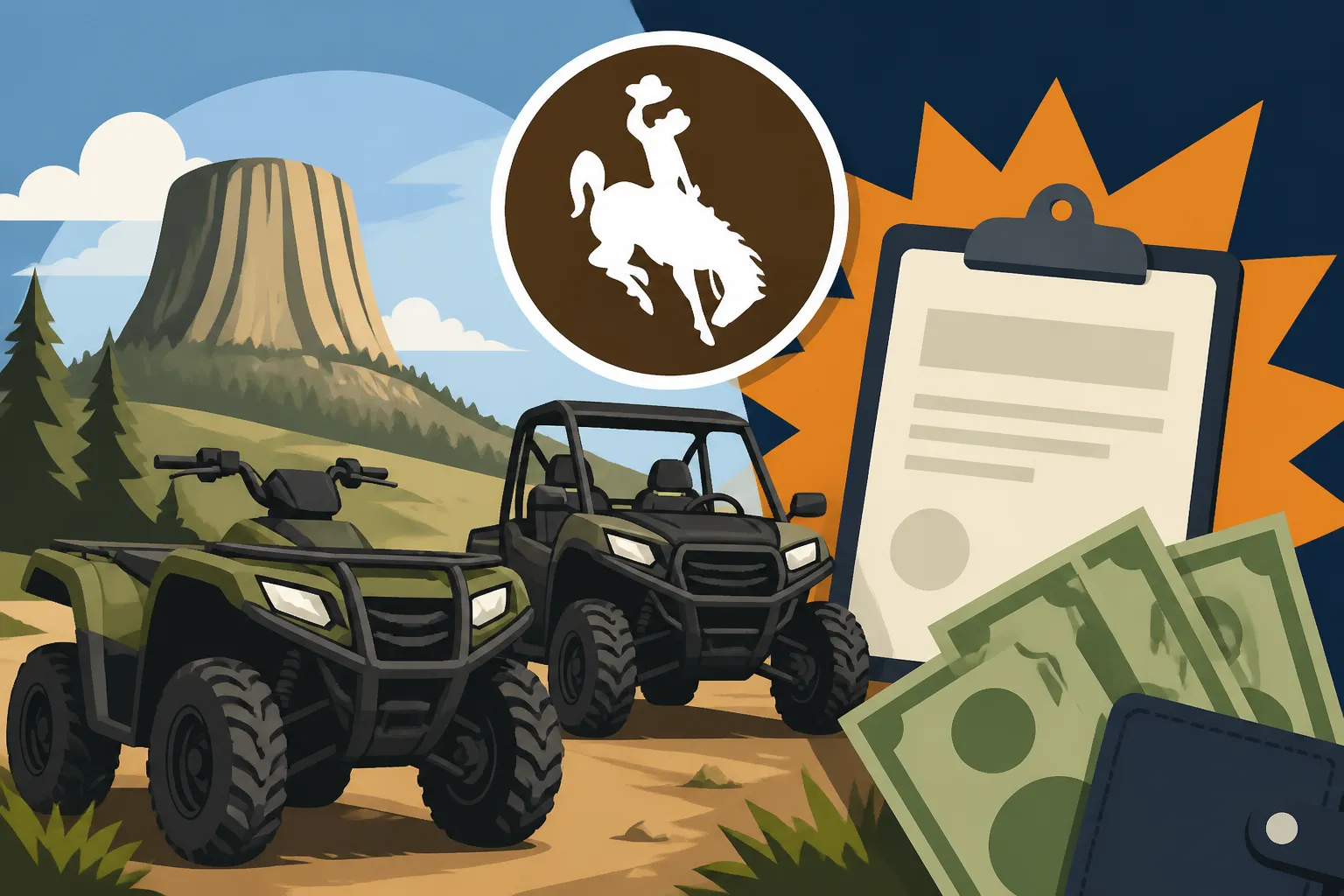
Getting a citation for an expired decal on your ATV or UTV in Wyoming can feel like a punch to the gut. You’re out on the trails, enjoying the incredible scenery, maybe even thinking you’re doing everything by the book, only for a warden to point out that little sticker on your machine is past its prime. It’s a common frustration, and one that carries a real financial sting, not to mention the unwelcome interruption to your adventure. This guide will dive deep into what a Wyoming citation for an expired ORV decal entails, not just the dollar amount, but the ripple effects and how to make sure you never face one.
The Unspoken Rules: Why That Decal Really Matters in Wyoming
It’s easy to look at a small sticker and think it’s just bureaucratic red tape. But in Wyoming, that annual Off-Road Vehicle (ORV) decal represents a crucial commitment to the trails and the riding community. It’s more than just a piece of plastic; it’s your membership card to some of the most spectacular riding country in the nation, and the state takes its absence seriously.
More Than Just a Sticker: What the Permit Represents
When you peel that crisp new decal and stick it on your machine, you're not just complying with a rule; you're directly contributing to the health and future of Wyoming's vast trail system. The money collected from these permits doesn't just disappear into a general fund. A significant portion of it is earmarked specifically for the Wyoming Trails Program. This program is the lifeblood of our riding areas, funding everything from routine maintenance and repairs to building new trails and installing vital signage. Think about those clear trail markers that keep you from getting lost, the sturdy bridges crossing creeks, or the improved trailhead facilities with restrooms and ample parking – much of that is thanks to riders like you purchasing your annual decal.
Without these funds, the trails we love would quickly fall into disrepair, becoming unsafe or even impassable. [Wyoming's Annual ORV Permit] ensures that the infrastructure exists for all of us to enjoy. This is why the state views an expired decal not just as a minor oversight, but as failing to contribute to the very system you're using. It's a fundamental part of the unwritten contract between riders and the land, ensuring that we can all continue to experience the freedom and adventure that Wyoming's backcountry offers. [Where Wyoming ORV Permit Money Goes] is an important read for any rider curious about how their contribution helps.
No Reciprocity: Wyoming Plays by Its Own Rules
One of the biggest misunderstandings, especially for out-of-state visitors, revolves around reciprocity. Many states have agreements where they recognize each other's ORV registrations, allowing riders to cross state lines without needing a second permit. Wyoming, however, marches to the beat of its own drum on this front. If you’re riding an ORV in Wyoming, it needs a Wyoming ORV decal. Period.
It doesn’t matter if your machine is fully registered and plated in Montana, Colorado, or Utah; that sticker from your home state simply doesn't cut it here. A Wyoming warden won't care that you just paid for your annual permit in Idaho last month. They'll be looking for that specific Wyoming decal. This policy can be a real shock for riders who assume their existing registration is sufficient, leading to unexpected citations. It's a crucial distinction, and one that often leads to frustration, but it's a firm rule designed to ensure all riders contribute to Wyoming's specific trail management efforts. [No Reciprocity in Wyoming, Stated Plainly] dives deeper into why this is the case. Even if you're just passing through for a weekend trip, [Does Wyoming Honor a Montana Registration?] clearly states the answer is no.
Understanding the Citation: What to Expect When You're Caught
So, you’ve been flagged down by a game warden, a Forest Service officer, or a BLM ranger, and they’ve pointed out your expired decal. What happens next? Beyond the immediate embarrassment and interruption, there’s a concrete process and a cost that will follow. It’s important to understand not just the fine itself, but the broader implications of getting cited.
The Base Fine: What a Warden Checks at a Trailhead
The most immediate consequence of an expired ORV decal in Wyoming is the monetary fine. While specific amounts can sometimes vary based on county or the issuing officer's discretion, generally, riding with an expired ORV decal is treated as a misdemeanor offense. The base fine for this type of infraction can be a significant sum, often in the range of one hundred dollars or more. This isn't just a slap on the wrist; it’s a tangible financial penalty designed to encourage compliance.
When a warden stops you, they'll typically ask for your identification and proof of ownership for the machine. They'll then visually inspect your ORV for the decal's presence and validity. If it's expired, they’ll issue a citation, much like a traffic ticket. This citation will clearly state the violation, the fine amount, and instructions on how to pay or, if you choose, how to contest it in court. It’s a straightforward process from their end, but it can quickly sour your day on the trail. [What a Wyoming Citation for an Expired Decal Costs] is often a rider's first search after such an encounter.
Here’s a simplified breakdown of what you might face:
| Item | Description | Typical Impact |
|---|---|---|
| Base Fine | The statutory penalty for operating an ORV with an expired decal. | Often a fixed amount, generally $100-$200 or more, though it can vary. This is the direct monetary hit. |
| Court Costs/Fees | If you choose to contest the citation, or if it requires a court appearance. | Can add another significant amount (dozens to hundreds of dollars) on top of the base fine, even if you still end up paying the fine. |
| Time and Hassle | Time spent dealing with the citation, including potential court appearances, phone calls, or mailing payments. | Lost riding time, missed work, mental stress. The non-monetary cost can be substantial. |
| Future Scrutiny | Repeat offenses or previous citations might lead to increased scrutiny from law enforcement or more severe penalties. | While less likely for a first-time expired decal, consistent non-compliance could lead to more serious legal issues or even temporary impoundment of your machine in extreme cases, especially if combined with other violations. |
| Lost Riding Time | If the citation occurs early in a planned ride, you might be required to cease riding until the decal issue is resolved, or face additional penalties for continuing to operate illegally. | Your day or weekend trip is cut short. |
| Permit Purchase | You'll still need to buy the current year's permit to legally ride. | An additional cost on top of the fine, proving that the small initial investment would have been far cheaper. |
Beyond the Dollar Amount: Hidden Costs and Consequences
While the immediate fine is certainly the most obvious consequence, the true cost of an expired decal citation can extend far beyond that dollar figure. Consider the ripple effects:
First, there's the administrative burden. If you decide to contest the citation, you'll be spending time preparing your case, potentially taking time off work to appear in court, and navigating the local judicial system. Even if you simply pay the fine, it requires attention and effort – finding the right office, writing a check, or completing an online transaction. This isn't just a few minutes; it's a chunk of your valuable time. Imagine you’re dealing with other aspects of your life, perhaps drafting important legal forms or agreements for your personal affairs. Services like LawDepot provide templates for various legal documents, and while not directly for a decal fine, they highlight how easy it is to become bogged down in paperwork when you're not proactive.
Then there’s the potential for escalation. While an expired decal is usually a relatively minor offense, repeat citations or combining it with other infractions (like riding off designated trails or reckless operation) can lead to more severe penalties. In some cases, chronic non-compliance could even lead to your machine being temporarily impounded. While extreme for just an expired sticker, it’s a possibility if it's part of a larger pattern. Losing access to your machine, even for a short period, can be a major headache and incur additional fees for towing and storage.
Finally, there’s the impact on your peace of mind. Getting a ticket, regardless of the severity, is stressful. It can put a damper on your entire trip and leave you feeling frustrated or resentful. The whole point of getting out on your ORV is to escape stress, not add to it. So, while the financial cost is direct, the hidden costs in terms of time, hassle, and emotional toll are often much higher than the price of a simple, annual decal.
Avoiding the Pitfalls: Keeping Your Decal Current
The good news is that avoiding a citation for an expired decal is incredibly easy and far less costly than dealing with the aftermath. A little proactive planning and understanding of Wyoming's system will save you a lot of headache and keep you riding legally and happily.
Annual Renewal: A Permit That Ends December 31
One of the most important things to remember about Wyoming ORV permits is their validity period. Unlike some other state registrations that might be valid for a year from the date of purchase, Wyoming's ORV permit operates on a calendar year. This means your permit, no matter when you buy it, will always expire on December 31st of the year it was issued. So, if you buy your permit in July, it still expires on December 31st of that same year. Similarly, if you buy it in January, you get almost a full year of use.
This calendar-year system means you need to mark your calendar for a yearly renewal. Many riders make it a habit to purchase their new decal in late December or early January, ensuring they’re covered for the entire upcoming riding season. It's a simple, annual task that, once completed, allows you to ride worry-free. [Wyoming's Calendar-Year Permit] details this crucial aspect, reminding riders that a proactive approach is key. Don't get caught out thinking your sticker from last spring is still good next spring!
Easy Ways to Purchase or Renew Your Decal
Wyoming makes it quite convenient to purchase or renew your ORV decal, recognizing that riders are often on the go. You have several accessible options, ensuring there's rarely a good excuse for riding without a current permit.
One of the easiest ways is to buy your permit online through the Wyoming State Parks, Historic Sites and Trails website. This method is convenient, allowing you to complete the purchase from the comfort of your home or even on your smartphone before heading to the trails. Once purchased, the decal is mailed to you, so it's wise to plan ahead and allow for shipping time. [Buying a Wyoming Permit Online] outlines this process, which typically includes a small processing fee. If you’re wondering [How Long a Decal Ordered Online Takes to Arrive], the state usually provides an estimate, but it’s always best to give yourself a couple of weeks, especially during peak seasons.
If you prefer to buy in person or need a decal immediately, there are numerous authorized vendors across the state. These include many local powersports dealerships, sporting goods stores, and even some county offices. These locations often have the decals in stock, allowing you to walk out with your permit ready to affix to your machine. [Where to Buy a Wyoming ORV Permit] lists many of these physical locations, making it easy to find one near you or on your route to the trailhead. [Buying a Decal at a Powersports Shop] is a popular choice, as you might already be there for parts or service. You can also get them at [Buying a Permit at a Forest Office] or a [Buying a Decal at a County Counter]. These local agents often accept various forms of payment and can answer any questions you might have on the spot.
The Benefit of Being Proactive: Why It's Worth the Small Fee
The annual cost of a Wyoming ORV decal is quite modest, especially when compared to the fines and hassle associated with an expired one. It's a small investment that yields big returns, not just in terms of legal compliance, but in ensuring the longevity of the sport you love. The roughly $15 fee (the cost is subject to change, so always check the official state website for current figures) goes directly back into the trail system, funding everything that makes your rides enjoyable and safe.
By purchasing your decal proactively, you’re not only avoiding potential fines but also doing your part to maintain access to Wyoming’s incredible backcountry. It's about being a responsible rider and contributing to the community. Think of it this way: for a relatively small annual fee, you get to explore thousands of miles of designated trails, knowing that your contribution helps keep them in top condition for everyone.
Moreover, having a current decal saves you the stress and uncertainty of being stopped by a warden. You can ride with confidence, knowing you’re in full compliance with state regulations. This allows you to focus on the adventure, the scenery, and the sheer joy of riding your ATV or UTV in one of the most beautiful states in the country. It's a small price to pay for peace of mind and continued access to premier riding opportunities. Keeping other important documents in order, such as a bill of sale or any agreements for borrowing a machine, can also contribute to a stress-free experience, and resources like LawDepot can be handy for creating these types of forms should you ever need them.
Disclaimer
This article is for general informational purposes only and does not constitute professional advice. Laws, prices and regulations vary by location and change over time. Consult a qualified professional for guidance on your specific situation.