Signs Paid for by Permit Money
It can be incredibly frustrating to head out on a beautiful Wyoming trail, full of excitement for a day of off-road adventure, only to feel lost or uncertain about where you can legally ride. You might pull up to a junction with no clear markers, or wonder if a certain two-track is truly open for your machine. This guide is here to unravel that mystery, explaining how your Wyoming Off-Road Vehicle (ORV) permit money directly translates into the vital signs that help you navigate our incredible backcountry safely and responsibly.
The Essential Role of Trail Signage for Riders
Think about it: Wyoming is a vast state, full of incredible landscapes from towering mountains to sweeping sagebrush basins. Without clear guidance, it would be a logistical nightmare to manage hundreds of thousands of acres of public land, ensuring everyone knows the rules and stays on designated routes. That's where good signage comes in, acting as your silent, ever-present guide on the trail.
Navigating Wyoming's Vast Backcountry Safely
There’s nothing quite like the feeling of discovery, of heading into unfamiliar territory and seeing new vistas. But that sense of adventure can quickly turn into anxiety if you're not sure which way to go, or worse, if you inadvertently stray onto private property or into a closed area. Directional signs, often paid for by your permit fees, are absolutely crucial for peace of mind. They point you towards trailheads, specific loops, and points of interest, ensuring you can explore with confidence.
Imagine you're deep in the [Bighorn National Forest] or exploring the vast stretches of [Wyoming's 40,000 Miles of BLM Road]. Without signs indicating the correct turns or marking the start of an enrolled trail, you could easily get turned around. This isn't just about convenience; it's a matter of safety. Getting lost can lead to running out of fuel, being caught out after dark, or even encountering dangerous situations far from help. These signs, humble as they may seem, are a direct investment in your safety and enjoyment, guiding you through the intricate network of [Wyoming's Enrolled Roads and Trails].
Understanding Regulations and Protecting Resources
Beyond simply telling you where to go, signs are fundamental in telling you how to behave. Wyoming's public lands are shared resources, and maintaining their health and accessibility requires adherence to specific regulations. These rules protect everything from fragile ecosystems and wildlife habitats to water quality and historical sites. Signs are the primary way land managers communicate these rules to you, the rider.
For instance, you might encounter a sign indicating a speed limit in a particular area, or a seasonal closure to protect wintering wildlife. There might be signs specifying [Wyoming's 50-Inch Trail Limit] on certain narrow trails, or alerting you to specific rules about [Wyoming Rules for Opening a Gate] if you're riding through grazing allotments. These signs aren't there to restrict your fun; they're there to educate you and ensure that these incredible places remain pristine and accessible for generations to come. Understanding and respecting these regulations, as clearly laid out by signage, helps prevent violations and avoids situations that could lead to [Wyoming Fines for Riding Without a Permit] or other citations.
How Your Wyoming ORV Permit Fuels Signage
It’s easy to slap a decal on your machine and head out, without truly thinking about where that money goes. But every dollar from your [Wyoming's Annual ORV Permit] plays a direct role in funding the very infrastructure that makes your rides possible, including those crucial trail signs. It's a tangible investment in the future of off-road recreation in the state.
The Journey of Permit Dollars to Trail Improvements
When you purchase your Wyoming ORV permit, that money doesn't just disappear into a general state fund. It's specifically earmarked for the [Wyoming Trails Program], a dedicated initiative focused on improving and maintaining the state's extensive network of ORV trails and routes. A significant portion of this fund is then distributed back to the local agencies that manage the land—like the U.S. Forest Service, Bureau of Land Management (BLM), and Wyoming State Parks.
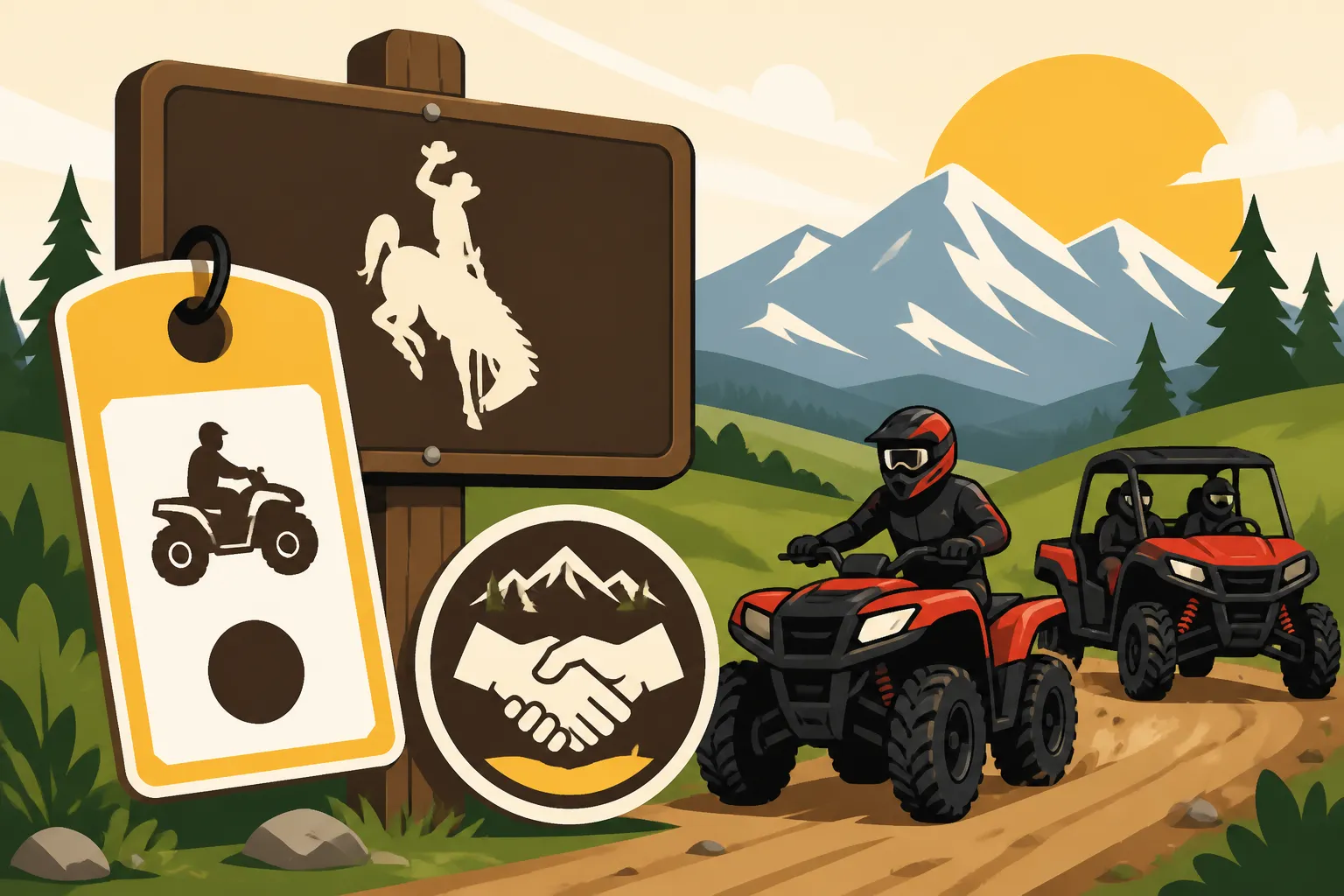
These agencies then use those allocated funds for a variety of trail-related projects. One of the most visible and important uses of that money is the design, fabrication, and installation of signage. From the small, sturdy directional arrows to large, informative kiosks at trailheads, each sign represents hours of planning, material costs, and labor. Without your permit dollars, these essential communication tools simply wouldn't exist, leaving riders to guess and potentially creating unsafe or damaging situations. It's a clear case of your contribution directly benefiting your riding experience. You can see [Where Wyoming Permit Money Goes] when you spot a brand-new sign or a freshly maintained trail.
Collaborative Efforts in Sign Placement and Maintenance
It's not just one entity deciding where signs go; it's a collaborative process involving multiple stakeholders. Land management agencies like the Forest Service and BLM work closely with the Wyoming Trails Program, local communities, and even volunteer rider groups to identify areas where signage is needed most. This often involves detailed mapping, site assessments, and discussions about the specific types of information that will be most useful to riders.
Once signs are installed, the work isn't over. Wyoming's weather can be harsh, with high winds, heavy snow, and intense sun all taking their toll. Signs can be damaged by vandals, natural events, or even just fade over time. Your permit money also contributes to the ongoing maintenance, repair, and replacement of these signs. This ensures that the information remains current, visible, and effective, year after year. It's a continuous cycle of funding, planning, installation, and upkeep, all designed to enhance your riding experience and protect the natural resources you enjoy.
What Kinds of Signs Your Permit Money Pays For
When you're out on the trail, you'll encounter a variety of signs, each serving a distinct purpose. From simple arrows to detailed maps, every sign is a piece of the puzzle that helps you understand the landscape and the rules governing it.
Directional and Interpretive Signage
These are often the most common signs you'll see, helping you navigate. Directional signs might point you towards a specific trail number, a scenic overlook, or even the nearest town or gas station. They are your breadcrumbs on the trail, ensuring you stay on the intended path. Imagine exploring the vastness of the [Killpecker Sand Dunes in Southwest Wyoming] or the intricate loops of [Poison Spider OHV Park Outside Casper] – without clear directional signs, it would be easy to get disoriented in such unique terrain.
Interpretive signs, on the other hand, go beyond simple directions. They offer insights into the local environment, wildlife, history, or geology of an area. You might find a sign explaining the unique plant life in a particular canyon, the history of an old mining claim, or the cultural significance of a specific landmark. These signs enrich your riding experience, turning a simple adventure into an educational journey, helping you appreciate the land on a deeper level. They are an often-overlooked but incredibly valuable investment in making your ride more than just a drive.
Regulatory Signs for Safe and Responsible Riding
These signs are critical for protecting both riders and the environment. Regulatory signs clearly communicate rules and restrictions that you, as a rider, must follow. Ignoring these signs can lead to unsafe situations, environmental damage, and potential fines.
Common examples of regulatory signs include:
- "Stay on Designated Trail": This sign is paramount, reminding riders to adhere to [Wyoming Rules for Riding a Designated Route] and prevent unauthorized off-trail travel, which can harm vegetation and cause erosion.
- Speed Limits: Posted in specific areas, especially near campgrounds, wildlife habitats, or residential zones, to ensure safety for all users.
- Seasonal Closures: These signs indicate when a trail or area is temporarily closed to protect sensitive wildlife during breeding seasons or to prevent trail damage during wet conditions. [Wyoming Seasonal Closures for Wildlife] are common, especially in spring.
- Vehicle Restrictions: Signs indicating if a trail has width restrictions (like the 50-inch rule) or if certain types of vehicles are prohibited.
- "No Trespassing" / "Private Property": Crucial signs that mark the boundary between public and private land, preventing accidental trespass. These are vital for honoring landowner rights and maintaining good relationships, which helps keep more land open for recreation.
These regulatory signs are not suggestions; they are directives that ensure everyone can enjoy Wyoming's trails responsibly. They are a direct result of permit money being invested in maintaining safe and sustainable access.
Informational Kiosks and Trailhead Displays
At larger trailheads or popular staging areas, you'll often find more comprehensive informational kiosks or display boards. These are truly a treasure trove of knowledge for riders, offering a broader overview of the area you're about to explore.
These displays typically include:
- Detailed Maps: Often showing the entire trail system, points of interest, facilities, and sometimes even topographic information. Many riders consult these to plan their day or confirm their route. These are often versions of [Wyoming Trail Maps and MVUMs] (Motor Vehicle Use Maps).
- Local Regulations: A summary of rules specific to that area, which might include fire restrictions, camping guidelines, or etiquette for encountering other users.
- Safety Information: Tips on preparing for your ride, what to do in an emergency, and warnings about local hazards like wildlife or weather patterns.
- Contact Information: Details for the managing agency in case you need to report an issue or have questions.
These kiosks are often the first point of contact for riders and serve as invaluable resources for planning a safe and enjoyable trip. The investment in these larger, more detailed displays is another way your permit dollars are put to work, providing comprehensive information right where you need it most.
| Sign Type | Purpose | Example Message | Benefit to Rider |
|---|---|---|---|
| Directional | Guides riders along specific routes, indicating turns and destinations. | "Trail 101 ->", "Meadow View Scenic Overlook" | Prevents getting lost, facilitates route planning. |
| Regulatory | Communicates rules and restrictions for safety and resource protection. | "Stay on Marked Trail", "50-Inch Width Limit", "No ATVs" | Ensures legal riding, protects environment, avoids fines. |
| Informational | Provides context about the area (history, wildlife, etc.). | "History of the Old Miners' Trail", "Wildlife Corridor Ahead" | Enhances appreciation for the landscape, educates. |
| Caution/Warning | Alerts riders to potential hazards or difficult terrain. | "Steep Grade Ahead", "Rough Road", "Watch for Livestock" | Promotes safe riding, helps prepare for conditions. |
| Trailhead Kiosk | Comprehensive overview of maps, rules, safety, and local info. | Area map, "Welcome to Blacktail Trails", Emergency Info | Central resource for planning and understanding the riding area. |
The Long-Term Impact of Well-Maintained Signs
It’s easy to take signs for granted, but their consistent presence and clarity have far-reaching benefits that extend well beyond your current ride. They are a foundation for sustainable recreation and access.
Enhancing the Rider Experience and Promoting Compliance
Imagine pulling up to a trailhead that is completely unmarked, or reaching a four-way intersection deep in the forest with no indication of which path leads where. That kind of uncertainty is stressful and detracts significantly from the enjoyment of your ride. Good signage, directly funded by your permits, smooths out these anxieties. It allows you to relax, focus on the scenery, and enjoy the thrill of the ride, knowing you're on the right track and following the rules.
When regulations are clearly posted, riders are more likely to comply. This means less accidental trespass, less damage to fragile habitats, and fewer conflicts with other land users like hikers or equestrians. Compliance helps maintain positive relationships between riders, landowners, and land management agencies, which in turn helps keep more trails open for everyone to enjoy. It's a virtuous cycle: your permit fee leads to clear signs, which leads to better compliance, which leads to continued access.
Protecting Access for Future Generations
The ability to ride ATVs and UTVs on public land is a privilege, not a right. Maintaining this privilege requires consistent effort, responsible behavior, and dedicated funding. The signs funded by your ORV permit are a crucial part of this stewardship. By clearly delineating legal routes and restricting access to sensitive areas, these signs help prevent damage that could lead to trail closures.
Consider a delicate riparian area, marked by signs indicating "Stay Out" to protect water quality or vulnerable plant species. If these signs weren't there, or were poorly maintained, riders might inadvertently cause damage, leading land managers to close the area entirely for rehabilitation. When you see [Wyoming Rules for Riding Near Livestock] signs, they help prevent conflicts with ranchers and their herds, securing future access to those areas. Every sign that guides you away from a sensitive area or reminds you to close a gate helps preserve the overall health and accessibility of Wyoming's trail system for your kids, grandkids, and beyond. It’s an investment in the long-term future of our beloved sport in the Cowboy State.
Disclaimer
This article is for general informational purposes only and does not constitute professional advice. Laws, prices and regulations vary by location and change over time. Consult a qualified professional for guidance on your specific situation.