Wyoming Rules for Riders Under 16
It’s a common dilemma for parents who love the outdoors: how do you introduce your kids to the thrill of off-road riding in Wyoming while ensuring everyone stays safe and follows the rules? Navigating the specific age requirements for ATVs and UTVs in the Cowboy State can feel like decoding an ancient map, especially when rules shift depending on where you're riding. This guide aims to clear up that confusion, giving you a comprehensive understanding of what Wyoming expects from riders under 16, whether they're on a dusty trail or a designated public road.
Understanding the Landscape: Why Age Rules Exist for Off-Roaders in Wyoming
Wyoming is an incredible state for off-road enthusiasts, offering vast stretches of open land and countless trails. However, with that freedom comes a responsibility to ensure safety, especially for younger riders. The rules around age aren't arbitrary; they're in place to protect riders, other users of public lands, and the machines themselves. It's about ensuring that everyone on the trail or road has the maturity, judgment, and physical capability to operate their vehicle safely.
The Rationale Behind Age Restrictions
When you think about it, operating an ATV or UTV isn't just like riding a bike. These machines are powerful, can be heavy, and require a significant amount of coordination and quick decision-making. Imagine a sudden obstacle appearing on a winding trail or an unexpected animal crossing the path. An experienced adult might react instinctively, but a younger, less experienced rider might panic, leading to an accident. Wyoming's age restrictions, therefore, aim to mitigate these risks by setting a baseline for cognitive and physical development. They acknowledge that children and adolescents are still developing their spatial awareness, reaction times, and ability to assess risk, all of which are crucial for safe off-road operation.
Beyond individual safety, these rules also consider the safety of others. On a shared trail, an out-of-control machine can pose a threat to hikers, horseback riders, or other off-roaders. The state wants to ensure that all users of its beautiful public lands can do so without undue risk from improperly operated vehicles. It’s a collective effort to keep the recreational areas enjoyable and safe for everyone, and setting clear age guidelines is a fundamental part of that framework.
Different Rules for Different Machines and Locations
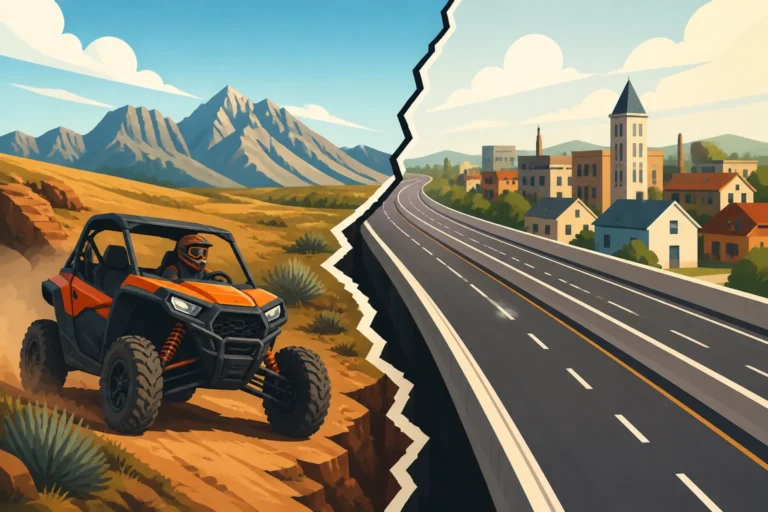
One of the biggest sources of confusion for families is that the rules aren't a one-size-fits-all solution. What applies to a dirt bike on a designated trail might be completely different for a side-by-side on an enrolled county road. Wyoming specifically defines different types of off-road vehicles and establishes how and where they can be operated. For instance, an Off-Road Vehicle (ORV) is primarily for trail use, while a Multipurpose Vehicle (MPV) can, under specific conditions, be made street legal. This distinction is critical because it directly impacts licensing, insurance, and the age requirements for drivers and passengers, especially for those under 16.
The location of the ride—whether it's public land managed by the Forest Service or BLM, state parks, or even private property—also plays a huge role. Each land management agency might have slightly different interpretations or additional rules on top of state law. Then, if you venture onto an "enrolled road" where an ORV/MPV is permitted to travel on public roadways, a whole new set of regulations kicks in, mirroring those for traditional motor vehicles, including strict age and licensing requirements. Understanding these nuances from the outset is crucial for planning a safe and legal outing with your younger riders.
Wyoming's Baseline Rules for Young Riders on Designated Trails
When it comes to riding off-road on Wyoming's vast network of trails and public lands, there are specific guidelines in place for those under 16. These rules are designed to ensure safety while still allowing young enthusiasts to experience the thrill of the ride. It's not about prohibiting youth riding, but about structuring it in a responsible way.
Supervising Riders Under 16 on Public Land
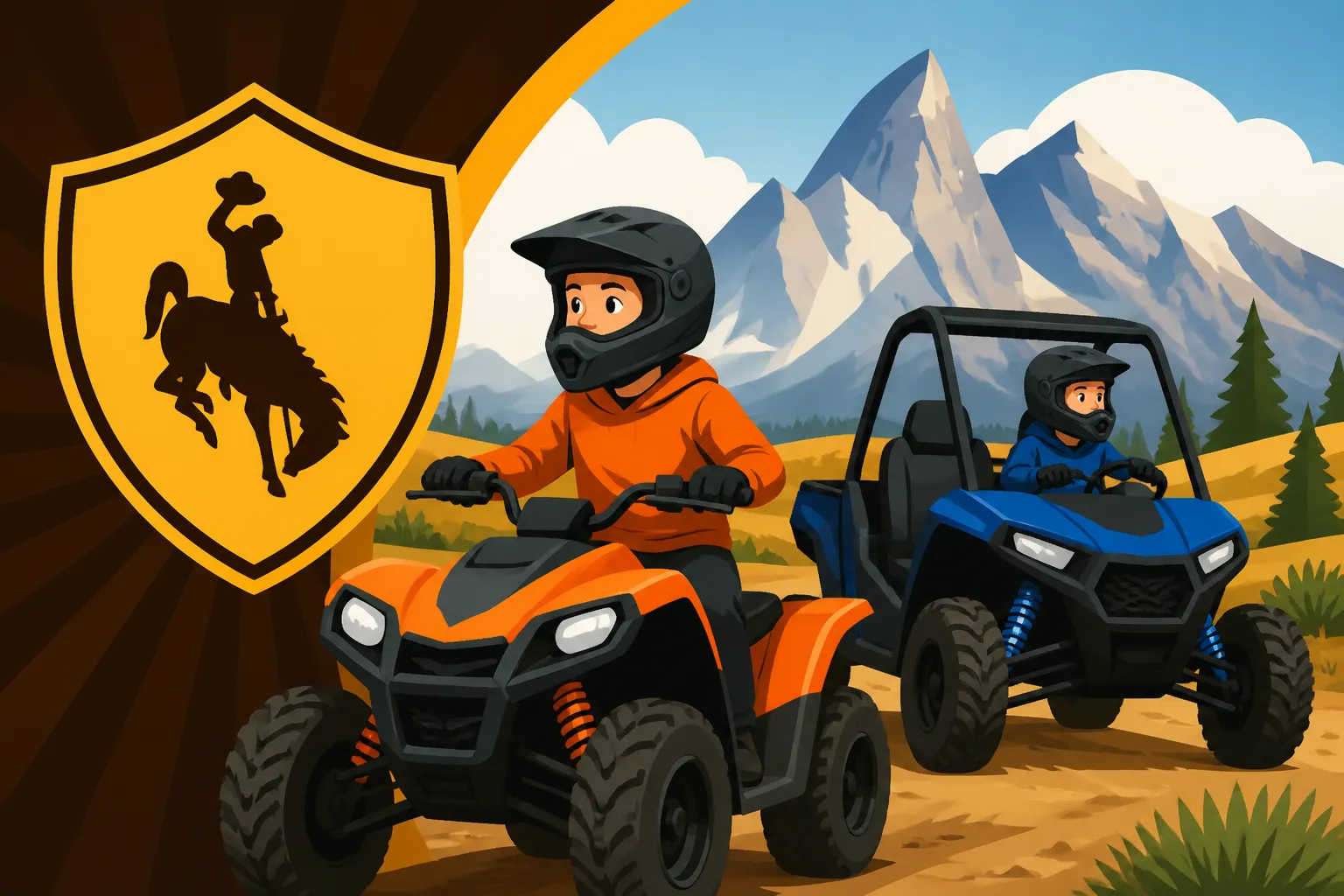
For any rider under the age of 16 operating an ORV on public lands in Wyoming, direct adult supervision is absolutely mandatory. This isn't just about having an adult nearby; it means an adult, at least 18 years old, must be in a position to effectively supervise and intervene if necessary. Think of it as being able to see, hear, and ideally, communicate easily with the young rider. This might mean riding on an adjacent machine, or being within a very close proximity, ready to stop and assist at a moment's notice. The intent is to have an experienced eye constantly monitoring the young rider's decisions, speed, and technique, especially on unfamiliar or challenging terrain.
This supervision requirement applies to all designated ORV trails managed by agencies like the Bureau of Land Management (BLM) and the Forest Service. It's a foundational rule that parents and guardians must always adhere to. A minor cannot simply be dropped off at a trailhead or sent out alone, even if they are an experienced rider. The legal responsibility for their safety and compliance rests squarely with the supervising adult. A good practice, if you have multiple young riders, is to ensure you have enough supervising adults to keep a watchful eye on each individual, or to pair younger, less experienced riders with older, more skilled ones under direct adult oversight.
Required Safety Gear for Young Riders
Safety gear is non-negotiable for all riders in Wyoming, and this is especially true for children and adolescents. While Wyoming doesn't have a universal helmet law for all ATV riders on trails, the rules are clearer for youth. Any rider under the age of 18 operating an ORV on public land must wear a securely fastened safety helmet. This isn't a suggestion; it's a requirement designed to protect against head injuries, which are tragically common in off-road accidents. This means no casual baseball caps or bicycle helmets – it needs to be a helmet specifically designed for motor vehicle use, meeting safety standards like DOT certification. You can find more specific details on [Wyoming Helmet Law for ATV Riders] to ensure compliance.
Beyond helmets, while not always explicitly mandated by law for trail use, common sense dictates additional protective gear for young riders. This includes eye protection (goggles or a helmet with a face shield), sturdy over-the-ankle boots, long pants, long-sleeved shirts, and gloves. These items help protect against abrasions, cuts, and impacts, and can significantly reduce the severity of injuries in a fall. Think about how a branch might whip back or a rock might fly up; proper attire provides crucial protection. Investing in quality gear, even for a growing child, is paramount, and brands like SuperATV offer a range of protective accessories to keep riders safe.
Age and Machine Size Considerations
Wyoming law doesn't explicitly tie machine size to specific ages for ORV trail use in the way some other states do, but it strongly implies that riders should be on machines appropriate for their size and skill level. However, some land management agencies or specific riding areas might have their own guidelines. It's always best to check with the specific land manager (Forest Service, BLM, State Parks) for any local variations before you head out. A general rule of thumb, often echoed by safety organizations, is that a child should be able to comfortably reach and operate all controls, and their feet should be able to touch the ground when seated on the machine.
For parents, this means carefully evaluating the power, weight, and handling characteristics of an ATV or UTV before allowing a young rider to operate it. A machine that's too large or powerful for a child can quickly become uncontrollable, even with the best intentions. Many manufacturers produce youth-specific models with smaller engines, lighter frames, and often, built-in speed limiters. These are excellent choices for starting younger riders safely. Remember, the goal is a positive and safe experience that builds confidence, not one that overwhelms them or puts them at undue risk. Pairing the right machine with the right rider is just as important as the helmet on their head. [Wyoming Permits for a Youth Machine] confirms that even smaller, youth-focused machines require a state permit.
The Road Less Traveled: Rules for Under-16s on Enrolled Roads
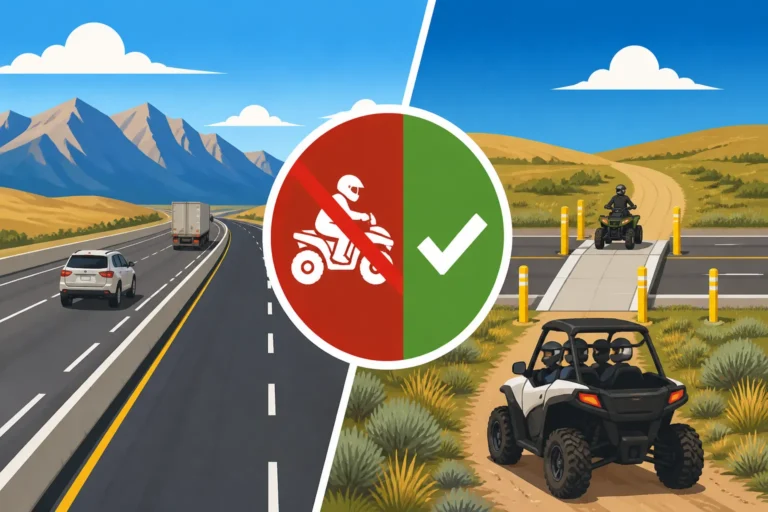
This is where things get significantly more complex for riders under 16. While Wyoming offers many opportunities for off-road recreation, the moment an ATV or UTV touches an "enrolled" public road, it enters a realm of motor vehicle laws designed for traditional cars and trucks, with specific adaptations for multipurpose vehicles (MPVs). This transition brings a whole new set of rules regarding age, licensing, and machine requirements, making it much stricter than trail riding.
When an ORV Becomes an MPV for Road Use
Wyoming has a special classification for some off-road machines: the Multipurpose Vehicle, or MPV. This class allows certain ATVs and UTVs to become street legal, enabling them to be ridden on designated public roads. However, for a machine to qualify as an MPV, it must meet several criteria, including specific weight limits (between 300 and 3,000 pounds), have a seat at least 24 inches high, and be equipped with standard road-going features like headlights, taillights, brake lights, mirrors, and a horn. Only once a machine is titled as an MPV through the county clerk and then registered and plated through the county treasurer can it even consider road travel. You can learn more about [Wyoming MPV Title Requirements] and [Wyoming MPV Plate Requirements].
The crucial point for riders under 16 is that these MPV rules bring the machine under the umbrella of standard vehicle codes. This means that the age requirements for driving a motor vehicle on a public road, which are typically 16 with a license (or 15 with a learner's permit and specific conditions), generally apply. So, while a 12-year-old might ride an ATV on a designated trail under supervision, that same 12-year-old absolutely cannot drive a street-legal side-by-side down a county road, even with an adult in the passenger seat. The MPV designation elevates the machine to near-car status for road use, and with that comes traditional driver eligibility.
Driver's License and Age Requirements for Roads
For an individual to legally operate an MPV on an enrolled public road in Wyoming, they must possess a valid driver's license. This generally means being at least 16 years old. If a 15-year-old holds a valid learner's permit, they may be able to operate an MPV on public roads, but only if they comply with all the restrictions of that permit. This typically involves being accompanied by a licensed driver who is at least 18 years old and seated in the passenger seat. The learner's permit holder would also need to have obtained either an "M" endorsement (for motorcycles) or an "MR" endorsement (for multipurpose vehicles) on their permit, depending on the specific machine and their eligibility. This is a far cry from the more relaxed trail riding rules.
It's vital for parents to understand that there is no "off-road license" that permits minors to operate these vehicles on roads. The moment you're on pavement or a gravel county road designated for MPV use, you're expected to meet standard driving age and licensing criteria. Trying to circumvent these rules can lead to serious legal consequences, including fines for driving without a license, operating an unregistered vehicle, or allowing an unlicensed minor to drive. Always check the current Wyoming statute for specific age and licensing requirements related to the "M" or "MR" endorsements if you are considering a minor operating an MPV on a public road. [Wyoming Driver's License Rules for ORVs] delves into this in more detail.
Passenger Rules for Young Riders on Roads
Even if a rider under 16 isn't driving an MPV on an enrolled road, their role as a passenger also comes with specific rules. For most MPVs (especially side-by-sides), passengers are generally allowed as long as there's a designated seating position and the machine is designed to carry multiple occupants. However, when operating an MPV on an enrolled road, any passenger under the age of 18 must wear a securely fastened safety helmet. This is a mandatory requirement, aligning with the state's broader helmet laws for minors on motor vehicles in certain contexts. This rule applies regardless of whether the driver is an adult or a licensed minor. [Wyoming Helmet Law for Passengers] confirms this vital safety measure.
Furthermore, some manufacturers or specific MPV models might have their own age or height recommendations for passengers, especially for the front seats of a side-by-side. It's always best to consult the owner's manual for your specific machine. Never carry more passengers than the vehicle is designed for, and ensure all occupants are properly restrained with seatbelts or harnesses. For young children, consider if they are tall enough for the seatbelts to fit correctly or if they need a booster to ensure proper restraint. Riding on a public road, even in an MPV, demands the same level of safety and compliance as riding in a car, especially when it comes to the most vulnerable occupants.
Beyond Public Trails: Private Land and Age Considerations
Not all off-road adventures take place on public, designated trails. Many families enjoy riding on their own property, a friend's ranch, or other private land. While this offers a greater degree of freedom compared to public land, it doesn't mean a complete absence of rules or responsibilities when it comes to riders under 16.
Owner's Permission vs. State Regulations
When riding on private property in Wyoming, the state's ORV permit is not required. The owner of the land dictates who can ride, what types of machines are allowed, and often sets their own rules regarding supervision and safety gear. For example, a ranch owner might allow a 10-year-old to ride an ATV on their property without direct adult supervision, as long as the owner is comfortable with the child's skill level and the specific terrain. This is a significant difference from public land rules, where adult supervision for anyone under 16 is mandatory. [Wyoming Rules for Riding Private Land] explains this further.
However, even on private land, common sense and the landowner's liability concerns often mean that some informal rules mirror state regulations. Most responsible landowners will still encourage, if not insist upon, helmet use for all riders, especially minors. They also have a vested interest in preventing accidents on their property. While state law may not directly govern age restrictions for private land use, parents still bear the ultimate responsibility for their child's safety and should always ensure the machine is appropriate for the child's size and skill, and that proper safety gear is worn. The absence of a state mandate doesn't negate the risk.
Teaching Safe Riding on Private Property
Private land provides an excellent, controlled environment for teaching younger riders the fundamentals of ATV and UTV operation without the added pressure of public trail traffic or strict government regulations. It's a fantastic place to start kids out, allowing them to practice steering, braking, throttle control, and navigating different terrains at their own pace. Parents can set up obstacle courses, practice emergency stops, and instill good riding habits in a low-stress setting. This is also where you can teach kids about respecting the land, opening and closing gates, and staying off sensitive areas – lessons that are invaluable no matter where they ride.
Even when teaching on private land, never underestimate the power and potential danger of these machines. Always maintain supervision, even if it's not legally mandated in that specific context. Start with smaller, less powerful machines, and gradually introduce more complex skills as the child gains confidence and proficiency. Use protective gear, including helmets, eye protection, and sturdy clothing, just as you would on public trails. Think of private land as your training ground – a place to build a solid foundation of skills and safety awareness before your young rider ventures onto more demanding public trails. It's an investment in their long-term safety and enjoyment of the sport.
Safety Training and Its Importance for Young Wyoming Riders
While Wyoming doesn't always mandate formal safety training for every off-road rider, especially for those under 16 on trails, the benefits of such education cannot be overstated. When we're talking about powerful machines and young operators, knowledge and skill are often the best forms of protection.
Is an ATV Safety Course Required in Wyoming?
Here's a common point of confusion: while many states require ATV safety courses for riders under a certain age, Wyoming does not currently mandate a formal ATV safety course for all riders, including those under 16, to operate on public lands. This means you won't typically be asked for a safety course certificate when purchasing an ORV permit or stopped by a warden on a trail. [Is an ATV Safety Course Required in Wyoming?] clarifies this position. However, this absence of a state mandate should not be interpreted as a lack of importance.
It's crucial to understand that even without a legal requirement, formal training significantly enhances a young rider's ability to operate an ATV or UTV safely. Parents might mistakenly believe that because there's no official course, their child is ready to ride after a few hours of informal instruction. The reality is that professional courses cover specific riding techniques, risk assessment, environmental awareness, and machine maintenance in a structured way that informal teaching often misses. Therefore, while not mandatory, enrolling a young rider in a certified ATV safety course is a highly recommended best practice for anyone serious about off-road safety.
Benefits of Formal Safety Education
The advantages of a formal ATV safety course extend far beyond simply learning how to turn the handlebars. These courses, often offered by certified instructors, teach fundamental skills like proper starting and stopping procedures, turning and swerving techniques, navigating hills, and how to safely handle emergencies. They cover crucial topics like wearing appropriate gear, pre-ride inspections, understanding trail etiquette, and respecting the environment. For a young rider, this structured learning environment helps to build confidence, reinforce safe habits, and develop critical thinking skills necessary for making quick decisions on the trail.
Beyond the practical skills, a safety course can also instill a deeper understanding of responsibility. Young riders learn about the potential hazards of riding, the importance of staying on designated trails, and the impact their actions can have on others and the environment. This holistic approach to education helps create not just a more skilled rider, but a more responsible and respectful outdoor enthusiast. Think of it as investing in your child's long-term safety and enjoyment of the sport. The knowledge gained can prevent accidents, build confidence, and ensure that every ride is a positive and memorable experience.
Navigating the Permit System with Young Riders
Every off-road machine, regardless of the rider's age, needs to be properly permitted to legally operate on Wyoming's designated public lands. This includes ATVs, UTVs, and dirt bikes that young riders might be operating. Understanding this system is a fundamental part of responsible off-roading in the state.
Does a Youth Machine Need an ORV Permit?
Absolutely, yes. There is no exemption for youth-sized machines or machines operated by riders under 16. If an ATV, UTV, or dirt bike is going to be ridden on any designated ORV trail or public land in Wyoming, it must display a valid Wyoming ORV permit decal. This is a common misconception, where parents might think a smaller machine or a child's machine is somehow exempt. The permit applies to the machine, not the rider's age. Therefore, if you have a youth quad, a smaller dirt bike, or a side-by-side that your teenager operates, it needs its own permit. [Wyoming Permits for a Youth Machine] clearly outlines this requirement.
The permit system is how Wyoming funds its trails program, contributing to maintenance, signage, and the overall management of the riding areas we all enjoy. So, purchasing that permit isn't just about compliance; it's about contributing to the infrastructure that makes off-roading possible in the state. Whether you're riding a powerful side-by-side or a small youth ATV, that decal on the machine signifies your support for the trails and your adherence to state regulations. It's a simple, flat fee that helps preserve access for all.
Where the Decal Goes on a Youth Machine
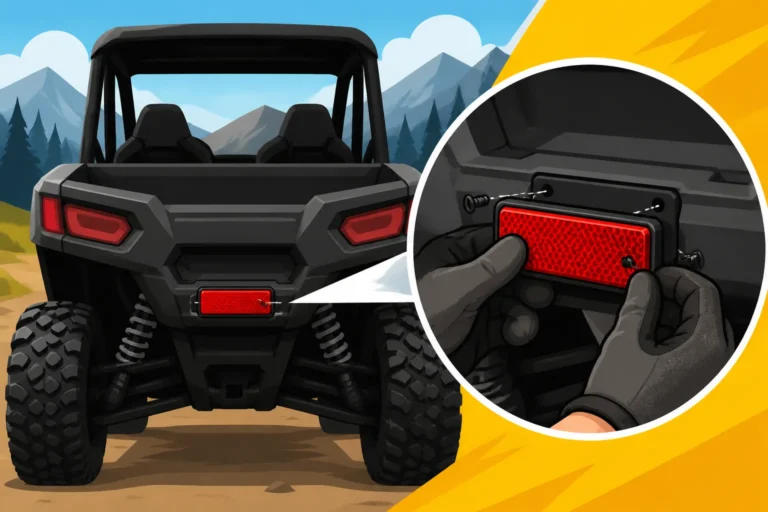
Once you've purchased your Wyoming ORV permit, you'll receive a decal that needs to be properly affixed to the machine. For youth ATVs and UTVs, just like their full-sized counterparts, the decal must be prominently displayed on the front half of the machine, typically on the front fender, fairing, or handlebars. The key is that it needs to be clearly visible to law enforcement or land managers when they conduct trail checks. It's not meant to be hidden or obscured. [Where the Wyoming Decal Goes on a Machine] provides specific guidance on placement.
When applying the decal, ensure the surface is clean and dry for good adhesion. It's meant to last for the entire calendar year for which it's issued. If the decal is lost, damaged, or peels off due to weather or rough riding, it's your responsibility to obtain a replacement. Riding without a visible, valid decal, even if you paid for one, can still result in a citation. So, take a moment to affix it securely and check it periodically, especially if your young rider is particularly adventurous on the trails!
Common Misconceptions and Avoiding Fines for Under-16 Riders
The rules for young riders can be complex, and misunderstandings often lead to unintentional violations. Knowing these common pitfalls can save you from an unpleasant encounter with law enforcement and ensure a smoother, safer riding experience for everyone.
What a Warden Checks at a Trailhead
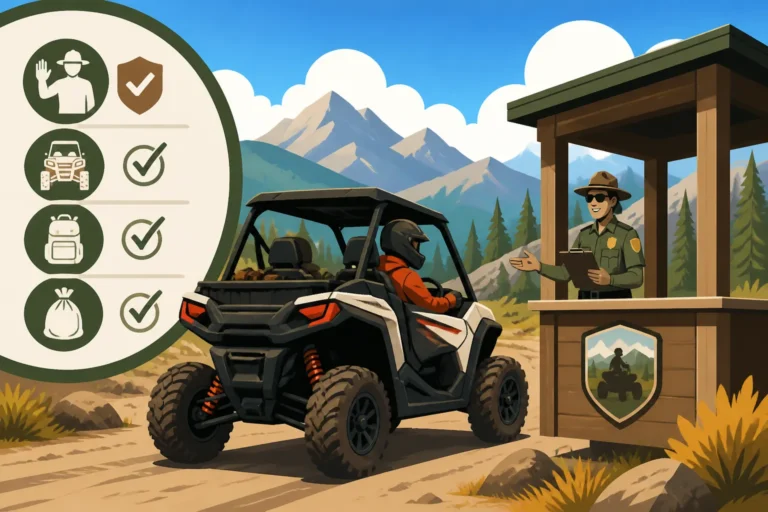
When you're out on Wyoming's public lands, particularly at popular trailheads or during busy riding seasons, it's not uncommon to see game wardens, Forest Service rangers, or BLM officers present. Their job is to ensure everyone is adhering to state laws and land management rules. For riders with minors, they'll typically be checking for a few key things. First and foremost, they'll look for the valid Wyoming ORV permit decal on each machine. If a youth machine is present, they'll ensure it has its own decal. [What a Warden Checks at a Trailhead] offers a detailed look at typical checks.
Beyond the permit, they'll be observing the riders themselves. If a rider appears to be under 16, the warden will check for direct adult supervision. They'll also verify that all riders, especially those under 18, are wearing appropriate safety helmets. They might also inquire about the appropriateness of the machine for the rider's size and skill. While less common, they could also check for spark arresters on exhaust systems and ensure sound limits are being met. The goal of these checks isn't to impede your fun, but to maintain safety and compliance across the trail system.
Penalties for Non-Compliance
Ignoring Wyoming's ORV rules, particularly those pertaining to minors, can lead to various penalties. The most common consequence for riding without a valid ORV permit decal is a fine. This fine applies to the machine, regardless of who is operating it. If a minor is riding an unpermitted machine, the adult responsible for that minor and the machine would typically be cited. The exact cost of a citation can vary, but it's always more expensive than simply buying the annual permit upfront. [Wyoming Fines for Riding Without a Permit] provides more context on these penalties.
Beyond permit issues, violations like a lack of adult supervision for an underage rider or a minor riding without a helmet can also result in citations. In more severe cases involving accidents or reckless operation, the consequences can escalate, potentially involving vehicle impoundment or even more significant legal action, depending on the circumstances. It's important to remember that these rules are in place for safety. A minor citation isn't just an inconvenience; it's a warning that safety protocols are not being met. It's always best to be thoroughly prepared and compliant before heading out, ensuring that your family's off-road adventures are safe and within legal boundaries.
Equipping Young Riders Safely: Gear and Machine Considerations
The right equipment can make all the difference in a young rider's safety and enjoyment. It's not just about meeting legal requirements; it's about providing the best possible protection and ensuring the machine is a good fit for their developing skills.
Essential Protective Gear for Kids
For any rider, but especially for children and adolescents, high-quality protective gear is paramount. As we've discussed, a DOT-approved helmet is mandatory for riders under 18 on public lands and critical for all riders everywhere. But the protection shouldn't stop there. Eye protection, such as goggles or a full-face helmet visor, is essential to shield against dust, debris, and low-hanging branches. Sturdy, over-the-ankle boots protect feet and ankles from impacts and prevent them from getting caught in moving parts. Long pants and long-sleeved shirts, made of durable materials, are crucial for protecting skin from scrapes, cuts, and sun exposure. Gloves provide grip, prevent blisters, and offer a layer of protection for hands.
Consider additional protection like chest protectors, elbow pads, and knee pads, particularly for more aggressive riding or for younger, less experienced riders. These items can absorb impacts and prevent serious injuries in a fall. While some gear might seem like an extra expense, it's a vital investment in your child's safety and confidence. Many reputable brands offer youth-specific gear that fits properly and provides adequate protection without hindering movement. Remember, ill-fitting gear can be just as dangerous as no gear at all, so always ensure a snug but comfortable fit for every piece.
Choosing the Right Machine Size for Age and Skill
Selecting an ATV or UTV that is appropriate for a young rider's size, age, and skill level is perhaps one of the most critical safety decisions a parent can make. A machine that is too large or powerful is incredibly difficult for a child to control, leading to instability, fatigue, and a significantly increased risk of accidents. Conversely, a machine that is too small for an older, more experienced teen might not offer enough challenge or comfort.
When looking for a machine for a child, consider these factors:
- Size: The child should be able to sit on the machine with their feet flat on the footrests, and their hands should comfortably reach the handlebars. They should also be able to easily operate the throttle, brakes, and other controls without straining.
- Engine Size/Power: Many manufacturers produce youth ATVs with smaller engine displacements (e.g., 50cc, 90cc, 125cc). Start small and gradually move up as the child gains experience and strength. Some youth models come with adjustable speed limiters, which are excellent features for controlled progression. For a side-by-side, ensure the seating and controls are accessible, and the vehicle's power is manageable.
- Weight: The machine's weight should be manageable for the child to maneuver and control, especially at lower speeds or when making turns.
- Features: Look for machines with good suspension for comfort and control, reliable brakes, and any available safety features like a remote engine shut-off or a speed limiter.
Brands like SuperATV offer a variety of aftermarket parts and accessories that can enhance safety and performance, but the fundamental choice of the right-sized machine comes first. This table provides a general guideline for choosing an ATV based on age, though individual skill and maturity are always the most important factors.
| Rider Age Group | Recommended Engine Size (ATV) | Key Considerations |
|---|---|---|
| Under 6 | Not recommended | Generally too young to safely operate; focus on passenger experience in UTVs with appropriate restraints and supervision. |
| 6-11 years | Up to 70cc | Must have adult supervision; machine should be size-appropriate; speed limiters are highly recommended. |
| 12-15 years | 70cc to 90cc | Adult supervision required on public lands; focus on proper fit and skill progression; can move to slightly larger machines as skill increases. |
| 16 and older | 90cc and up (full-size machines) | May operate full-size machines; adult supervision still recommended for newer riders; must meet licensing for enrolled roads. |
Remember, this table is a general guide. Always prioritize a child's individual physical development, maturity, and riding experience over strict age categories. The goal is to set them up for success and a lifetime of safe enjoyment on Wyoming's fantastic trails.
Disclaimer
This article is for general informational purposes only and does not constitute professional advice. Laws, prices and regulations vary by location and change over time. Consult a qualified professional for guidance on your specific situation.