Wyoming Rules for Crossing Private Land
There’s nothing quite like the thrill of exploring Wyoming’s vast landscapes on your ATV or UTV, but that sense of freedom comes with a big responsibility: respecting private land. It's a common frustration to encounter fences or "No Trespassing" signs when you just want to find the next amazing vista, and many riders aren't entirely sure where the lines are drawn. This guide is here to help you understand Wyoming's rules for riding across private land, ensuring your adventures stay legal, respectful, and enjoyable for everyone.
Understanding Private Land in Wyoming
Wyoming is a state known for its wide-open spaces, and it can be easy to assume that all that undeveloped land is fair game for riding. However, a significant portion of the state is privately owned, whether by individuals, ranching operations, or other entities. Navigating these boundaries is crucial for any off-road enthusiast.
The Importance of Permission
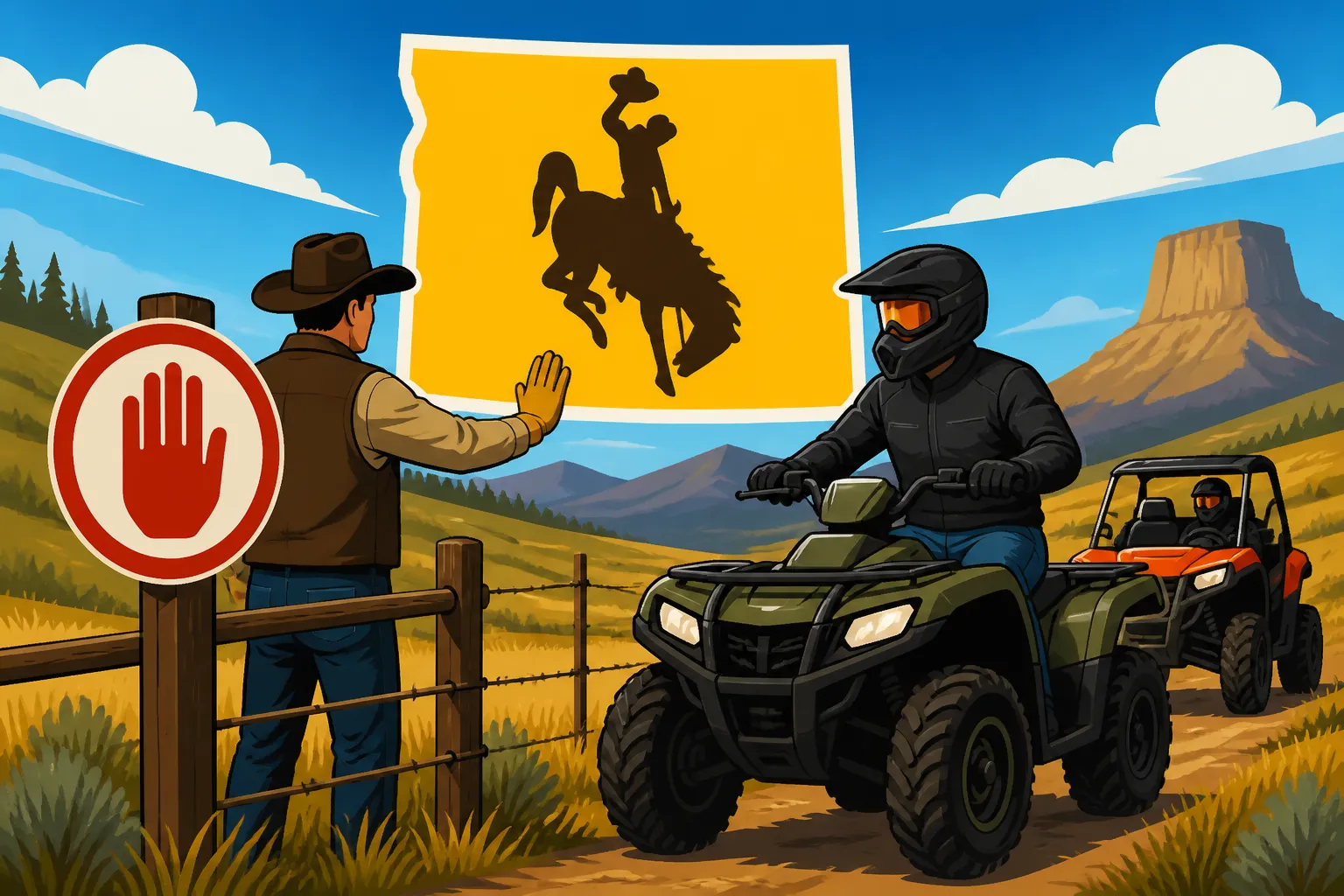
Let’s be direct: in Wyoming, if land is privately owned, you absolutely, unequivocally need permission from the landowner to ride on it. This isn't just a suggestion; it's the law. Imagine someone driving their truck through your backyard without asking. You’d be pretty upset, right? It's the same principle for landowners here. They pour their lives and livelihoods into their property, and allowing uncontrolled access can lead to damaged fences, disturbed livestock, fire hazards, and a whole host of other problems. Without prior, explicit permission, you are trespassing, plain and simple.
The consequences of riding on private land without permission can range from a stern warning to significant fines, confiscation of your machine, and even legal action. It’s not worth the risk, and it certainly doesn't foster good relationships between the riding community and landowners. A simple conversation or a polite request can often open doors to incredible riding opportunities that you’d otherwise miss.
Identifying Private Versus Public Land
One of the biggest challenges for riders in Wyoming is accurately identifying what’s public and what’s private, especially in checkerboard areas where private and public lands are intermingled. Maps are your absolute best friend here. Detailed topographical maps, often available from the Bureau of Land Management (BLM) or Forest Service, can show property boundaries. Many modern GPS units and smartphone apps also offer layers that clearly delineate land ownership. It's a good practice to always ride with these tools, especially when exploring new areas.
However, even with maps, the real world can present challenges. Boundaries might not be clearly marked on the ground, or a fence might separate two private parcels, not necessarily private from public. [Wyoming Rules for Riding a Two-Track] explains how even a two-track that looks like a public thoroughfare can often be on private property. Look for "No Trespassing" signs, purple paint on fence posts (a common sign of private property in many states, though less universal in Wyoming), or even active ranching operations like cattle or equipment. When in doubt, always err on the side of caution: assume it's private unless you have definitive proof otherwise, or better yet, ask.
The Legal Ramifications of Trespass
Riding on private land without permission in Wyoming isn't just a breach of etiquette; it carries specific legal penalties. Understanding these laws can help you avoid costly mistakes and maintain a good standing within the riding community.
Wyoming's Trespass Laws for Riders
Wyoming law is quite clear when it comes to trespass. Generally, entering or remaining on private land without the express permission of the landowner or their agent constitutes criminal trespass. This applies whether the land is fenced, unfenced, cultivated, or open range. For ATV and UTV riders, this means any foray onto private property, even just to turn around or cut a corner, can be considered trespass if you haven't received permission. It doesn't matter if you thought it was public, or if there were no signs; the responsibility falls on you to know where you are.
Penalties can vary depending on the specific circumstances and whether it's a first offense or repeated violation. You could face misdemeanor charges, leading to significant fines. Additionally, property owners have the right to pursue civil actions for any damages caused to their land, fences, or crops. This can quickly escalate beyond a simple ticket, potentially costing you thousands of dollars in legal fees and restitution. Riding a machine from a brand known for its durability, like a SuperATV-equipped side-by-side, might help you conquer tough terrain, but it won't protect you from trespass laws if you're on the wrong side of a property line.
Consequences Beyond Fines
Beyond the immediate financial hit, there are other serious consequences to consider if you're caught trespassing. Law enforcement or the landowner may have your ATV or UTV impounded. This means not only paying fines but also impoundment fees to retrieve your machine. In some cases, repeated or egregious trespass could even lead to your vehicle being seized permanently. Imagine losing your prized off-road vehicle just because you didn't take the time to verify property lines.
Moreover, trespassing damages the reputation of all off-road riders. When a landowner has a negative experience with a rider, it often leads to stricter enforcement, more "No Trespassing" signs, and a general reluctance to grant permission to anyone. This can result in less access for everyone, including those who always ride responsibly. Building trust and showing respect for private property is essential for the long-term health of the riding sport in Wyoming. It’s also important to remember that the legal implications might not just be about fines; [Wyoming Rules for Crossing Private Land] are often tied to landowner rights and protections.
Navigating Access: Getting Permission
The best way to avoid trespassing and potentially unlock new riding areas is to simply ask for permission. While it might feel intimidating, a polite and respectful approach can go a long way.
How to Approach Landowners
Approaching a landowner for permission is an art, not a science, but there are some best practices that significantly increase your chances of success. First and foremost, be respectful of their time and property. Don't show up unannounced at dinner time, or on a Sunday morning during church hours. Try to find a time when they might be less busy, and always be prepared to accept "no" graciously. Start with a simple introduction, explain who you are, and why you’re interested in riding on their land. Be specific about your intentions: "I'd like to ride my side-by-side on the old two-track near the north fence line, just to access the public land beyond, and I promise to stay on the established trail."
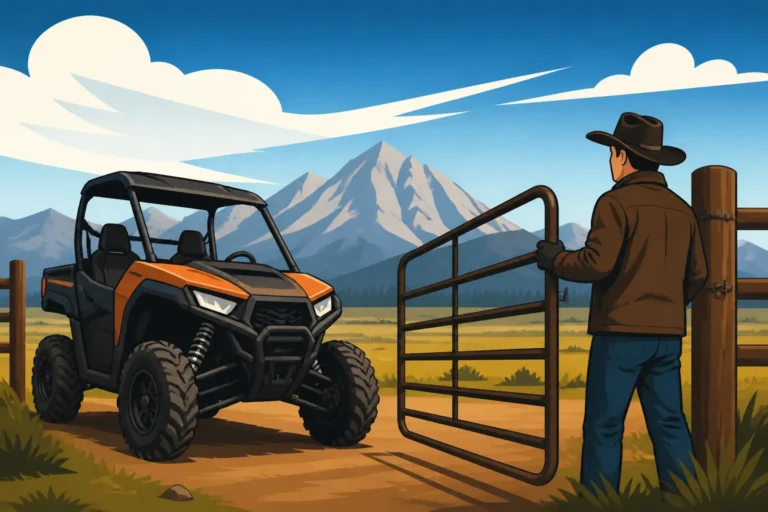
Offer reassurance. Let them know you understand their concerns about gates being left open, livestock being spooked, or fire danger. Emphasize that you’ll close all gates, stay on designated routes, and be mindful of their operations. You might even offer to help with a small chore if they're busy, although this isn't always necessary. Building a personal connection and demonstrating your responsibility can turn a simple inquiry into a long-standing privilege. This is especially true for [Wyoming Rules for Opening a Gate] and ensuring you leave things as you found them.
Documenting Your Permission
If a landowner grants you permission, it's always a good idea to get it in writing, even if it's just a simple note. This protects both you and the landowner. A written agreement clarifies the terms of your access – where you can ride, when, and for how long. It minimizes misunderstandings and provides proof if you ever encounter a game warden or another individual questioning your presence.
A basic written permission slip could include:
- The date
- Your name and contact information
- The landowner's name and contact information
- A clear description of the land (e.g., "my property located 5 miles west of Townsville on County Road 123")
- Specifics of the permission granted (e.g., "permission to ride an ATV/UTV on existing ranch roads for recreational purposes from July 1st to September 30th, staying clear of active grazing areas.")
- Any special conditions (e.g., "all gates must be closed," "no riding after dark," "carry proof of insurance").
- Both your signatures.
Always carry this written permission with you when riding on their property. It's much more reliable than a verbal agreement and can save you a lot of hassle. If you're riding a machine that's equipped for rough terrain, maybe with SuperATV’s heavy-duty suspension, it’s a sign you’re serious about your machine, and equally serious about respecting the land.
Special Cases and Considerations
Wyoming's vast landscape presents a few unique situations where land access can be particularly confusing for ATV and UTV riders. Understanding these nuances is key to responsible riding.
Section Lines and County Roads
Wyoming's landscape is often laid out in a grid, with "section lines" marking survey divisions. These sometimes appear as faint two-tracks or undeveloped corridors. It’s a common misconception that all section lines are public access routes. While some may be dedicated as public roads or easements, many are not. Just because a section line theoretically exists on a map doesn't mean you automatically have the right to ride your ATV or UTV along it, especially if it crosses private property. Unless a section line has been legally established as a public right-of-way by the county or other governmental entity, it is considered part of the private land it crosses.
Riding on a section line without confirmed public access is trespassing. Always check with county road departments or use up-to-date land ownership maps to verify the legal status of a section line before venturing onto it. Similarly, [Wyoming Rules for Riding a County Road] are very specific. While county roads are generally public, many private roads connect to them, and it's easy to mistakenly veer onto private land. Again, clear mapping and signs are your best defense against accidental trespass.
Grazing Leases and State Trust Land
Wyoming has a significant amount of federal land (like BLM or National Forest) and state trust land that is often leased to ranchers for grazing. Many riders assume that because it's federal or state land, it's always open to the public for recreational riding. This isn't entirely true, especially when it comes to grazing leases. While the public generally retains access rights to federal lands, these rights come with responsibilities, particularly regarding active grazing operations. You still need to be incredibly respectful of livestock, gates, and any infrastructure put in place by the lessee. [Wyoming Rules for Riding a Grazing Lease] dictate that you must not harass livestock, damage fences, or interfere with ranching operations.
State Trust Land (STL) in Wyoming is another distinct category. While public access is often allowed for recreational purposes, you generally need to purchase a specific recreational use permit from the Office of State Lands and Investments. [Wyoming State Trust Land Permit Cost] is usually an annual fee, and it's separate from your regular ORV permit. Simply having a Wyoming ORV decal does not grant you access to State Trust Land; you need that additional permit. Always check the specific rules and requirements for the particular parcel of State Trust Land you wish to ride. A durable machine, perhaps with SuperATV bumpers and skid plates, will serve you well on all terrains, but responsible riding includes knowing the rules for each type of land.
Here’s a quick overview of land access considerations in Wyoming:
| Land Type | Permission Required? | Key Considerations |
|---|---|---|
| Private Land (unleased) | Always, explicitly from landowner. | Written permission recommended. Respect property, livestock, and closed gates. |
| Federal Land (BLM, Forest Service) | Generally No, but check specific routes. | Stick to designated routes (MVUMs). Respect grazing leases and seasonal closures. |
| State Trust Land | Yes, a State Trust Land Recreational Use Permit is required. | Must purchase additional permit. Follow specific rules for STL. |
| Grazing Leases (on public land) | No permission from lessee, but strong respect needed. | Do not interfere with livestock or ranching operations. Close all gates. Stick to routes. |
| Section Lines | Yes, unless legally designated as public access. | Assume private until proven public. Verify with county. |
| County Roads | No, generally public. | Stay on the road; adjacent land is often private. Be aware of traffic laws. |
Disclaimer
This article is for general informational purposes only and does not constitute professional advice. Laws, prices and regulations vary by location and change over time. Consult a qualified professional for guidance on your specific situation.