Wyoming Rules for a Trust Land Two-Track
Riding Wyoming's vast and varied landscape is a dream for many off-road enthusiasts, but the joy of discovery can quickly turn into frustration, or worse, a citation, if you're not crystal clear on which lands you're on and whose rules apply. One area that often trips up even seasoned riders is navigating two-tracks that cross Wyoming's State Trust Lands. These aren't your typical federal public lands, and understanding the specific requirements for access is crucial to avoid an unexpected encounter with local authorities or upset landowners. This guide will walk you through everything you need to know about legally and responsibly riding a two-track on Wyoming's State Trust Lands, ensuring your adventures stay on the right side of the law.
Understanding Wyoming's State Trust Lands
Before we dive into the nitty-gritty of riding, it's essential to understand what State Trust Lands are and how they differ from the more commonly known public lands like those managed by the Bureau of Land Management (BLM) or the U.S. Forest Service. Many riders mistakenly lump all non-private, non-paved land into one "public" category, but this oversight can lead to significant issues.
What Makes Trust Lands Different?
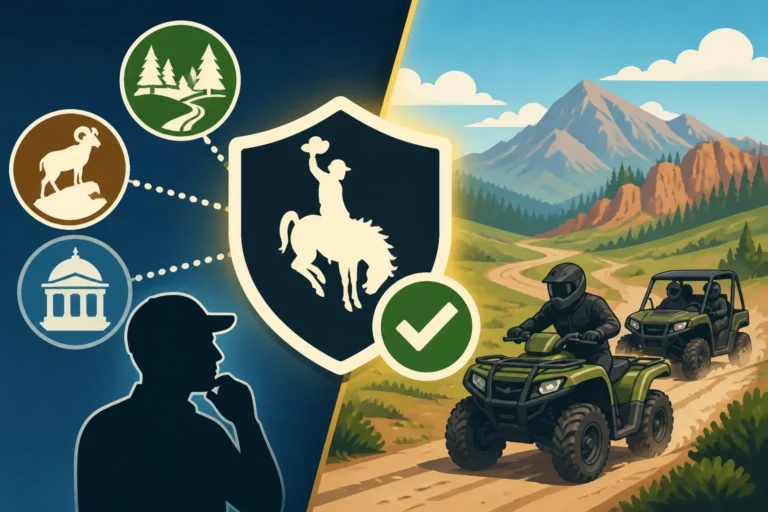
Wyoming's State Trust Lands aren't "public" in the same vein as national forests or BLM acreage. Their primary purpose isn't public recreation, but rather to generate revenue to support public institutions, primarily K-12 education, but also universities and other state beneficiaries. These lands were granted to Wyoming by the federal government at statehood, with the explicit directive to manage them for the financial benefit of these trusts. Think of the State of Wyoming, through its Office of State Lands and Investments (OSLI), as a trustee, obligated to manage these lands to produce income.
This fundamental difference means that while you might find a two-track snaking across a beautiful sagebrush plain, the rules for accessing and using it on State Trust Land are often more restrictive than on federal lands. The goal is to protect the asset and ensure it continues to generate revenue, which often involves grazing leases, mineral extraction, or other commercial activities. This means that access for recreational pursuits is secondary and subject to specific conditions designed to prevent conflict with primary land uses and to protect the land itself.
The Role of the Office of State Lands and Investments
The OSLI is the agency tasked with managing these trust lands. They oversee everything from leasing the land for grazing cattle to managing timber sales and mineral rights. Because these lands are managed with a revenue-generating objective, public recreational access is granted via a permit system. This is a crucial distinction: you cannot simply assume open access, even if a two-track looks inviting. The OSLI sets the rules and administers the permits, which are designed to balance public access with their fiduciary responsibility. It's a system that, while sometimes perplexing to recreational users, serves a very specific and important purpose for the state.
The Essential Recreational Use Permit (R.U.P.)
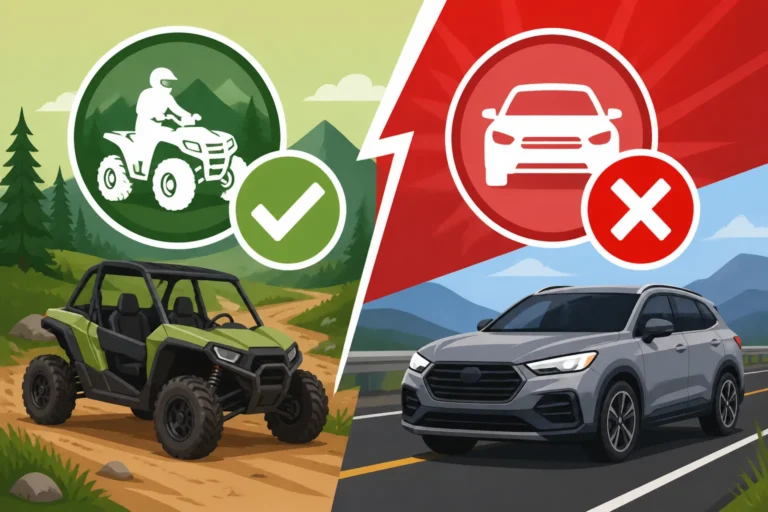
This is where many riders get into trouble. You might have your Wyoming ORV decal proudly displayed, believing you're good to go on any designated trail, but State Trust Lands require an additional permit. This is the Recreational Use Permit, often referred to as a R.U.P., and it's non-negotiable for riding your ATV or UTV on these specific parcels of land.
Why You Need a Separate Permit for Trust Lands
The Wyoming ORV Permit, which is required for all off-road vehicles on designated public lands and trails within the state, helps fund the Wyoming State Trails Program. It's a fantastic initiative that helps maintain and expand the incredible network of trails we all love to ride. However, that permit is specifically for federal and state lands enrolled in the trails program, or for areas where an agreement has been made. State Trust Lands operate under a different mandate entirely.
Because State Trust Lands are managed to generate revenue for specific beneficiaries, the OSLI has its own permit system to manage recreational access. This permit helps the OSLI track use, mitigate potential conflicts with other land uses (like ranching), and contribute to the cost of administering recreational access. It's not about being greedy; it's about fulfilling their legal obligation to the trusts they manage. So, even if you have your [Wyoming ORV Permits Explained], you still need a separate R.U.P. to legally traverse those trust land two-tracks.
How to Obtain a Recreational Use Permit
Getting your R.U.P. is a straightforward process, but it's something you need to do before you hit the trail. These permits are typically annual and cover a range of non-commercial recreational activities, including off-roading. You'll usually find information and application forms on the OSLI website. They often have different types of permits: a general recreational use permit for common activities, and sometimes special activity permits for more organized or impactful events. For most casual ATV/UTV riding, the general recreational use permit is what you'll need.
It's critical to understand that this permit is for the land access itself. It doesn't replace your ORV decal, nor does it make your machine street legal. It's simply the key to unlocking legal access to those specific two-tracks and areas on State Trust Lands. Always check the OSLI website for the most current information regarding permit types, fees, and application procedures. It's a small investment that saves you a lot of headache down the road. You can usually apply and pay for your [Buying a Recreational Use Permit] online, which is super convenient for planning your trips.
Navigating Two-Tracks on Trust Lands
Now that you understand the "why" and "how" of permits, let's talk about the actual riding experience on these two-tracks. These aren't always well-maintained, clearly marked trails; they can often be challenging and require careful navigation.
Identifying Open Two-Tracks and Routes
Just because a two-track exists on State Trust Land and you have a R.U.P. doesn't mean it's open for motorized travel. This is a critical point! The OSLI, like other land management agencies, may have specific designations for certain routes. Many two-tracks serve as access roads for grazing operations, oil and gas wells, or simply historical routes that aren't intended for public recreational use.
Your R.U.P. grants you permission to be on the land for recreation, but it doesn't automatically open every single two-track. You MUST consult OSLI maps, which are typically available on their website, to identify officially designated routes. These maps will show which two-tracks are open to travel and which are not. Always look for signage on the ground as well; signs can indicate closures, private property boundaries, or restrictions that might not be immediately apparent on a map. When in doubt, err on the side of caution and find an alternative route. This careful planning helps prevent issues like [Wyoming Fines for Riding Off a Route].
Encountering Gates, Fences, and Livestock
Riding on State Trust Lands often means encountering active ranching operations. Many of these lands are leased for grazing, and you'll likely come across gates, fences, and livestock. This is where good trail etiquette and respect for the land's primary use become paramount.
Gates: The golden rule for gates is simple: if you open it, close it. This is not just a polite gesture; it's a critical part of ranching operations. Leaving a gate open can allow livestock to wander off, mix with other herds, or access dangerous areas, creating significant financial and logistical problems for the leaseholder. Always assume a closed gate is meant to be closed. For more guidance on this, check out [Wyoming Rules for Opening a Gate].
Fences: Fences on trust lands are there for a reason – usually to manage livestock or mark boundaries. Never cut or damage a fence to gain access or to create a shortcut. This is illegal, costly, and extremely disrespectful to the leaseholder.
Livestock: You are very likely to encounter cattle, sheep, or horses on trust lands. Always slow down, give them a wide berth, and never harass or chase livestock. Remember, these animals are someone's livelihood. Passing quietly and slowly shows respect and prevents stampedes or undue stress on the animals. Knowing [Wyoming Rules for Riding Near Livestock] is vital for a smooth ride.
Common Pitfalls and Best Practices
Riding on State Trust Lands offers unique challenges and rewards. By being prepared and respectful, you can enjoy these areas responsibly.
Respecting Leased Areas and Boundaries
It's easy to get lost in the wide-open spaces of Wyoming, and sometimes, a two-track might skirt the edge of, or even cross through, private property or different types of public land. Your R.U.P. is specific to State Trust Lands. You do not have permission to ride on adjacent private land without the landowner's explicit permission. This means carrying reliable navigation tools is crucial. A GPS unit preloaded with land ownership maps, combined with physical maps, can be a lifesaver. This diligence prevents accidental trespass, which falls under [Wyoming Rules for Riding Private Land].
Also, be aware that many trust lands have active energy development, such as oil and gas wells. Respect any posted signs indicating "no trespassing" or "authorized personnel only" around these industrial sites. These are not recreational areas, and unauthorized access can be dangerous and illegal.
Environmental Stewardship and Trail Ethics
Just like on any other riding area, practicing good environmental stewardship is essential on State Trust Lands. This means staying on established two-tracks and designated routes. Do not create new trails, cut across fragile vegetation, or ride through wet, muddy areas that could lead to significant erosion. These lands are part of Wyoming's natural heritage and need to be protected for future generations.
Pack out everything you pack in. Leave no trash behind. If you see trash left by others, consider packing out a bit extra if you have the space. This simple act helps maintain the beauty of the landscape and prevents attracting wildlife to unnatural food sources. Riding responsibly also means ensuring your machine is in good working order, especially regarding spark arresters and mufflers. Excessive noise or the risk of a fire from an improperly maintained exhaust system can lead to closures and negative perceptions of off-road riders.
When tackling the varied terrain of Wyoming's two-tracks, a robust setup can make all the difference. Companies like SuperATV offer a range of products, from heavy-duty skid plates to winches and lighting upgrades, that can equip your machine for these less-traveled paths. Having reliable accessories means you're prepared for anything from rocky sections to unexpected mud holes, helping you stay on designated routes and prevent damage to your machine or the environment.
Safety and Preparedness
Even on what might seem like a simple two-track, conditions can change rapidly in Wyoming. The weather can shift from sunny to stormy in minutes, and help can be hours away. Always ride with a buddy or let someone know your planned route and expected return time. Carry emergency supplies, including water, food, a first-aid kit, and communication devices (recognizing that cell service can be spotty to non-existent in remote areas). A satellite messenger or personal locator beacon can be a wise investment for deep backcountry exploration.
Furthermore, ensure your machine is properly maintained. A breakdown far from civilization on a remote two-track can quickly turn a fun outing into a serious situation. Check your tires, fluid levels, and overall mechanical condition before each ride. A strong, reliable winch, perhaps one from SuperATV, is always a good idea when exploring these often isolated routes where getting stuck is a real possibility.
Summary Table: Trust Land Rules at a Glance
To help consolidate the key differences, here's a quick comparison of general rules for State Trust Lands versus other common land types you might encounter in Wyoming:
| Land Type | Primary Purpose | Required Permit (Recreation) | ORV Decal Required | General Access Rule |
|---|---|---|---|---|
| State Trust Land | Revenue for Public Trusts | YES (R.U.P.) | YES | Restrictive; check OSLI maps for open routes |
| National Forest | Multiple Use; Conservation | NO | YES | Designated routes only; check MVUMs |
| BLM Land | Multiple Use; Conservation | NO | YES | Designated routes/open areas; check Travel Plans |
| Private Land | Owner's Use | NO (Owner's Permission Needed) | NO (on private land) | Express Permission from Landowner Required |
Remember, the R.U.P. is in addition to your [Wyoming's Annual ORV Permit] if you're riding an off-road vehicle.
By understanding these nuances, obtaining the correct permits, and riding with respect and preparedness, you can unlock incredible riding experiences on Wyoming's State Trust Lands. Enjoy the solitude and beauty, but always do so responsibly and legally. And remember, out on those remote two-tracks, having reliable gear, even sturdy storage solutions from SuperATV, can make your trip much more enjoyable and hassle-free.
Disclaimer
This article is for general informational purposes only and does not constitute professional advice. Laws, prices and regulations vary by location and change over time. Consult a qualified professional for guidance on your specific situation.