Why Evanston Pushed for the Rule
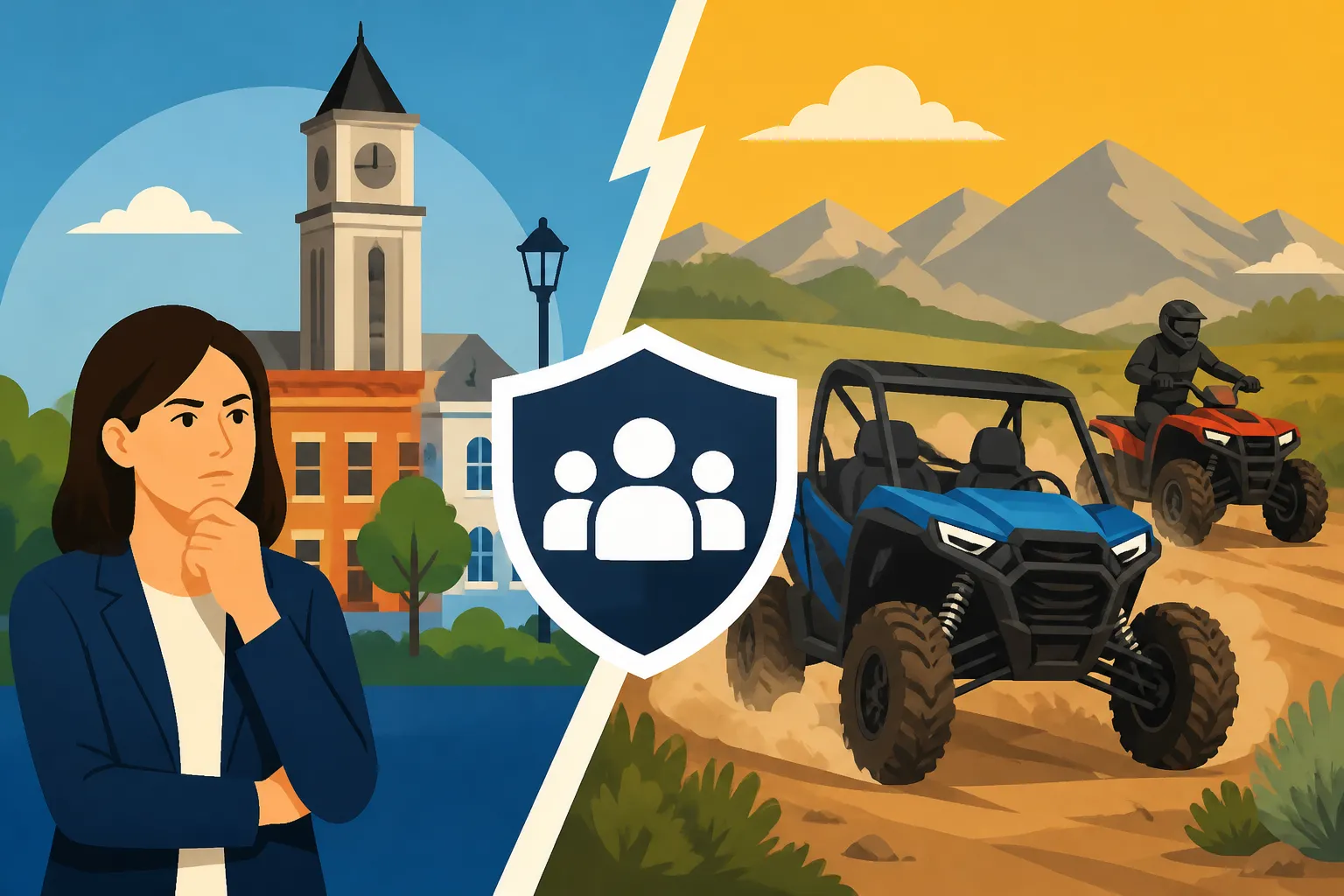
Living in a community that's physically split by a major highway can be a real headache, especially if you love to get out and explore the vast open spaces Wyoming offers on your ATV or side-by-side. For folks in Evanston, Wyoming, this wasn't just an inconvenience; it was a fundamental barrier that separated them from their cherished riding areas, making access frustratingly difficult. This guide is all about understanding why Evanston took a stand and championed the state rules that allow off-road vehicles to legally cross and sometimes even ride on certain highway segments, finally bridging that divide.
The Frustration of a Split Community
Imagine looking at vast, beautiful trails on the other side of an interstate, knowing they're just a few miles away, but having to trailer your machine for what feels like an hour-long detour to get there. That was the daily reality for many in Evanston, a reality that gradually grew into a powerful push for change.
Evanston's Unique Geographical Challenge
Evanston sits in a truly beautiful part of Wyoming, nestled in the southwestern corner, offering riders access to stunning landscapes, from the Uinta Mountains to rolling sagebrush hills. Historically, residents could easily access these areas, often just riding out from their property. However, the construction and subsequent expansion of Interstate 80 carved a significant path right through the region, including adjacent to and sometimes through Evanston itself. This wasn't just a road; it became a concrete river, flowing with fast-moving traffic, creating an impenetrable barrier for off-road vehicles. Suddenly, local riders found themselves cut off from the very public lands they'd enjoyed for generations, unless they loaded up their machines and drove around the obstruction. This geographical reality meant that what was once a quick jaunt to the trail became a logistical puzzle.
The Growing Popularity of Off-Road Riding
As ATVs and side-by-sides grew in popularity, becoming more comfortable, capable, and versatile, more people wanted to use them for recreation, hunting, and even just running errands around properties that spanned both sides of the interstate. These aren't just toys; for many, they are essential tools for accessing the backcountry, checking fences, or just enjoying the Wyoming lifestyle. With manufacturers like SuperATV offering a huge array of accessories and upgrades, machines became even more adaptable. The number of residents and visitors wanting to ride kept climbing, and with that came a louder chorus of voices expressing frustration over the access problem. Families wanted to spend weekends exploring; hunters needed direct routes to their hunting grounds; and local businesses saw the economic potential of welcoming more riders. The demand for better, more direct access to the trails became undeniable.
How the Interstate Became a Barrier
The problem wasn't just the interstate itself, but the legal framework around it. For years, ATVs and UTVs were strictly prohibited from operating on interstate highways or even crossing them without being trailered. This made perfect sense for safety reasons – you wouldn't want a slow-moving off-road vehicle sharing lanes with semi-trucks going 80 mph. However, it created a choke point. In Evanston's case, some riding areas were literally on one side of I-80, and homes, businesses, and essential services were on the other. This forced riders into long, roundabout trips, often involving loading and unloading machines multiple times, just to get to a segment of trail a stone's throw away. It significantly reduced the spontaneity and enjoyment of riding, and for many, it simply wasn't practical. This constant battle with the concrete divide was at the heart of Evanston's urgent plea for a new solution, ultimately leading to the specific rules now known as [Wyoming Rules for Crossing an Interstate].
The Push for Change: Local Advocacy and State Law
The frustration in Evanston didn't just simmer; it boiled over into organized action. Community leaders, local businesses, and passionate riders realized that if things were going to change, they needed to make their voices heard at the state level.
Early Efforts and Community Mobilization
The journey began with conversations – in coffee shops, at community meetings, and at local powersports dealerships. People shared their stories: the missed hunting opportunities, the inconvenience for ranch hands, the potential tourism dollars lost. These informal discussions quickly turned into more formal lobbying efforts. Local elected officials, understanding the gravity of the situation for their constituents, became key allies. They started by gathering data, documenting the economic impact of inaccessible trails, and presenting compelling cases to state legislators. Riders themselves formed advocacy groups, writing letters, making phone calls, and even traveling to Cheyenne to testify. The argument was simple: while safety was paramount, there had to be a way to responsibly connect a divided community with its recreational lands. This collective effort demonstrated the true power of grassroots advocacy.
Understanding Wyoming's MPV Designation
Part of the solution involved leveraging an existing, albeit underutilized, legal category in Wyoming: the Multipurpose Vehicle (MPV) designation. Prior to this push, many off-road vehicles couldn't legally operate on any paved public roads, let alone cross an interstate. The MPV classification, however, offered a pathway. [Wyoming's MPV Definition in W.S. 31-1-101] outlines specific requirements for an ORV to be considered an MPV, including weight limits, seat height, and essential road-legal equipment like headlights, taillights, brake lights, mirrors, and a horn. The beauty of the MPV classification is that it allows a vehicle, if properly equipped and registered, to operate on designated public roads. This was a game-changer because it created the legal mechanism for what Evanston was seeking: a way for their machines to be road-legal enough to navigate controlled crossings or short stretches of state highways. Riders looking to upgrade their machines often turn to companies like SuperATV for the necessary mirrors, lights, and other accessories to meet these requirements.
Crafting the Legislative Solution
Armed with a clear understanding of the MPV designation and the dire need for Evanston, local advocates worked closely with state legislators to craft specific amendments and new laws. This wasn't about making all ATVs street legal everywhere; it was about creating highly controlled, designated opportunities for interstate crossings and limited road travel where it made sense. The result was the enactment of [The WYDOT Chapter 33 Rule of 2025] (referring to a regulatory framework developed by the Wyoming Department of Transportation), which specifically addressed the conditions under which an MPV could legally cross an interstate highway. This rule established strict criteria, including the designation of specific crossing points, signage requirements, speed limits, and even annual limits on the number of vehicles that could use certain crossings. It was a carefully balanced approach, prioritizing safety while providing much-needed access. The legislation marked a significant victory for Evanston, demonstrating how local needs can drive state-level policy change.
The Impact of the New Rule on Evanston and Beyond
The new rules weren't just a win on paper; they had tangible, positive effects on the ground, both for Evanston residents and potentially as a blueprint for other communities facing similar challenges.
Bridging the Divide: Benefits for Riders and Businesses
For riders in Evanston, the ability to legally cross the interstate meant a drastic reduction in travel time and logistical hassle. No longer did they need to load up a side-by-side like a Polaris Ranger onto a trailer, drive for twenty minutes, unload it, ride, then reverse the whole process. Now, at designated points, they could simply ride their properly equipped and registered MPV across, reconnecting directly with trails and public lands. This convenience fostered a renewed enthusiasm for riding, encouraging more locals to enjoy the outdoors.
The economic benefits for Evanston were also significant. With easier access, the town became a more attractive destination for off-road tourism. Visitors, knowing they wouldn't face frustrating detours, were more inclined to stay in Evanston, patronize local restaurants, buy supplies from gas stations and convenience stores, and even purchase parts and accessories from local powersports dealers. This influx of recreational dollars provided a welcome boost to the local economy, proving that investing in responsible trail access can pay dividends for small towns. The rule essentially helped stitch the community back together, both geographically and economically.
Managing the Crossings: Logistics and Limitations
While the rule was a victory, it came with careful logistical considerations to ensure safety. The designated interstate crossings aren't free-for-alls. They are specific points, clearly marked, where MPVs can transition from one side of the highway to the other. There are often speed restrictions, and riders are expected to exercise extreme caution, yielding to all other traffic. These crossings are typically grade-separated (meaning you're usually going over or under the main traffic lanes) or at very low-traffic intersections designed specifically for this purpose.
The state also implemented a cap on the number of machines allowed to use certain crossings annually, as detailed in [How the 1,000 Machine a Year Cap Works]. This limit helps manage traffic flow and minimizes potential conflicts. Riders planning to use these crossings must be aware of the specific rules for their chosen route, as regulations can vary. It's not just about having the right machine; it's about knowing and following the designated path and understanding the potential limitations. Your machine must meet [Wyoming Equipment a Wyoming Road Machine Needs] to be legal.
Here's a quick overview of key considerations:
| Aspect | Pre-Rule Challenge (Evanston) | Post-Rule Solution (Evanston) |
|---|---|---|
| Trail Access | Interstate created impassable barrier to local trails. | Designated crossings allow direct access to remote trailheads. |
| Travel Time | Long detours and trailering required. | Shorter, direct rides via designated crossings. |
| Economic Impact | Lost tourism revenue, frustrated local businesses. | Increased local spending from riders, boost to economy. |
| Legal Status | ORVs prohibited from public road sections. | MPVs allowed on designated road sections and crossings. |
| Safety Concerns | Unsafe, illegal crossings or long, dangerous detours. | Controlled, marked crossings with specific safety protocols. |
| Community Cohesion | Divided access, sense of separation. | Reconnected community, improved recreational opportunities. |
A Model for Other Split Communities
Evanston's success became a significant case study for other communities in Wyoming and beyond that face similar challenges. Many towns in the state, such as those near national forests or BLM lands, are bisected by state highways or federal interstates, creating similar access issues. The process that Evanston went through – community organizing, understanding state law (like [Wyoming's MPV Path to the Road]), lobbying efforts, and careful legislative crafting – provided a roadmap.
Other areas could now look to Evanston's experience to advocate for their own designated crossing points or expanded road use for MPVs. This isn't to say every town will get an interstate crossing, but it highlights the possibility of tailored solutions that balance public safety with recreational access. The rule is a testament to what can be achieved when a local community champions a cause that resonates with state-level policy makers. It fundamentally changed how [Wyoming What Wyoming Law Says About ORVs on Roads] is interpreted in certain critical scenarios.
Practical Advice for Riding Near Evanston
If you're planning to ride your ATV or UTV in the Evanston area, especially with the intention of utilizing these interstate crossings or designated roads, a little preparation goes a long way.
Preparing Your Machine for Road Sections
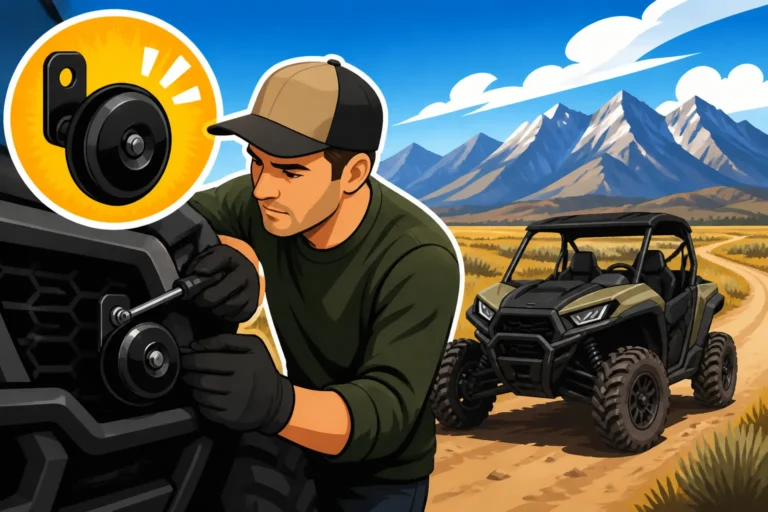
Making sure your machine is up to snuff for road travel is absolutely crucial. Remember, the MPV designation isn't just a label; it comes with requirements. You'll need working headlights, taillights, brake lights, and a horn. Most side-by-sides come with some of these features, but you might need to add or upgrade others. A good set of mirrors is a must for visibility. Many riders opt for aftermarket kits from companies like SuperATV that bundle all the necessary road-legal components, making the conversion straightforward.
It's also important to have proper tires. While knobby tires are great for dirt, they can wear quickly and handle differently on pavement. Ensure your brakes are in excellent working order. Always carry your vehicle registration, proof of insurance, and your Wyoming ORV permit [Wyoming's Annual ORV Permit] when riding, as these will be checked by law enforcement, especially on road segments. Even if you're just planning a short ride on [Wyoming Rules for Riding a County Road], checking your machine beforehand is a smart move.
Understanding Local Regulations and Signs
Riding responsibly means knowing where you can and cannot go. Even with the new rules, not every road or every interstate crossing is open to MPVs. You must stick to designated routes and crossings. Look for specific signage that indicates MPV access. These signs are there for your safety and to protect sensitive areas. Ignorance of the rules is not an excuse for breaking them, and fines can be significant.
Before heading out, consult current maps from the Forest Service or BLM (Bureau of Land Management) for the area you plan to visit. These maps, often called Motor Vehicle Use Maps (MVUMs), clearly mark which roads and trails are open to which types of vehicles. The state's [Wyoming Trails Program Contact] can also provide valuable resources and information. Pay close attention to any seasonal closures or fire restrictions, which can change rapidly. Always respect private property boundaries and obtain permission before crossing private land. By being informed and prepared, you can ensure your riding experience near Evanston is both enjoyable and legal.
Disclaimer
This article is for general informational purposes only and does not constitute professional advice. Laws, prices and regulations vary by location and change over time. Consult a qualified professional for guidance on your specific situation.