Packing an Elk Out by Machine
The thrill of harvesting a magnificent elk in Wyoming's vast backcountry can quickly turn to a logistical challenge: how do you get hundreds of pounds of meat from remote terrain back to your truck? Packing out an elk is physically demanding and time-sensitive. This guide will provide crucial insights into Wyoming's regulations and best practices for safely and legally using your ATV or UTV to recover your hard-earned game.
Understanding Wyoming's Rules for Game Retrieval
You’ve dropped a bull elk, and the euphoria is immense. Now, your mind immediately goes to the logistics. The good news is that using an ATV or UTV for game retrieval is often permitted in Wyoming, but it’s absolutely critical to understand the specific rules to avoid hefty fines and preserve access for everyone. The most common mistake hunters make is assuming they can drive anywhere off-road to retrieve their game. That’s usually not the case.
Designated Routes and Off-Route Travel
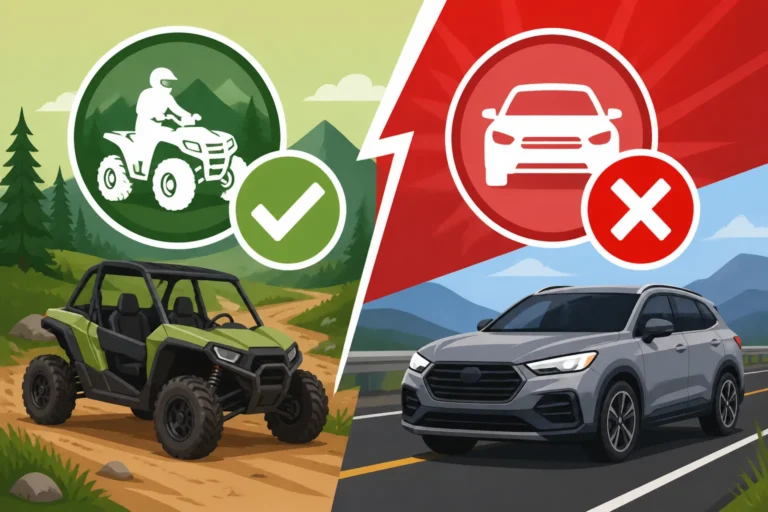
Wyoming, like many Western states, operates under a designated route system for off-road vehicle travel on public lands. This means you can only operate your ATV or UTV on roads and trails specifically marked and designated as open for that use. This applies to both hunting and game retrieval. You cannot simply drive cross-country off a designated route to reach your downed animal, no matter how close it seems. Violating this rule can result in significant penalties, including fines for [Wyoming Fines for Riding Off a Route].
However, there's a critical nuance for game retrieval: some land management agencies in Wyoming, like the U.S. Forest Service and Bureau of Land Management (BLM), may have specific exceptions or regulations regarding temporary, limited off-route travel for retrieving already harvested game. These exceptions are usually highly restrictive. For instance, they might only apply to certain types of machines (like a narrow ATV versus a wide side-by-side) or require you to stay within a very short distance of an open route, often measured in feet, not miles. Always check the specific Travel Management Plan or Motor Vehicle Use Map (MVUM) for the area you are hunting before you head out. These maps clearly show [Wyoming's Enrolled Roads and Trails] and any specific rules for game retrieval. These maps are your bible in the field.
Quartering, Boning, and Legal Transport
Given the restrictions on off-route travel, many hunters find themselves quartering or boning out their elk in the field and then packing the meat out to a designated route. This is often the most practical and legal approach. An adult elk can weigh anywhere from 500 to 1,000 pounds or more, and even a cow can easily top 300 pounds. Trying to drag a whole animal, especially one that has been soaking up blood, is a monumental task that can damage the meat and exhaust you.
When quartering, remember to keep proof of sex and species as required by Wyoming Game and Fish Department regulations. This usually means leaving a portion of the hide with the sex organs attached to one of the quarters. Once the meat is boned out or quartered, it becomes much more manageable to load onto your machine. Even if you can drive to within a short distance of the animal, having it in smaller, manageable pieces will make loading significantly safer and easier on your machine’s suspension. [Wyoming Rules for Retrieving Game] often outline these important details.
Preparing Your Machine for the Pack-Out
Your standard trail-riding setup might not be enough to handle the sheer weight and bulk of an elk. Thinking ahead and outfitting your ATV or UTV for the task will save you immense headaches and potential damage to your machine or the meat.
Heavy-Duty Racks and Cargo Solutions
First and foremost, you need a robust way to carry the weight. Factory racks on ATVs are often designed for lighter loads. For UTVs, while they have a bed, it’s still important to consider how you’ll secure the load. Investing in heavy-duty cargo racks, especially on an ATV, is a game-changer. These are built to handle hundreds of pounds and often extend further, providing more surface area. You might also consider specific cargo baskets or boxes designed to fit securely onto your racks.
When choosing a solution, think about material and attachment points. Steel racks are generally more durable than aluminum for this kind of work. Ensure they attach firmly to your machine's frame, not just to existing plastic components. For UTVs, look into bed extenders or specialized cargo systems that can help organize and secure the quarters. Products from companies like SuperATV offer a range of heavy-duty racks and bed accessories specifically designed for the rigors of off-road utility and hunting, providing the extra strength and capacity you'll need. Don't forget high-quality ratchet straps and bungee cords to secure your load tightly, preventing shifting that could lead to instability or damage.
Suspension Upgrades and Tire Considerations
Packing out an elk means adding hundreds of pounds of unevenly distributed weight to your machine. Your stock suspension might not be up to the task. You'll notice sagging, decreased ground clearance, and a much "mushier" ride, which can be dangerous. Consider upgrading your shocks or adding heavier-duty springs, especially if you plan on hauling big game regularly. Air shocks or adjustable coil-overs can be particularly useful, allowing you to stiffen the suspension when carrying a heavy load and soften it for everyday riding.
Tires also play a crucial role. While aggressive mud tires might get you through the rough stuff, a more all-terrain tread pattern with a higher ply rating can offer better stability and puncture resistance under heavy loads. Ensure your tires are properly inflated for the load you’re carrying. Underinflated tires will perform poorly and can even separate from the bead when heavily laden, especially on side hills. Having a tire repair kit and a small air compressor is always a good idea, as a flat tire with a heavy load of elk meat can quickly turn into a nightmare.
Essential Gear for Retrieval
Beyond your machine, several other pieces of gear are non-negotiable for an elk pack-out:
| Item | Purpose |
|---|---|
| Game Bags | Protect meat from dirt, flies, and allow it to cool. Crucial for meat quality. |
| Heavy-Duty Tarps | Keep blood and fluids off your machine, provide a clean surface for quartering. |
| Winch (Front or Rear) | Invaluable for getting your machine unstuck or helping to pull heavy quarters onto a rack or into a bed. |
| Sharp Knives & Saw | For efficient field dressing, quartering, and boning. |
| Bone Saws | Makes quick work of sternum and pelvis. |
| First Aid Kit | For both human and machine emergencies. |
| Communication Device | Satellite messenger or reliable radio for areas without cell service. |
| Extra Fuel | Don't run out miles from the nearest gas station with a heavy load. |
| Water & Snacks | Pack enough for the long, strenuous process. |
| Headlamp/Flashlight | If the pack-out goes into the dark. |
| Cooler with Ice | For immediate cooling of meat once back at your truck. |
Having a quality winch, like those often offered by SuperATV, mounted securely on your ATV or UTV can be a lifesaver. You never know when you'll hit a soft spot or need to pull a heavy quarter up a steep embankment. It's not just for getting unstuck; it can also assist with loading.
Safe and Efficient Elk Transport on Your ATV/UTV
Now that your elk is quartered and your machine is prepped, it's time for the actual transport. This stage is where safety and technique are paramount to protect your meat, your machine, and yourself.
Proper Loading and Weight Distribution
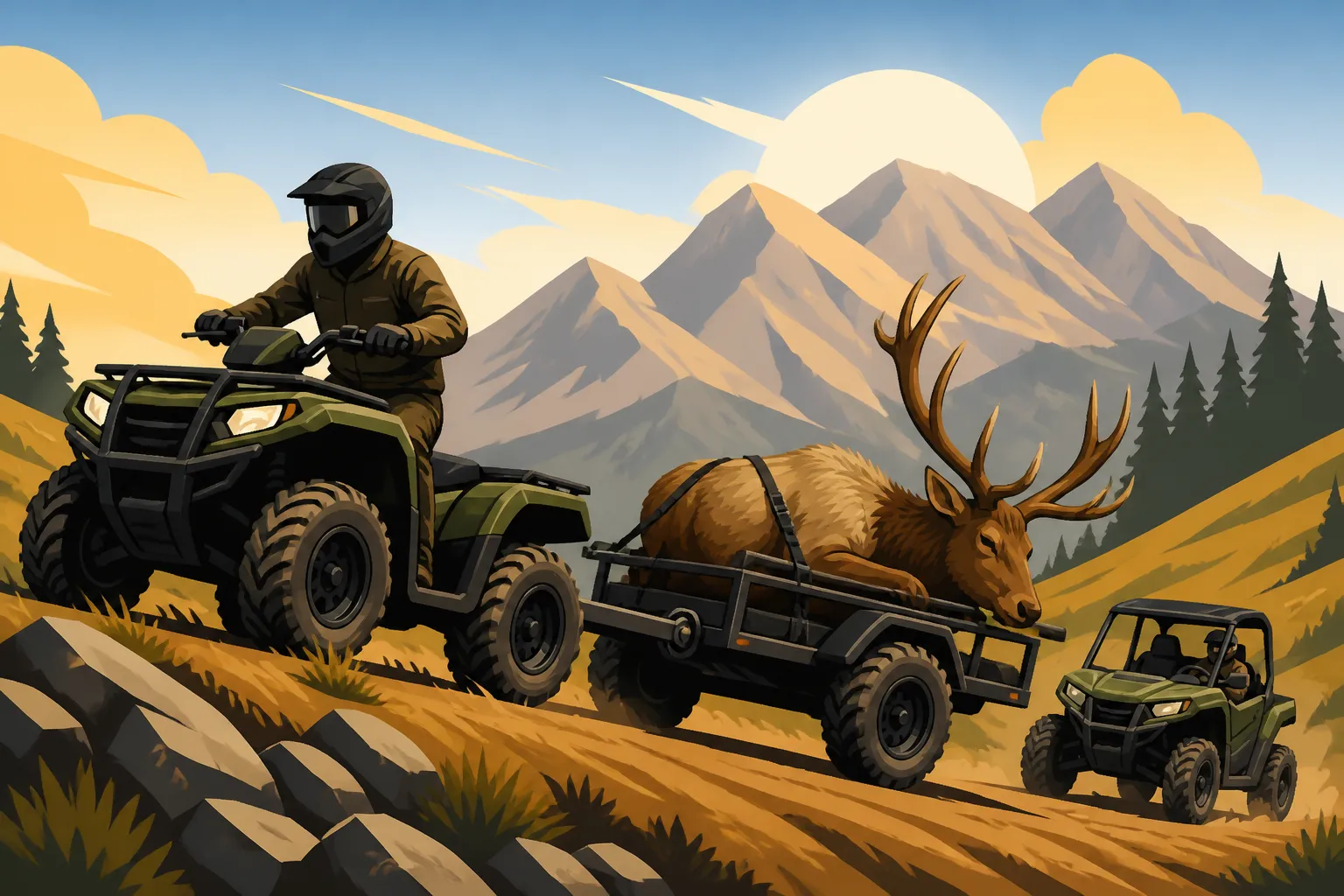
The way you load the elk meat onto your ATV or UTV is critical for stability and handling. Avoid stacking all the weight high on one side. Distribute the heaviest quarters (usually the hindquarters and saddle) as low and as centrally as possible. For an ATV, this often means one large quarter across the front rack and another across the rear, with smaller pieces like shoulders and boned-out meat tucked in between or in bags. For a UTV, try to distribute the weight evenly across the bed, keeping it as low as possible.
Use heavy-duty game bags to protect the meat from dirt and debris. Wrap the quarters in a heavy-duty tarp after bagging them to contain any blood or fluids. This also helps keep the meat cool by shading it and allows for better airflow if not completely enclosed. Secure everything with multiple ratchet straps. Test the load by gently rocking your machine before you move. Any shifting while driving could throw you off balance, especially on uneven terrain.
Navigating Challenging Terrain with a Heavy Load
Driving an ATV or UTV laden with hundreds of pounds of meat is a completely different experience than riding empty. Your machine will be heavier, slower to respond, have a higher center of gravity, and longer braking distances. Always drive cautiously and slowly. Engage four-wheel drive and use low range, especially on inclines, declines, or through rough sections. This reduces strain on your engine and transmission and provides better control.
Avoid sudden turns, braking, or acceleration. Take wide, gentle turns. Be extra mindful of off-camber sections or steep side hills; a heavily loaded machine is much more prone to rolling over. If a section of trail looks too risky, consider unpacking some meat, driving the machine through, and then retrieving the rest. Your meat is valuable, but your safety and the integrity of your machine are more so. Remember that your [Wyoming ATV Insurance Requirement] might not cover damage from reckless driving or overloading.
Maintaining Meat Quality During Transport
Time is of the essence when transporting game meat, especially in warmer weather. Heat is the enemy of good meat. Aim to get the meat cooled down as quickly as possible. During transport, try to ensure air can circulate around the game bags. If the ambient temperature is warm, even a few hours can compromise the quality of the meat.
Once you reach your truck or base camp, immediately transfer the quarters into large coolers packed with ice. Keep the meat in game bags inside the coolers to prevent it from soaking directly in melted ice water. Proper cooling is crucial for flavor and safety. If you have a long drive ahead, consider stopping occasionally to check on the ice and rearrange the meat to ensure even cooling.
Planning Your Elk Retrieval Strategy
Successful elk retrieval begins long before you pull the trigger. A good plan will save you time, effort, and potential legal issues.
Scouting Retrieval Routes and Access Points
Before hunting season even begins, use maps (MVUMs, Forest Service maps, BLM maps) to identify designated routes and potential retrieval paths in your hunting unit. Walk or ride these routes during the off-season to understand the terrain, identify bottlenecks, and note any areas that might be particularly challenging with a heavy load. Look for areas where you can legally get an ATV or UTV within a reasonable distance of potential elk habitat. This foreknowledge is invaluable.
Consider where you will park your truck and trailer, and how easily you can access the designated retrieval routes. Sometimes, the closest road might not be the most practical. Knowing where [Where to Ride an ATV in Wyoming] and what trails are legally open will dictate your hunting strategy and retrieval plan.
Understanding Land Management Specifics
Wyoming has a mosaic of land ownership, including National Forest, BLM, State Trust Land, and private property. Each type of land has its own rules and nuances for ORV use and game retrieval.
- National Forest and BLM: These are typically where you'll find the most extensive designated trail systems. Always consult the specific MVUM for the forest or district you are in. Pay close attention to any seasonal closures or specific game retrieval allowances.
- State Trust Land: Access to State Trust Land usually requires a separate [Wyoming State Trust Land Permit Cost] for recreational use, in addition to your ORV permit. Rules for vehicle use can vary; always check with the Wyoming Office of State Lands and Investments.
- Private Land: If you're hunting on private land, you'll need explicit permission from the landowner to retrieve game with your machine. This should be discussed and confirmed before the hunt. [Wyoming Rules for Crossing Private Ground] are strict.
Contingency Planning and Safety
Things can and often do go wrong in the backcountry. Having a contingency plan is not paranoia; it’s good sense. What if your machine breaks down? What if you get stuck? What if the weather turns?
- Buddy System: Never hunt or retrieve game alone. Have at least one partner who knows your plan and can assist if needed.
- Recovery Gear: Carry a basic tool kit, tire repair kit, first-aid kit, and a tow strap.
- Navigation: Carry a GPS device with pre-loaded maps, a physical map, and a compass. Know how to use them, even if you have cell service. [Wyoming Trails Program Contact] might be able to provide maps or current conditions.
- Communication: A satellite messenger or two-way radio is vital in areas without cell service.
- Weather Awareness: Wyoming weather can change rapidly. Be prepared for rain, snow, or sudden drops in temperature, especially if your pack-out extends into the evening.
By meticulously planning your retrieval strategy, preparing your machine, and understanding Wyoming's regulations, you can turn the monumental task of packing out an elk into a manageable and rewarding conclusion to a successful hunt.
Disclaimer
This article is for general informational purposes only and does not constitute professional advice. Laws, prices and regulations vary by location and change over time. Consult a qualified professional for guidance on your specific situation.