What to Expect at a Trailhead Warden Checkpoint
Riding Wyoming's incredible trails on your ATV or UTV is an experience like no other, but nothing quite brings a surge of adrenaline, and not the good kind, like seeing a warden's vehicle at a trailhead. Many riders get a knot in their stomach, wondering if they've missed something, or if their day is about to be cut short. This guide is here to unravel the mystery and ease that anxiety, explaining exactly what to expect when you encounter a warden checkpoint, how to ensure you're fully prepared, and why these checks are a crucial part of keeping our beloved trails open and beautiful for everyone.
Why Wardens Are Out There: Understanding the Purpose
It's easy to view a law enforcement officer at a trailhead as someone just looking to hand out tickets, but their role is far more expansive and ultimately beneficial to the riding community. These dedicated individuals, whether they're game wardens, Forest Service rangers, or Bureau of Land Management (BLM) officers, are the guardians of Wyoming's spectacular backcountry, working tirelessly to ensure both the safety of riders and the preservation of the land we all cherish.
Protecting Wyoming's Natural Resources
The primary responsibility of wardens you encounter on Wyoming's trails is to act as stewards of our precious natural resources. They're on patrol to ensure that riders are respecting the designated routes and not venturing off-trail, which can lead to significant environmental damage. Imagine the erosion caused by a single machine tearing through a sensitive meadow or the destruction of critical wildlife habitat if everyone decided to forge their own path. Wardens are there to prevent these kinds of scenarios, ensuring that the delicate balance of the ecosystem remains intact.
Their presence also helps deter less obvious, but equally harmful, activities. This could include illegal dumping, unauthorized camping, or even the collection of natural resources without proper permits. By maintaining a visible presence, wardens help educate riders about responsible land use, encouraging a culture of respect for the environment. It's about protecting the very trails we love to ride, ensuring they're here for generations to come, complete with their pristine views and abundant wildlife. This proactive approach helps to maintain the integrity of areas like the Bighorn National Forest or the Medicine Bow National Forest, preserving them for all outdoor enthusiasts.
Ensuring Safety and Legal Compliance
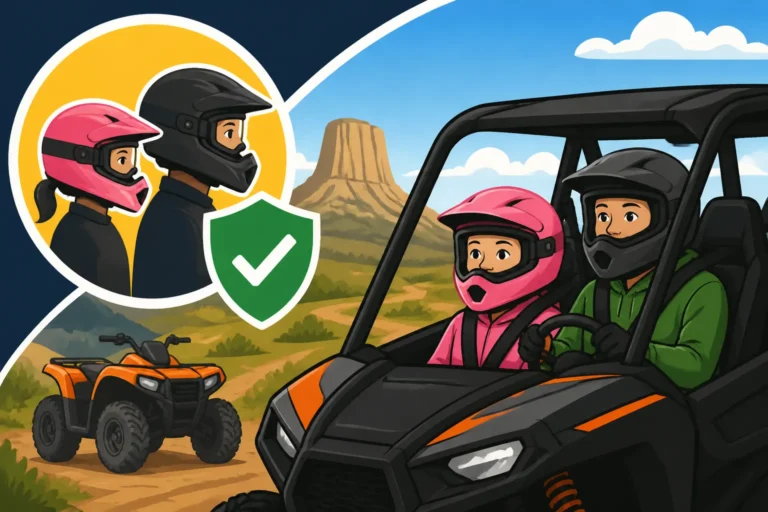
Beyond environmental protection, ward wardens are deeply invested in the safety of every rider out on the trail. They're looking to make sure that everyone is operating their machines responsibly and that essential safety equipment is being used, especially when it comes to younger riders. For instance, knowing and abiding by the [Wyoming Helmet Law for ATV Riders] isn't just a suggestion; it's a critical safety measure that wardens will check for, especially for those under 18. This focus on safety is paramount, as accidents can happen quickly and often involve serious injuries.
Compliance with state laws is another major area of focus. This includes everything from having the proper [Wyoming's Annual ORV Permit] to ensuring your machine is equipped with the necessary safety features. Wardens are checking that you've done your part to ride legally, which in turn helps fund the very trails you're enjoying. The dangers of non-compliance aren't just about potential fines; they can range from preventable accidents due to faulty equipment to environmental harm caused by improper machine operation. By ensuring everyone adheres to the rules, wardens contribute to a safer, more enjoyable riding experience for the entire community, fostering an environment where everyone can feel confident exploring the vast network of [Wyoming's Enrolled Roads and Trails].
What a Warden Checks at a Trailhead: Your Documents and Your Machine
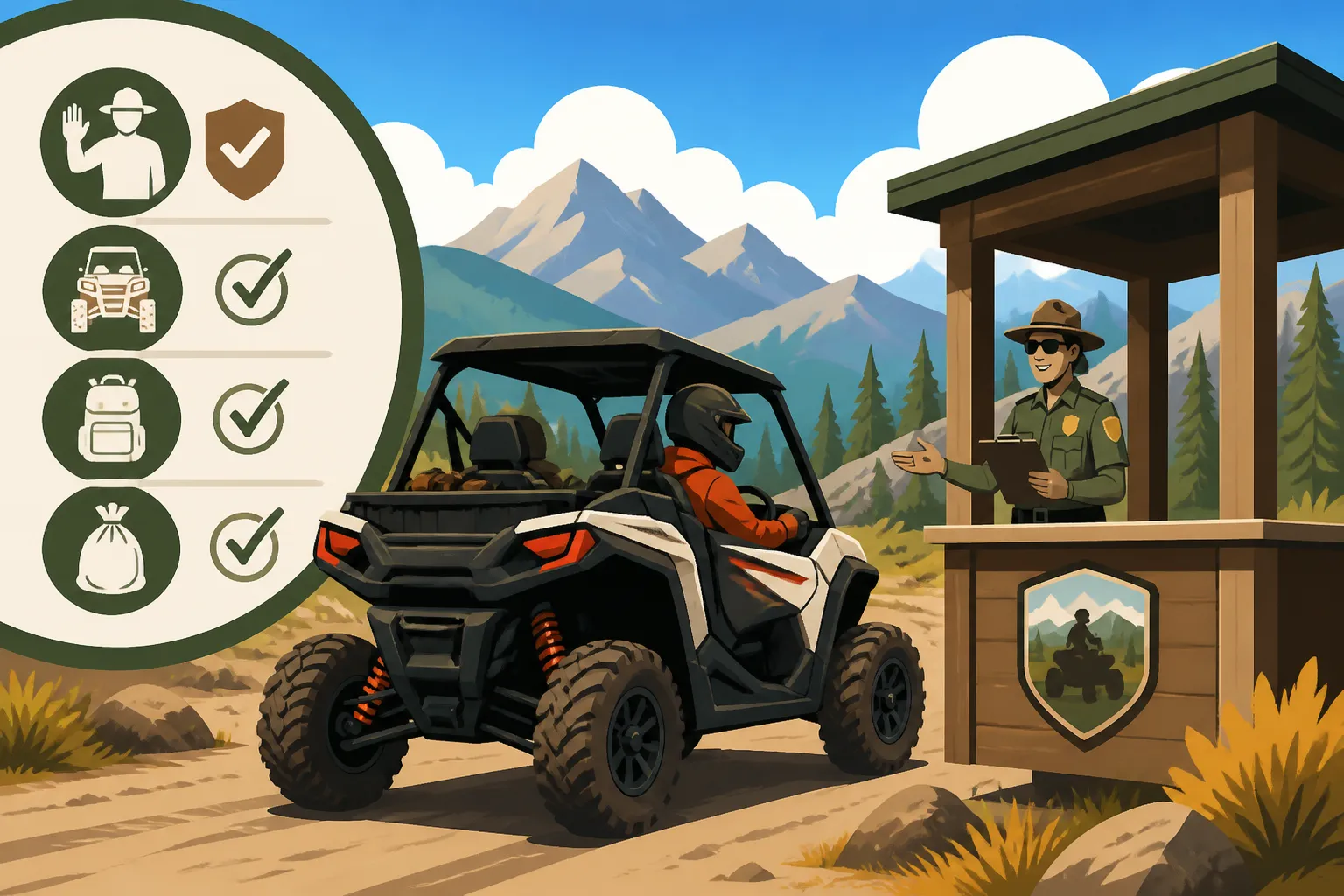
When you pull up to a trailhead checkpoint, the warden isn't usually trying to trip you up. They're performing a routine check to make sure you're properly equipped and authorized to be on the trail. Think of it as a quick "health check" for you and your machine, ensuring everything is in order before you head out into the backcountry. Being prepared with the right paperwork and a compliant machine will make the process smooth and quick.
Essential Paperwork You Need to Carry
One of the first things a warden will likely ask for is your identification and proof of your machine's legality. For adult riders, this typically means a valid driver's license or state-issued ID. If you're riding with minors, you'll need to be prepared to demonstrate their age and, if they're driving, that they meet Wyoming's [Wyoming Minimum Age to Ride Public Land] requirements. It's not about being nosey; it's about ensuring everyone is riding legally and safely.
The most critical piece of paperwork for your machine is your Wyoming ORV Permit. This annual decal is required for almost all off-road vehicles on public land. The warden will be looking for the physical decal clearly displayed on your machine, but they may also ask to see proof of purchase or registration. While it's best to have the physical decal affixed, sometimes riders wonder, [Does a Permit Receipt on Your Phone Count?] While a physical decal is mandatory for display, having your digital receipt or proof of purchase handy on your phone can certainly help if there's any question about the decal's validity or if you're waiting for a replacement. For multipurpose vehicles (MPVs), which are side-by-sides registered for road use, you might also need to show vehicle registration, similar to what you'd have when [Titling a Multipurpose Vehicle in Wyoming]. It's always a good idea to keep all your important documents, or at least copies, in a waterproof bag on your machine.
What if you're riding a borrowed machine or a rental? This is a common scenario, and wardens understand it. If you've borrowed a friend's ATV, you'll need to ensure their machine has a current Wyoming ORV permit. The permit follows the machine, not the rider. If you're renting from an outfitter, the rental company is responsible for ensuring the machine is permitted, and they'll typically provide you with documentation to show this. Always clarify with the rental company beforehand to avoid any hiccups at the trailhead. Having these documents organized and easily accessible will prevent delays and show the warden you're a responsible rider.
Vehicle Requirements and Condition Checks
Beyond your personal identification and permit, wardens will also take a look at your machine itself, checking for compliance with equipment regulations and the overall condition of your ATV or UTV. The most obvious visual check will be for your ORV decal. It needs to be current for the calendar year and properly affixed to the machine where it's easily visible, usually on the front fender or somewhere prominent. The rule of thumb for [Sticking a Decal Where It Shows] is pretty clear, as visibility is key for wardens on patrol. If you're caught [Riding With Last Year's Decal], you could face a citation, even if you just forgot to buy the new one.
Another critical check will be for your spark arrester and muffler. These aren't just suggestions; they are legal requirements on Wyoming public lands. The spark arrester prevents hot carbon particles from escaping your exhaust and potentially starting a wildfire, which is a very real danger in our dry Western climate. The muffler ensures your machine operates within acceptable sound limits, preventing excessive noise that can disturb wildlife, other trail users, and nearby residents. Wardens regularly conduct checks to ensure compliance with [Wyoming Spark Arrester and Sound Rules]. If you've upgraded your exhaust system, perhaps with a performance-enhancing part, it’s absolutely vital to ensure it still meets these legal requirements. Many aftermarket parts from reputable brands like SuperATV are designed to be compliant, but always double-check specifications to make sure you're not exceeding noise limits.
Finally, wardens might also do a quick visual inspection of other basic equipment. This can include ensuring your headlights and taillights are functional, especially if you plan to ride near dusk or on any enrolled roads where lights become mandatory. For wider side-by-sides, they may verify you are on trails designated for your machine's width, as some trails have [Wyoming Width Limits on an Enrolled Trail] to protect narrower paths. It's always a good practice to perform a quick pre-ride check on your machine, making sure all essential components are in good working order. A well-maintained machine not only keeps you safer but also signals to the warden that you're a responsible user of the trails.
How to Navigate a Checkpoint: Best Practices for Riders
Approaching a warden checkpoint doesn't have to be intimidating. By understanding the protocol and maintaining a respectful, cooperative attitude, you can ensure a smooth and quick interaction, allowing you to get back to enjoying your ride. It's all about demonstrating that you are a responsible and informed trail user.
A Proactive and Respectful Approach
When you see a warden signaling you to stop, the best thing you can do is respond promptly and safely. Slow down, pull your machine over to the side of the trail or road in a safe location, and turn off your engine. This isn't just good manners; it's a safety measure that allows the warden to speak with you clearly and shows respect for their authority. Keep your helmet on until instructed otherwise, but make sure your hands are visible, perhaps resting on the handlebars or your lap. This immediately sets a cooperative tone for the interaction.
When the warden approaches, be polite and respectful. They are doing their job, which often involves long hours in all types of weather, to protect the resources we all enjoy. Answer their questions clearly and truthfully. If they ask for your permit or license, have it ready to present. Avoid being argumentative or defensive, even if you feel you haven't done anything wrong. Most wardens are there to educate and ensure compliance, not to be punitive. A positive interaction can go a long way in building goodwill between riders and land management agencies.
Remember, the warden's role is multifaceted. They are there to enforce regulations, yes, but they are also a valuable source of information about local trail conditions, closures, or specific rules you might not be aware of. Engaging with them respectfully can provide you with crucial updates for your ride. They might even be able to offer advice on navigation or point out hidden gems on the trail system. This open communication is beneficial for everyone involved.
Avoiding Common Violations
One of the easiest ways to ensure a smooth checkpoint experience is to simply avoid the most common violations that wardens look for. Topping the list is an expired ORV permit. It’s easy to forget to renew, especially if you only ride seasonally, but [Wyoming ORV Permit Renewal] is an annual requirement, and wardens check for current decals. The consequences of not having a current permit can range from a warning to a substantial fine. [What a Wyoming Citation for an Expired Decal Costs] can certainly put a damper on your riding budget, so it’s always best to purchase your permit early in the year.
Another major issue is riding off-route or on closed trails. Wyoming has a vast network of designated routes, and it's imperative that riders stick to them. Carrying a current [Carrying a Travel Management Map in Wyoming] is essential, as these maps clearly mark which trails are open to specific vehicle types and which are closed. Wardens take riding off [Wyoming Rules for Riding a Designated Route] very seriously because of the environmental damage it causes. Always know before you go, and if in doubt, turn around.
Finally, equipment issues like excessive noise or an unapproved spark arrester are frequent reasons for a stop. While upgrading your machine with high-quality performance parts from brands like SuperATV can enhance your riding experience, it’s critical that these modifications still comply with legal sound limits and spark arrester requirements. A loud exhaust can lead to complaints and further restrictions, so make sure your machine isn't disturbing the peace. Additionally, for youth riders, ensuring they adhere to age and supervision rules is non-negotiable. Review [Wyoming Rules for a Rider Under 16 on a Trail] before heading out with younger family members to guarantee everyone meets the legal requirements.
The Broader Impact: Why These Checks Matter
While an individual encounter with a warden at a trailhead might seem like a minor inconvenience, these checks are part of a much larger picture that directly affects the future of off-road riding in Wyoming. Understanding this broader context can help riders appreciate the necessity of these regulations and the efforts made to enforce them.
Sustaining Wyoming's Trail System
Every time you purchase a Wyoming ORV permit, that money goes directly back into the trail system you love to ride. The permit fees are channeled into the Wyoming State Trails Program, which funds critical maintenance, new trail development, and essential facilities. When wardens check for permits, they are not just enforcing a rule; they are ensuring that the financial backbone of our trail system remains strong. Knowing [Where Your $15 Is Spent] can help riders appreciate the direct link between compliance and access.
Beyond the monetary aspect, these checks contribute to the long-term health and sustainability of the trails. By catching and correcting violations like riding off-route, damaging natural features, or neglecting required safety equipment, wardens help prevent the kind of widespread degradation that can lead to trail closures. Without these checks, the delicate ecosystems could be overwhelmed, and popular riding areas might become unsustainable. It’s an investment in the riding experience for everyone, ensuring that the beautiful landscapes and thrilling trails remain accessible and enjoyable for years to come.
Fostering a Responsible Riding Community
Ultimately, the presence of wardens and the enforcement of ORV regulations help to cultivate a culture of responsible riding throughout Wyoming. When riders understand that rules are enforced, it encourages better behavior, which in turn fosters positive relationships with land managers, other outdoor recreationists, and private landowners. A community known for its respect for the land and its rules is far more likely to retain access to vast riding areas than one plagued by unchecked violations.
Responsible riding also extends to the condition and equipment of your machine. Using durable, well-fitting parts, including those you might source from a company like SuperATV, ensures your machine is reliable and won't contribute to trail issues like breakdowns that block paths or fluids leaking into the environment. When everyone takes responsibility for their machine and their actions, it builds a collective reputation that benefits all riders. It encourages new riders to learn and adopt best practices, strengthening the off-road community and ensuring that the incredible opportunities to explore Wyoming's backcountry continue to thrive. By doing our part, we help guarantee that the thrill of discovering new trails and breathtaking vistas remains a vibrant part of the Wyoming experience.
Trailhead Checkpoint Readiness
| Item | What to Have Ready | Why It's Checked |
|---|---|---|
| Personal ID | Valid Driver's License or State ID | To verify identity, age, and driver eligibility. Essential for legal operation and adherence to age restrictions. |
| ORV Permit | Current Wyoming ORV Decal (affixed) and/or proof of purchase (digital or paper) | Mandatory for almost all public land riding in Wyoming. Funds trail maintenance. [Wyoming's Annual ORV Permit] |
| Machine Status | Visible, current ORV decal; functional lights, horn (if applicable for MPVs); spark arrester | Ensures the machine is legally equipped for public land. Prevents wildfires, excessive noise, and promotes safety. |
| Rider Safety Gear | Helmet (for riders under 18); appropriate clothing/footwear (recommended for all) | Critical for rider safety, especially for minors. [Wyoming Helmet Law for ATV Riders] |
| Route Knowledge | Current Travel Management Map (paper or digital); awareness of open/closed routes | Ensures riders stay on designated trails, preventing environmental damage and trespass. [Carrying a Travel Management Map in Wyoming] |
| Machine Maintenance | Properly maintained machine; compliant exhaust system | Reduces likelihood of breakdowns, environmental impact (e.g., fluid leaks), and ensures compliance with noise regulations. |
Disclaimer
This article is for general informational purposes only and does not constitute professional advice. Laws, prices and regulations vary by location and change over time. Consult a qualified professional for guidance on your specific situation.