Checking a Frame Number Before You Pay
Buying a used ATV or UTV in Wyoming can feel like navigating a minefield, especially when you’re handed a stack of papers – or sometimes, no papers at all – and asked to trust a stranger. One of the biggest fears is buying a machine that's either stolen, has a hidden past, or can't be legally registered or titled later. This guide is all about empowering you with the knowledge to perform a crucial check: inspecting and verifying the machine's frame number (also known as the Vehicle Identification Number or VIN) before you ever hand over your hard-earned cash, helping you avoid significant heartache and financial loss.
Why a Frame Number Inspection is Your First Line of Defense
When you’re looking at a used off-road vehicle in Wyoming, it’s easy to get caught up in the shiny tires or the promise of mountain trails. But before you let the excitement take over, pausing to check the frame number is arguably the single most important step you can take. It’s like checking the foundation of a house before admiring the paint job; without a solid foundation, everything else is just cosmetic. This little string of characters holds a wealth of information and can protect you from a world of trouble.
Uncovering Stolen Machines
Imagine this scenario: You find what seems like a fantastic deal on a side-by-side. The seller is eager, the price is right, and you picture yourself hitting the trails around Killpecker Sand Dunes. You buy it, bring it home, and then a few weeks later, a sheriff's deputy shows up at your door, explaining that your "new" machine was reported stolen from a different county months ago. Suddenly, you've lost not only your money but also your vehicle, and you're now entangled in a legal mess as a "possessor" of stolen property, even if you had no idea.
This heartbreaking situation is incredibly common, and it’s precisely what a thorough VIN or frame number check aims to prevent. A legitimate frame number check, especially one run through official channels, can tell you if the vehicle has been reported stolen. Without that verification, you’re taking a massive gamble. The seller might claim they lost the title or never had one – which, as we’ll discuss, is often true for ORVs in Wyoming – but a stolen vehicle is a stolen vehicle, regardless of paperwork. Taking the time to perform this check means you can walk away from a bad deal before it becomes your problem, saving you immense stress and expense down the line.
Verifying the Machine's Identity and History
Beyond outright theft, a frame number also serves as the definitive identifier for the machine itself. It tells you the exact make, model, and year it was manufactured. Why does this matter? Sellers, intentionally or unintentionally, might misrepresent a machine. Perhaps they say it's a 2020 model when it's actually a 2017, which can significantly impact its value, available parts, and even performance expectations. Or maybe they claim it's a higher trim level than it actually is.
By cross-referencing the VIN, you can confirm these details independently. If the VIN decoder tells you it's a 2017 model, but the seller insists it's a 2020, that's a huge red flag that something isn't right. This discrepancy isn't just about getting a fair price; it can also hint at a deeper deception. A seller willing to lie about the year might also be hiding significant damage history, major repairs, or other issues that could affect the machine's safety and longevity. Think of it as peeling back the first layer of an onion – if the first layer is rotten, you likely don't want to eat the rest.
Avoiding Title and Registration Headaches
Wyoming has some specific nuances when it comes to titling and registering off-road vehicles. Many true ORVs in Wyoming, like dedicated dirt bikes or traditional ATVs, don't receive a formal title from the county clerk. This can make verifying ownership tricky for some buyers. However, certain machines, especially those that fit the definition of a Multipurpose Vehicle (MPV), do require a title if you intend to make them street-legal or register them. This distinction is incredibly important for many riders.
If you purchase a machine with a VIN that's been tampered with, cloned, or associated with another vehicle, you could face insurmountable challenges if you ever need to [Titling a Multipurpose Vehicle in Wyoming] or even just get an [Wyoming's Annual ORV Permit]. Even if an ORV typically doesn't get a title, a clean VIN is still critical for proper identification and can be required for obtaining a bill of sale or for law enforcement purposes. A problematic VIN can halt your plans for taking your side-by-side on designated county roads or even cause issues when you try to [Registering an ORV in Wyoming] for trail use. Taking the time to ensure the frame number is legitimate means you’re setting yourself up for a smoother, legally sound ownership experience in Wyoming.
The Step-by-Step Process for Checking a Frame Number in Wyoming
Checking a frame number isn't just about reading a sticker; it's a systematic process that requires attention to detail and knowing where to look and who to ask. This isn't a task to rush through, especially given the significant investment an ATV or UTV represents. Approach it methodically, and you'll significantly reduce your risk.
Locating the VIN/Frame Number on Your Machine
Before you can run a check, you need to find the VIN, and not just glance at it. The Vehicle Identification Number (VIN) is a 17-character alphanumeric code unique to each vehicle. On an ATV or UTV, it’s usually stamped directly onto the frame in a visible, easily accessible spot, or on a permanently affixed manufacturer's plate. Common locations include:
- Front Frame: Often on the right-hand side, near the steering head or suspension.
- Rear Frame: Sometimes near the rear axle or under the seat.
- Engine Casing: Less common for the primary VIN, but secondary identification might be here.
- Manufacturer's Plate: A metal plate, usually riveted, containing other vehicle information alongside the VIN.
When you find it, don't just write it down. Take a clear photo. Then, carefully compare the VIN on the machine to any numbers listed on paperwork the seller provides, like a bill of sale, previous registration, or if applicable, a title. Look for any signs of tampering: numbers that look hand-stamped, scratched out, welded over, or re-stamped. If the VIN looks anything less than factory-perfect and uniform, consider that a major red flag. Sometimes, dishonest sellers try to alter VINs to hide a machine's true identity, especially if it's stolen. Checking multiple locations and ensuring consistency across all of them can give you greater confidence.
Deciphering the VIN and What It Tells You
Once you have the VIN, it's not just a random string of characters; it's a coded message about the machine's origins. Each of the 17 characters in a VIN has a specific meaning:
- Characters 1-3: World Manufacturer Identifier (WMI) – This tells you the country of origin and the manufacturer. For example, "1" or "4" often signifies the USA, "J" is Japan, "3" is Mexico.
- Characters 4-9: Vehicle Descriptor Section (VDS) – These characters describe the vehicle's attributes, such as model, body type, engine type, and series. This is where you can confirm the specific model and engine size the seller is advertising.
- Character 9: Check Digit – A mathematical calculation designed to detect fraudulent VINs or data entry errors.
- Characters 10-17: Vehicle Identifier Section (VIS) – This section identifies the specific vehicle. The 10th character is typically the model year, and the 11th is often the assembly plant code. The final six characters are the sequential production number.
You don't need to memorize the entire VIN decoding chart, but knowing what each section generally represents can be incredibly helpful. There are numerous online VIN decoder tools available that can quickly break down the VIN for you. Just type the 17-character code into a reputable decoder, and it will confirm the make, model, year, and often engine type. If the results from the online decoder don't match what the seller is telling you, or what you visually observe on the machine, you have a solid basis for further inquiry or to simply walk away. Always remember to perform a more robust [Wyoming ATV VIN Check Before Buying] to ensure full confidence.
Running the VIN Through the Right Channels
This is the most critical part of your frame number check. While online decoders are great for confirming basic vehicle information, they won't tell you if the machine is stolen or has a lien against it. For that, you need to go through official channels.
Here’s where you can get the most reliable information:
- Local Law Enforcement (Non-Emergency Line): Your local sheriff's office or police department can often run a VIN check against national stolen vehicle databases. Explain that you are looking to purchase a used ATV/UTV and want to ensure it isn't stolen. They typically won't release detailed ownership information due to privacy concerns, but they will tell you if it comes back as stolen. This is often the most straightforward and reliable method for theft verification.
- State or County Motor Vehicle Department (if applicable): For machines that do require a title, such as [Wyoming's Multipurpose Vehicle Class] or those being titled as MPVs, you might be able to inquire with the county clerk's office. They handle [Wyoming County Clerk Title Process] and might be able to verify if a title exists for that VIN, and if there are any active liens. However, since many ORVs in Wyoming do not have titles, this avenue might be limited. They can, however, confirm if an MPV title is clean.
- Third-Party VIN Check Services: There are commercial services that can provide detailed vehicle history reports for a fee, similar to what you’d use for a car. While these services can be useful for uncovering accident history or salvage titles (if recorded), they don't always have access to the most up-to-date stolen vehicle databases that law enforcement can access. Use these as a supplementary tool, not a replacement for a police check.
It’s important to understand that no single check will give you absolutely everything. Law enforcement primarily checks for theft. County clerks check for existing titles and liens. And third-party services compile reported history. Combining these checks gives you the most comprehensive picture. If a seller is hesitant or refuses to let you perform these checks, that should be your loudest alarm bell. A legitimate seller with nothing to hide will welcome your due diligence, understanding that you’re simply protecting your investment.
Here’s a quick overview of what different VIN checks provide:
| Type of VIN Check | What it Primarily Confirms | Key Benefit for Buyer | Limitations |
|---|---|---|---|
| Online VIN Decoder | Make, model, year, engine type, specific vehicle specs. | Verifies seller's description of the machine. | Does not check for theft, liens, or accident history. |
| Law Enforcement (Non-Emergency) | If the machine is reported stolen (nationwide database). | Protects you from purchasing stolen property and facing legal consequences. | Cannot provide ownership history, lien info, or specific accident details. |
| County Clerk / DMV (for titled machines) | Existence of a title, active liens, registered owner. | Crucial for MPVs or any machine requiring a title; ensures legal transfer of ownership and clear title. | Most ORVs in Wyoming do not have titles, so this is often not applicable. |
| Third-Party History Report | Accident history, salvage titles, odometer discrepancies, previous sales (if reported). | Provides a broader view of the machine's past, revealing potential hidden issues beyond what the seller might disclose. | Relies on reported data; may not include all incidents or local law enforcement reports. May not be up-to-date on theft. |
Essential Documentation and Tools for a Safe Purchase
While the frame number check is paramount, it’s just one piece of the puzzle when buying a used ATV or UTV in Wyoming. To truly protect yourself, you need to understand the required documentation and combine your VIN verification with other essential checks. This holistic approach ensures you’re not just buying a machine, but a legally sound asset.
The Importance of a Bill of Sale
In Wyoming, where many traditional off-road vehicles like ATVs and dirt bikes don't require a state-issued title, the bill of sale becomes your single most important document of ownership. It's your proof that you legally purchased the machine from the previous owner. Without a clear, detailed bill of sale, you could run into significant problems down the line, whether you need to prove ownership for insurance purposes, sell the machine yourself, or deal with any disputes.
A proper bill of sale should include:
- Full names and contact information for both the buyer and the seller.
- Date of sale.
- Purchase price of the machine.
- Detailed description of the machine: Make, model, year, color, and most importantly, the full 17-character VIN/frame number.
- Statement of "as-is" sale: This is common for used vehicles and protects the seller, but as a buyer, it underscores the need for your own thorough inspection.
- Signatures of both buyer and seller.
Even if the seller provides a handwritten note, consider drafting a more formal document. Tools like LawDepot offer customizable bill of sale templates that ensure all necessary legal details are covered. Having a professional-looking and comprehensive [A Wyoming Bill of Sale for an ATV] in hand will give you peace of mind and simplify any future transactions or needs. Don't ever complete a sale without one.
Title Versus No Title in Wyoming ORV Sales
This is where Wyoming's rules can sometimes cause confusion for first-time buyers or those coming from other states. As mentioned, many off-road vehicles in Wyoming are not issued a certificate of title. This is often the case for machines primarily used for recreation on designated trails and private land. If you're told there's no title, it's not necessarily a red flag – it's often standard practice. However, it does elevate the importance of the bill of sale and the frame number check.
However, there's a crucial exception: Multipurpose Vehicles (MPVs). These are machines that meet specific criteria (like weight limits and seat height) and can be registered and titled for street-legal use on certain public roads in Wyoming. If you are buying an MPV, or if you intend to convert an ORV into an MPV, a title becomes absolutely essential. The process for [Wyoming MPV Title Requirements] is handled by the county clerk, just like a car. Therefore, when negotiating a purchase, always clarify with the seller whether the machine has (or should have) a title, and if it qualifies as an MPV. If it's an MPV, you absolutely must obtain the title as part of the sale process. If the seller claims it's an MPV but has no title, that's a serious problem and you should proceed with extreme caution or walk away.
Other Critical Checks Beyond the Frame Number
While the frame number verification is foundational, a smart buyer never stops there. It's crucial to combine this check with a comprehensive physical inspection and a thorough vetting of the seller and the machine's history. This multifaceted approach is your best defense against buying a lemon or a machine with undisclosed problems.
Here’s what else you should scrutinize before pulling out your wallet:
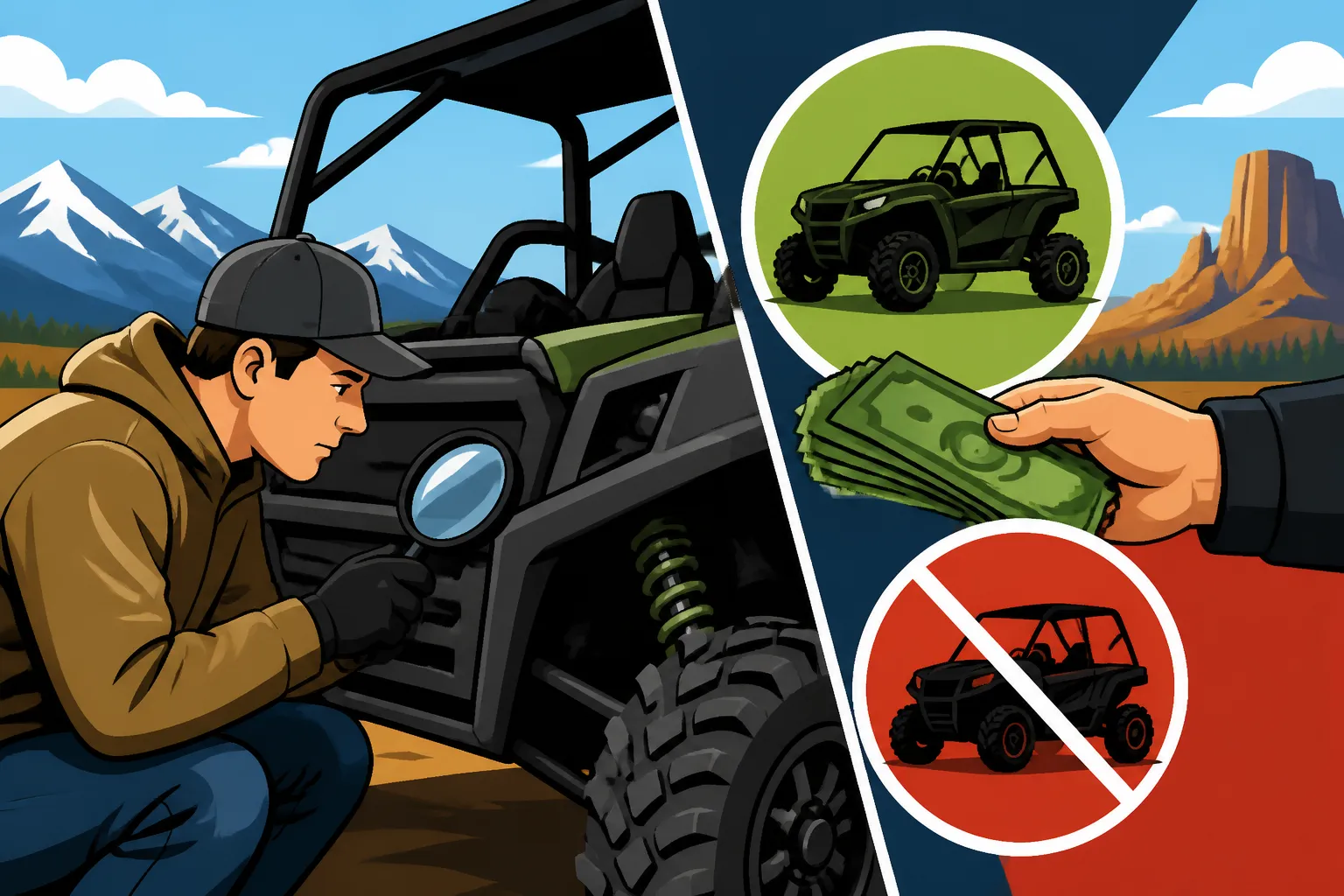
- Physical Inspection of the Machine: Get down and dirty! Look for signs of significant wear and tear that go beyond normal use, such as bent frames, cracked plastics, leaks, or amateur welding repairs. Check the tires for uneven wear, which could indicate alignment issues. Inspect the suspension, brakes, and lights. Does it look like the machine has been regularly maintained, or severely abused? Are there signs of crash damage that the seller isn't mentioning?
- Test Ride (If Possible and Safe): Nothing tells you more about a machine's condition than riding it. If the seller allows it, take it for a spin in a safe, appropriate area. Listen for unusual noises from the engine or drivetrain. Test the brakes, steering, and suspension. Does it pull to one side? Does it start easily? A machine that feels "off" during a test ride is likely to give you headaches later. If a test ride isn't possible, understand that you're taking on more risk.
- Review Maintenance Records: Ask the seller if they have any maintenance records, receipts for parts, or service history. A seller who keeps good records is often an owner who has taken good care of their machine. Lack of records isn't always a deal-breaker, but it means you're flying blind on past repairs and servicing.
- Seller's Credibility: Pay attention to how the seller communicates and whether they are transparent. Are they willing to answer all your questions thoroughly, or do they seem evasive? Are they eager to rush the sale? A reputable seller will appreciate your due diligence and be patient. If anything feels "off" about the seller, trust your gut. Remember, [Buying a Used ATV in Wyoming] involves more than just the machine; it involves the person selling it.
By coupling your rigorous frame number check with these additional inspections and inquiries, you create a robust shield against common pitfalls in the used ATV and UTV market. Don't skip these steps; they are your best allies in making a smart, safe purchase that will lead to years of enjoyable riding across Wyoming's incredible landscapes.
Disclaimer
This article is for general informational purposes only and does not constitute professional advice. Laws, prices and regulations vary by location and change over time. Consult a qualified professional for guidance on your specific situation.