Wyoming ATV Insurance Requirement
Navigating the world of ATV and UTV ownership can feel like a minefield of rules and regulations, and honestly, figuring out what you really need when it comes to insurance in Wyoming is a common headache for many riders. You want to hit those incredible trails or cruise down a county road, but the last thing you want is a legal snag or a massive bill because you misunderstood the requirements. This guide is here to untangle the complexities of ATV and UTV insurance in Wyoming, helping you understand when it's required, what kind you need, and why it's always a smart move, even when the law doesn't mandate it.
Do You Need Insurance for Your ATV or UTV in Wyoming?
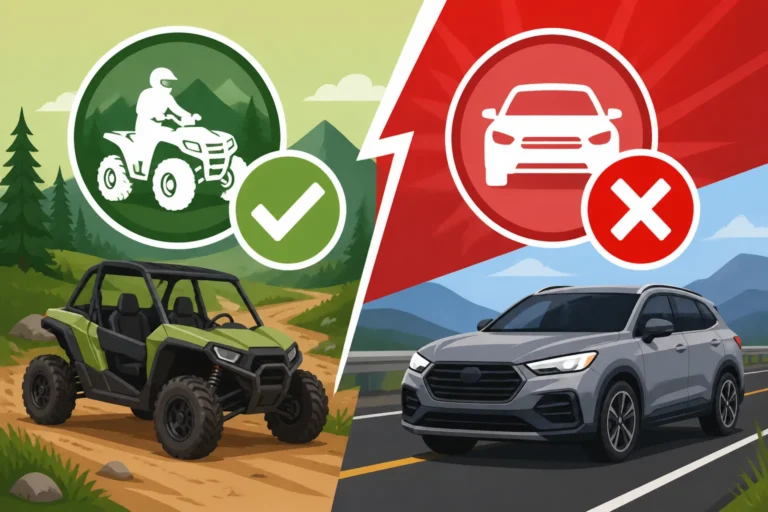
This is the big question that stumps a lot of folks, and the answer, like so many things in the world of off-roading, isn't a simple yes or no. It really depends on how and where you plan to ride your machine in the Equality State. Wyoming differentiates between a purely off-road vehicle (ORV) and one that's designed or converted to be driven on public roads – a Multipurpose Vehicle (MPV).
Off-Road Riding on Trails
Let's cut right to it: if your ATV or UTV is strictly an off-road vehicle, used only on designated trails, private property with permission, or other areas where it's not considered a street-legal vehicle, Wyoming does not legally require you to carry insurance for it. This might come as a surprise to some, especially if you're used to other states with stricter mandates. You'll definitely need your [Wyoming's Annual ORV Permit] to ride on public land, and that decal goes right on your machine where it's visible, but an insurance card isn't part of the regular off-road trail checklist.
However, just because it's not legally mandated doesn't mean it's a wise decision to skip it. Think about the potential fallout if something goes wrong. Imagine you're out exploring the Bighorn National Forest, enjoying the crisp mountain air, and you misjudge a turn, causing damage to someone else's parked truck at a trailhead. Or, heaven forbid, you have an accident that results in injuries to yourself or a passenger. Without insurance, you are personally responsible for all those costs. Medical bills can skyrocket in an instant, and repairing another person's property can be incredibly expensive. Having a policy, even a basic one, can offer a huge peace of mind, protecting your finances from unforeseen circumstances. It's about being a responsible rider and protecting your assets, even if the state isn't forcing your hand.
When Your Machine Is Also a Road Vehicle (MPV)
Now, this is where the rules change entirely. If you've gone through the process of making your ATV or UTV street-legal in Wyoming by registering it as a Multipurpose Vehicle (MPV), then yes, insurance becomes a legal requirement. Wyoming's MPV classification allows certain off-road machines to be operated on designated public roads, provided they meet specific criteria and are properly registered and titled. This typically applies to side-by-sides, but a quad cannot qualify as an MPV.
Once your machine transitions from a pure ORV to an MPV, it's treated much like any other motor vehicle on the road in terms of insurance. This means you'll need to demonstrate proof of financial responsibility, which almost always means carrying a liability insurance policy. You'll be dealing with the [Wyoming MPV Title Requirements] through your county clerk and [Wyoming MPV Plate Requirements] through your county treasurer, and a key part of that process will be ensuring you have adequate insurance coverage before you ever hit the pavement. Skipping this step isn't just risky; it's against the law and can lead to significant penalties.
What Kind of Insurance Does Wyoming Require for Street-Legal ATVs and UTVs?
If you're making the leap to a street-legal MPV, it's essential to understand the specific type and minimum amounts of insurance coverage Wyoming requires. This isn't just a suggestion; it's a legal mandate to protect all road users.
Minimum Liability Coverage
For any vehicle operating on public roads in Wyoming, including your street-legal MPV, the state requires a minimum amount of liability insurance. This is typically expressed in a series of numbers, often referred to as "25/50/20" or similar figures. While the exact amounts can vary and you should always confirm current figures with an insurance provider or the Wyoming Department of Transportation, these numbers generally represent:
- $25,000 for bodily injury liability per person: This is the maximum amount your insurance company will pay for medical expenses and other damages for one person injured in an accident where you are at fault.
- $50,000 for total bodily injury liability per accident: This is the maximum your insurance will pay for all injuries in an accident you cause, regardless of how many people are hurt.
- $20,000 for property damage liability per accident: This covers damages to another person's property, such as their vehicle, fence, or mailbox, if you are found at fault.
These minimums are designed to provide a basic level of protection for others on the road. Without this coverage, if you're involved in an accident and found to be at fault, you would be personally on the hook for any damages or injuries that exceed these limits. Imagine a scenario where you're riding your MPV on a county road, and you swerve to avoid a deer, accidentally hitting a parked car. That $20,000 for property damage can go pretty quickly if the other vehicle is a newer model. Having this baseline coverage is crucial for both your legal compliance and your financial security.
Beyond the Basics: Why More Coverage Might Be Wise
While minimum liability coverage meets Wyoming's legal requirements for MPVs, it's often a good idea to consider additional coverage options. The "minimums" are just that – minimums. They might not be enough to cover all expenses in a serious accident, leaving you vulnerable to out-of-pocket costs.
Here are some additional types of coverage that many riders find beneficial:
- Collision Coverage: This pays for damages to your MPV if it collides with another vehicle or object, or if it rolls over, regardless of who is at fault. Given how easily an MPV can sustain damage in an off-road or even on-road incident, this can be incredibly valuable.
- Comprehensive Coverage: This protects your MPV from damage not caused by a collision. Think about things like theft, vandalism, fire, natural disasters (like hail or falling trees), or even hitting an animal. If you've invested heavily in your machine, perhaps with aftermarket parts from a reputable company like SuperATV, you'll want to ensure that investment is protected from a wider range of potential hazards.
- Uninsured/Underinsured Motorist Coverage: This coverage protects you if you're involved in an accident with a driver who either doesn't have insurance or whose insurance isn't enough to cover your damages and medical bills. Unfortunately, not everyone on the road follows the rules, and this coverage acts as a safeguard.
- Medical Payments (MedPay) or Personal Injury Protection (PIP): These cover medical expenses for you and your passengers, regardless of who is at fault. In an accident, even minor injuries can incur significant medical costs, and this coverage can help ensure you get the care you need without immediate financial strain.
Consider the cost of your machine, especially if you've put a lot of money into upgrades and accessories from places like SuperATV. If you have a custom lift kit, specialized tires, or a winch system, that adds significant value that standard liability won't protect. A comprehensive policy helps ensure that if your prized machine is stolen or severely damaged, you're not left starting from scratch. Always talk to a trusted insurance agent to discuss your specific needs and riding habits. They can help you tailor a policy that offers the best protection for your unique situation and budget.
How to Prove You Have Insurance in Wyoming
Having the right insurance is one thing, but being able to prove it when you're asked is just as important. Whether you're registering your MPV or a law enforcement officer pulls you over, having your proof of insurance readily available is crucial.
Carrying Your Proof of Insurance
Just like with your car or truck, when you're operating your street-legal MPV on Wyoming's public roads, you are legally required to carry proof of insurance. This usually comes in the form of an insurance card provided by your insurance company. This card should clearly state your policy number, the effective dates of coverage, and the specific vehicle covered.
In this digital age, many states, including Wyoming, accept electronic proof of insurance displayed on your smartphone or other mobile device. However, it's always a good idea to have a physical copy too, especially in areas where cell signal might be spotty – and let's face it, that's a lot of Wyoming! Imagine trying to pull up your digital card for [What a Wyoming Trooper Checks Roadside] out in the middle of nowhere only to find you have no service. A small, laminated card tucked into your wallet or a secure compartment on your machine can save you a lot of hassle. Make sure the card is current and easy to read.
Consequences of Lacking Proper Insurance
Riding an MPV on Wyoming's public roads without the legally required insurance is a serious offense, and the consequences can be significant. It's not just a slap on the wrist; it can lead to financial penalties and other legal problems.
Here's what you might face:
- Fines: You'll likely be issued a citation and a substantial fine. These fines can quickly add up, especially if it's not your first offense.
- Suspension of Driving Privileges: Your driver's license could be suspended, meaning you wouldn't be able to legally operate any motor vehicle, including your car, until you resolve the issue and provide proof of insurance.
- Vehicle Impoundment: In some cases, your MPV could be impounded, and getting it back would involve paying towing fees, storage fees, and demonstrating proof of insurance. This can be an expensive and time-consuming ordeal.
- Increased Insurance Premiums: Once you do get insurance, having a lapse or a citation for driving without it can significantly increase your future insurance premiums, making coverage much more expensive in the long run.
- Financial Liability: And perhaps most importantly, if you're involved in an accident while uninsured, you are personally liable for all damages and injuries. This could lead to lawsuits, wage garnishments, and other severe financial hardship that can impact you for years. It's not just about the law; it's about protecting your financial future. While [Wyoming Fines for Riding Without a Permit] apply to ORV trail use, lacking MPV insurance on the road is a distinct and often more severe issue due to the inherent risks of road driving.
Navigating Insurance for Specific Riding Scenarios
The world of ATVs and UTVs isn't always cut and dry, and neither are the insurance needs for every unique situation. From renting a machine to custom modifications, understanding how insurance applies can save you a lot of headaches.
Rental Machines and Guided Tours
Thinking about [Renting an ATV in Wyoming] for a day or joining one of those incredible guided tours near Jackson or Cody? This is a common way for visitors and locals alike to experience Wyoming's backcountry without the commitment of ownership. When you rent a machine, the rental company will typically have its own insurance policy covering their fleet. However, it's absolutely crucial to understand what that policy covers and, more importantly, what your liability might be.
Most rental agreements will include an option for you to purchase a damage waiver or additional insurance coverage for the rental period. This often covers damage to the rental machine itself. While this can provide peace of mind for accidental damage to the machine you're operating, it's vital to clarify if it also covers third-party liability – meaning, if you accidentally cause damage to someone else's property or injure another person. Many waivers only protect their machine, not your potential liability to others. Always read the fine print, ask questions, and understand your exposure before signing. Your personal auto or homeowner's policy might offer some very limited liability coverage, but don't assume it applies to rented off-road vehicles without checking directly with your insurer.
Insurance for Off-Road Club Rides and Events
Wyoming has a vibrant off-road community, with clubs and organized events happening across the state. These can be fantastic ways to explore new areas and connect with fellow enthusiasts. However, when participating in club rides, rallies, or races, it's wise to consider your insurance situation. While the club or event organizer may have their own liability insurance for the event itself, this generally doesn't cover individual rider liability or damage to your personal machine.
For example, if you're riding with a club on a designated trail and you accidentally collide with another rider's machine, your personal insurance would be the primary coverage for any damages or injuries you're responsible for. If you only have minimum liability on your MPV, that wouldn't even apply off-road, and you'd be personally liable. It's always best to inquire with the event organizers about any specific insurance requirements or recommendations they might have. Moreover, if your machine is heavily modified with high-performance parts, it's worth checking with your insurer if those modifications affect your coverage limits or require specific endorsements. What might be covered for a stock machine might not extend to specialized parts.
Dealer-Provided Insurance & Aftermarket Parts
When you're [Buying a Used ATV in Wyoming] or a brand-new UTV from a dealership, you might be offered insurance packages right there on the spot. While convenient, it's always a smart move to shop around and compare quotes from different insurance providers. Dealerships often partner with specific insurers, but they may not always offer the most competitive rates or the most comprehensive coverage for your particular needs.
A critical point to discuss with any insurance provider, especially if you plan on customizing your machine, is how aftermarket parts and modifications affect your policy. Many riders love to personalize their ATVs and UTVs with upgrades like winches, light bars, suspension kits, or performance exhausts from companies like SuperATV. These additions significantly increase the value of your machine, but standard policies might not automatically cover their full replacement cost. You might need to add a specific endorsement or rider to your policy to ensure that these valuable accessories are adequately insured against damage or theft. Failing to disclose these modifications could lead to a lower payout if your machine is damaged, leaving you out of pocket for your beloved upgrades. Always be transparent with your insurer about any significant changes you make to your vehicle.
Summary of Wyoming ATV/UTV Insurance Requirements
To help clarify the distinctions, here's a quick overview of Wyoming's insurance requirements for off-road vehicles and multipurpose vehicles:
| Feature | Pure Off-Road Vehicle (ORV) | Multipurpose Vehicle (MPV) (Street-Legal) |
|---|---|---|
| Legal Insurance Req. | No (for off-road use only) | Yes (for public road use) |
| Primary Use | Designated trails, private land | Designated public roads, trails |
| Required Permit/Plate | [Wyoming's Annual ORV Permit] | [Wyoming MPV Plate Requirements] & Title |
| Proof of Insurance | Not required by law (but recommended for personal liability) | Required by law (must carry proof) |
| Minimum Coverage | N/A (personal choice) | State-mandated liability (e.g., 25/50/20, check current rates) |
| Why Get Insurance? | Protects personal finances from medical, property damage | Legally required, protects finances, third parties |
Remember, while the state might not mandate insurance for all off-road activities, securing adequate coverage is always a responsible decision for any rider. The peace of mind that comes from knowing you're protected against unforeseen accidents or liabilities is truly invaluable, whether you're tearing up the dunes at Killpecker or cruising a scenic byway in your street-legal side-by-side.
Disclaimer
This article is for general informational purposes only and does not constitute professional advice. Laws, prices and regulations vary by location and change over time. Consult a qualified professional for guidance on your specific situation.