Wyoming Rules for Packing Out Game
It's one of those quintessential Wyoming hunting scenarios: you've tracked your quarry for miles, made the perfect shot, and now you're standing over your hard-earned game, deep in the backcountry. The adrenaline is still pumping, but then a new wave of thought hits you: how in the world am I going to get this animal out of here? For many, the first thought turns to their trusty ATV or side-by-side. While these machines are incredible tools for accessing remote areas, using them to pack out game in Wyoming comes with a very specific set of rules and limitations that, if misunderstood, can turn a successful hunt into a costly violation. This guide is here to help you navigate those rules, understand where your machine can go (and where it absolutely cannot), and ensure your game retrieval process is both efficient and legal.
The Absolute Golden Rule: Stay on Designated Routes
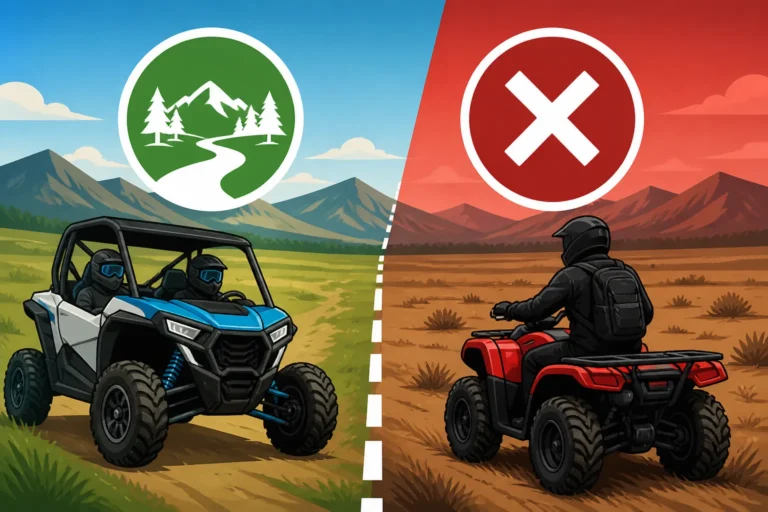
When it comes to using your ATV or UTV on public lands in Wyoming, whether you're just out for a scenic ride or actively hunting, there's one rule that overrides almost everything else: you must stay on designated routes. This isn't just a suggestion; it's the law, and it's strictly enforced by game wardens, Forest Service rangers, and BLM officers.
Understanding Designated Routes
What exactly is a designated route? In Wyoming, these are specific roads, two-tracks, or trails that have been officially identified and marked as open for motorized vehicle use by the land management agency. For national forests, these are typically outlined on a Motor Vehicle Use Map (MVUM), which you can usually pick up for free at any ranger station or download online. Similarly, the Bureau of Land Management (BLM) has travel management plans and maps that detail which routes are open to what types of vehicles.
These routes are designated for a reason. They're designed to provide access while minimizing environmental impact, preventing erosion, and protecting critical wildlife habitat. The vast, open spaces of Wyoming might seem like a free-for-all, but the reality is quite different. Every inch of public land is managed, and that management includes strict control over where motorized vehicles can and cannot travel. Going off-route, even for what seems like a short distance, can damage fragile soils, disrupt nesting birds, or disturb sensitive plant communities that are vital to the ecosystem.
The frustration here is real. You've just taken down a trophy animal, and it might be lying just a few hundred yards off what appears to be a perfectly traversable patch of ground. Your ATV is sitting there, ready to work. It’s incredibly tempting to just “pop over” to retrieve your game. However, that seemingly harmless shortcut is precisely what these regulations aim to prevent. It's easy to think, "No one will see me," but the environmental impact accumulates, and enforcement patrols are often more frequent and observant than you might expect.
Reading Your Maps and Signs
Before you even head out on your hunt, you absolutely must obtain and understand the relevant travel management maps for the area you'll be in. These are your bible for knowing where you can legally operate your machine. For example, if you're hunting in a National Forest, you'll need the MVUM for that specific forest. These maps use different colors or line types to indicate which routes are open to all vehicles, which are open only to certain types (like motorcycles or ATVs under a certain width), and which are seasonally closed.
Physical signs on the ground are equally important. Sometimes, a route shown as open on a map might have a temporary closure sign due to weather, fire restrictions, or other unforeseen circumstances. In such cases, the sign on the ground always takes precedence. Conversely, if a route isn't explicitly marked on your map as open, you should always assume it's closed to motorized travel. Don't rely on faint tire tracks or anecdotal advice; the official maps and signs are the final authority. Failing to consult these resources or ignoring their directives can lead to serious consequences, including significant fines. You definitely don't want to receive a citation from a Forest Service officer or game warden for [Wyoming Fines for Riding Off a Route] when you're trying to do the right thing after a successful hunt. Always carry your maps, understand them, and double-check any physical signage you encounter. This diligent preparation is the cornerstone of legal and ethical off-road use in Wyoming.
Specific Regulations for Game Retrieval
Now, let's get down to the brass tacks: what are the specific rules for using your ATV or UTV to retrieve game in Wyoming? This is where many hunters find themselves in a bind, often operating under assumptions that simply aren't true.
Is Off-Route Game Retrieval Ever Allowed?
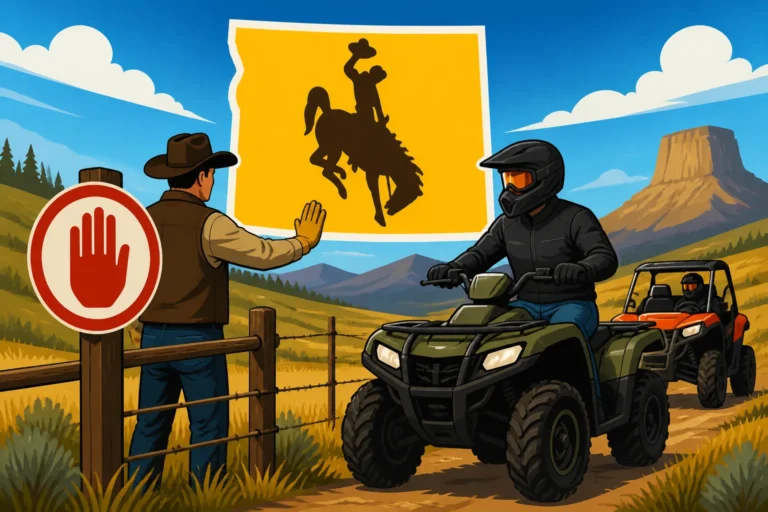
The short, straightforward, and often frustrating answer for many hunters is: generally, no. Wyoming law, as enforced by the Game and Fish Department and federal land management agencies, does not provide a blanket exemption for going off-designated routes for the sole purpose of retrieving game. The principle of staying on designated routes applies whether you're sight-seeing, trail riding, or trying to haul out an animal. It's a common misconception that once an animal is down, the rules change. They don't.
There might be extremely rare and highly localized exceptions, perhaps in very specific management areas or through special, hard-to-obtain permits issued by a particular land management agency. However, these are not standard and should never be assumed. For the vast majority of public land in Wyoming, if your game falls off a designated motorized route, your machine cannot leave that route to get it. This is a tough pill to swallow, especially when you've just put in immense effort to harvest an animal. Ignoring this rule can quickly result in penalties, as wardens are vigilant about protecting critical habitat. If you're caught riding your machine where it's not allowed, especially after taking game, you could be facing substantial [Wyoming Fines for Riding a Closed Route].
What If My Game Is Far From a Designated Route?
This is the scenario that keeps many hunters up at night: you've dropped a magnificent bull elk 500 yards into a dense thicket, with the nearest two-track a grueling mile away. What do you do? The hard truth is that you must retrieve that animal by non-motorized means. This means packing it out by hand, on horseback, or with the aid of human-powered game carts. It's a grueling, physical task, and it's a core part of the hunting experience in many wild areas.
This is precisely where thorough pre-hunt planning becomes absolutely critical. If your primary strategy involves using your ATV or UTV for game retrieval, then you must factor in the travel management plan of your hunting area before you ever set foot (or tire) on the ground. Hunters who plan to rely on their machines often focus their efforts closer to designated routes, understanding the trade-off between deeper penetration into the wilderness and the physical demands of retrieval.
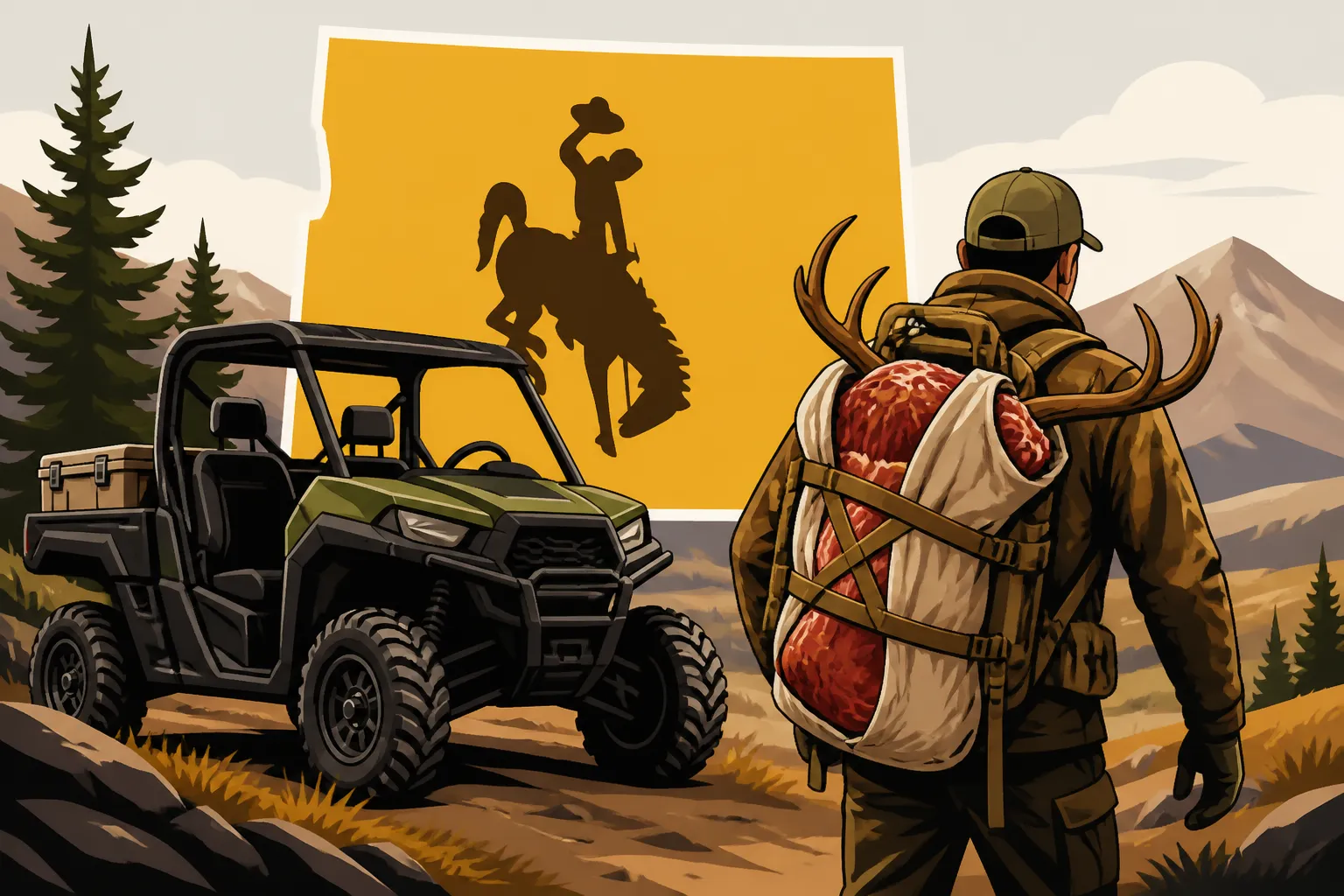
While your machine might not be able to go off-route, it can still be an invaluable tool on the route. Quartering your animal in the field is often necessary to make it manageable. You can then use game bags to protect the meat and transport those quarters back to your waiting vehicle on the designated route. A powerful winch kit on your UTV, perhaps from a reputable brand like SuperATV, can be incredibly helpful for pulling quarters or even a field-dressed carcass along the designated route or up to the route from a nearby embankment. It won't let you veer off into the timber, but it will make the on-route hauling significantly easier, especially in challenging terrain. Remember, the rule is about where your tires touch the ground, not about the final destination of your game.
Practical Considerations and Best Practices
Successful and legal game retrieval in Wyoming isn't just about knowing the rules; it's about smart planning, having the right gear, and adopting an ethical mindset. Your ATV or UTV is a powerful tool, but it's only one part of the overall strategy.
Planning Your Hunt for Machine Retrieval
Effective game retrieval starts long before you pull the trigger. It begins with meticulous planning and scouting. Don't wait until you've got an animal down to figure out your extraction strategy. Instead, integrate it into your initial hunt plan.
Start by obtaining detailed travel management maps for your chosen hunting unit. These could be MVUMs from the Forest Service or specific BLM travel plans. Study them carefully to identify all designated motorized routes, paying close attention to any seasonal closures or restrictions. Modern GPS units and smartphone apps can overlay these maps, allowing you to see exactly where you are in relation to legal routes. Some apps even allow you to download maps for offline use, which is crucial in areas with no cell signal. You can learn more about [Wyoming Trail Maps and MVUMs] to prepare adequately.
Consider the capabilities of your machine. While a heavy-duty side-by-side with a powerful engine, perhaps equipped with aftermarket performance parts or storage solutions from SuperATV, can handle significant loads, it's useless if you can't get it to your game. Think about the terrain – steep climbs, rocky sections, or even deep mud on a designated route can challenge any machine, especially when loaded down with hundreds of pounds of meat. Also, factor in the weather. A designated route that's perfectly navigable in dry conditions might become a muddy, impassable mess after a heavy rain or snowstorm, making retrieval incredibly difficult. Always ensure your machine adheres to [Wyoming Spark Arrester and Sound Rules] when on public land.
Equipment for Efficient Game Packing
Even with the best planning, retrieving game is hard work. Having the right equipment, both for personal use and for your ATV/UTV, can make a huge difference in efficiency and safety.
Beyond your hunting gear, carry essentials for field dressing and packing:
- Game Bags: Essential for keeping meat clean and allowing it to cool.
- Sharp Knives and Sharpening Tools: A dull knife is a dangerous knife, and you'll be doing a lot of cutting.
- Rope/Cordage: Useful for securing loads, hanging quarters, or pulling.
- First Aid Kit: Accidents happen, especially when handling sharp objects and heavy loads in remote areas.
- Water and Emergency Supplies: Always be prepared for an unexpected overnight stay or a breakdown.
For your ATV or UTV, consider:
- Cargo Racks/Boxes: Many machines can be outfitted with heavy-duty cargo racks, like those available from SuperATV, to maximize carrying capacity on designated routes. These are invaluable for transporting quarters.
- Small Trailer: If the designated routes in your area are wide enough and the terrain allows, a small utility trailer pulled by your UTV can significantly increase your hauling power. However, always check specific trail restrictions, as some routes may prohibit trailers.
- Winch: As mentioned earlier, a winch is a powerful tool for pulling heavy loads onto your machine or along a designated route, especially up inclines. A robust winch system can be a lifesaver when you're exhausted and dealing with hundreds of pounds of meat.
Here's a quick look at essential gear for legal, on-route game retrieval:
| Category | Item | Purpose |
|---|---|---|
| Personal Gear | Game Bags (synthetic, breathable) | Protect meat, allow cooling, prevent contamination |
| Sharp Knives & Saw | Field dressing, quartering, bone removal | |
| Sharpening Stone/Tool | Maintain sharp edges for safety and efficiency | |
| Latex/Nitrile Gloves | Hygiene, prevent contamination | |
| Headlamp/Flashlight | Essential for working after dark, especially in dense cover | |
| First Aid Kit (personal & survival) | Address injuries, emergencies, hypothermia, dehydration | |
| Water & Snacks | Sustain energy for strenuous work | |
| Game Cart (human-powered) | Transport quarters from kill site to designated route | |
| ATV/UTV Enhancements | Heavy-Duty Cargo Racks (e.g., SuperATV) | Securely carry game quarters on designated routes |
| Winch (front and/or rear) | Pull heavy loads onto machine or along designated route | |
| Extra Fuel Canister | Ensure sufficient range for retrieval and return | |
| Tire Repair Kit & Air Compressor | Address punctures in remote areas | |
| Tow Strap/Rope | Assist with stuck vehicles or heavy loads | |
| GPS Device with MVUMs/Maps | Navigation and staying on designated routes |
Ethical and Responsible Practices
Beyond the legal requirements, ethical hunting and off-road riding practices are paramount. A truly successful hunt includes respecting the land, the wildlife, and other users.
- Leave No Trace: This principle is critical. Pack out everything you pack in, including trash, spent cartridges, and any waste from field dressing. Strive to leave the area cleaner than you found it.
- Respect for Wildlife and Habitat: The rules for staying on designated routes are designed to protect the very resources that make hunting in Wyoming possible. By adhering to them, you're contributing to the health of the ecosystem. Minimize disturbance to other wildlife, especially during sensitive times of the year.
- Safety First: Retrieving game, especially large animals like elk, can be incredibly demanding and dangerous. Be mindful of your physical limits, the capabilities of your machine, and the terrain. Work slowly and methodically. Overexertion, dehydration, or accidents with sharp tools are real risks. Always prioritize your personal safety and the safety of anyone assisting you. Your machine, especially if it's equipped with reliable parts and accessories from a brand like SuperATV, should be in top working condition to ensure it won't fail you when you're depending on it deep in the backcountry. For specific guidance on the general use of your machine during a hunt, consult [Wyoming Rules for Hunting From an ATV]. Remember, you might encounter gates on designated routes; always be sure to [Wyoming Rules for Opening a Gate] and, more importantly, close it behind you.
What to Do If You See a Violation (and What Not To Do)
Sometimes, despite all the rules and educational efforts, you might encounter other individuals who are not adhering to the regulations. This can be frustrating, as illegal activity can jeopardize access for everyone and harm the very resources you cherish.
Reporting Violations
If you witness someone illegally retrieving game off-route or engaging in any other form of illegal off-road activity, the most effective and responsible course of action is to report it to the proper authorities. In Wyoming, this typically means contacting the Wyoming Game and Fish Department, the local Forest Service office, or the Bureau of Land Management office. These agencies are equipped to investigate and enforce the regulations.
Why is reporting important? Because unchecked illegal activity can lead to long-term damage to the environment, erosion of public trust, and ultimately, more restrictive access for all law-abiding recreationists. When you report a violation, you're helping to protect public access, conserve wildlife, and maintain the integrity of the hunting and off-road experience. When providing information, be as detailed as possible without putting yourself in harm's way. Note the location (GPS coordinates are ideal), a description of the vehicles involved (make, model, color, license plate if visible), the time and date of the incident, and a brief description of the violation you witnessed. Understanding [What a Warden Checks at a Trailhead] can give you an idea of what information law enforcement might prioritize.
Avoiding Confrontation
It's a natural human instinct to want to correct someone you see doing something wrong, especially when it impacts shared resources. However, when it comes to potential violations in the backcountry, direct confrontation is almost always ill-advised. Situations can escalate quickly and dangerously, particularly when firearms or strong opinions are involved.
Your role as a responsible recreationist is to observe and report, not to enforce. Focus on gathering information for the authorities from a safe distance, and then remove yourself from the situation. Leave the enforcement to the trained professionals. Your safety, and the safety of others, should always be your top priority.
Conclusion
Using an ATV or UTV for hunting and game retrieval in Wyoming offers unparalleled access to incredible landscapes and hunting opportunities. However, this privilege comes with a significant responsibility to understand and abide by the state's stringent rules, especially those pertaining to off-road travel and game retrieval. The overarching principle is clear: your machine must stay on designated motorized routes. While this might mean more physical effort to pack your game out of challenging terrain, it's a small price to pay for preserving the integrity of Wyoming's wilderness and ensuring continued access for future generations. By planning meticulously, utilizing appropriate gear, and always prioritizing ethical and legal practices, you can make your Wyoming hunting adventures both successful and responsible. Understanding specific challenges like [Wyoming Rules for Packing Out an Elk] will further enhance your preparation, as will being aware of [Wyoming Trails Closed by Snow] when planning late-season hunts.
Disclaimer
This article is for general informational purposes only and does not constitute professional advice. Laws, prices and regulations vary by location and change over time. Consult a qualified professional for guidance on your specific situation.