Wyoming Rules for Riding With a Dog
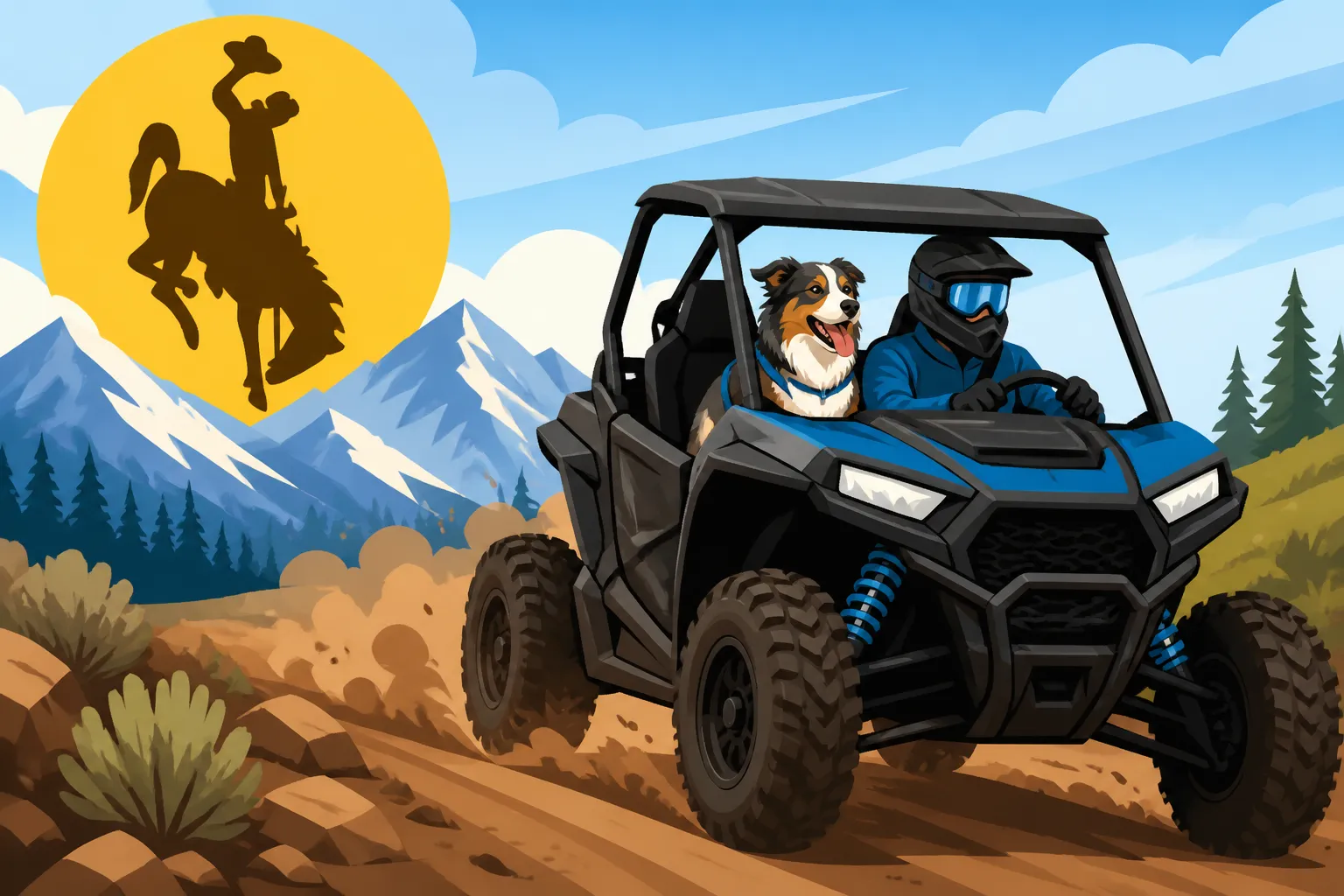
Bringing your beloved dog along for an ATV or UTV adventure in Wyoming sounds like a dream. The vast landscapes, fresh air, and open trails seem perfect for a canine companion. However, the reality of hitting the trails with your furry friend in the Cowboy State involves a lot more than just tossing them in the side-by-side and heading out. You need to consider their safety, the safety of others, the local wildlife, and all the specific rules and regulations that vary greatly depending on where you plan to ride. This guide will help you understand the nuances of riding with your dog in Wyoming, ensuring a safe, enjoyable, and compliant experience for everyone.
Why Taking Your Dog on Wyoming Trails Requires Extra Planning
Riding with your dog isn't as simple as bringing another person. Dogs have different needs, react differently to stimuli, and are subject to various rules that humans aren't. Ignoring these factors can lead to unhappy encounters, fines, or even dangerous situations.
The "Trail Etiquette" Beyond Just Humans
When you're out on Wyoming's extensive trail system, you're sharing the experience with a diverse group of users. This includes other ATV and UTV riders, but also hikers, mountain bikers, horseback riders, and even livestock. What might seem like harmless fun with your dog can quickly become a problem if proper etiquette isn't observed.
Imagine a group of horseback riders coming around a bend, and your unleashed dog suddenly darts out, barking excitedly. This can easily spook a horse, leading to a fall for the rider and potential injury to both the horse and your dog. Similarly, hikers or mountain bikers might not appreciate a dog bounding up to them, even if your dog is just being friendly. Many people are genuinely afraid of dogs, regardless of how well-behaved yours might be. Responsible dog ownership on the trails means keeping your dog under control at all times, ideally on a leash, especially when other trail users are present. It's about respecting everyone's right to enjoy the wilderness without fear or interruption. This also extends to managing your dog's waste; packing it out is crucial for maintaining the pristine environment we all cherish.
Understanding Different Land Management Rules
Wyoming is a mosaic of different land ownership and management, and each agency can have its own specific rules regarding pets. What's allowed on Bureau of Land Management (BLM) land might be strictly prohibited in a state park or a designated wilderness area. Failing to understand these distinctions can lead to citations and a ruined trip.
For instance, while many national forest roads and trails generally allow leashed dogs, there might be seasonal closures in certain areas to protect migrating wildlife or during sensitive nesting periods. Some state parks might welcome dogs in certain areas but prohibit them from beaches, historic sites, or within park buildings. Even specific OHV parks, like Poison Spider outside Casper or Killpecker Sand Dunes, might have their own local rules that supersede general state guidelines. [Wyoming State Parks, Historic Sites and Trails] often have readily available information on their pet policies. It's a bit of a detective mission, but always check the specific land manager's website or visitor center before you go. This diligence ensures you don't inadvertently enter a restricted area with your dog and face an unpleasant surprise from a ranger.
Essential Gear and Safety Considerations for Canine Trail Companions
Your ATV or UTV trip can expose your dog to conditions they might not encounter on a neighborhood walk. Protecting them from the elements, ensuring their physical safety, and preparing for unexpected encounters are paramount.
Protecting Your Dog from the Elements and Terrain
Wyoming's terrain can be rugged, and its weather unpredictable. Your dog's paws, for example, are not immune to sharp rocks, hot sand, or frozen ground. High-quality dog booties can be a lifesaver, preventing cuts, abrasions, and burns. It's not just about comfort; it's about preventing injuries that could end your trip or require veterinary attention.
Hydration is another critical factor. Just like humans, dogs can dehydrate quickly, especially at higher altitudes or in arid conditions common across much of Wyoming. Always carry plenty of fresh water and a collapsible bowl for your dog, offering water frequently. In hot weather, consider a cooling vest or bandanna to prevent overheating. Conversely, if you're riding in cooler temperatures or at high elevations, a dog jacket can provide necessary warmth. A compact dog first-aid kit, equipped with basics like antiseptic wipes, paw balm, bandages, and tweezers for splinters or ticks, is also a non-negotiable item. Think about potential hazards: snakebites, bee stings, or even just a strained muscle from jumping off the machine. Being prepared for these common issues can make all the difference.
Securing Your Dog on an ATV/UTV
Allowing your dog to ride unrestrained in an ATV or UTV is incredibly dangerous, both for the dog and for the vehicle's occupants. A sudden stop, swerve, or bump can send your dog flying, resulting in severe injury. An excited dog could also jump out while the vehicle is moving or distract the driver, leading to an accident.
For UTVs, a secured kennel or crate is often the safest option. Choose one that fits snugly into the cargo bed or passenger area and can be securely strapped down, preventing it from shifting or tipping. Ensure it's well-ventilated and offers enough room for your dog to stand, turn around, and lie down comfortably. Another option is a specially designed safety harness that tethers your dog to the vehicle's seatbelt system, similar to how [Wyoming Rules for a Child Passenger] prioritize safety. This keeps them secure in their seat but still allows some movement. For smaller dogs, a booster seat with a built-in tether can elevate them to see out while keeping them restrained. Companies like SuperATV offer various cargo management solutions and accessories that can be adapted to safely secure pet carriers or create a more stable environment for your dog within your UTV. Whatever method you choose, it must prevent your dog from being ejected, falling onto the driver, or interfering with the controls.
Wildlife Encounters and Responsible Dog Ownership
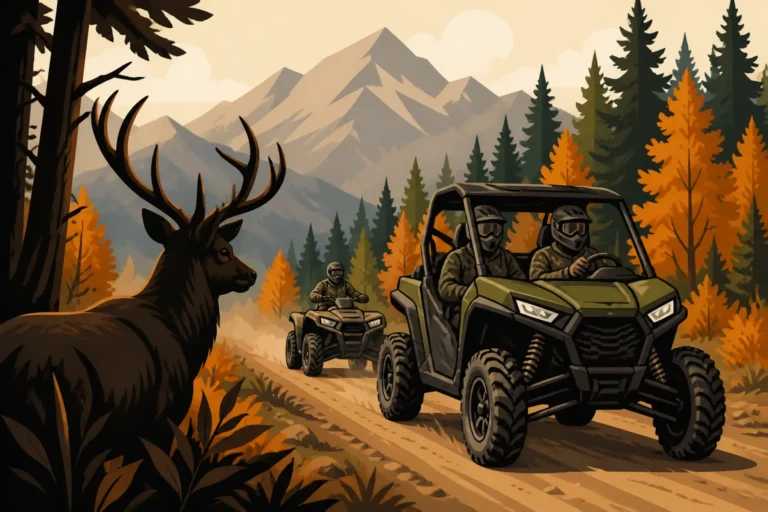
Wyoming is teeming with wildlife, from deer and elk to larger predators like moose, bears, and mountain lions. A curious or protective dog can quickly instigate a dangerous encounter with these animals, putting themselves, you, and the wildlife at risk.
Keeping your dog leashed and under strict voice control is crucial. An unleashed dog chasing a deer not only violates leash laws but can exhaust and stress the deer, especially during harsh winters or calving season. Encountering a moose can be particularly dangerous; these animals are notoriously aggressive when they feel threatened, and a dog's barking or approach can trigger a charge. In bear country, a dog can sometimes attract bears or, worse, lead a charging bear directly back to you. Carrying bear spray is a good practice for anyone riding in areas where bears are present, and knowing how to use it safely is vital. [Wyoming Rules for Riding in Grizzly Country] often highlight the need for caution. Training your dog with a solid "leave it" or "come" command is invaluable. The goal is to observe wildlife from a respectful distance without any interaction from your pet, ensuring both your safety and the undisturbed passage of Wyoming's magnificent creatures.
Navigating Wyoming's Diverse Riding Areas with Your Dog
Wyoming offers an incredible variety of terrain for off-road enthusiasts, but each type of land comes with its own set of rules, especially concerning dogs. Understanding these distinctions is key to a smooth trip.
Specifics for National Forests and BLM Lands
Much of Wyoming's vast public land is managed by the U.S. Forest Service and the Bureau of Land Management (BLM). These lands are generally very dog-friendly, offering thousands of miles of roads and designated trails where you can ride with your leashed companion. However, "generally" is the operative word.
On National Forest lands, you'll find that dogs are typically allowed on roads and most trails, provided they are on a leash no longer than six feet or under immediate voice control where leash laws aren't strictly enforced. However, rules can tighten around developed recreation sites like campgrounds, picnic areas, or swimming beaches, where leashes are usually mandatory and sometimes dogs are restricted from certain areas altogether. Similarly, the BLM manages an immense amount of land across Wyoming, much of which is open to ORV use and dogs. The crucial thing is to always check the specific Motor Vehicle Use Maps (MVUMs) for National Forests or BLM Travel Management Plans for the areas you intend to visit. These maps designate which roads and trails are open to motorized use and often contain symbols or notes regarding pet regulations. Some areas may have seasonal closures for wildlife protection, and these often apply to pets as well. [Wyoming Trail Maps and MVUMs] are your best friend for navigating these specifics.
State Parks, Historic Sites, and Designated ORV Parks
While federal lands tend to be more lenient, Wyoming State Parks and Historic Sites often have stricter regulations when it comes to pets. These areas are managed for both recreation and preservation, leading to more controlled environments.
In most Wyoming State Parks, dogs are permitted in developed areas, campgrounds, and on designated trails, but they must always be on a leash. They are typically not allowed inside park buildings, swimming areas, or certain sensitive ecological zones. Historic sites, by their nature, are often completely off-limits to pets to protect the historical structures and grounds. Designated ORV parks, like the popular Killpecker Sand Dunes or Poison Spider OHV Park, might also have their own specific guidelines. For instance, while Killpecker is generally open to leashed dogs, considerations for the extremely hot sand during summer months or the impact on fragile dune ecosystems might lead to specific local rules. Always consult the individual park's website or call ahead to confirm their pet policy before planning your trip. It’s better to be over-informed than to arrive and find out your dog can’t join you.
Private and State Trust Lands
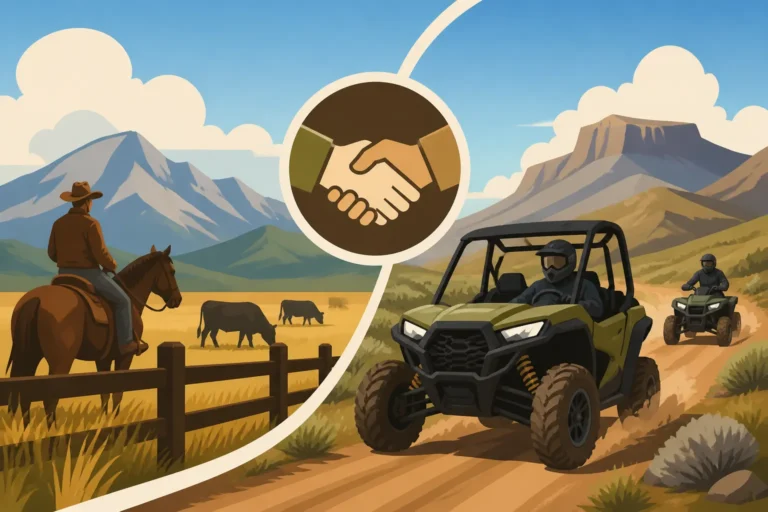
Riding on private land in Wyoming with your ATV/UTV always requires explicit permission from the landowner. This also applies to bringing your dog. It's not uncommon for landowners, especially those with livestock, to have specific requests or prohibitions regarding dogs.
If you are riding on private land with permission, be sure to ask about their dog policy directly. They might require your dog to be leashed at all times, not only for the safety of their livestock but also to prevent your dog from disturbing local wildlife or getting lost on unfamiliar terrain. [Wyoming Rules for Riding Near Livestock] are particularly important here, as a dog chasing cattle or sheep can lead to serious problems. For Wyoming State Trust Lands, which are managed for the benefit of public schools, you typically need to purchase a Recreational Use Permit to access them. These permits come with their own set of rules, and while dogs are often permitted on leash, it’s essential to review the specific terms of the permit for any additional restrictions. [Wyoming State Trust Land Permit Cost] can vary, and knowing the associated rules is part of the package. Never assume access or permission for your dog on private or state trust lands; always get explicit clarification beforehand.
Legalities and Best Practices for Canine Riders
Beyond the general etiquette and land-specific rules, there are some fundamental legalities and best practices that ensure your dog's safety and your compliance with Wyoming law.
Leash Laws and Voice Control
The single most important rule to remember when riding with your dog in Wyoming, especially on public lands, is the leash law. While some areas might permit "voice control" as an alternative to a physical leash, this privilege is contingent on your dog having impeccable recall and remaining under your immediate command at all times.
A leash provides a direct, physical connection and control, preventing your dog from running off, chasing wildlife, approaching other trail users without permission, or getting into potentially dangerous situations like wandering onto an active ORV trail or into a busy campsite. Even if your dog is incredibly well-behaved, the presence of new smells, sights, or sounds in the wilderness can trigger unexpected reactions. A sudden encounter with a venomous snake, a startled animal, or even a tempting scent can make a dog disregard commands they normally obey. Always err on the side of caution and keep your dog leashed, especially in high-traffic areas, near campgrounds, or whenever you encounter other people or animals on the trail. This simple act of responsibility helps maintain a positive image for ORV riders and their canine companions.
Waste Management
The "Leave No Trace" principles are paramount in Wyoming's natural environments, and this absolutely extends to your dog's waste. Leaving dog feces on the trail or by the roadside is not only unsightly and unsanitary but can also introduce non-native bacteria into delicate ecosystems and spread diseases to local wildlife or livestock.
Always carry waste bags and be prepared to pack out all of your dog's waste. This means bagging it and carrying it with you until you can dispose of it properly in a designated trash receptacle. Do not assume that biodegradable bags are sufficient to leave behind, nor should you bury waste; it takes a long time to decompose, especially in arid climates, and wildlife can still dig it up. Think about how you would feel encountering someone else's dog waste on a beautiful trail; extending that courtesy to others and the environment is a fundamental responsibility of any outdoor enthusiast. Proper waste management helps ensure that access for dogs on Wyoming trails continues to be permitted in the future.
Educating Yourself and Preparing for the Unexpected
The best defense against problems on the trail with your dog is thorough preparation and a commitment to ongoing education. The rules and conditions can change, and being ready for anything is part of enjoying the backcountry.
Before every trip, research the specific regulations for the area you plan to visit. Check for seasonal closures, fire restrictions ([Wyoming Fire Season and Trail Access]), and any alerts regarding wildlife activity. Beyond the legalities, think about practical readiness. What if your dog gets lost? Ensure they have up-to-date ID tags with your contact information, and consider a GPS tracker for remote areas. What if they get injured far from help? Knowing basic canine first aid and carrying a well-stocked kit is essential. If you're venturing into truly remote areas, a satellite messenger can be a lifesaver for both human and canine emergencies. [Breaking Down Far From Help] can be a serious reality in Wyoming's vast landscapes. Continuously refreshing your knowledge and anticipating potential issues allows you to tackle Wyoming's trails with confidence, knowing you're doing everything you can to ensure a safe and enjoyable adventure for yourself and your furry co-pilot.
Disclaimer
This article is for general informational purposes only and does not constitute professional advice. Laws, prices and regulations vary by location and change over time. Consult a qualified professional for guidance on your specific situation.