Wyoming DUI Rules for ATV Riders
We all know the call of the wild in Wyoming is strong, especially when you're out on the trails with your ATV or UTV. There's nothing quite like the freedom of exploring our vast landscapes. But sometimes, that sense of freedom can lead to a dangerous misconception: that the rules of the road don't apply when you're off it, or even just crossing a county road to get to the next section of trail. This guide is here to clear up any confusion and deliver a realistic look at Wyoming's DUI laws as they pertain to ATV and UTV riders, helping you understand the serious risks and consequences of riding impaired.
The Harsh Reality: Wyoming's Broad DUI Laws Apply to ATVs
It's a common mistake to think that a DUI only applies if you're behind the wheel of a car or truck on a paved highway. I've heard riders say, "I'm just on a two-track in the middle of nowhere," or "It's not a car, so it's different." The truth is, Wyoming's laws are remarkably broad when it comes to operating any kind of vehicle while impaired, and that absolutely includes your trusty ATV, side-by-side, or dirt bike. Whether you're on a designated trail, a gravel county road, or even across private property with permission, if you're operating a machine while under the influence, you could be facing serious charges.
What "Operating" Really Means in Wyoming
In Wyoming, the term "operating" is interpreted very broadly by law enforcement and the courts. It doesn't just mean driving down the trail at full speed. If you're sitting on your machine with the keys in the ignition, or even just having it idling while you're parked, you could be considered "operating" it. Think about it: if you're pulled over in your truck and you're just sitting there with the engine running, you can still get a DUI. The same logic applies to your off-road vehicle.
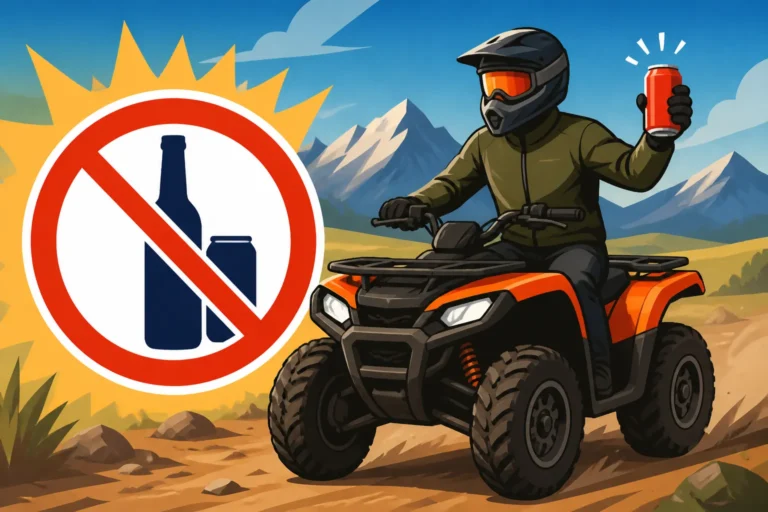
Imagine you've been out with friends, maybe enjoying a campfire and a few adult beverages. You decide it's time to head back to camp, hop on your side-by-side, and just start the engine. Even if you haven't moved ten feet, if a warden or sheriff's deputy observes you and suspects impairment, you could be facing a DUI charge. It's not about the distance traveled; it's about being in control of the vehicle while under the influence. This broad interpretation is designed to prevent impaired individuals from even initiating a ride, recognizing the inherent danger even a short, slow trip can pose in an off-road environment.
The Definition of "Vehicle" Includes Your ATV
Wyoming Statute 31-5-233, which covers driving under the influence, uses the term "vehicle" without specifically excluding off-road machines. This means that if it moves, and you're controlling it, it's generally considered a vehicle under DUI law. There's no special exemption for a dirt bike or a utility vehicle just because it typically doesn't have a license plate (though some, like multipurpose vehicles, might).
This is why you absolutely cannot treat an ATV or UTV differently than you would your pickup truck when it comes to alcohol or drug consumption. The law sees it all the same. Whether you're riding a [Wyoming Permits for a Dirt Bike], a [Wyoming Permits for a Side-by-Side], or a standard quad, if you're operating it while impaired, you're breaking the law. This holds true whether you are on a [Wyoming Rules for Riding a County Road], a [Wyoming Rules for Riding a Forest Road], or even the trails within one of our incredible state parks. The definition of "vehicle" is inclusive enough to cover virtually any motorized means of transport you might use to explore Wyoming's vast outdoor spaces.
Understanding Impairment and Penalties
So, what exactly constitutes "impairment" in Wyoming, and what are the actual legal repercussions? It's crucial to understand that even a small amount of alcohol can affect your judgment, reaction time, and coordination, all of which are vital for safe off-road riding. The penalties are not minor, and they escalate significantly with repeat offenses.
The Legal Limit and Implied Consent
In Wyoming, the legal limit for blood alcohol concentration (BAC) for most adult drivers is 0.08%. For commercial drivers, it's even lower. If you're operating an ATV or UTV and your BAC is at or above this limit, you are considered legally impaired, regardless of whether you feel "drunk" or not. But here's a crucial point: you can still be charged with a DUI if your BAC is below 0.08% but you are still impaired to a degree that renders you incapable of safely operating the vehicle. This is often referred to as "driving while impaired" even if you don't meet the per se BAC limit.
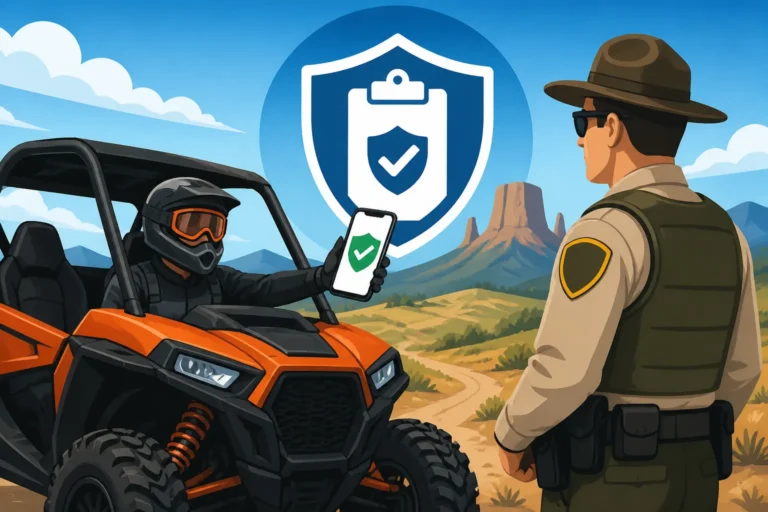
Wyoming also operates under an "implied consent" law. This means that by operating a motor vehicle (including an ATV or UTV) on public lands or roads in Wyoming, you automatically consent to a chemical test (blood, breath, or urine) if a law enforcement officer suspects you are driving under the influence. Refusing such a test can lead to immediate penalties, including suspension of your driver's license, even if you are ultimately found not guilty of the DUI itself. This can be a shock for people who think that an ATV ride is somehow outside the scope of typical vehicle laws. It is not.
First Offense vs. Repeat Offenses
The penalties for a DUI in Wyoming are severe and become increasingly harsh with each subsequent offense. It’s not just a slap on the wrist; a DUI conviction can significantly impact your life for years to come.
Here's a general overview of what you might face:
| Offense | Jail Time (Minimum) | Fines (Minimum) | License Suspension (Minimum) | Other Potential Penalties |
|---|---|---|---|---|
| First Offense | 10 days | $200 | 90 days | Alcohol education/treatment, ignition interlock device (IID) |
| Second Offense | 30 days | $200 | 1 year | Alcohol education/treatment, IID, vehicle forfeiture possible |
| Third Offense | 1 year | $750 | 3 years | Alcohol education/treatment, IID, felony charges possible |
Note: These are general minimums. Actual penalties can be much higher based on specific circumstances, such as high BAC levels, accidents, or injury to others.
Beyond the immediate jail time and fines, a DUI conviction will be a permanent mark on your record. Even a first offense can lead to substantial financial burdens, not just from the fines but also from court costs, legal fees, mandatory alcohol education programs, and the installation and maintenance of an ignition interlock device in any vehicle you operate. You also face the very real possibility of losing your driving privileges for your regular vehicle, which is a massive inconvenience.
Beyond the Immediate Penalties: Long-Term Consequences
A DUI conviction for operating an ATV or UTV doesn't just impact your immediate freedom and finances. The ripple effects can extend far into your future, affecting everything from your ability to get around to your reputation and career. It's a heavy price to pay for a lapse in judgment.
Impact on Your Driver's License and Insurance
One of the most immediate and impactful consequences of an ATV DUI in Wyoming is its effect on your regular driver's license. Yes, even if you were on a dirt trail and not driving your car, your state-issued driver's license can, and likely will, be suspended. This is a common point of frustration and surprise for many riders, but the state treats it as a single driving privilege. A first offense typically means a 90-day suspension, but repeat offenses can lead to years without a valid driver's license. Imagine trying to navigate daily life in Wyoming without being able to drive to work, pick up groceries, or even get to your favorite trailhead. It's incredibly restrictive and challenging.
Furthermore, expect your insurance premiums to skyrocket once you have a DUI on your record. Insurance companies view DUI convictions as a major risk factor, and they will adjust your rates accordingly. Some insurers might even drop you entirely, forcing you to seek out high-risk policies that come with significantly higher costs. This applies not just to your car insurance but potentially to any [Wyoming ATV Insurance Requirement] you might have for your off-road machine as well. The financial burden here can last for many years, long after you've paid off your fines and completed your court-mandated programs.
Social and Financial Ramifications
The impact of an ATV DUI extends beyond legal and financial penalties. There's a significant social stigma associated with a DUI, which can affect your personal relationships, employment opportunities, and overall standing in your community. Explaining a DUI on a job application or during an interview can be incredibly difficult, especially if the role requires driving or a clean background check. Potential employers often see a DUI as a sign of irresponsibility, and it can limit career advancement or even prevent you from getting certain jobs altogether.
Financially, beyond the immediate fines and legal fees, there are many hidden costs. You might have to pay for mandatory alcohol assessment and treatment programs, which can be expensive. If an ignition interlock device is mandated for your vehicle, you'll be responsible for installation, monthly lease fees, and calibration. If your license is suspended, you might incur costs for alternative transportation like ride-sharing services or relying on friends and family. All these expenses add up quickly, creating a substantial financial hole that can take years to recover from. It truly underscores why it's so important to be responsible every time you consider operating any kind of vehicle, whether it’s your truck or your side-by-side.
Staying Safe and Legal on Wyoming's Trails and Roads
Navigating Wyoming's incredible landscapes on an ATV or UTV is an absolute joy, and we want everyone to experience it safely and legally. The best way to avoid the severe consequences of a DUI is to simply not put yourself in that situation in the first place. A little planning and foresight can go a long way in ensuring your fun day out doesn't turn into a nightmare.
Planning Ahead: Avoiding Temptation
The easiest way to avoid an ATV DUI is to make the decision before you even hit the trails or start drinking. If you know you'll be enjoying adult beverages, commit to not operating your machine. This might mean having a designated driver for your ATV, just like you would for your car. Or, if you're camping, perhaps you decide to keep the machines parked once the drinks come out.
Consider separating your activities. Dedicate one day purely to riding, and another day for relaxing at camp. This clear distinction helps remove the temptation to mix the two. Make sure everyone in your group understands and agrees to this rule. Peer pressure can be a real factor, so having a group consensus on responsible behavior can make a huge difference. If you're going to be riding on any kind of public land, be it a [Wyoming Rules for Riding a BLM Road] or even just crossing a [Wyoming Rules for Crossing a Highway], you need to be sober and clear-headed. Your safety, and the safety of those around you, depends on it.
Designated Drivers and Alternative Transport
Just like with a car, having a designated driver for your ATV or UTV is a smart and responsible choice. If you're out with a group, decide beforehand who will be the sober operator. This person can then shuttle people back and forth from camp or between different areas without risking a DUI. This also allows everyone else to relax and enjoy themselves without worry.
For those remote camping trips where a designated driver might not be feasible, think about alternative transport plans. If you're close enough to a town, perhaps a local taxi or ride-share service could be an option for a short trip to grab supplies, leaving your ATV safely parked. If you're deep in the backcountry, the best alternative is often simply staying put. Once the drinks are flowing, the keys should be put away. It’s better to walk a short distance or spend the night under the stars at your campsite than to risk a DUI, injury, or worse. Remember, whether it's [Wyoming Rules for Riding After Dark] or in broad daylight, the DUI laws apply just the same. Prioritizing safety means making smart choices before you ever put the key in the ignition.
Disclaimer
This article is for general informational purposes only and does not constitute professional advice. Laws, prices and regulations vary by location and change over time. Consult a qualified professional for guidance on your specific situation.