Wyoming Rules for a Youth Machine on a Trail
Riding the trails in Wyoming with your kids can be an incredible experience, creating lasting memories under the big sky. But let's be honest, trying to figure out all the rules for youth machines on those vast, open trails can feel like navigating a maze in the dark. It's not just about letting them rip; it's about doing it safely and legally. This guide is here to untangle the complexities, so you can confidently hit the trails knowing you're protecting your young rider and respecting Wyoming's beautiful wilderness.
Navigating Wyoming's Landscape for Young Riders: What Defines a Youth Machine?
When you're gearing up for an adventure in Wyoming, one of the first hurdles you encounter is understanding what qualifies as a "youth machine" in the eyes of the law, and why those distinctions matter. It’s not always as simple as "it's small, so it's for kids." Wyoming has specific guidelines that affect where and how your young ones can ride, ensuring their safety and the preservation of our cherished lands.
Weight, Engine Size, and Age Considerations
Wyoming doesn't necessarily define a "youth machine" by a strict engine size across the board for all public lands. Instead, the focus often shifts to the age of the rider and the type of machine being operated. Generally, youth ATVs and UTVs are smaller, lighter, and have engine displacements designed for younger, less experienced operators. We’re talking about those machines that typically range from 50cc to around 125cc for ATVs, and smaller, lighter UTVs with speed restrictors. While there isn't a statewide blanket rule that says "all 90cc machines are youth machines," the intent is clear: matching the machine's capabilities to the rider's skill and age is paramount. Many manufacturers classify their own machines as "youth models" based on these factors, often including speed governors or other safety features that can be adjusted as the rider gains experience. It’s critical to remember that even if a machine is labeled "youth," the rider still needs to meet age and supervision requirements for public land.
Why a Wyoming ORV Permit Is Non-Negotiable
No matter the size of the machine or the age of the operator, if it's an off-road vehicle (ORV) and it's hitting a designated trail or public land in Wyoming, it needs an ORV permit. Period. This isn't a suggestion; it's a legal requirement, and it applies to every single machine, whether you're from Wyoming or just visiting. [Wyoming ORV Permits Explained] elaborates on this in detail. Think of it as your passport to enjoyment on the state's incredible trail system. Without that little sticker properly affixed, you're not just risking a fine; you're essentially riding illegally. This permit helps fund the very trails and facilities we all enjoy, from maintaining paths to posting clear signage. It's a small fee for a lot of access, and it ensures that the trails remain open and safe for everyone, including our youngest riders. Make sure you get one for every ORV, including your child's machine, before you even load up the trailer. You can often pick these up at local powersports shops, county offices, or even online, making it fairly straightforward.
Distinguishing Between ORV Trails and Street-Legal Routes
This is where it can get a little tricky, especially when you're thinking about moving machines around or accessing trailheads. The vast majority of youth machines are strictly considered ORVs. This means they are designed only for off-road use on designated trails, open riding areas, or private property with permission. They are not street-legal. Wyoming has a special category of machines called Multipurpose Vehicles (MPVs) that can be made street-legal, but these typically have stricter requirements regarding weight, seat height, and equipment (like mirrors, horns, and lights) that youth machines rarely meet. [Wyoming MPV Street Legal Requirements] goes into the nitty-gritty of what it takes for a machine to hit the pavement. For your youth rider, assume their machine is an ORV. This means you generally can't just ride it down a county road to get from one trail segment to another unless that specific road has been designated and enrolled as an ORV route. Always check local maps and signage. It's easy to accidentally wander onto a prohibited road, especially when exploring new areas, so always err on the side of caution and keep those wheels on the designated dirt.
Essential Rules for Youth Riders on Wyoming's Public Trails
Once you understand what constitutes a youth machine and the permit requirements, the next crucial step is to internalize the specific rules for young riders on Wyoming's vast public trail systems. These regulations aren't arbitrary; they are designed to protect everyone on the trail, especially our most vulnerable riders.
Age Limits and Required Adult Supervision
Wyoming takes the safety of its young riders very seriously, and that means clear rules around age and supervision. While the specific age a child can operate an ATV or UTV on public land can sometimes feel a little fluid depending on the land management agency (e.g., Forest Service vs. BLM), the general principle is consistent: adult supervision is almost always required for riders under a certain age.
For example, [Wyoming Minimum Age to Ride Public Land] indicates that while there isn't a strict statewide minimum age to operate an ORV on public land if supervised, many land managers and safety organizations recommend that children under 10 or 12 years old stick to machines specifically designed for their age group and always ride under direct adult supervision. The key here is "direct supervision" – a responsible adult, typically 18 years or older, must be physically present and able to intervene if needed. This doesn't mean supervising from the camp a mile away; it means riding alongside or within direct line of sight and hearing.
It's also vital to understand that while an 8-year-old might be physically capable of operating a small quad, they still need the cognitive development to assess risks and make quick decisions on the trail. [Wyoming Supervision Rules for Young Riders] underscores the importance of this constant vigilance. This supervision isn't just about watching them; it's about teaching them trail etiquette, obstacle recognition, and how to react safely to unexpected situations like encountering wildlife or other riders. Think of it as an apprenticeship for responsible off-road adventuring.
The Importance of Approved Safety Gear and Equipment
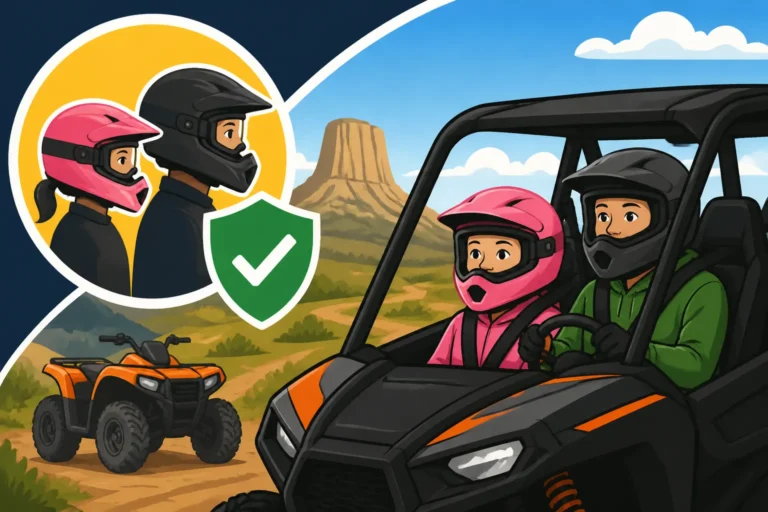
When it comes to youth riders, safety gear is non-negotiable. It's not just a suggestion; it's a critical layer of protection that can prevent serious injuries. While Wyoming may not have an across-the-board helmet law for all ATV riders over 18, it is universally recommended for all riders and often legally required for those under a certain age or on specific types of land. For youth riders, a helmet is absolutely essential. [Wyoming Helmet Law for ATV Riders] outlines these specifics, but assume your child needs one.
Beyond a helmet, here's what your young rider should always be wearing:
- DOT-Approved Helmet: This is paramount. It must fit snugly and be in good condition.
- Eye Protection: Goggles or a full-face helmet visor to protect against dust, debris, and branches.
- Over-the-Ankle Boots: Sturdy boots protect feet and ankles from impacts and burns.
- Long Pants and Long-Sleeved Shirt: Durable material like denim or thick riding gear helps prevent scrapes and burns.
- Gloves: Protect hands from blisters, impacts, and brush.
Don't skimp on this gear. A few extra dollars spent on quality safety equipment is a small price to pay for your child's well-being. Additionally, ensure the machine itself is in good working order, with functioning brakes, appropriate tires, and a spark arrester. [Wyoming Spark Arrester and Sound Rules] are important for all machines, preventing wildfires and keeping sound levels reasonable.
Following Designated Routes and Respecting Closures
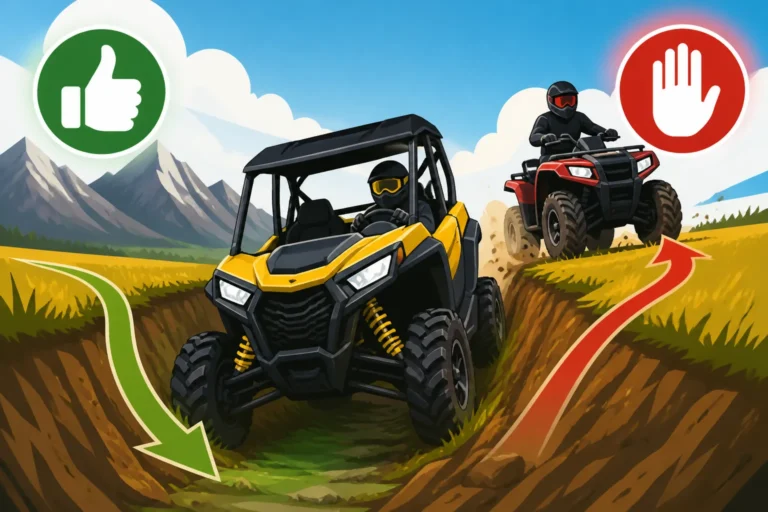
Wyoming's public lands are vast, but that doesn't mean every inch is open to off-road vehicles. In fact, most public lands operate under a "designated routes only" policy. This means you are only allowed to ride on trails and roads that are specifically marked and open for ORV use. This rule is crucial for environmental protection, preventing resource damage, and minimizing conflicts with other land users and wildlife.
When riding with youth, it's even more important to stick to these designated routes. Allowing a child to "explore" off-trail can quickly lead to trespassing, damaging sensitive habitats, or getting lost. Always carry a current map of the area you are riding in. [Wyoming Rules for Riding a Designated Route] provides more insight into this. These maps (often called Motorized Vehicle Use Maps, or MVUMs, for Forest Service lands) clearly show which routes are open to what types of vehicles and during which seasons.
Seasonal closures are also common, especially in spring to protect fragile ecosystems during thaw or to safeguard critical wildlife habitat during calving or nesting seasons. Always check for current conditions and closures before heading out. [Wyoming Trail Closures to Check First] is a good habit for any ride. Respecting these closures teaches young riders environmental stewardship and ensures that these beautiful trails remain accessible for future generations. Ignoring signs or riding around closed gates can result in fines and contributes to negative perceptions of the off-road community.
Equipping and Educating Your Young Rider for Wyoming Adventures
Beyond the legalities, truly preparing your young rider for Wyoming's trails involves making smart choices about their equipment and, most importantly, instilling in them a deep sense of responsibility and trail etiquette. This isn't just about riding fast; it's about riding smart, safe, and respectful.
Choosing the Right Machine and Safety Accessories
Selecting the correct youth machine is foundational. It shouldn't be too big, too powerful, or too complex for their current skill level and size. Many manufacturers offer models specifically tailored for different age groups, with features like adjustable speed limiters, automatic transmissions, and ergonomic controls designed for smaller hands and feet. Starting small and gradually increasing machine size and power as skills develop is the safest approach.
When it comes to safety accessories, think beyond the basics. While helmets, goggles, and protective clothing are mandatory, other additions can significantly enhance safety and enjoyment. For instance, a safety flag can increase visibility in dusty conditions or over hills, especially important when riding with a group or in popular areas. Handlebar guards can protect hands from impacts with branches or during a rollover. For machines that might see a lot of use, or if you're looking to add extra protective elements like reinforced bumpers or skid plates, companies like SuperATV offer a variety of aftermarket parts and accessories that can enhance the durability and safety of youth machines. They even have items like harnesses and grab bars for passengers in youth UTVs, which can make a big difference in security on bumpy trails. Investing in these small upgrades can provide peace of mind and better protection for your young adventurer.
Promoting Responsible Riding Habits and Trail Etiquette
This is perhaps the most crucial aspect of preparing a young rider. The rules of the trail extend far beyond what's written in a regulation book; they encompass a code of conduct that ensures everyone has a positive experience and that the environment is preserved. Start with the basics:
- Stay on the Trail: Reiterate constantly that going off-trail, even for a moment, is not allowed. This protects sensitive habitats and prevents erosion.
- Yield to Others: Teach them to slow down and yield to hikers, horses, and mountain bikers. Horses, in particular, can be spooked easily, so a polite greeting and a slow, wide pass are essential. [Wyoming Trail Etiquette With Ranchers] covers some vital points for interacting with others.
- Respect Wildlife: Keep a safe distance from animals and never chase or harass them.
- Pack It In, Pack It Out: Leave no trace. Teach them to carry out all their trash, even small items.
- Ride at a Safe Speed: Emphasize riding within their capabilities and the conditions of the trail, not trying to keep up with faster riders.
- Hand Signals: Teach basic hand signals for slowing down, stopping, or indicating obstacles to riders behind them.
These habits, instilled early, create responsible stewards of the land and courteous members of the riding community. Lead by example; if you follow these rules diligently, your children will be more likely to do the same.
Preparing for Unexpected Situations and Emergencies
Wyoming's backcountry can be remote and unpredictable. Even on well-maintained trails, things can go wrong. Preparing your young rider for these possibilities is key to turning potential crises into manageable inconveniences.
- Basic First Aid: Teach them how to apply pressure to a cut, recognize symptoms of dehydration, or identify poisonous plants. Carry a well-stocked first-aid kit.
- Communication: Even if they don't carry a cell phone (which often won't have service in remote areas), teach them what to do if they get separated from the group. "Stay put" is often the best advice. Consider a two-way radio or a satellite messenger for the lead adult rider.
- Machine Basics: Show them how to check tire pressure, fuel levels, and understand simple dashboard warnings. While they might not fix a flat on their own, recognizing the issue is the first step.
- Weather Awareness: Wyoming weather can change rapidly. Teach them to recognize signs of an approaching storm, like darkening clouds or a sudden drop in temperature. Always carry extra layers, rain gear, and plenty of water.
- Emergency Contact Info: Have a laminated card with emergency contacts, medical information, and any allergies on their person or in their machine's storage.
By discussing these scenarios calmly and practicing some basic responses, you empower your young rider to react thoughtfully rather than panicking if an unexpected event occurs. It’s all about building confidence through preparation.
Finding Family-Friendly Riding Opportunities Across Wyoming
Wyoming is a vast playground for off-road enthusiasts, and thankfully, there are many incredible spots that are perfect for families with youth riders. Knowing where to look and what resources to use will make planning your trips much easier and more enjoyable.
Identifying Suitable Trails and Riding Areas
Not all trails are created equal, especially when riding with kids. You'll want to seek out areas known for well-maintained, less technical trails, often wider two-tracks or designated ORV paths that avoid extreme inclines, rocky terrain, or deep mud. Look for riding areas that offer a mix of terrain but lean towards beginner or intermediate difficulty.
Here are a few types of areas to consider:
- National Forests: Many National Forests in Wyoming have extensive systems of enrolled roads and trails that can be excellent for youth riders. They often feature clear signage and good mapping. Places like the Medicine Bow-Routt National Forest or parts of the Bighorn National Forest can be fantastic, offering scenic rides through varied landscapes.
- BLM Lands: Bureau of Land Management (BLM) lands often have vast networks of two-track roads and designated trails. These areas tend to be more open and can be great for building confidence on gentler terrain. Just ensure you're on a designated route, as cross-country travel is typically prohibited.
- State Parks and Designated OHV Parks: Some areas specifically managed for OHV use, like Poison Spider OHV Park outside Casper, or the open riding areas like Killpecker Sand Dunes, can be perfect. They often have facilities and clearly marked boundaries. [Where to Ride an ATV in Wyoming] offers a more detailed look at popular spots.
When scouting a new area, look for reviews or descriptions that mention "family-friendly" or "beginner-friendly" trails. Don't be afraid to call the local ranger district or land management office for current conditions and recommendations.
Resources for Maps, Regulations, and Current Conditions
Having the right information before you go is half the battle. Fortunately, there are many resources available:
- Motorized Vehicle Use Maps (MVUMs): For National Forests, these maps are your bible. They show exactly which roads and trails are open to motorized vehicles, vehicle types allowed, and seasonal closures. You can often download them for free from the Forest Service website or pick up paper copies at ranger stations.
- BLM Travel Management Plans: Similar to MVUMs, BLM offices have maps detailing open routes on their lands.
- Wyoming State Parks, Historic Sites and Trails Website: The state's official website often provides information on ORV permits, regulations, and trail conditions.
- Local Powersports Shops: These businesses are often invaluable sources of local knowledge, trail recommendations, and permit sales.
- Online Forums and Riding Groups: Engaging with local riding communities online can provide real-time updates on trail conditions, closures, and family-friendly routes.
Always check for current conditions before you leave, especially regarding weather, fire restrictions, or sudden trail closures. [Wyoming Trail Closures to Check First] is a good resource to remind yourself of these checks. A beautiful day can quickly turn into a dangerous one if a storm rolls in or if a trail is unexpectedly closed due to hazards.
Embracing the Wyoming Off-Road Community Safely
Riding with youth is not just about the individual experience; it's about being part of a larger community. Teaching your children to interact positively with other riders and land users is crucial.
Consider joining a local ATV/UTV club. Many clubs organize family-friendly rides, offer safety clinics, and are actively involved in trail maintenance and advocacy. This provides a great opportunity for young riders to learn from experienced adults, make new friends, and develop a deeper appreciation for the sport.
Always remember that as an adult riding with children, you are an ambassador for the entire off-road community. Your actions, and those of your young riders, reflect on everyone. By adhering to the rules, practicing proper etiquette, and embracing responsible riding, you ensure that Wyoming's trails remain open and enjoyable for all, fostering a positive environment where new generations can fall in love with the thrill of off-road adventure under the wide-open Wyoming sky.
| Factor | Public Land (Designated Trails) | Private Land (With Permission) | Enrolled Roads (MPV Only) |
|---|---|---|---|
| Minimum Age to Drive | Varies, generally 8-10+ with supervision; check specific land manager rules | No statewide minimum, owner's discretion | 16+ with appropriate license/endorsement; MPV specific |
| Supervision Required | Yes, by licensed adult (typically 18+) within direct sight/hearing | Recommended, owner's discretion | If under 18, helmet required for passenger; driver must be licensed |
| ORV Permit/Decal | Yes, mandatory for all ORVs | No, if solely on private land | Yes, if machine is an ORV traversing to an enrolled road; or if it's an MPV |
| Helmet Requirement | Strongly Recommended for all; often age-based legal requirement | Recommended | Mandatory for under 18 |
| Safety Course | Highly Recommended | Recommended | Recommended |
| Spark Arrester | Mandatory | Recommended | Mandatory |
| Designated Routes | Mandatory | Owner's discretion | Only on specifically enrolled roads |
Disclaimer
This article is for general informational purposes only and does not constitute professional advice. Laws, prices and regulations vary by location and change over time. Consult a qualified professional for guidance on your specific situation.