How the 1,000 Machine a Year Cap Works
Many off-road vehicle (ORV) enthusiasts in Wyoming face a peculiar challenge when their favorite trail network is bisected by one of the state's major interstate highways. Trying to figure out how to legally get from one side to the other, especially with the mention of a "1,000 machine a year cap," can be incredibly confusing and frustrating. This guide is here to untangle the complexities of Wyoming's special provisions for ORV and multipurpose vehicle (MPV) interstate crossings, explaining exactly what this cap means, why it exists, and how it impacts your riding adventures across the Cowboy State.
The Genesis of Wyoming's Interstate Crossing Cap
For a long time, the idea of an off-road vehicle even near an interstate highway in Wyoming was a non-starter. Interstates are built for high-speed, limited-access traffic, and bringing slower-moving, often less visible, ORVs into that mix presented significant safety concerns. Riders often had to trailer their machines for miles just to get to the other side of an interstate, effectively cutting off vast sections of trail from easy access. This was more than just an inconvenience; in some communities, it was a genuine barrier to outdoor recreation and economic activity.
How the Interstate Cut Off Evanston From Its Trails
Perhaps no community felt this divide more acutely than Evanston, a vibrant town in southwestern Wyoming. I-80, the major east-west artery through the state, slices right through the region, effectively separating prime riding country. This wasn't just about a few individual trails; it fragmented entire networks that local riders and visitors alike wanted to explore. Imagine having fantastic terrain just a mile or two away, but an impassable concrete river prevents you from reaching it without a cumbersome, time-consuming detour. This geographical split created a strong local push to find a safe, legal solution for [How the Interstate Cut Evanston Off From Its Trails], allowing riders to connect the dots of their favorite routes.
The Legislative Push for Crossings
The advocacy from communities like Evanston eventually led to legislative action. It wasn't a quick fix, nor was it a simple statewide blanket approval. Instead, it was a carefully negotiated process that involved multiple state agencies, including the Wyoming Department of Transportation (WYDOT), which oversees the interstates, and the [Wyoming State Parks, Historic Sites and Trails] department, which manages the state's recreation program. The goal was to establish a framework that prioritized public safety on high-speed roads while also addressing the legitimate needs of the off-road riding community. This led to the creation of rules specifically allowing for designated ORV crossings, but with strict controls.
Understanding Crossing Types: Grade-Separated vs. At-Grade
When we talk about ORV crossings, it's vital to distinguish between two main types:
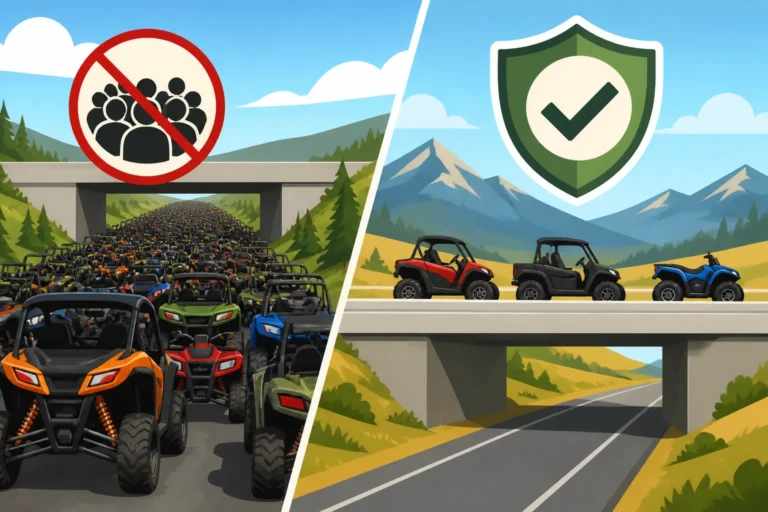
- Grade-Separated Crossings: These are universally preferred because they completely remove ORVs from the flow of interstate traffic. Think of an underpass or an overpass dedicated to ORVs, or using existing county roads that pass over or under the interstate. These types of crossings are considered the safest and do not count against any annual machine caps because they maintain full separation from high-speed traffic. In fact, the [Why the Trails Program Pays for Crossings] is a testament to the state's commitment to these safer alternatives, helping to fund the construction or improvement of such infrastructure.
- At-Grade Crossings: These are the trickier ones and the reason the 1,000-machine cap exists. An at-grade crossing means an ORV or MPV is actually crossing at the same level as interstate traffic, typically on an interchange or a specifically designated route. These require careful planning, clear signage, and strict adherence to safety protocols due to the inherent risks of mixing ORVs with vehicles traveling at 80 mph.
How the 1,000 Machine Cap Works in Practice
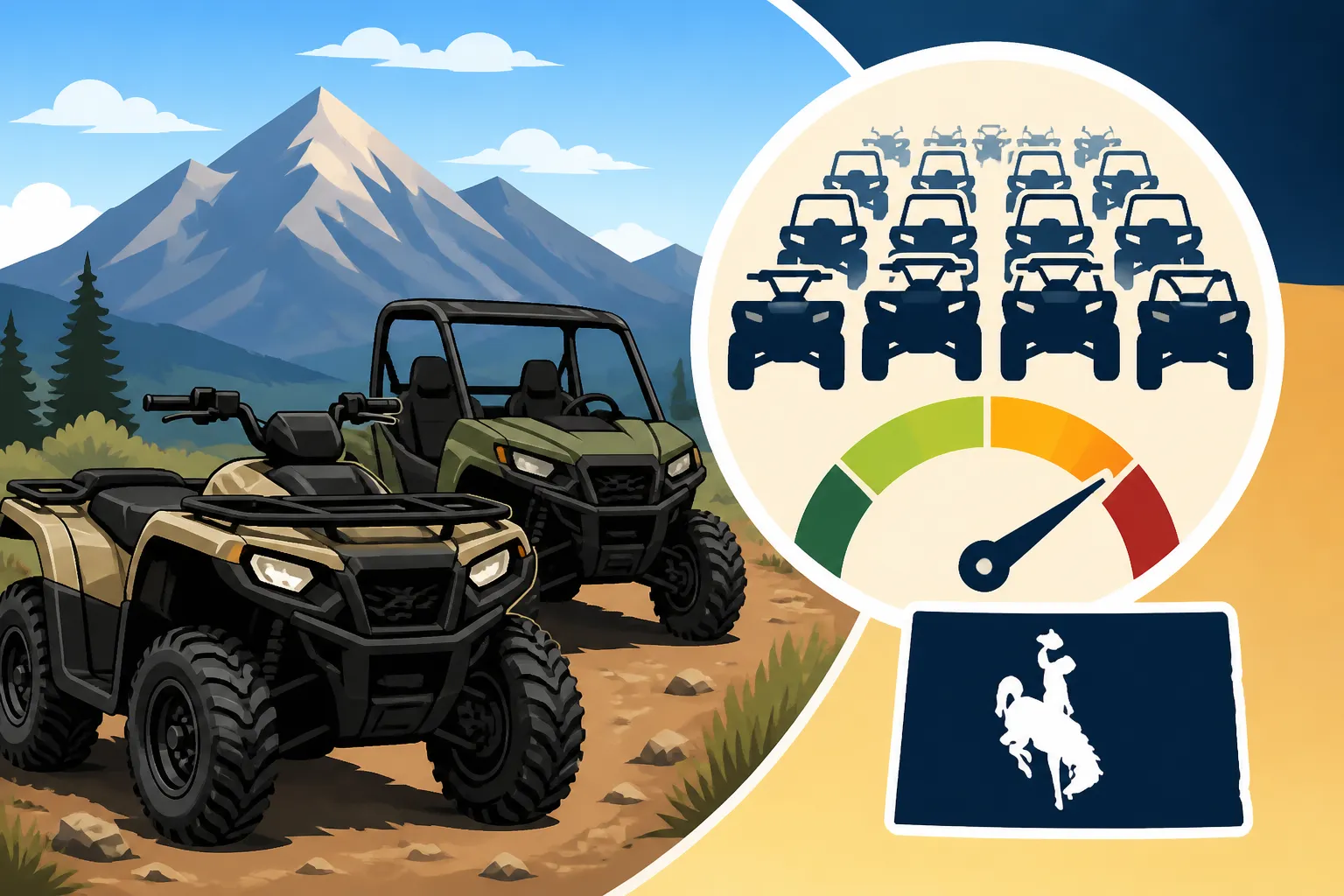
The "1,000 machine a year cap" is specifically designed for these at-grade interstate crossings. It's not a general rule for all ORV use in Wyoming; it's a very targeted safety measure for the most sensitive points where off-road traffic briefly shares space with interstate vehicles. This cap is a critical component of the agreement that made these crossings possible in the first place.
The Mechanism of the "1,000 Machine" Rule
The 1,000 machine cap is not a statewide total. Instead, it applies per individual, designated at-grade interstate crossing location. This is a crucial distinction. If there are five approved at-grade crossings in Wyoming, each one could potentially handle up to 1,000 machines per year, subject to local and state agency monitoring. The purpose of this cap is simple: to limit the volume of slower-moving traffic at points where safety is paramount, allowing agencies to monitor the impact and effectiveness of the crossing over time. It provides a data point for future decisions and ensures that these experimental crossings don't inadvertently create significant safety hazards.
Who Manages and Monitors the Count?
The administration of this cap involves collaboration between several entities. WYDOT, as the authority for the interstate itself, plays a crucial role in approving the location and specific design of any at-grade crossing. However, the day-to-day monitoring and coordination often falls to the [Wyoming Trails Program Contact], working in conjunction with local authorities. When a rider uses one of these designated at-grade crossings, it gets counted. This isn't usually done through a physical checkpoint with someone tallying machines, but rather through various methods such as traffic counters embedded in the road, or occasional manual surveys during peak riding times. The goal is to get an accurate representation of usage without impeding traffic flow.
The Role of Local Control in Establishing Crossings
It's important to understand that these interstate crossings don't just appear out of nowhere. The initiative almost always begins at the local level. A county, city, or even a local trails group will identify a need for a crossing and then formally request its establishment. This is why [Why a County Must Say Yes First] before any state agency can act. The local community has to be on board, accepting the responsibilities that come with managing such a crossing, including potentially helping with maintenance, signage, and public education. Without local buy-in, it's highly unlikely that WYDOT or the Wyoming Trails Program would move forward with an at-grade crossing proposal.
Here’s a summary of how the cap operates:
| Aspect | Description |
|---|---|
| Applicability | Applies only to designated at-grade interstate crossings where ORVs/MPVs share the same level as interstate traffic. |
| Cap Limit | 1,000 machines per year per individual approved crossing location. It is not a statewide total. |
| Primary Purpose | A safety and monitoring measure to limit traffic volume at high-risk crossing points and gather data for future planning. |
| Administering Agencies | Wyoming Trails Program (often through a [Wyoming Trails Program Contact]) in collaboration with WYDOT and local county/municipal authorities. |
| Initiation | Typically initiated by a local county or municipality that identifies a specific need for an at-grade crossing. Local approval is essential. |
| Exclusions | Grade-separated crossings (underpasses, overpasses) do not count towards the 1,000-machine cap as they maintain full separation from interstate traffic. |
Approved Crossing Points
These designated at-grade crossing points are not chosen arbitrarily. They are the result of extensive safety analyses, traffic studies, and engineering reviews. Factors like sight distance, traffic volume on both the interstate and the crossing route, and potential impacts on local communities are all considered. Once approved, these crossings will be clearly marked with specific signage to guide riders and warn interstate traffic. Riders using a side-by-side or ATV might find that adding aftermarket accessories like larger SuperATV mirrors or enhanced lighting can significantly improve their visibility and safety when approaching one of these critical intersections. Proper preparation is key for any road-legal machine.
Navigating the Cap as a Rider
So, what does all this mean for you, the rider, looking to explore Wyoming's incredible back country? It means planning, awareness, and ensuring your machine and riding practices are up to snuff.
Planning Your Trip and Staying Informed
While the state doesn't typically close an at-grade crossing mid-year just because the 1,000-machine cap has been reached (the cap is more for data collection and long-term planning), it's always wise to stay informed. Riders should consult the latest maps and information from the [Wyoming State Parks, Historic Sites and Trails] department or local land management agencies (like the Forest Service or BLM) for specific details on designated crossings. These resources often include maps of [Wyoming's Enrolled Roads and Trails], which will show where ORVs and MPVs are legally allowed to travel, including any approved interstate crossings. Knowing where these points are, and whether they are grade-separated or at-grade, can save you a lot of grief and ensure a seamless ride.
Understanding MPV Rules for Road Use
It's absolutely critical to remember that any machine using an interstate crossing – especially an at-grade one – must be considered a Multipurpose Vehicle (MPV) and be fully street legal in Wyoming. This means your ATV or side-by-side isn't just an ORV anymore; it needs to meet specific requirements to be ridden on public roads. This includes having a valid title and registration as an MPV, a license plate from a Wyoming County Treasurer, and appropriate safety equipment.
Your machine must meet the [Wyoming MPV Weight Limits] (between 300 and 3,000 pounds) and the [Wyoming MPV Seat Height Rule] (at least 24 inches from the ground to the lowest portion of the driver's seat). Beyond that, you'll need headlights, taillights, brake lights, turn signals, mirrors (making sure your SuperATV mirrors are properly adjusted!), a horn, and proof of insurance. Without these, you're not just risking a ticket; you're risking your safety and the safety of others.
Prioritizing Grade-Separated Crossings
Whenever possible, riders should always opt for grade-separated crossings. These are not only inherently safer but also completely bypass the 1,000-machine cap, offering unrestricted access. Even if it means a slight detour, using a bridge or underpass to cross an interstate is almost always the smarter and less stressful option. The ongoing efforts by the Trails Program to fund and facilitate these kinds of crossings demonstrate their commitment to long-term rider access and safety.
Compliance and Enforcement
Attempting to cross an interstate where no designated crossing exists, or ignoring signage that indicates a specific crossing is closed or restricted, can lead to serious consequences. Wyoming Highway Patrol troopers and other law enforcement officials are vigilant about ensuring compliance with these rules. If you're pulled over, [What a Wyoming Trooper Checks Roadside] will include your MPV registration, license, insurance, and whether your machine meets all road-legal equipment requirements. The fines for [Wyoming Fines for Riding a Closed Road] or an unauthorized crossing can be substantial, and could even lead to your machine being impounded. Ignorance of the law is not an excuse. Riders need to take personal responsibility to know the rules and ride legally.
Always plan your route, know your crossing points, and ensure your machine is fully compliant. This way, you can enjoy Wyoming's expansive trail systems and connect those crucial segments without worry, making the most of your off-road adventures.
Disclaimer
This article is for general informational purposes only and does not constitute professional advice. Laws, prices and regulations vary by location and change over time. Consult a qualified professional for guidance on your specific situation.