Crossing Under the Highway at a Grade-Separated Crossing
It can be incredibly frustrating to be out on an amazing ATV or UTV ride in Wyoming, hitting a fantastic rhythm on the trails, only to find your path abruptly cut off by a major highway. It’s a common scenario that breaks the flow and forces you to backtrack or seek out often-circuitous detours just to get to the other side. This guide is all about one of Wyoming's ingenious solutions to this problem: the grade-separated crossing, and how you, as a rider, can understand and utilize these vital connections to keep your adventure going.
Understanding Grade-Separated Crossings for Wyoming ORV Riders
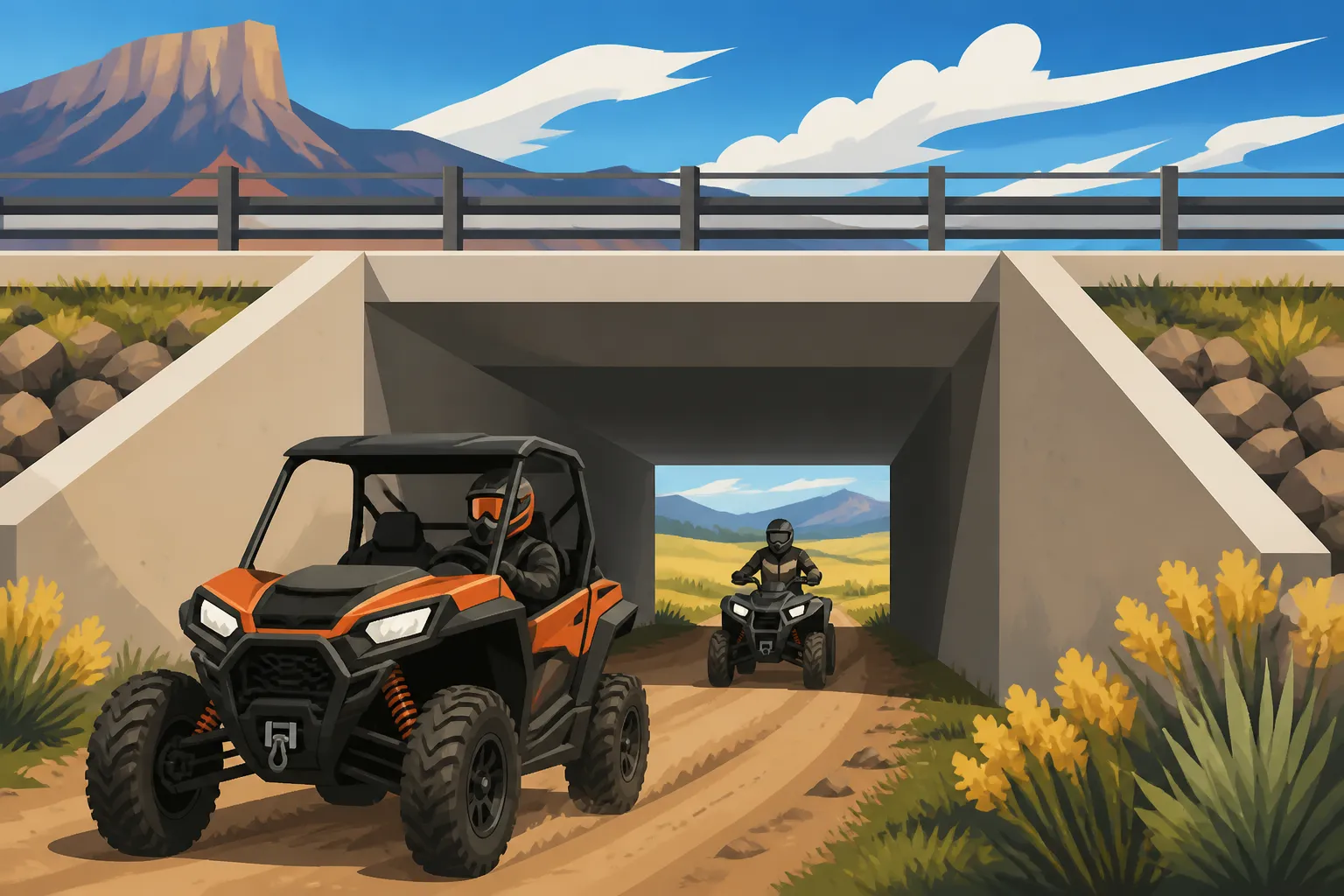
When we talk about "grade-separated crossings" in the context of off-road vehicles (ORVs) in Wyoming, we're really talking about a specialized underpass or sometimes an overpass that allows ATVs and UTVs to move from one side of a major road or highway to the other without actually sharing the same level of traffic with cars and trucks. Imagine an underpass, much like a tunnel, specifically designed or adapted for your off-road machine to safely pass beneath a busy interstate or highway. This isn't just a culvert or a drainage ditch; these are often purpose-built or significantly modified structures.
For years, one of the biggest headaches for trail planners and riders alike has been the fragmentation of otherwise continuous trail systems by state highways and interstates. These roads, built for high-speed vehicular traffic, create impassable barriers for off-road enthusiasts. A grade-separated crossing directly addresses this issue by providing a dedicated, safe route under or over these major arteries. It means fewer dangerous interactions with high-speed road traffic and a much smoother, more enjoyable ride experience. It's a testament to the state's commitment to creating a cohesive and accessible trail network for everyone.
What Defines a "Grade-Separated" Route?
The term "grade-separated" essentially means that the path for one type of traffic (in our case, ORVs) is at a different elevation, or "grade," than the path for another type of traffic (cars and trucks on the highway). Instead of intersecting at the same level, which would be an "at-grade" crossing like a normal road intersection, these paths are physically separated. This design is crucial for safety, especially when dealing with high-volume or high-speed roads like Interstates 80 or 25 in Wyoming.
Think of it like this: if you're on a trail and come to an overpass for a highway, you'd ride over the highway. If you come to an underpass, you ride under it. Both are examples of grade separation. The goal is to eliminate potential collision points and allow both types of traffic to move unimpeded and safely. For ORV riders, this can involve riding through a tunnel-like structure, often made of concrete or corrugated steel, that passes beneath the highway. These structures are often marked with specific signage and are integrated into the [Wyoming's Enrolled Roads and Trails] system, meaning they are officially recognized routes for ORV use. It's a world away from trying to find a shoulder or an unmarked dirt road to cross a busy thoroughfare.
Why These Crossings Are So Important for Trail Connectivity
Wyoming is a vast state, and its landscape is crisscrossed by many highways that often cut right through prime riding areas. Without grade-separated crossings, many incredible trail systems would remain isolated pockets, forcing riders to either load their machines onto trailers for short hops or find dangerous ways to cross at-grade, which is often illegal and always risky. These crossings are the stitches that hold the fabric of Wyoming's trail network together, allowing for longer, more ambitious rides and opening up access to previously unreachable segments.
Consider the example of Evanston and its surrounding trail network. For a long time, Interstate 80 created a significant barrier, essentially splitting the community's access to trails. Thanks to initiatives and the creation of grade-separated crossings, riders in areas like Evanston can now seamlessly access a much larger network of trails, often leading to national forests or vast expanses of BLM land, without ever having to put their tires on the interstate itself. It's about enabling multi-day adventures and connecting riders to the immense beauty and variety of Wyoming's backcountry, fostering a sense of continuous exploration rather than segmented excursions.
Navigating Grade-Separated Crossings: Rules and Safety
While grade-separated crossings offer a fantastic solution for trail connectivity, they are still structured environments that require adherence to specific rules and a strong focus on safety. These aren't just open stretches of dirt; they are engineered pathways, sometimes with unique conditions like limited visibility, tight turns, or varied surfaces. It’s crucial for riders to approach these crossings with respect for the infrastructure and an understanding of the conditions they might encounter.
For instance, many underpasses can be darker and potentially damp, even muddy, depending on recent weather and drainage. Riders might need to engage their headlights and taillights for better visibility, not just for themselves but for any other riders who might be coming from the opposite direction. It’s also wise to slow down considerably and be prepared for potential obstacles or changing terrain within the crossing itself. [Wyoming Rules for Riding After Dark] can give you a good idea of the lighting requirements if you happen to be using these crossings in low-light conditions. Always remember that while you're separated from highway traffic, you're still sharing space with other ORV riders.
Specific Regulations Governing Underpass Use
Wyoming has put considerable thought into how these crossings are managed to ensure safety and preserve the trail experience. While specific rules might vary slightly based on the land management agency (Forest Service, BLM, State Parks, etc.) responsible for the adjacent trails, some general principles apply. First and foremost, you must have a current Wyoming ORV permit decal displayed on your machine. This is non-negotiable for riding on any enrolled trail or designated ORV route, and these crossings are definitely part of that system.
Furthermore, there might be specific speed limits within the underpasses themselves, often quite low due to confined spaces and potential two-way traffic. Always look for signage at the entrance to a crossing. Some underpasses might also have width restrictions, though these are typically built to accommodate common side-by-side dimensions. If you're running a wider-than-average machine, especially one modified with extensive aftermarket parts from companies like SuperATV, it's always a good idea to check specific trail or crossing information beforehand to ensure your machine will fit safely. Don't assume anything; a quick check can save you a lot of hassle.
Safety Considerations for Crossing Under the Highway
Safety inside a grade-separated crossing, particularly an underpass, requires a shift in mindset from open-trail riding. Visibility is often reduced due to the tunnel effect, and the surface can change from dry dirt to wet concrete or even standing water. It's a good practice to:
- Slow Down: Reduce your speed significantly before entering and while inside the crossing. This gives you more time to react to unexpected conditions or other riders.
- Lights On: Even in daylight, turning on your headlights and taillights makes you more visible to oncoming riders and helps you see potential obstacles better.
- Stay Alert: Be aware of your surroundings, listen for other machines, and be prepared for two-way traffic. Some underpasses are wide enough for two machines to pass comfortably, others are not.
- Check Conditions: Be mindful of the surface. It could be slippery, muddy, or bumpy. Adjust your riding style accordingly.
- Respect Signage: Pay close attention to any posted signs, which might indicate speed limits, yielding rules, or other critical information.
These crossings are designed to be safe, but rider responsibility plays a massive role. They are not places for high-speed passes or showing off. Think of them as necessary transitions, much like a bridge or a ferry crossing, where caution is paramount. The goal is to get to the other side safely and efficiently, so you can get back to enjoying the open trail.
The Role of Interstates and Future Trail Connections
Wyoming's interstates, like I-80, often present the most significant barriers to continuous ORV travel due to their high speed, high volume, and limited access points. The grade-separated crossings are absolutely pivotal in allowing ORV riders to legitimately traverse these critical transportation corridors. They transform what would otherwise be insurmountable obstacles into manageable transitions, paving the way for larger, more interconnected trail systems across the state. This is especially true in areas where the federal land managers (Forest Service, BLM) have [Wyoming's Designated ORV Roads] and trails that are bisected by state or federal highways.
The vision for Wyoming's ORV trails program includes linking these isolated segments into sprawling networks that allow for multi-day trips and extensive exploration. Without these dedicated crossings, that vision would remain largely unattainable. The ongoing efforts to identify, fund, and construct or adapt these crossings demonstrate a strong commitment to enhancing the off-road experience in Wyoming, providing riders with safer and more expansive opportunities to enjoy the state's natural beauty. It’s about more than just crossing a road; it’s about unlocking the full potential of Wyoming's trail system.
How Wyoming Manages Interstate Crossings for ORVs
Managing ORV crossings under or over interstates involves significant coordination between multiple state and federal agencies, most notably the Wyoming Department of Transportation (WYDOT) and the Wyoming State Parks, Historic Sites and Trails division. These crossings aren't simply opened up; they are carefully planned, engineered, and then designated as legal ORV routes. This planning ensures that the structural integrity of the highway is maintained, rider safety is prioritized, and environmental impacts are minimized.
A key aspect of this management is the "1,000 machines per year" cap that some interstate crossings have. For example, specific grade-separated crossings along I-80 might have this restriction, as detailed in [Why Each Interstate Crossing Is Capped at 1,000 Machines]. This cap isn't arbitrary; it's a measure to manage traffic volume, minimize wear and tear on the crossing infrastructure, and ensure the ongoing safety and sustainability of these critical links. Riders need to be aware that some of the highly engineered crossings might have these limits, and it underscores the importance of proper planning and understanding the rules of the trail system you're riding. These complex engineering solutions make it possible for your SuperATV-equipped side-by-side to travel safely where it simply couldn't before.
Connecting Trails and Expanding Riding Opportunities
The ultimate benefit of grade-separated crossings is their ability to connect disparate trail segments, transforming fragmented routes into a cohesive and extensive network. Imagine a scenario where you can ride hundreds of miles, crossing several major highways, without ever having to venture onto a busy road or load your machine onto a trailer. That's the promise these crossings hold. They allow for the creation of grander loops, longer point-to-point journeys, and easier access to remote recreational areas.
For riders planning long-distance trips, like the proposed [Wyoming's 2026 Cross-State Ride], these crossings are indispensable. They form critical nodes in the network, enabling continuous travel across the state's diverse landscapes. Whether you're riding through the high plains, the scenic mountains, or the expansive desert basins, these underpasses and overpasses ensure that the highway does not mark the end of your adventure, but merely a brief, safe transition to the next exciting segment of your journey. They're literally connecting the dots on the map for Wyoming's passionate off-road community.
Grade-Separated vs. At-Grade Crossings: A Comparison for Riders
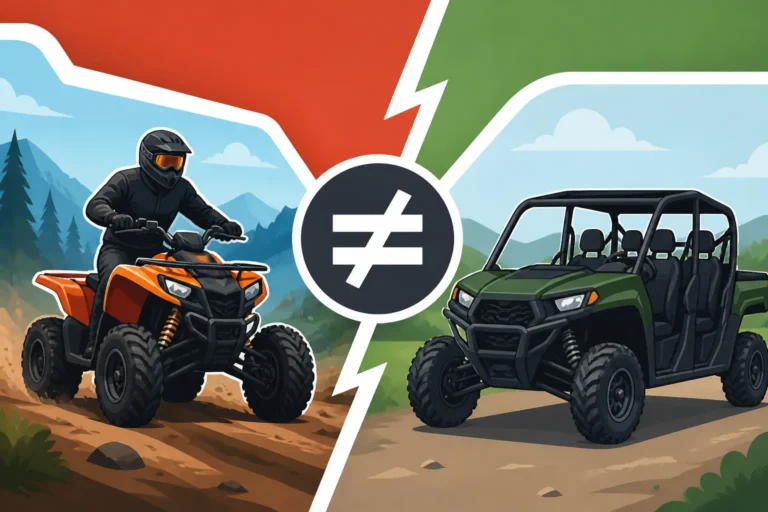
It's important for riders to understand the difference between a grade-separated crossing and an "at-grade" crossing, as the rules, safety implications, and legalities are vastly different. An at-grade crossing means you are sharing the road surface with other vehicles, typically at an intersection. This often requires your machine to be street legal, or at the very least, involves navigating much stricter rules about right-of-way, speed, and equipment. Grade-separated crossings, on the other hand, are specifically designed to avoid this direct interaction.
Wyoming is progressive in allowing ORV access on certain [Wyoming Rules for Riding a County Road], [Wyoming Rules for Riding a Forest Road], and [Wyoming Rules for Riding a BLM Road], but these are distinct from major highway or interstate crossings. While some county roads might have at-grade crossings with other county roads, you'll rarely find legal at-grade crossings for ORVs on state highways or interstates. The grade-separated crossing is the designated and safe method for moving under or over these major arteries.
Here's a quick comparison:
| Feature | Grade-Separated Crossing | At-Grade Road Crossing (e.g., County Road) |
|---|---|---|
| Physical Separation | Yes (underpass/overpass) | No (shares road surface) |
| Interaction w/ Highway | None (except for entrance/exit) | Direct (at intersection) |
| Safety for ORVs | High (dedicated path) | Moderate to Low (traffic interaction) |
| Street Legal Req. | Not required (part of ORV trail) | Often required (on public roads) |
| Speed Limit | Often very low (e.g., 10-15 mph) | Posted road speed limit (can be higher) |
| Visibility | Can be reduced (tunnel effect) | Generally good (open road) |
| Common Location | Under/over interstates, major highways | County roads, local streets |
| Examples | Underpasses on I-80 | Crossing a rural two-lane highway |
Understanding this distinction is vital. Attempting to cross a major highway at-grade where there isn't a specifically designated and properly signed crossing is not only illegal but extremely dangerous. Always seek out the official, enrolled grade-separated crossings when encountering interstates or major state highways on your Wyoming ORV adventures. They are there for your safety and to maintain the integrity of the trail system.
Disclaimer
This article is for general informational purposes only and does not constitute professional advice. Laws, prices and regulations vary by location and change over time. Consult a qualified professional for guidance on your specific situation.