Wyoming Helmet Law for Passengers
Riding the stunning trails and vast open spaces of Wyoming on an ATV or UTV is an incredible experience, but it comes with a responsibility to understand the rules, especially when you're carrying passengers. It's not always clear whether everyone in your side-by-side or on the back of your quad needs to don a helmet, and getting it wrong can lead to serious safety risks or an unwelcome citation. This guide will clarify Wyoming's helmet laws specifically as they apply to passengers, helping you navigate the regulations with confidence for a safer, more enjoyable ride.
Understanding Wyoming's Core Helmet Requirements for Passengers
When you're out exploring Wyoming's backcountry or cruising designated routes, the question of helmets for your passengers is a crucial one. Unlike some states that might have blanket laws, Wyoming's rules can depend on the passenger's age and where you're riding. It's not just about what feels right; it's about what the law mandates for everyone's protection.
Age-Based Mandates for Off-Road Riding
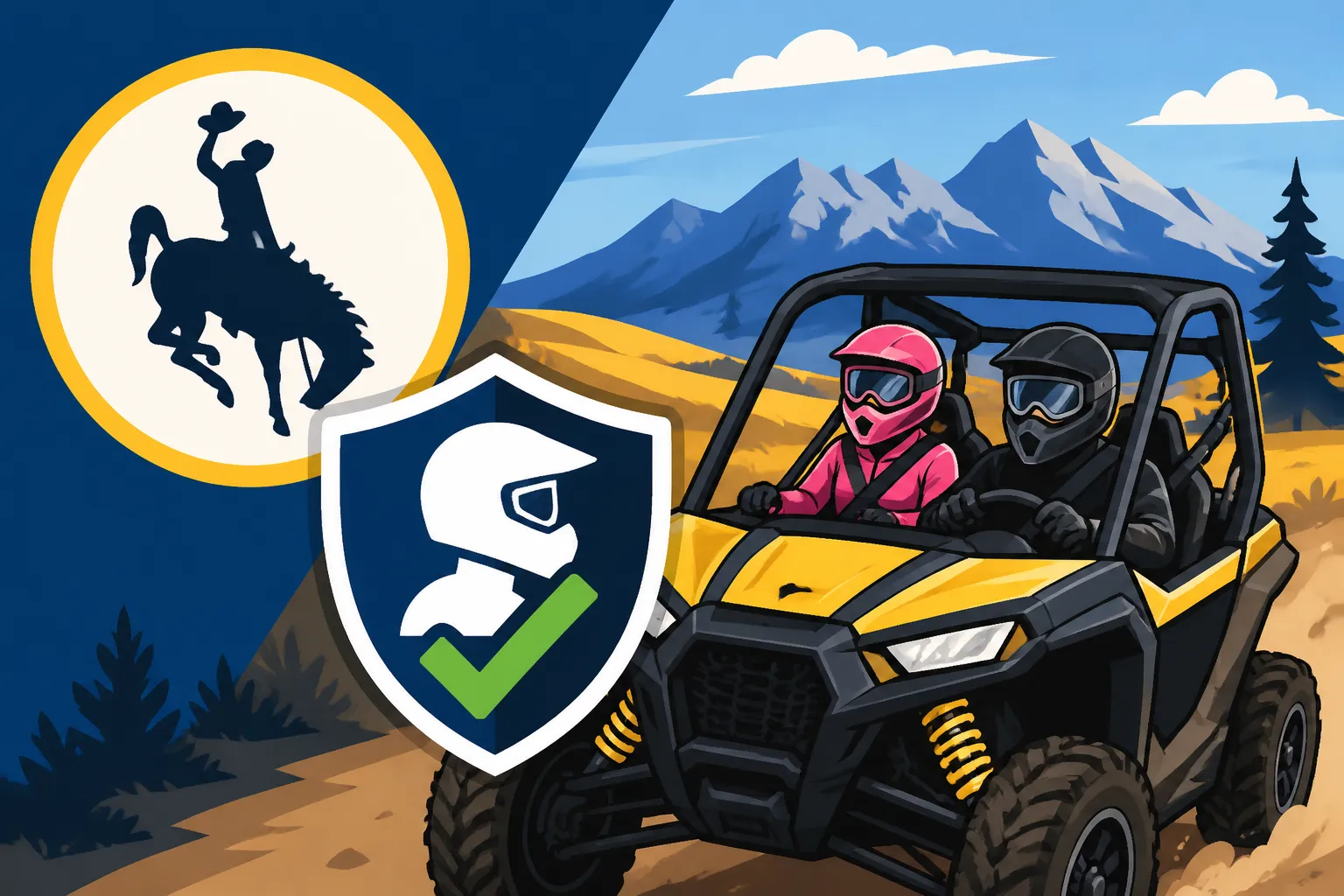
In Wyoming, the primary helmet requirement for ATV and UTV passengers hinges heavily on their age, particularly when you're enjoying the vast network of trails and public lands. Generally, any passenger riding an ATV or UTV who is under the age of 18 is required by law to wear a helmet. This rule applies whether you're on a designated trail within a national forest, traversing Bureau of Land Management (BLM) property, or even on private land with the owner's permission. The thinking behind this is clear: younger riders, still developing, are more susceptible to head injuries in the event of an accident. Their smaller stature and potentially less developed neck muscles mean they need that extra layer of protection.
Imagine you're taking your niece and nephew, both under 18, for a scenic ride through the Bighorn National Forest in your side-by-side. Even if you're an experienced driver, an unexpected bump or swerve could cause a minor to hit their head. Ensuring they have a properly fitted, DOT-approved helmet isn't just a legal obligation; it’s a commitment to their safety. For adults, while helmets are highly recommended for all riders for safety reasons, they may not be legally mandated when solely riding off-road on designated trails, assuming they are not operating an MPV on an enrolled public road (more on that in the next section). It’s always best to err on the side of caution and encourage all passengers to wear protective gear. You can find more details on general rider requirements in [Wyoming Rules for Riders Under 16] and [Wyoming Rules for a Child Passenger].
Helmet Standards and Specifications
It's not enough to just wear any helmet; it needs to meet certain safety standards to be truly effective and compliant with Wyoming law. The general expectation is that helmets should be approved by the Department of Transportation (DOT). This means they've been tested and certified to meet specific performance criteria designed to protect the head from impact. Look for the DOT sticker on the back of the helmet. A helmet that lacks this certification, or one that is visibly damaged, might not offer adequate protection and could put you out of compliance.
When choosing a helmet for your passenger, consider fit and type. A full-face helmet offers the most comprehensive protection, shielding the jaw and face in addition to the skull. Open-face helmets are also common, but should always be paired with goggles or a face shield for eye protection. For children, ensuring a snug, comfortable fit is paramount; a helmet that's too loose can shift during a ride, obstructing vision or failing to provide protection when needed. Many reputable brands offer DOT-approved helmets in a variety of sizes and styles suitable for different riding conditions. Companies like SuperATV offer a range of accessories and safety gear, including helmets, that comply with these standards, ensuring your passengers are well-equipped for the trails. Always double-check the sizing charts and, if possible, have the passenger try on the helmet before hitting the trail to ensure proper fit and comfort.
Helmet Rules for Passengers on Wyoming's Enrolled Roads
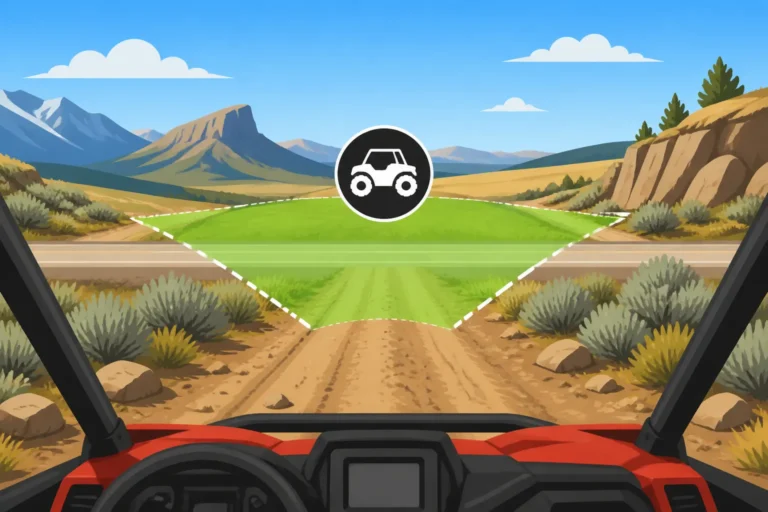
Wyoming offers a unique pathway for certain off-road vehicles to become "street legal" and travel on designated public roads. This classification, known as a Multi-Purpose Vehicle (MPV), significantly alters the landscape of helmet requirements for both drivers and passengers. It's a critical distinction to understand, as the rules for road use often mirror those for traditional motor vehicles.
The MPV Classification and Road Use Implications
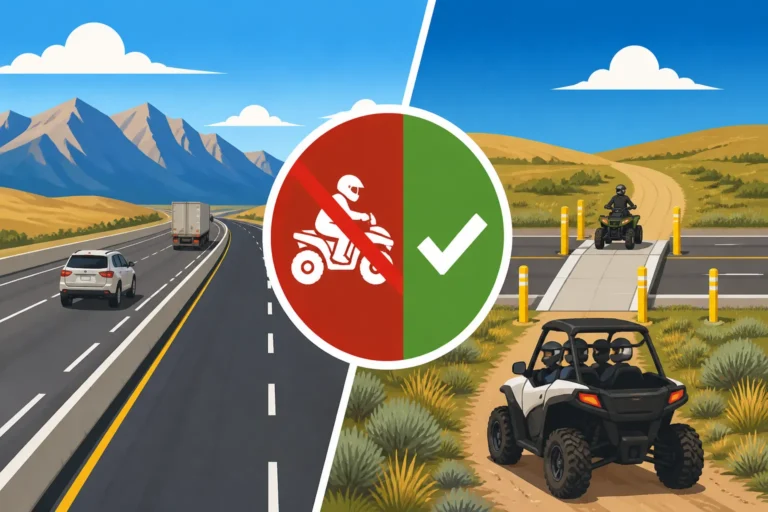
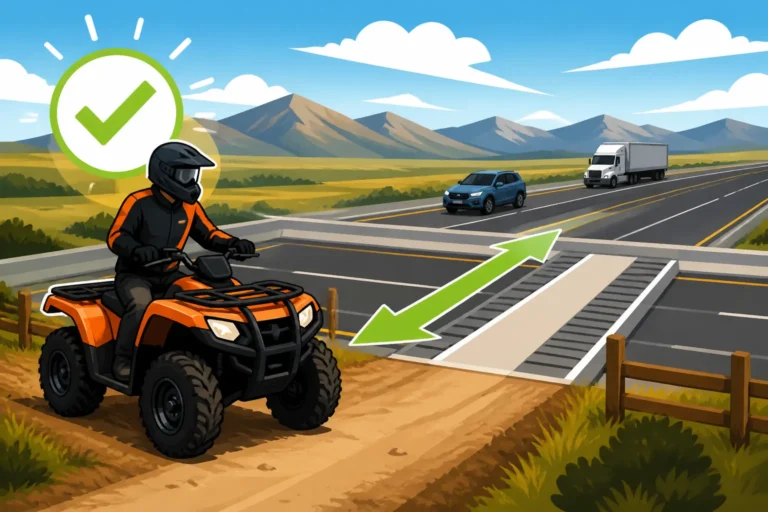
Wyoming defines a Multi-Purpose Vehicle (MPV) with specific criteria, including weight limits and seat height, allowing some side-by-sides and certain ATVs to be titled and plated for road use. When your machine crosses from being an off-road vehicle (ORV) to a street-legal MPV, the rules change dramatically, especially concerning safety gear. While an ORV permit gets you on designated trails, an MPV title and plate, along with specific equipment, allows travel on enrolled public roads. This transition brings your machine under a different set of regulations that often align more closely with motorcycle laws, including helmet mandates. You can delve deeper into this classification with [Wyoming's MPV Path to the Road] and [Wyoming MPV Street Legal Requirements].
If you're driving an MPV on a public road in Wyoming, the state's traffic laws apply. This means that if your passenger falls into an age group that requires a helmet for motorcycle riders, they will also need one when riding in your MPV on the road. It’s a common misconception that because a side-by-side has a roll cage and seatbelts, helmets become optional. However, for young passengers, this is often not the case. The intent is to provide consistent safety standards across vehicles capable of highway travel. So, before you head out on that scenic county road near Jackson, ensure all passengers are compliant with the appropriate helmet laws, especially those under 18. This helps avoid potential fines and, more importantly, keeps everyone safer.
Age-Specific Road Rules for Passengers
When your ATV or UTV qualifies as an MPV and you're utilizing Wyoming's network of enrolled roads, specific age-based helmet rules for passengers become paramount. As stated in Wyoming Helmet Law for Passengers, any passenger under the age of 18 riding in or on an MPV on a public road must wear a DOT-approved helmet. This rule is firm and applies regardless of whether the road is a remote two-track, a county road, or even a designated segment of a state highway. The driver, if they hold a valid driver's license with an M or MR endorsement, also needs to ensure their own helmet compliance, but the focus here is on the passengers. This mirrors the general [Wyoming Helmet Law for ATV Riders] for younger operators.
Consider a scenario where you're driving your street-legal side-by-side with your 15-year-old child and their 16-year-old friend down an enrolled segment of a county road heading towards the Medicine Bow-Routt National Forest. Both teenagers, being under 18, would be legally required to wear DOT-approved helmets. This isn't just a suggestion; it's a legal obligation that could result in a citation if not followed. The state prioritizes the safety of minors, and this law is a direct reflection of that. Even if you're just making a short hop between two trail systems on a public road, the rule remains in effect. Ignorance of the law is never an excuse, so understanding these specific age requirements for road-legal off-road vehicles is vital. Always ensure that the helmets are properly secured and fit well, providing maximum protection for your younger riding companions.
Exemptions, Best Practices, and Staying Safe
While understanding the legal mandates is crucial, a truly responsible approach to ATV and UTV riding in Wyoming extends beyond mere compliance. There are situations where helmets might not be legally required for adult passengers, but the recommendation for their use remains strong. Furthermore, incorporating best practices for all riders, regardless of age, significantly enhances safety on every adventure.
When a Helmet Might Not Be Legally Required (But Still Recommended)
For adult passengers (18 and older) riding an ATV or UTV strictly off-road on designated trails, or on private land with permission, Wyoming law does not generally mandate helmet use. This means if you're over 18 and riding as a passenger in a side-by-side on a non-MPV trail, you technically might not need a helmet by law. However, this is where the distinction between "legal requirement" and "best practice" becomes critical. The risks of head injury remain, regardless of age. An unexpected rollover, a sudden stop, or a collision with an obstacle can happen to anyone, and a helmet is the single most effective piece of gear for preventing serious head trauma.
Many experienced riders and safety advocates will strongly recommend that all occupants, regardless of age, wear a DOT-approved helmet whenever operating an ATV or UTV. The terrain in Wyoming can be unpredictable, ranging from rocky climbs to sandy washes, and even a low-speed incident can have severe consequences. Think of it as an insurance policy for your head – you hope you never need it, but you're grateful to have it if you do. For added protection on rough trails, consider upgrading your machine's safety features with aftermarket roll cages or harnesses, often available from retailers like SuperATV, which complement helmet use. While you might not be breaking a specific law by skipping a helmet as an adult passenger off-road, you could be compromising your personal safety in a significant way. Make an informed choice, prioritizing protection over perceived convenience.
Ensuring Proper Gear and Riding Habits
Beyond helmets, a comprehensive approach to passenger safety involves a combination of appropriate gear and responsible riding habits. For any passenger, especially children, other protective equipment is highly advisable. This includes eye protection (goggles or a face shield on the helmet), sturdy over-the-ankle boots, long pants, and a long-sleeved shirt to protect against scrapes, branches, and sun exposure. Gloves can also help with grip and protect hands. It's about creating a full safety shell that prepares riders for various conditions and potential mishaps on the trail. [Wyoming Passenger Rules on an ATV] and [Wyoming Rules for a Child Passenger] underscore the importance of these considerations.
Equally important are the riding habits of the operator. As the driver, you are responsible for the safety of your passengers. This means adjusting your speed to the terrain and your passengers' comfort level, avoiding reckless maneuvers, and ensuring everyone remains seated with seatbelts fastened (in UTVs) at all times. Communicate with your passengers, especially children, about what to expect and how to brace themselves for bumps or turns. Never overload the machine beyond its manufacturer's recommended capacity, and ensure passengers are tall enough and strong enough to safely hold on or be properly secured. Consider taking a [Wyoming Safety Training for Riders] course, even if not legally required, to hone your skills and enhance your understanding of safe operation, benefiting both you and your passengers. A little preparation and a lot of common sense go a long way in ensuring that your Wyoming off-road adventures are memorable for all the right reasons.
Wyoming Helmet Law for Passengers Summary
| Age of Passenger | Riding Location | Helmet Legally Required? | Recommendation |
|---|---|---|---|
| Under 18 | Off-Road Trails | Yes, DOT-approved | Always |
| Under 18 | Enrolled Public Roads (MPV) | Yes, DOT-approved | Always |
| 18 and Over | Off-Road Trails | No, generally | Highly Recommended |
| 18 and Over | Enrolled Public Roads (MPV) | No, generally | Highly Recommended |
Disclaimer
This article is for general informational purposes only and does not constitute professional advice. Laws, prices and regulations vary by location and change over time. Consult a qualified professional for guidance on your specific situation.