Wyoming Rules for Towing With a Side-by-Side
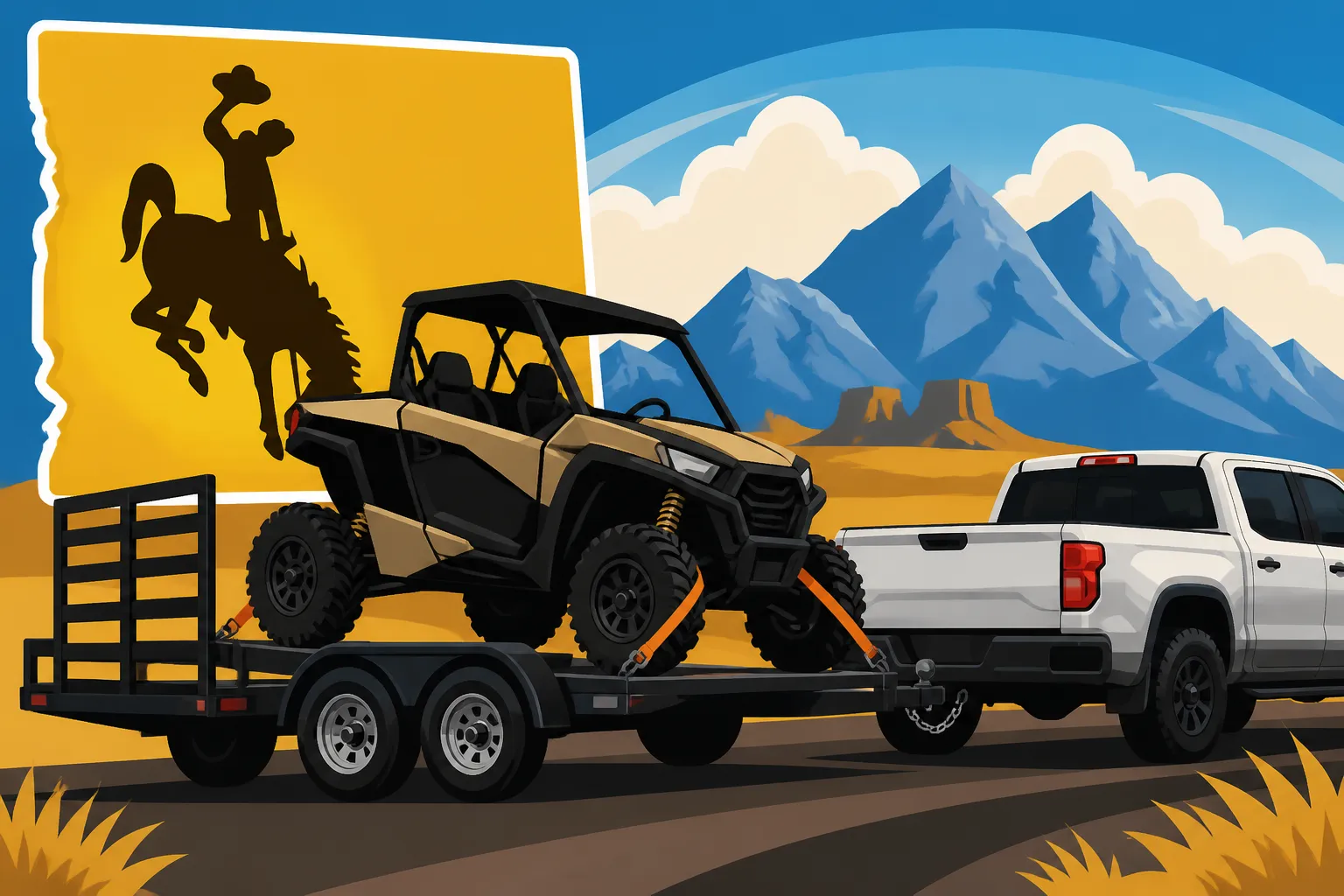
So, you've got a trusty side-by-side, and you're thinking about taking it to the vast, beautiful lands of Wyoming. Maybe you want to haul a game cart for that hunting trip of a lifetime, or perhaps you're planning to bring along a small utility trailer for camping gear on a multi-day adventure. It makes perfect sense; these machines are workhorses! But then, the nagging question hits you: what are the actual rules for towing with a side-by-side in Wyoming? It can feel like navigating a maze of regulations, especially when you're just trying to enjoy the outdoors responsibly. This guide will cut through the confusion and explain exactly what you need to know to tow safely and legally with your side-by-side on Wyoming's diverse terrain.
The Basics: What Can Your Side-by-Side Tow in Wyoming?
Before you even think about hitching up that trailer, it's crucial to understand the fundamental classifications of off-road vehicles in Wyoming. This isn't just bureaucratic red tape; it directly impacts where you can ride and what you can legally do, including towing. Get this wrong, and you could find yourself with a hefty fine or, worse, an unsafe situation.
Understanding Your Machine: ORV vs. MPV Status
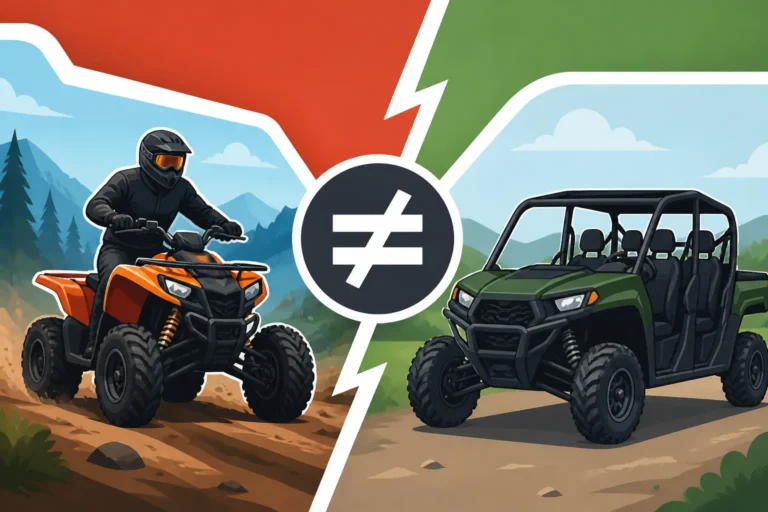
In Wyoming, your side-by-side is primarily classified as either an Off-Road Recreational Vehicle (ORV) or, if it meets certain criteria and is properly registered, a Multipurpose Vehicle (MPV). This distinction is absolutely critical when it comes to riding on roads, and by extension, towing on those roads.
An ORV is essentially what most people think of as an ATV or UTV – a machine designed for off-highway use. While you can certainly use an ORV to tow on private land or within designated off-road areas, its ability to operate on public roads (and thus tow on them) is very limited. If your side-by-side is only registered as an ORV, you're primarily restricted to enrolled trails and specific unpaved roads where ORVs are explicitly allowed. Even then, the rules for what you can tow and how you must tow it still apply, and they often defer to general safety principles more than specific statutory towing regulations for ORVs. You'll need an [Wyoming's Annual ORV Permit] to ride these designated trails.
A Multipurpose Vehicle (MPV), on the other hand, is a game-changer for road access. An MPV is a side-by-side that has met specific state requirements (like weight, seat height, and having certain road-legal equipment) and has been titled and plated by the county. Once your side-by-side is an MPV, it can operate on most public roads in Wyoming, just like a car or truck, opening up many more possibilities for travel and, crucially, for towing. Think of it as bridging the gap between a pure off-road machine and a street-legal vehicle. This is the path you'll want to explore if you plan on extended towing on county or state highways. The process involves getting your machine titled through your [Wyoming County Clerk Title Process] and then registered and plated through the [Wyoming County Treasurer Plate Process].
So, before you strap anything to the back of your side-by-side, take a moment to confirm its legal status. Is it just an ORV with a simple permit, or have you gone through the steps to make it a road-legal MPV? This foundational understanding will guide all your towing decisions in Wyoming.
General Principles of Towing on Public Lands
Regardless of whether your side-by-side is an ORV or an MPV, there are some universal principles that apply to towing on any public land in Wyoming, be it National Forest, BLM land, or State Parks. The core idea is safety, common sense, and respecting the environment.
First and foremost, you are generally restricted to "designated routes" when riding ORVs and often when driving MPVs. This means if you're pulling a trailer, you must stick to roads and trails that are clearly marked as open for your vehicle type. Riding cross-country or creating new paths to get your towed load through is strictly prohibited and can lead to significant fines and environmental damage. Always check [Wyoming Trail Maps and MVUMs] (Motor Vehicle Use Maps) for the area you plan to visit.
When towing, you also need to consider the impact on the trail itself. Heavy loads can increase rutting, especially in wet conditions. Be mindful of your weight and traction. Ensure your towed unit has adequate ground clearance to avoid dragging or getting hung up on obstacles. If the trail is too narrow or technical for your setup, it's not worth the risk of getting stuck or damaging the trail. This is particularly true for many of [Wyoming's 50-Inch Trail Limit] trails, which a wide side-by-side with a trailer simply won't fit on.
Finally, while specific towing capacity regulations might not be spelled out for ORVs on every single trail, general vehicle safety laws apply. Overloading your machine or your trailer is dangerous and illegal. You risk damaging your side-by-side's drivetrain, brakes, and suspension, not to mention creating an unstable setup that could easily lead to an accident. Always consult your side-by-side's owner's manual for its recommended towing capacity. If you're using aftermarket parts like hitches or specialized towing accessories, ensure they are rated for the loads you intend to carry. Companies like SuperATV offer a range of heavy-duty hitches and suspension upgrades that can help manage heavier towing loads, but they don't change your machine's fundamental design limits.
Navigating Wyoming's Roads and Trails with a Towed Load
Now that we've covered the basics of vehicle classification and general principles, let's dive into the specifics of where you can actually tow your side-by-side and what gear you'll need to do it safely and legally in Wyoming. The rules really depend on whether you're sticking to dedicated trails or venturing onto public roads.
Towing on Designated Trails and Unenrolled Forest/BLM Roads
If your side-by-side is registered as an ORV and you're planning to tow on designated ORV trails, Forest Service roads, or BLM roads that are not enrolled as part of the state's public road system for MPVs, the rules tend to be more about common sense and land management regulations than specific towing statutes.
On these types of routes, the focus is heavily on staying within the designated corridor and ensuring your towed setup doesn't exceed the trail's design limitations. For example, some trails might be too steep, too narrow, or have too many tight turns for a machine with a trailer. While there isn't typically a specific "towing permit" beyond your [Wyoming's Annual ORV Permit], the responsibility falls on you to ensure your vehicle and what it's towing are appropriate for the conditions. A small game cart or a compact utility trailer for camping gear is generally acceptable on suitable routes. Hauling another full-sized machine, however, might be pushing it unless you're on a very wide, well-maintained road.
Always be aware of any signs at trailheads or along the route that might indicate restrictions for wider vehicles or trailers. Some areas may have seasonal closures due to wildlife or wet conditions, which would naturally prohibit all vehicle traffic, including those towing. It's a good practice to check with the local Forest Service or BLM office for any specific regulations pertaining to towing in the area you plan to ride. Remember, just because a road or trail is open to your ORV doesn't automatically mean it's suitable or legal for towing a trailer.
When Your Side-by-Side is Street Legal: Towing on Enrolled Roads
This is where the Multipurpose Vehicle (MPV) classification truly shines for towing. If your side-by-side is properly titled and plated as an MPV, it can generally operate on most public roads in Wyoming, including county roads and state highways (with some exceptions like Interstates and specific state/city restrictions). This means you can also tow a trailer on these roads, just like any other motor vehicle, provided you meet the standard towing regulations.
When operating your MPV and towing on enrolled roads, your setup is subject to the same rules as a truck or SUV pulling a trailer. This includes requirements for the towed unit itself. For instance, the trailer might need:
- Taillights and Stop Lamps: The trailer must have functional taillights and brake lights that illuminate when your MPV's lights are on or brakes are applied.
- Turn Signals: Integrated turn signals that synchronize with your MPV.
- Safety Chains: At least two independent safety chains connecting the trailer to your MPV, crossed under the hitch, to prevent complete detachment if the hitch fails.
- Clearance Lights/Reflectors: Depending on the size and width of the trailer, additional clearance lights or reflective tape might be required for visibility, especially at night.
- Brakes: For heavier trailers, independent braking systems on the trailer itself might be legally required. Check Wyoming's specific weight thresholds for trailer brakes.
- License Plate: The trailer will need its own valid license plate, clearly displayed.
Additionally, your MPV will need to meet all [Wyoming MPV Street Legal Requirements] like a horn, mirrors, and appropriate lighting. Driving an MPV on these roads also requires a valid driver's license, and for some machines, a motorcycle endorsement. You also need to carry proof of [Wyoming ATV Insurance Requirement]. If you're hauling a particularly wide or tall load, you might even need specific permits or flags, just like with any other vehicle. It's a lot to consider, but the trade-off is significantly increased flexibility and access.
Essential Equipment for Safe and Legal Towing
Towing safely, whether on a remote trail or a county road, requires more than just a hitch. Investing in the right equipment and maintaining it properly is key to avoiding accidents and breakdowns.
First, your hitch receiver and ball must be rated for the weight you intend to tow. Never exceed these ratings. Many side-by-sides come with a basic receiver, but if you're planning on serious towing, consider upgrading to a more robust, aftermarket hitch. Companies like SuperATV offer heavy-duty hitch options and accessories designed to withstand the rigors of off-road towing. Ensure the hitch ball is the correct size for your trailer's coupler and is properly secured.
Next, trailer wiring is critical for ensuring your trailer's lights are operational. This usually involves a simple plug-and-play harness that connects to your side-by-side's electrical system. Test all lights (running lights, brake lights, turn signals) before every trip. Nothing is more dangerous than a trailer with no visible lights, especially on a public road or a dusty trail.
Safety chains are non-negotiable for any towed unit on public roads and are highly recommended even on trails. They provide a backup connection if your primary hitch fails. Make sure they are strong enough for the trailer's weight and crossed under the hitch for maximum security.
Consider trailer brakes for heavier loads. If your trailer, when loaded, exceeds a certain weight (check Wyoming's specific limits), brakes on the trailer are legally required. Even if not legally required, they significantly improve stopping power and control, especially on downhill grades or in emergency situations. You'll need a brake controller installed on your side-by-side to operate them.
Finally, don't overlook proper tires on both your side-by-side and the trailer. Ensure your side-by-side's tires are in good condition and inflated to the correct pressure for carrying extra weight. Trailer tires should also be properly inflated and inspected for wear or damage. Blowouts with a towed load can be extremely dangerous.
Practical Advice and Safety Considerations for Towing in Wyoming
Even with all the legalities and equipment sorted, towing in Wyoming's diverse and often challenging environment requires a healthy dose of practical wisdom and a strong emphasis on safety. The consequences of not paying attention can range from a minor inconvenience to a serious accident.
Before You Hitch Up: Pre-Ride Checks
A thorough pre-ride check is your best defense against problems on the trail or road. This isn't just a suggestion; it's a critical step that should never be skipped, especially when you're towing.
Start with your side-by-side itself. Check tire pressure, fluid levels (oil, coolant, brake fluid), and ensure all lights are working. Pay extra attention to your brakes; they'll be working harder with a towed load. Look for any loose bolts or connections on your suspension and frame. If you're running aftermarket accessories, such as a heavy-duty bumper or a winch, ensure they are securely mounted, especially if they are providing mounting points for your hitch.
Next, focus on the trailer and its connection.
- Hitch Connection: Double-check that the trailer coupler is fully seated on the hitch ball and the latch is securely engaged. Insert any locking pins.
- Safety Chains: Ensure they are properly crossed and attached to your side-by-side's frame (not just the bumper).
- Electrical Connection: Verify the trailer's wiring harness is fully plugged in and secure. Then, test all lights: running lights, brake lights, and turn signals. Have a friend stand behind the trailer while you activate each one.
- Tires: Check the air pressure on all trailer tires, including the spare. Look for any cracks, bulges, or excessive wear. Ensure the lug nuts are tight.
- Load Securement: This is huge. Whatever you're towing, it needs to be absolutely secure. Use ratchet straps, bungee cords, or tie-downs to prevent any shifting during transit. A shifting load can throw off your balance, damage the cargo, or even cause an accident. Cover your load if necessary to protect it from dust, rocks, or weather.
Take a few minutes to walk around your entire setup before you leave. A quick check can save you hours of trouble or prevent a dangerous situation miles from anywhere. It's a habit that every responsible rider who tows needs to develop.
Handling Challenging Terrain and Weather
Wyoming's landscapes are breathtaking, but they can also be unforgiving. Towing in these conditions amplifies every challenge.
Terrain: When climbing hills, your side-by-side will lose power and traction more easily with a heavy load. Use lower gears to prevent overheating and maintain control. On descents, let your engine braking do most of the work, only using your brakes intermittently to avoid overheating them. On uneven terrain, go slowly and deliberately. The extra length and weight of a trailer can easily bottom out or become unstable on side slopes. Be mindful of your turn radius; a trailer will cut corners much tighter than your side-by-side alone. Areas with deep sand, mud, or loose rock, like some parts of the Killpecker Sand Dunes area, can become impassable with a trailer if you don't have enough power and traction.
Weather: Wind is a significant factor in Wyoming. A trailer acts like a sail, increasing drag and making your side-by-side harder to control, especially at higher speeds or on open, exposed roads. Be prepared to slow down and maintain a firm grip on the steering wheel. Rain or snow will drastically reduce traction and increase stopping distances. If you encounter slick conditions, reduce your speed dramatically and avoid sudden movements. Always carry appropriate emergency gear, like a shovel, tow strap, and a basic tool kit, especially when heading into remote areas. Having some SuperATV recovery gear can make a huge difference if you get stuck with a heavy load.
Altitude also plays a role. At higher elevations, your engine will lose some power, making towing even more challenging. If your side-by-side isn't fuel-injected, you might need to adjust your carburetor for optimal performance.
Staying Within Legal Limits and Avoiding Fines
Beyond the general safety advice, understanding and adhering to the specific legal limits is paramount to avoiding citations and ensuring your towing setup is roadworthy.
Speed Limits: On public roads, if your side-by-side is an MPV and you're towing, you must adhere to posted speed limits. However, with a trailer, it's often wise to go slower than the maximum limit, especially on winding roads or in adverse conditions. Some states have specific lower speed limits for vehicles towing trailers, so be aware of any such nuances in Wyoming, even if your MPV is considered street legal. On trails, your speed should always be dictated by the terrain, visibility, and your comfort level, not just the legal maximum.
Weight Limits: As discussed, your side-by-side has a manufacturer-specified towing capacity. Never exceed this. Overloading puts undue stress on your machine's frame, engine, transmission, and brakes, potentially leading to catastrophic failure. Additionally, your trailer itself has a Gross Vehicle Weight Rating (GVWR) – the maximum weight it can safely carry. Respect both of these limits. If you're pulled over and found to be significantly overloaded, you could face fines and be required to offload some of your cargo.
License and Registration: Ensure both your side-by-side (if an MPV) and your trailer are properly registered and licensed for road use. Your MPV will require a license plate from the [Plates From a Wyoming County Treasurer], and your trailer will need its own. You'll also need to carry a valid driver's license, and potentially a motorcycle endorsement, if operating an MPV on roads. Failure to have proper registration or a valid license is an easy way to get a ticket.
Insurance: If your side-by-side is an MPV operating on public roads, you are legally required to carry liability insurance. This is non-negotiable. Ensure your policy covers towing a trailer, as not all standard policies automatically do. It's always best to check with your insurance provider to understand your coverage fully when you're hitting the road with a towed load.
By being diligent in your pre-ride checks, understanding how to handle Wyoming's challenging conditions, and strictly adhering to all legal and safety limits, you can enjoy the incredible freedom and utility of towing with your side-by-side. It adds a whole new dimension to your outdoor adventures, allowing you to bring more gear, retrieve game, or simply make your base camp more comfortable. Just remember to do it smart, do it safe, and do it legally.
Disclaimer
This article is for general informational purposes only and does not constitute professional advice. Laws, prices and regulations vary by location and change over time. Consult a qualified professional for guidance on your specific situation.