Why Poison Spider Costs Nothing to Enter
Poison Spider OHV Area has no admission fee, but visitors still require Wyoming permits, fuel, gear, and vehicle preparation.
The map is not the permission.
National forest and BLM routes, state OHV parks, and club trails crossing private land — with the closures and passes that decide whether today counts.

Poison Spider OHV Area has no admission fee, but visitors still require Wyoming permits, fuel, gear, and vehicle preparation.

Poison Spider Road trip planning explains how to tow ATVs, check access maps, and inspect trailers before leaving Casper.

Poison Spider OHV Park near Casper explains how 284 acres of bentonite mining land became an off-highway vehicle recreation site.

Poison Spider OHV Park features 284 acres near Casper, explaining wet bentonite challenges, machine preparation and safer route planning.
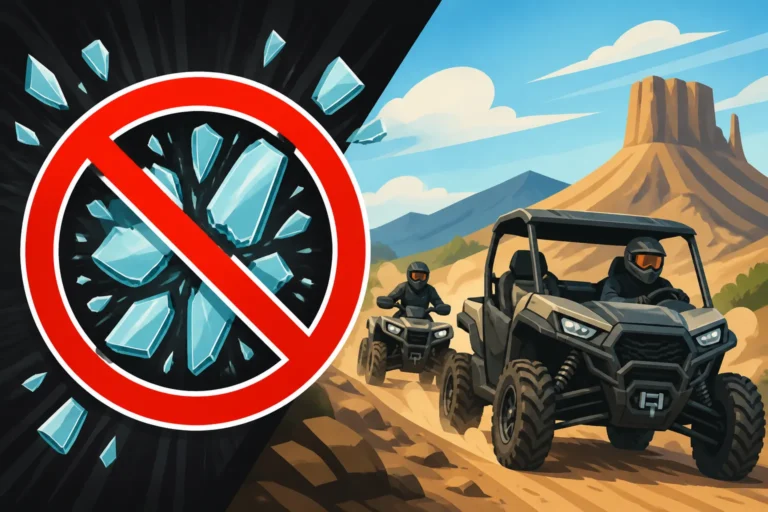
The Killpecker glass ban prevents sharp broken bottles from sinking into sand and injuring bare feet, tires, and other visitors.

A fifteen miles per hour Wyoming campground limit protects pedestrians near tents and trailers on shared roads.

Free camping at Killpecker Dunes requires bringing your own water and managing limited facilities in remote southwest Wyoming.

The Tri-Territory Loop Road and Killpecker Sand Dunes route planning guide explains how to verify trail access, match vehicles, and prepare for sand.

Driving from Rock Springs to Killpecker requires following US 191 north, turning onto County Road 4-17, and reaching a designated staging area safely.

Killpecker Dunes open play area rules, desert preparation, and route selection help riders avoid mistakes near Rock Springs.