Wyoming Rules for Riding a Ranch Road
Riding your ATV or UTV across Wyoming's vast landscapes offers incredible freedom, but when those trails or two-tracks venture onto or near private ranch land, things can quickly get confusing. Many riders worry about whether they're even allowed to be there, what specific rules they need to follow, or how to avoid accidentally trespassing. This guide is here to clear up that confusion, helping you understand the specific rules and etiquette for safely and legally riding your off-road machine on Wyoming's ranch roads.
Understanding Wyoming's Ranch Roads and Access
Wyoming is a state of wide-open spaces, and much of that land is privately owned ranches, often interspersed with public lands like those managed by the Bureau of Land Management (BLM) or the Forest Service. This patchwork ownership creates a unique challenge for riders, as what looks like an innocent two-track might actually be a private ranch road. Knowing the difference and understanding access rights is paramount.
Private Ranch Roads vs. Public Access
It's easy to assume that any dirt road or two-track you encounter is fair game for riding, but that's a common misconception, especially in Wyoming. A true private ranch road is just that: private property, owned and maintained by the landowner. Riding on it without explicit permission is trespassing, plain and simple. These roads are typically used by the rancher for their operations—moving livestock, accessing pastures, or getting to remote buildings. They aren't meant for recreational public access unless the landowner has expressly granted it.
However, things can get a bit blurry. Sometimes, a road that looks like a private ranch road might actually have a public easement running through it, or it might be a designated county road that just happens to traverse private land. The key distinction lies in its legal designation. If it's a private road, it's private. If it's a public right-of-way, even if surrounded by private land, then you might have legal access, provided you stay strictly within the designated right-of-way. Always assume a road is private until you can confirm otherwise.
The Nuance of Section Lines and Two-Tracks
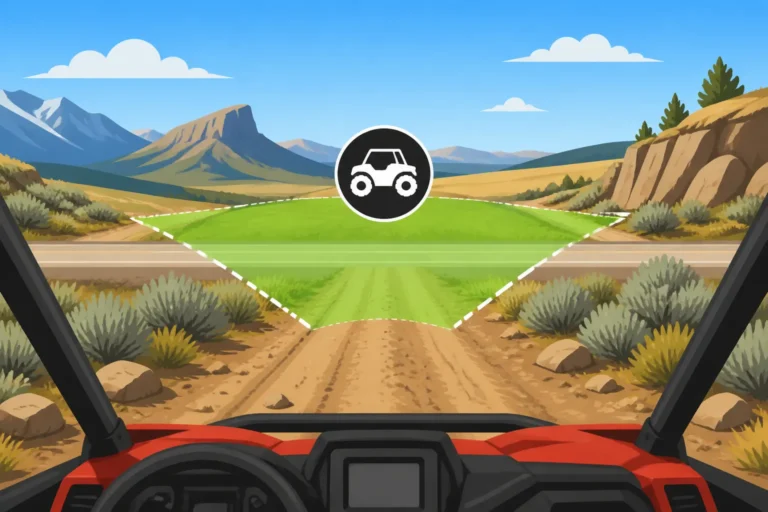
Wyoming has a unique aspect to its land access rules that often involves what are known as "section lines." These are imaginary lines that divide land into one-mile square sections for surveying purposes. In many parts of the state, especially eastern Wyoming, these section lines are considered public rights-of-way, meaning you generally have the right to travel along them, even if they cross private land. Think of them as invisible roads that are typically 66 feet wide. [Wyoming Rules for Riding a Section Line]
The catch? Just because a section line exists doesn't mean there's a physical road or even a clear two-track on it. You might find nothing but sagebrush, or it might be fenced off by a rancher. You cannot damage property to create your own route along a section line. Furthermore, even if you are on a legally accessible section line, you are strictly confined to that 66-foot width. You cannot deviate onto the adjacent private land, even for a moment, without permission. Many riders find themselves confused when a clear two-track suddenly veers off a section line onto private property. Always be aware of your position and consult maps that show land ownership and public easements. For instance, a durable set of tires from a brand like SuperATV might handle the rough terrain often found on section lines, but they won't save you from a trespassing charge if you stray. [Wyoming Rules for Riding a Two-Track]
Crossing Private Land: The Permission Imperative
Let's say you've found a public trail or an enrolled road that you want to ride, but to get to it, you need to cross a short stretch of private ranch land. This is where many riders get into trouble. While some public lands might have designated access points across private property, these are specific and often well-marked. In most other scenarios, you absolutely need permission from the landowner to cross their private property.
It doesn't matter if it's just a few feet, a corner, or what seems like an un-used pasture. If it's private land, you need to ask. Even if you're trying to connect two different sections of public land, you cannot take a shortcut across private property without that explicit "okay" from the rancher. The old adage "it's better to ask for forgiveness than permission" does not apply here. Forgiveness often comes in the form of a hefty fine or a legal headache. Understanding this fundamental rule is crucial for responsible riding in Wyoming. [Wyoming Rules for Crossing Private Land]
Navigating Permissions and Etiquette on Ranch Lands
Once you understand where you can ride, the next step is understanding how to ride respectfully and responsibly, especially when interacting with private landowners or riding on land adjacent to active ranching operations. Good etiquette goes a long way in maintaining positive relationships and ensuring continued access for all riders.
Securing Landowner Permission: The Golden Rule
If you want to ride on private ranch land, or even just cross a portion of it to access public areas, securing explicit permission is your absolute golden rule. Do not assume; always ask. Here’s how you can approach it:
- Identify the Landowner: This can sometimes be the trickiest part. County assessor's offices often have plat maps or online resources that show land ownership. You might also find local residents who can point you to the correct person.
- Make Contact Respectfully: Once you identify the owner, approach them politely. A phone call or an in-person visit (if appropriate and convenient for them) is usually best. Explain clearly what you want to do: where you want to ride, what kind of machine you have, how many people will be with you, and for how long.
- Be Prepared for "No": Ranchers deal with a lot of issues, from livestock disturbances to fire danger and liability concerns. If they say no, respect their decision without argument. Their land, their rules.
- Get it in Writing (If Possible): For anything beyond a quick crossing, a simple written agreement or even a text message exchange confirming permission can save a lot of headaches later. This isn't always feasible for every casual request, but it provides a layer of protection for both parties.
- Follow All Stipulations: If they grant permission, they might have specific rules: stay on certain roads, avoid certain pastures, don't ride during calving season, or close all gates. Adhere to these rules absolutely. Failing to do so can jeopardize future access for you and other riders. [Wyoming Landowner Permission Rules]
Gates, Fences, and Livestock: Being a Respectful Rider
When you're riding through ranch country, whether on public easements or with landowner permission, you are in an active agricultural landscape. This means you will almost certainly encounter gates, fences, and livestock. Your behavior here speaks volumes about the riding community.
- Always Close Gates: This is non-negotiable. If you open a gate, you close it behind you. Period. Leaving a gate open can lead to livestock escaping, mixing with other herds, or straying onto roads, creating massive problems for the rancher. There's an old saying: "Leave gates as you find them." If it was open, leave it open. If it was closed, close it. Don't assume you know the rancher's intent. [Wyoming Rules for Opening a Gate]
- Respect Fences: Fences are critical infrastructure for ranchers. Do not ride through, over, or along fences in a way that could damage them. Even leaning a machine against a fence can weaken it over time.
- Give Livestock Space: You'll likely encounter cattle, sheep, or horses. Do not harass, chase, or spook them. Slow down, give them a wide berth, and if they're blocking a path, wait patiently for them to move. Loud engines, sudden movements, or aggressive riding can stress animals, cause them to run, or separate calves from mothers. This is a huge concern for ranchers. Your presence should be as unobtrusive as possible. [Wyoming Rules for Riding Near Livestock]
Common Courtesy Beyond the Trails
Beyond the basic rules, a general sense of courtesy and responsibility will make your experience better and ensure you're a welcome presence, not a nuisance.
- Minimize Dust and Noise: Ranch roads are often gravel or dirt, and ATVs/UTVs can kick up a lot of dust. If you're passing near ranch buildings, other vehicles, or livestock, slow down significantly to reduce dust. Likewise, be mindful of excessive engine noise, especially near homes or during early morning/late evening hours. Aftermarket mufflers that meet sound regulations are not just about compliance; they're about respect.
- Pack It In, Pack It Out: Leave no trace. Any trash, even biodegradable items like fruit peels, should be packed out with you. This isn't just a rule for designated wilderness; it's basic decency everywhere.
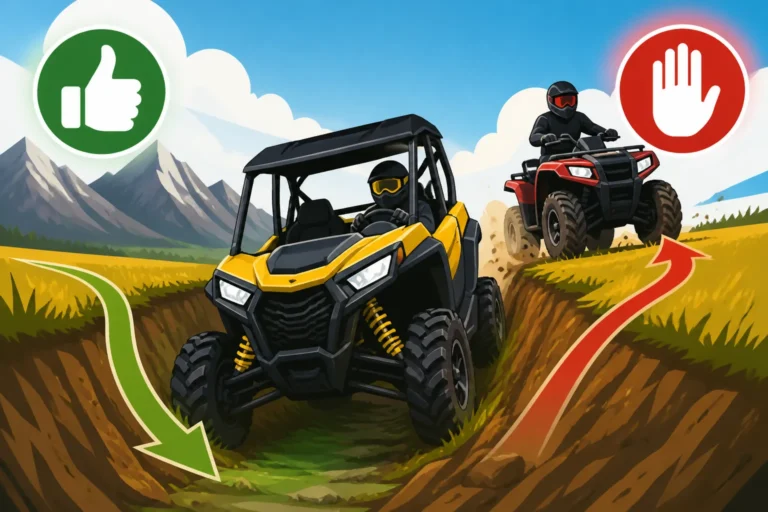
- Stay on Designated Routes: Whether you're on a public easement or a private road with permission, stick to the established path. Do not create new tracks, cut corners, or wander off the trail. This prevents erosion, protects sensitive habitats, and respects the landowner's property boundaries.
Essential Gear and Regulatory Considerations for Ranch Road Riding
Even when riding on private property with permission, or on publicly accessible two-tracks through ranch country, you're still in Wyoming, and certain state and federal regulations apply. Furthermore, being prepared with the right gear is always a smart move when venturing into remote areas.
Wyoming ORV Permit: Still a Must for Publicly Accessible Segments
It's a common misunderstanding that if you're riding on ranch land, you don't need a Wyoming ORV permit. This is only partially true. If you are strictly riding on private land with the owner's permission and never touching any public trail or road, then no permit is required for that private riding. However, most ranch roads, especially those that extend for any distance, will inevitably cross or become public easements, county roads, or connect to designated public ORV routes.
If your wheels touch any portion of a publicly accessible road or trail in Wyoming, your machine needs a current Wyoming ORV permit decal displayed. This includes public section lines, county roads that haven't been de-designated for ORVs, or federal lands. Many ranch operations blend seamlessly with public land access, so it's often safer and simpler to just have the permit if you're going to be riding anywhere near public access points. It's a small fee that contributes directly to maintaining the very trails you want to ride. [Wyoming ORV Permits Explained] [Does a Ranch-Only Quad Need a Wyoming Permit?]
Spark Arresters and Mufflers: Keeping it Quiet and Safe
Wyoming's dry climate means wildfire danger is a constant concern, especially during the warmer months. Because of this, spark arresters are not just a good idea; they are legally required on all off-road vehicles operating on public lands in Wyoming. Even if you're on private ranch land, a responsible rider will still ensure their machine is equipped with a functioning spark arrester. A stray spark from an unarrested exhaust can ignite dry grass, leading to devastating fires that can wipe out pastures, homes, and livelihoods.
Similarly, legal muffler systems are crucial for managing sound. Excessive noise is one of the biggest complaints from landowners and other recreationists. Keeping your machine's sound output within legal limits (often 96 dB or less) demonstrates respect for the environment, wildlife, and the people who live and work in these areas. You can find robust exhaust components, often from manufacturers like SuperATV, that meet these requirements while still offering durability for tough ranch conditions. [Wyoming Muffler and Spark Arrester Rules]
Carrying the Right Gear for Remote Riding
Ranch roads, even those on private property, can be remote. A breakdown or an injury far from help can quickly turn a fun outing into a serious situation. Being prepared is key:
- First Aid Kit: Always carry a well-stocked first aid kit, especially one designed for outdoor use.
- Communication: Cell service is often non-existent in remote Wyoming. A satellite messenger or an emergency locator beacon (PLB) can be a lifesaver.
- Tools and Spares: A basic toolkit, tire repair kit, and perhaps some spare parts (like an extra drive belt if your machine uses one) can get you out of a bind. A quality winch, perhaps from a brand like SuperATV, is also invaluable for self-recovery or helping a friend.
- Navigation: A GPS device with downloaded maps (showing land ownership if possible), a compass, and paper maps are essential. Don't rely solely on your phone.
- Water and Food: Carry more water than you think you'll need, along with energy-rich snacks.
- Weather Appropriate Gear: Wyoming weather can change rapidly. Bring layers, rain gear, and protection from the sun.
Legal Pitfalls and Responsible Riding
Riding on ranch roads requires not just a sense of adventure, but also a solid understanding of the legal landscape and a commitment to responsible behavior. Ignoring these can lead to serious consequences, both for you and for the future of off-road access in Wyoming.
Trespassing: The Serious Consequences
The most critical legal pitfall when riding ranch roads is trespassing. Wyoming law is clear: entering or remaining on private land without permission is illegal. The consequences can range from a verbal warning to significant fines and even impoundment of your machine. In some cases, repeated or aggravated trespassing could lead to more severe charges.
Imagine this scenario: You're riding a beautiful two-track that seems to go on forever, only to realize you've crossed a barely visible fence line onto private land. A rancher, seeing you on their property, calls the sheriff. Even if you claim ignorance, the burden of proof often falls on you to show you had permission or were on public land. The costs of a citation, potential court appearances, and the time lost dealing with the legal system far outweigh the perceived convenience of riding where you shouldn't. Always err on the side of caution. When in doubt, turn around. [Wyoming Trespass Rules for Riders] [Wyoming Fines for Riding Without a Permit]
Property Damage and Liability
Beyond trespassing, damaging private property is another serious concern. If your machine creates deep ruts on a wet pasture road, breaks a fence post, or causes any other damage, you are liable for the cost of repairs. This could be hundreds or even thousands of dollars. Ranch roads are working infrastructure; they're not always built for heavy, fast-moving recreational traffic, especially in certain conditions.
Furthermore, there's the question of liability. If you injure yourself on private land without permission, the landowner typically has limited responsibility, if any. However, if your actions cause harm to the landowner's property or livestock, or even injure a ranch hand, you could face significant civil lawsuits. Always carry appropriate insurance, but the best protection is to ride responsibly and only where you have explicit permission.
Hunting and Wildlife Considerations
Ranch lands are often critical wildlife habitat and frequently used for hunting. If you're riding your ATV or UTV on a ranch road during hunting season, or if your ride takes you into areas with significant wildlife populations, there are additional considerations.
- Hunting Regulations: If you are hunting from your machine, be absolutely sure you understand Wyoming's specific regulations regarding the use of motorized vehicles for hunting and game retrieval. Many rules restrict how close you can be to game with a machine or prohibit shooting from a vehicle. [Wyoming Rules for Riding During Hunting Season]
- Seasonal Closures: Some ranch roads or adjacent public lands might be subject to seasonal closures to protect wintering wildlife. Respect these closures, even if they seem inconvenient, as they are put in place to ensure the health of local animal populations.
- Avoid Disturbing Wildlife: Even if not hunting, your presence can disturb wildlife. Riding slowly and quietly through known wildlife areas, especially at dawn or dusk, is the responsible approach. Remember, a rancher's livelihood often depends on healthy wildlife populations on their land, whether for hunting leases or general ecological balance.
In summary, riding Wyoming's ranch roads can be an incredibly rewarding experience, offering unique access to breathtaking scenery and solitude. However, it demands a higher level of awareness, respect, and responsibility than riding on a purely dedicated public trail. By understanding land ownership, seeking permission, practicing impeccable etiquette, and adhering to all applicable regulations, you can ensure your rides are safe, legal, and enjoyable for everyone.
Disclaimer
This article is for general informational purposes only and does not constitute professional advice. Laws, prices and regulations vary by location and change over time. Consult a qualified professional for guidance on your specific situation.