Passengers Under 18 and Helmets
There's nothing quite like the feeling of hitting a Wyoming trail with your family, the sun on your face, and the rumble of your ATV or UTV beneath you. But as parents and guardians, we carry a huge responsibility to keep our younger riders safe, and sometimes, the specific rules around safety gear, especially helmets for passengers under 18, can feel a little murky. This guide is here to clear up that confusion, diving deep into Wyoming's laws and best practices so you can enjoy your adventures with peace of mind, knowing your precious cargo is protected.
Understanding Wyoming's Core Helmet Laws for Off-Road Vehicles
When you're out exploring Wyoming's vast and beautiful landscapes on your ATV or UTV, it's natural to wonder about the rules, especially those concerning safety gear. While some states have very strict, blanket helmet laws for all off-road vehicle riders, Wyoming takes a slightly different approach, distinguishing between adults and minors. This distinction is often a source of confusion for new and even experienced riders.
The General Rule: No Universal Helmet Mandate for Adults
Let's start with what might surprise some folks: for most adult ORV riders in Wyoming, whether you're driving or a passenger on a designated off-road trail, there isn't a universal state law mandating you wear a helmet. This means that if you're 18 or older, you typically have the freedom to choose whether or not to wear a helmet when you're strictly riding on trails, two-tracks, or other areas specifically designated for off-road use. It's a personal choice, and many experienced riders still opt for a helmet because they understand the inherent risks of off-roading.
Now, while the law might not require it for adults in all off-road scenarios, common sense and a strong commitment to safety really should. The terrain can be unpredictable, obstacles can appear out of nowhere, and even a slow-speed tip-over can result in serious head injuries. Many riders, myself included, wouldn't dream of hitting the trail without one, regardless of legal mandates. It's about protecting your most valuable asset: your brain.
Why Minors Are Different: The Protective Stance
Here's where the critical distinction comes in, and it’s a rule designed squarely for protection: Wyoming law takes a much more protective stance when it comes to younger riders. The state recognizes that children and teenagers are more vulnerable, less experienced, and often lack the same judgment and reaction times as adults. Because of this, the state has specific regulations in place to ensure their safety, especially when it comes to head protection.
This protective philosophy isn't unique to Wyoming; many states have similar provisions for minors. It's rooted in the understanding that a child's developing body, particularly their head, needs extra safeguards against impacts. So, while an adult might have the autonomy to choose, the law steps in to make that choice for minors, emphasizing their well-being above all else. This distinction is crucial for any family planning an off-road adventure in the Cowboy State.
Specific Helmet Requirements for Young Passengers
So, you've got your machine, you're ready for an adventure, and you've got kids or teens eager to join the ride. This is the moment when understanding the specifics of Wyoming's helmet law for young passengers becomes absolutely paramount. It's not just a suggestion; it's a legal requirement designed to protect our most vulnerable riders.
The Under-18 Mandate: What the Law Says
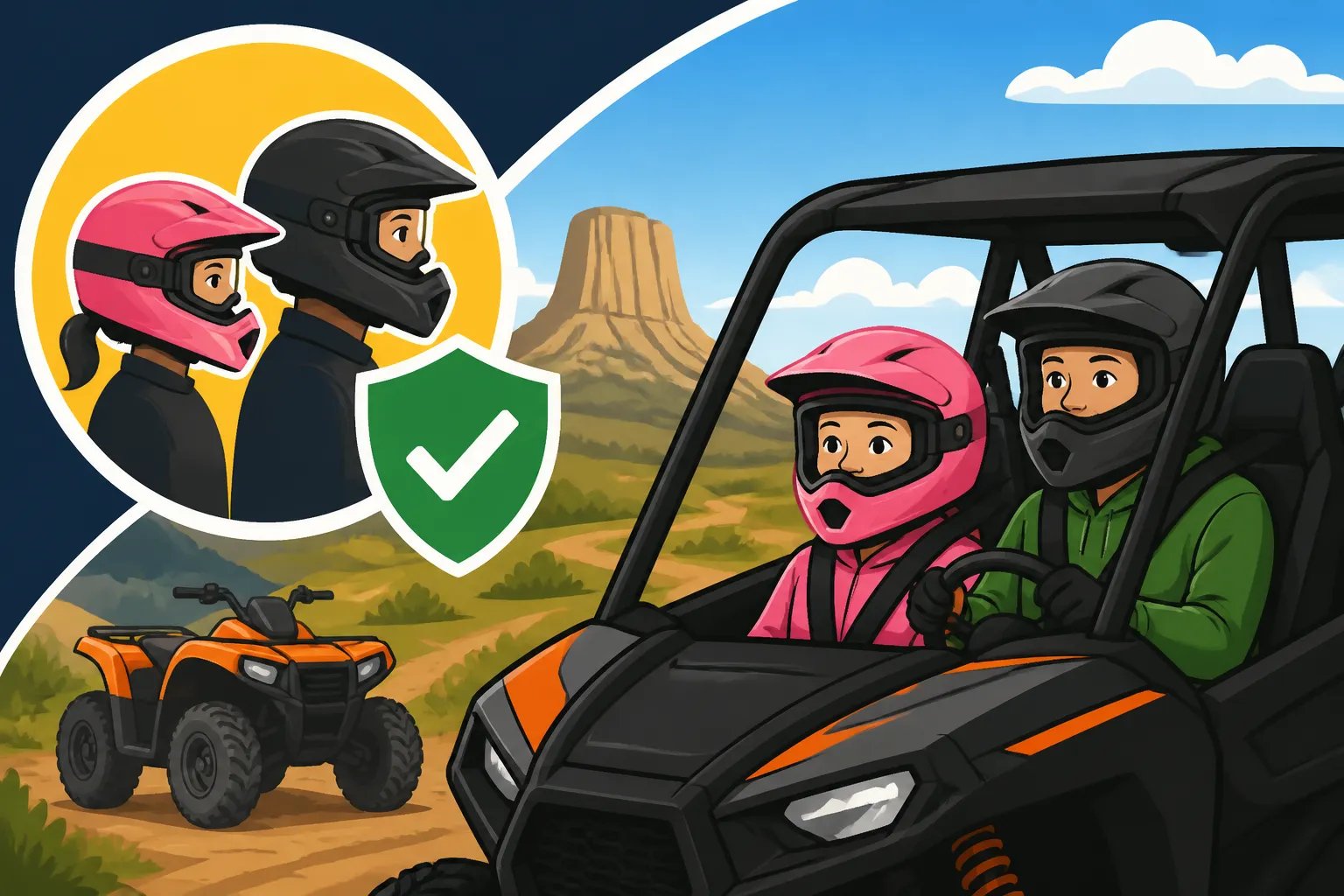
In Wyoming, the law is clear and unequivocal: all drivers and passengers under the age of 18 must wear a securely fastened safety helmet when operating or riding as a passenger on an off-road recreational vehicle. This isn't a gray area; it's a black-and-white rule. Whether your 16-year-old is driving their own dirt bike, or your 12-year-old is riding shotgun in your side-by-side, if they are under 18, a helmet is not optional. This rule applies across the board on public lands, designated trails, and other areas where ORVs are permitted. You can find more details on this in [Wyoming Helmet Law for Passengers] and [Wyoming Rules for a Child Passenger].
This mandate isn't about curbing fun; it's about mitigating risk. A child's skull is still developing, and their neck muscles might not be strong enough to withstand the forces of an impact that an adult could potentially shrug off. The trails, even seemingly benign ones, can present unexpected hazards – a sudden rut, a loose rock, or an unforeseen maneuver. A helmet acts as a crucial first line of defense, significantly reducing the risk of severe head injury. It's a small piece of gear that makes a monumental difference in safety.
Defining a "Properly Fitted" Helmet
Simply having a helmet isn't enough; it must be the right helmet, and it must fit properly. Wyoming law, like most safety regulations, implies that the helmet must meet recognized safety standards. This generally means a helmet that is DOT-approved (Department of Transportation). This certification indicates that the helmet has passed rigorous testing for impact protection. When you're looking for helmets, you'll typically see a DOT sticker on the back.
Beyond the DOT certification, proper fit is critical. A helmet that's too loose can shift during an impact, failing to provide protection, or even obstruct vision. One that's too tight can be uncomfortable and distracting. When fitting a helmet for a child, ensure it sits level on their head, not tilted back, and that the front rim is no more than two fingers' width above their eyebrows. The chin strap should be snug, allowing only one finger to slip underneath. You should not be able to rotate the helmet excessively from side to side or front to back. Many reputable gear manufacturers, like SuperATV, offer a range of youth-sized helmets designed to meet these standards and provide a secure, comfortable fit for growing kids. Don't forget eye protection either; goggles are essential to keep dust, debris, and insects out of a child's eyes, improving their visibility and overall safety.
When ORVs Hit the Road: Different Rules Apply
Wyoming is unique in that it offers a pathway for some off-road vehicles to become "street legal" Multipurpose Vehicles (MPVs) and travel on designated public roads. This is a fantastic opportunity for riders to connect trails or access amenities without having to trailer their machine everywhere. However, it's crucial to understand that when your ORV transitions from dirt to pavement, the rules, particularly those concerning helmets, can shift significantly. [Wyoming MPV Street Legal Requirements] are important to review if you plan on going this route.
The "Street Legal" Designation and Its Impact
When an ATV or UTV meets specific criteria – such as weight limits, seat height, and having certain road-legal equipment like headlights, taillights, mirrors, and a horn – it can be registered as a Multipurpose Vehicle (MPV) through your county clerk and treasurer. Once it has an MPV title and a license plate, it can legally operate on roads that have been officially "enrolled" for MPV use. This is a game-changer for access, but it also means you're no longer just following off-road rules; you're now subject to many of the regulations that apply to motor vehicles on public highways.
The key takeaway here is that "street legal" doesn't just mean your machine can go on the road; it means the rules of the road now apply to your machine and its occupants. This includes traffic laws, insurance requirements, and crucially, often more stringent safety gear mandates. The freedom to ride on the road comes with the responsibility of adhering to a new set of regulations, and ignoring these can lead to serious consequences, not to mention putting yourself and your passengers at risk.
Road-Specific Helmet Rules for Minors (and Others)
When your ORV, now an MPV, is operating on an enrolled public road in Wyoming, the helmet rules for minors remain just as strict, if not more so. The under-18 helmet mandate applies without exception when riding on public roads, whether as a driver or a passenger. This aligns with motorcycle helmet laws, where younger riders are almost universally required to wear head protection. So, if your 15-year-old is driving your plated side-by-side down a county road, or your 10-year-old is a passenger, they must be wearing a DOT-approved, properly fitted helmet.
In some situations, specific road designations or local ordinances might even extend helmet requirements to all riders, regardless of age, when on certain stretches of public road. While this isn't a blanket state law for adults on MPVs, it's always wise to check local regulations for the area you plan to ride. The bottom line, however, is that for anyone under 18, a helmet is non-negotiable when operating on any public road in Wyoming. This is a critical point to remember, as ignoring it could result in citations and, more importantly, put a young life in jeopardy during a road incident. You can find more about this in [Wyoming Helmet Law for ATV Riders] and [Wyoming Minimum Age to Ride a Road].
Practical Considerations for Riding with Young Passengers
Beyond just adhering to the letter of the law, being a responsible adult means going above and beyond to ensure the safety and well-being of any young passengers you have aboard your ATV or UTV. The laws are a baseline, but true safety is about proactive choices and instilling good habits.
Beyond the Law: Prioritizing Safety Gear
While Wyoming law specifically mandates helmets for riders and passengers under 18, prioritizing a full suite of safety gear for everyone on board, regardless of age, is simply smart practice. Off-roading is an inherently adventurous activity, and the potential for bumps, scrapes, and more serious injuries is always present. A helmet is just one piece of the puzzle.
Consider these essential items, especially for children:
- Goggles or Eye Protection: Dust, dirt, branches, and insects are constant companions on the trail. Proper eye protection is non-negotiable to maintain clear vision and prevent injuries.
- Gloves: Protect hands from scrapes, blisters, and provide a better grip on the handlebars or grab handles.
- Long-Sleeved Shirt and Long Pants: Even on warm days, long clothing provides a layer of protection against scrapes, sun, and brush. Abrasion-resistant materials are ideal.
- Over-the-Ankle Boots: Sturdy boots protect feet and ankles from impacts, provide good grip, and prevent feet from slipping off footpegs.
- Chest Protectors (optional but recommended): Especially for younger, less experienced riders, a chest protector can offer vital protection against handlebar impacts or flying debris.
Investing in quality gear from reputable brands is always a good idea. Companies like SuperATV offer a wide range of accessories, including durable helmets and protective gear, designed to enhance safety and comfort on the trail. Remember, crashes can happen, even for experienced riders, and protective gear dramatically reduces the severity of potential injuries. It's an investment in safety that pays dividends.
Responsible Supervision and Rider Education
The presence of an adult supervisor is another critical layer of safety for young passengers. An adult can monitor the child's comfort, ensure they are holding on properly, and constantly assess the riding conditions to avoid potential hazards. This is particularly important when navigating challenging terrain or crowded areas. Wyoming's law reflects this, often requiring supervision for younger riders. [Wyoming Supervision Rules for Young Riders] are worth understanding.
Beyond supervision, proper education is key. For young drivers, this means enrolling them in an approved ATV safety course, such as those offered by the ATV Safety Institute. For passengers, it means teaching them how to ride safely – where to hold on, how to lean into turns, and what to do in case of an unexpected stop. Leading by example is also incredibly powerful. If adults consistently wear their helmets and other safety gear, children are far more likely to adopt these habits as their own. Remember, an educated and well-prepared rider, regardless of age, is a safer rider. This commitment to education not only keeps children safe but also fosters a lifelong appreciation for responsible outdoor recreation.
Enforcement and Consequences of Non-Compliance
It's easy to think of helmet laws as minor details, but in Wyoming, especially when it comes to the safety of minors, they are taken seriously. Law enforcement agencies patrol the vast public lands and roads, and they are well-versed in the regulations governing off-road vehicle use. Understanding the potential repercussions of not following the rules is an important part of responsible riding.
What to Expect from Law Enforcement
When you're out riding in Wyoming, whether on a Forest Service trail, BLM land, or an enrolled county road, you might encounter various law enforcement officials. This could include Forest Service rangers, BLM rangers, Wyoming State Park wardens, or county sheriffs and state troopers. These officials are tasked with ensuring the safety of all recreationists and preserving the integrity of the land. They are typically looking for compliance with ORV permit requirements, designated route use, and, of course, safety gear. [What a Warden Checks at a Trailhead] gives you a good idea of their focus.
If a law enforcement officer observes a minor (under 18) riding an ATV or UTV without a helmet, they will likely stop you. Their primary goal isn't just to issue a ticket, but to educate and ensure immediate compliance for safety. They will explain the law, emphasizing the importance of head protection for children. While their approach might be educational first, they have the authority to take further action if necessary. It’s always best to be polite, cooperative, and to have all your paperwork and safety gear in order.
Potential Fines and Penalties
Operating an ORV with a minor passenger (or driver) who is not wearing a helmet in Wyoming can result in a citation. The specific fine amount can vary depending on the jurisdiction (state, county, federal land) and the specific statute cited, but it's a financial penalty you definitely want to avoid. While I can't give specific dollar figures, fines for safety violations like this can easily run into the hundreds of dollars, and repeated offenses could lead to more severe penalties, such as increased fines or even a temporary suspension of riding privileges. [Wyoming Fines for Riding Without a Permit] gives a sense of the kind of penalties that can be imposed for non-compliance with ORV regulations.
Beyond the monetary cost, there's the cost of time and hassle involved in dealing with a citation. You might have to appear in court, and it can certainly put a damper on your riding trip. More importantly, however, is the implicit penalty of risking a child's safety. A helmet is a cheap investment compared to the medical bills and potential long-term consequences of a head injury. Adhering to the helmet law for minors isn't just about avoiding a ticket; it's about making a conscious choice to protect the young riders who trust you to keep them safe.
Helmet Requirements: A Quick Look
Understanding when and where helmets are required for young riders in Wyoming can sometimes feel like navigating a maze. This table provides a simplified overview of the general rules to help you stay compliant and safe.
| Rider/Passenger Age | Location: Designated Off-Road Trails (ORV Permit Areas) | Location: Enrolled Public Roads (MPV Plate Areas) | Key Consideration |
|---|---|---|---|
| Under 18 | REQUIRED for both drivers and passengers | REQUIRED for both drivers and passengers | No exceptions. Must be DOT-approved and properly fitted. This is a primary safety and legal mandate. |
| 18 and Over | Not universally required by state law for ORV use | Often not universally required by state law for MPV drivers/passengers, but check local ordinances. | Highly recommended for all riders, regardless of age or location, for maximum safety. Personal choice for adults. |
Disclaimer: This table summarizes general rules. Always consult the most current Wyoming Statutes and local ordinances for precise legal requirements for your specific riding area and machine type. Safety gear recommendations go beyond minimum legal requirements.
This article is for general informational purposes only and does not constitute professional advice. Laws, prices and regulations vary by location and change over time. Consult a qualified professional for guidance on your specific situation.