Wyoming Rules for Riding a BLM Road
There's nothing quite like the freedom of exploring Wyoming's vast, open landscapes on your ATV or UTV. But hitting those wide-open dirt roads, especially those managed by the Bureau of Land Management (BLM), comes with its own set of rules and expectations that can feel a bit like trying to navigate a maze. This guide is here to untangle the complexities and give you a clear roadmap for responsibly and legally enjoying your ride on Wyoming's BLM roads, so you can focus on the adventure, not the anxiety.
Understanding BLM Land and Its Role in Wyoming Riding
Wyoming is absolutely blessed with an immense amount of public land, and a huge chunk of that falls under the care of the Bureau of Land Management, or BLM. Think of it as your enormous backyard, filled with sagebrush, rolling hills, dramatic rock formations, and endless horizons, all just waiting to be explored. These lands are managed for multiple uses, which includes recreation, but also grazing, mineral extraction, and wildlife habitat. This multi-use approach means that while you're out enjoying the trails, you might encounter anything from cattle and cowboys to oil and gas operations, all sharing the same space.
It’s this balance of uses that dictates how we, as off-road enthusiasts, can access and enjoy these areas. The BLM's primary goal is to sustain the health, diversity, and productivity of the public lands for the use and enjoyment of present and future generations. For us, this translates into specific rules designed to protect the environment, prevent conflicts with other users, and ensure a safe experience for everyone. Ignoring these rules isn't just a risk for a citation; it's a risk to the very access we cherish.
What "Designated Routes" Mean on BLM Land
One of the most crucial concepts to grasp when riding on BLM land is "designated routes." This isn't just a suggestion; it's the law. Unlike some older, more informal approaches to off-road riding, the BLM now operates under a travel management plan that specifically identifies and maps out where motorized vehicles are allowed to go. This means that you can't just create your own trail or drive cross-country whenever the mood strikes.
Designated routes typically include existing roads and trails that have been officially identified as suitable for motorized use. You'll often see these marked with signs, and they are clearly delineated on official BLM travel management maps. The purpose of this system is to concentrate traffic, minimize resource damage, protect sensitive areas like wildlife habitat or cultural sites, and reduce user conflict. If a route isn't explicitly marked as open for your vehicle type, consider it closed. It's a fundamental shift from "allowed unless posted closed" to "closed unless posted open." Ignorance of the designated route system is not a valid defense, and rangers actively patrol these areas. To avoid [Wyoming Fines for Riding Off a Route], always stick to the marked paths.
The Importance of a Travel Management Map
Trying to navigate BLM land without a current travel management map is like trying to find a specific constellation without a star chart – you're just guessing. These maps are absolutely essential for any responsible rider. They visually represent the designated routes, showing you exactly where you can and cannot ride your ATV or UTV. They'll distinguish between routes open to all motorized vehicles, those open only to certain widths (like narrower trails), and those that are entirely closed to motorized traffic.
You can often find these maps for free or for a small fee at local BLM field offices, visitor centers, or sometimes even online through the BLM's national website. Many GPS units and smartphone apps can also integrate these map layers, offering real-time navigation. Before heading out, always download or print the relevant map for your chosen riding area. Take the time to study it, understand the different route designations, and identify any seasonal closures or special restrictions. A good map can be the difference between a fantastic day of exploration and an unexpected citation or, worse, getting hopelessly lost.
Required Permits and Equipment for BLM Roads
Before your tires even touch the dirt on a Wyoming BLM road, there are a couple of non-negotiable items you need to have in order and on your machine. Wyoming is particular about its off-road vehicle (ORV) regulations, and federal lands like those managed by the BLM fall directly under these requirements. Don't let a lack of proper paperwork or equipment derail your trip before it even begins.
Wyoming’s ORV Permit
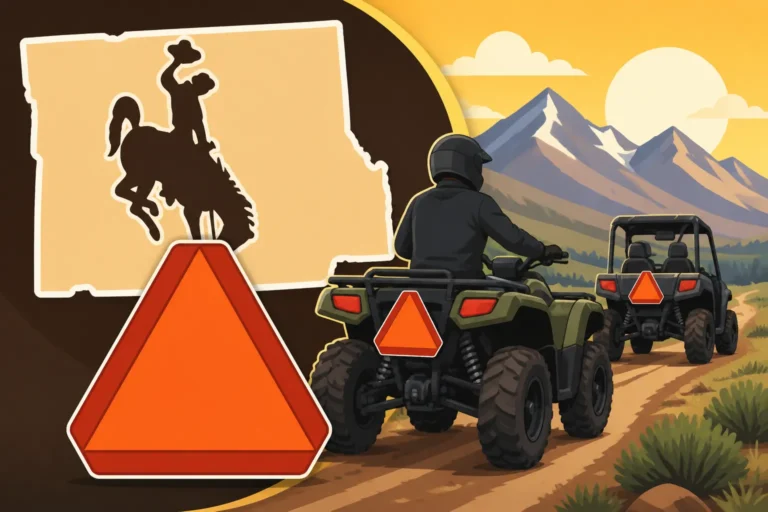
This is perhaps the most fundamental requirement for riding any ORV on public lands in Wyoming, including those managed by the BLM. Wyoming doesn't care if you're a resident or just visiting from out of state; if you're riding a qualifying off-road machine, you need a Wyoming ORV permit. This annual permit is a decal that must be prominently displayed on your machine, usually on the front fender or another visible area. It's a calendar-year permit, meaning it expires on December 31st, regardless of when you bought it.
The permit fee helps fund the Wyoming Trails Program, which maintains and improves the very trails and roads we all love to ride. You can purchase these permits from a variety of vendors, including county treasurers, authorized dealers, and even some forest service offices. For more details on this, check out [Wyoming's Annual ORV Permit] and if you're an out-of-state rider, [Wyoming ORV Permit for Nonresidents] explains why you also need to comply. Don't show up with just your home state registration, because Wyoming doesn't have reciprocity agreements with other states when it comes to ORV permits.
Mandatory Safety Gear and Machine Requirements
Beyond the permit, your machine itself needs to meet certain standards, and you, as the rider, have some safety obligations. The most critical machine requirement for public land use is a U.S. Forest Service-approved spark arrester. This isn't just a suggestion; it's a federal requirement designed to prevent wildfires, which are a serious concern in Wyoming's dry landscapes. Without one, you're not just risking a fine, you're risking potentially devastating fires. Ensure your spark arrester is in good working order and regularly inspect it for clogs.
Mufflers are also required to keep sound levels within reasonable limits. While Wyoming doesn't specify a decibel limit for off-road vehicles like some other states, common sense and courtesy dictate that excessive noise is unwelcome. Beyond that, headlights and taillights are smart to have for any unexpected low-light conditions, even if you plan to only ride during the day. For a deeper dive into these requirements, see [Wyoming Spark Arrester and Sound Rules].
When it comes to personal safety, riders and passengers under the age of 18 are required to wear a U.S. DOT-compliant helmet when riding on public lands. Even if you're over 18, wearing a helmet is always a smart choice, especially on rugged BLM roads where unforeseen obstacles or conditions can lead to spills. Eye protection, gloves, and sturdy footwear are also highly recommended to ensure a safe and enjoyable ride.
Rules of the Road: Navigating BLM Roads Legally
Riding on BLM roads isn't like a free-for-all. Even though they're often unpaved and feel remote, they are still public thoroughfares with expectations for safe and responsible operation. It's about respecting the land, other users, and yourself. Think of it as driving on a county road, but with more dust and less pavement – the core principles of safe and courteous travel still apply.
Speed Limits and Right-of-Way
While many BLM roads won't have posted speed limit signs, that doesn't mean there are no rules. The general rule of "reasonable and prudent" applies. This means driving at a speed that is safe for the current conditions, which can vary wildly due to dust, blind corners, wildlife, rough terrain, and other vehicles. Kicking up excessive dust when passing other riders or approaching homesteads is not only rude but can obscure vision for everyone.
Regarding right-of-way, standard driving etiquette generally prevails. When encountering other vehicles, especially oncoming traffic on a narrow road, the smaller or more maneuverable vehicle should often yield or slow down to allow safe passage. Always yield to horses and pack animals; stop your machine, turn off the engine, and let them pass quietly. Livestock also has the right-of-way, so slow down and give them space. Remember, many BLM roads are also active working routes for ranchers and other land users, so respect their operations.
Staying on Designated Routes
I know I've mentioned this before, but it bears repeating because it's that important: Stay on designated routes only. This is the golden rule of riding on BLM land in Wyoming. These are not open-range riding areas where you can cut across the landscape wherever you see fit. The BLM has invested a lot of time and resources into determining which routes are sustainable for motorized use, and going off-route causes resource damage, disturbs wildlife, and can lead to erosion.
Even seemingly innocent detours, like cutting a corner or riding around a puddle, can contribute to wider erosion problems and trail braiding, which harms the environment. If you come across a gate, and the route continues beyond it, [Wyoming Rules for Opening a Gate] state that you must leave it as you found it – if it was closed, close it behind you. If it was open, leave it open. Respect signs indicating closures, whether they are seasonal for wildlife, rehabilitation, or simply not designated for motorized travel. A quick glance at your map and attention to signage will keep you on the right side of the law and help preserve these lands for everyone.
Wildlife and Livestock Encounters
Wyoming is wild, and that's one of its biggest draws. Riding on BLM roads means you are very likely to encounter wildlife, from deer and elk to pronghorn and even larger predators in some areas. Livestock, primarily cattle, are also a common sight, as much of BLM land is leased for grazing. Your responsibility is to minimize your disturbance to these animals.
When you see wildlife, slow down, give them a wide berth, and never pursue or harass them. If they're on the road, stop and wait for them to move off naturally. The same goes for livestock. These animals can be unpredictable, especially if they have young calves or foals. Approach slowly, avoid loud noises, and give them ample space. Remember, cattle guards are there for a reason, and you should not try to ride around them unless a designated bypass is clearly marked. Riding slowly and being prepared to stop can prevent accidents and ensure you don't spook animals, which can be dangerous for them and for you.
Respecting the Land and Other Users
Our privilege to ride on Wyoming's vast public lands comes with a profound responsibility. It's not just about following the rules to avoid fines; it's about being a good steward of the land and a respectful member of the outdoor community. Every action we take, or don't take, impacts the environment and the experiences of others.
Tread Lightly Principles
The "Tread Lightly!" ethic is more than just a catchy phrase; it's a practical framework for responsible outdoor recreation. On BLM roads, this means:
- Travel Responsibly: Stick to designated roads and trails, avoid creating new ones, and minimize your impact on vegetation and terrain. This is where [Wyoming Rules for Riding a Designated Route] comes into play.
- Respect the Rights of Others: Be courteous to other users (hikers, mountain bikers, equestrians, hunters) and respect private property boundaries.
- Educate Yourself: Learn about the areas you're visiting and local regulations.
- Avoid Sensitive Areas: Stay away from wetlands, stream banks, and fragile soils.
- Do Your Part: Pack out everything you pack in, and even pick up litter left by others. Leaving a campsite cleaner than you found it is always a good practice.
Following these principles ensures that the beauty and accessibility of Wyoming's BLM lands remain intact for generations to come. It’s also about safeguarding our own access, as repeated irresponsible behavior can lead to increased restrictions or closures.
Gates and Fences
Encounters with gates and fences are an inevitable part of riding on many BLM roads, especially those that cross grazing allotments or connect to private property. The cardinal rule here is simple: Leave gates as you find them. If a gate is open, leave it open. If it's closed, close it behind you, making sure the latch is secure. This is not just a courtesy; it's vital for livestock management. An open gate on a closed pasture can lead to cattle wandering onto highways or mixing with other herds, causing significant problems for ranchers.
Never damage fences or gates by attempting to ride through or over them. If a gate appears locked or inaccessible, it's a clear sign that you should not proceed. Look for alternative routes or turn back. Disregarding gates and fences is a serious offense that can lead to trespass charges and fines, not to mention a very unhappy landowner or rancher. Always remember that while you're on public land, many surrounding parcels are private, and respecting those boundaries is crucial. For specific guidance on this, refer to [Wyoming Rules for Opening a Gate].
Camping and Dispersed Use
Many BLM lands allow for dispersed camping, which means setting up camp outside of designated campgrounds, often right alongside a BLM road. This is a fantastic way to experience the solitude and beauty of Wyoming. However, there are rules to follow. Generally, you need to be a certain distance from designated water sources, established trails, and developed recreation sites. You'll also need to pack out all your trash, human waste, and food scraps – leaving no trace behind.
Fires are often allowed, but only if local fire restrictions aren't in place. Always check fire danger levels before lighting a campfire. Keep fires small, contained, and ensure they are completely extinguished before you leave. Never cut down live trees for firewood. In areas with high use, or where specific rules apply, you might even see requirements for fire pans or leave-no-trace practices for human waste. These are all about preserving the natural environment for future visitors. To learn more about setting up camp, consult [Wyoming Dispersed Camping for Riders].
When a BLM Road is Not Just a BLM Road
Wyoming's land ownership can be a complex patchwork. A single route you're riding might seamlessly transition from BLM land to state trust land, a county road, or even cross small sections of private property. Understanding these transitions is vital, as the rules can subtly change, even if the road surface doesn't.
Crossing Private or State Trust Land
It's common for BLM roads to traverse or be adjacent to private land. Even if a fence doesn't seem to mark a boundary, respecting private property is paramount. Always assume land is private unless it's clearly marked as public. Never cross private land without explicit permission from the landowner. Trespassing can lead to serious legal consequences and damages our collective access to public lands.
Similarly, Wyoming has significant tracts of State Trust Land, managed for the benefit of public schools and other institutions. While many of these lands are open for recreational use, they often require their own separate State Trust Land Recreation Use Permit, distinct from your ORV permit. These permits are usually affordable and can be purchased online. If a BLM road appears to cross state trust land, it's your responsibility to ensure you have the necessary permission or permit. For more information, you can find guidance under [Wyoming Rules for Riding Private Land] and [Wyoming State Trust Land Permit Cost]. Always carry proof of any required permits with you.
Intersections with County Roads or State Highways
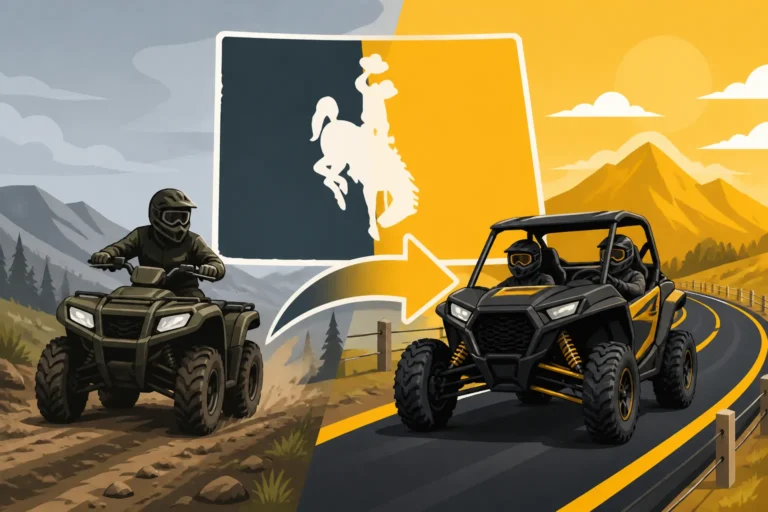
Many BLM roads eventually intersect with, or even become, county roads or state highways. This is where things can get particularly tricky for ORV riders. In Wyoming, ATVs and UTVs are generally not street legal on paved state highways or most county roads unless those roads have been specifically "enrolled" for ORV use by the county commissioners and the Wyoming Department of Transportation (WYDOT). Even then, there are often specific equipment requirements, age limits, and licensing rules that apply to riding on enrolled roads.
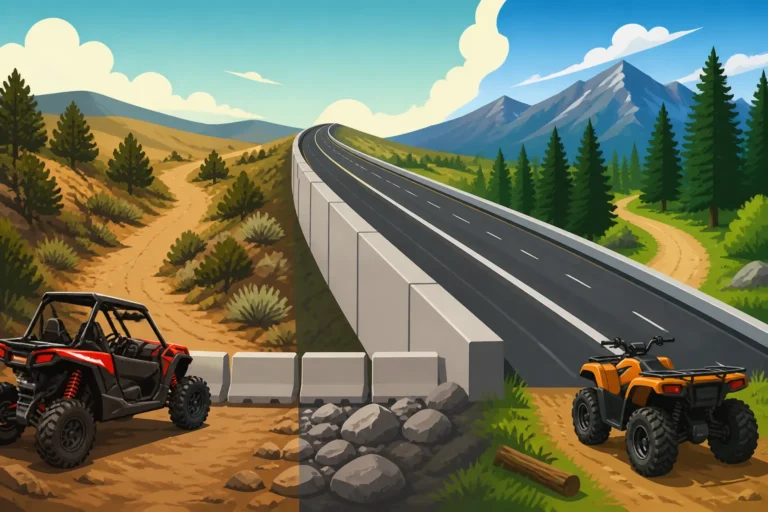
If you exit a BLM road onto an un-enrolled county road or a state highway, you must cease operating your ORV, load it onto a trailer, or find an alternative route if available. You cannot simply ride your machine down the paved road to the next section of trail or back to town. There are exceptions, such as crossing a highway directly at a right angle for the shortest distance to another designated route, but even these crossings have specific safety protocols. For a full breakdown, explore [Wyoming Rules for Riding a County Road]. Riding illegally on a paved road can lead to significant fines and puts you at risk of accidents with faster-moving traffic.
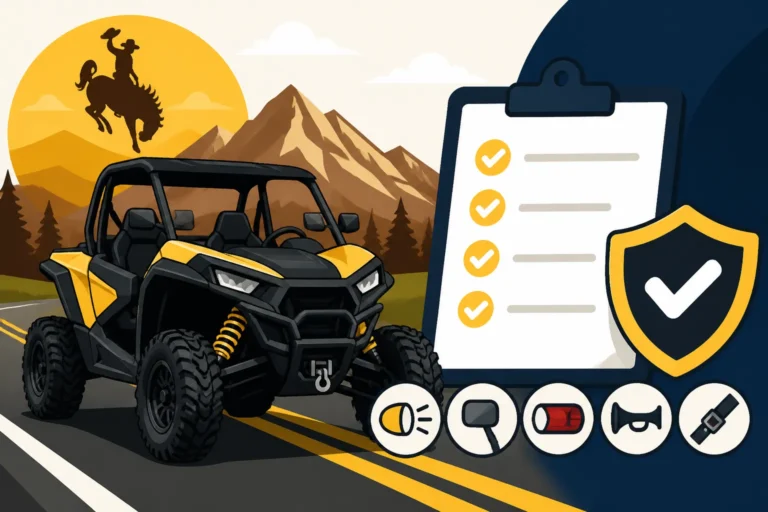
Wyoming BLM Road Rider's Checklist
| Category | Requirement | Details |
|---|---|---|
| Permits & Docs | Wyoming ORV Permit (Decal) | Required for all ORVs on public land, resident or non-resident. Valid Jan 1 – Dec 31. Costs are flat, typically not varying between residents and non-residents. |
| Travel Management Map | Essential for identifying designated open routes. Available at BLM offices, visitor centers, or online. | |
| State Trust Land Permit (if applicable) | Required for riding on Wyoming State Trust Land. Purchase online. | |
| Driver's License/ID | Carry appropriate identification. | |
| Machine Gear | USFS Approved Spark Arrester | Mandatory to prevent wildfires. Check regularly for clogs. |
| Muffler | Required for sound control. Keep sound levels reasonable. | |
| Headlight & Taillight | Recommended for all riding, mandatory for low-light conditions. | |
| SuperATV Aftermarket Parts (Optional) | Consider lift kits, heavy-duty axles, or protection for challenging BLM terrain. | |
| Rider Safety | Helmet (DOT-compliant) | Mandatory for riders and passengers under 18. Highly recommended for all ages on rough terrain. |
| Eye Protection | Goggles or glasses to shield from dust, debris, and sun. | |
| Gloves, Sturdy Footwear | For protection and grip. | |
| First-Aid Kit | Essential for minor injuries. | |
| Water, Snacks | BLM areas can be remote; carry ample supplies. | |
| Communication Device | Satellite messenger or fully charged phone (be aware of limited cell service). | |
| Ethical Conduct | Stay on Designated Routes | Absolutely crucial. Do not create new trails or ride cross-country. |
| Leave Gates as You Found Them | If open, leave open. If closed, close securely. | |
| Pack It In, Pack It Out | Dispose of all trash properly. Leave no trace. | |
| Respect Wildlife & Livestock | Give ample space, slow down, do not harass. | |
| Respect Other Users | Be courteous to hikers, equestrians, and other recreationists. |
Key Takeaways and Where to Find More Information
Riding on Wyoming's BLM roads offers some of the most spectacular off-road experiences you'll ever have. The sheer scale of the landscape and the feeling of freedom are unmatched. However, this freedom is a privilege that comes with significant responsibilities. By understanding and adhering to the rules and principles we've discussed, you're not only ensuring a legal and safe adventure for yourself but also contributing to the preservation of these incredible resources for everyone.
The most important things to remember are: always have your current Wyoming ORV permit, stick to designated routes as shown on an up-to-date travel management map, ensure your machine has a U.S. Forest Service-approved spark arrester, and practice the "Tread Lightly!" ethic in all your interactions with the land and other users. Remember that a good setup, perhaps with some sturdy parts from a brand like SuperATV, can make your machine better suited for the rugged Wyoming terrain, but it doesn't exempt you from the rules.
Ignorance of the rules is never a valid excuse, and a Wyoming Game Warden or BLM Ranger won't hesitate to issue a citation for violations such as riding without a permit, going off-route, or trespassing. Make your preparedness a part of your pre-ride ritual. Double-check your permits, confirm your route, and make sure your machine is in top condition.
For the most current and localized information, always reach out to the specific BLM Field Office responsible for the area you plan to visit. Their staff are the best resource for specific route conditions, seasonal closures, fire restrictions, and any changes in local regulations. They can also help you acquire the necessary maps and permits. While the vastness of Wyoming's BLM lands is daunting, preparing effectively means you can focus on the beauty and thrill of the ride.
Disclaimer
This article is for general informational purposes only and does not constitute professional advice. Laws, prices and regulations vary by location and change over time. Consult a qualified professional for guidance on your specific situation.